Best Bait for Round Valley Reservoir Trout in Spring
Spring in New Jersey, especially at a place as breathtaking and challenging as Round Valley Reservoir, brings a unique blend of excitement and frustration for trout anglers. It's that time of year when the ice is finally gone, but the water is still biting cold, making trout notoriously finicky. Trying to figure out the "best" bait can feel like a guessing game, leaving many anglers wondering if they're using the right approach to tempt those elusive rainbows, browns, and lake trout. This guide is here to cut through the confusion, offering a deep dive into the top baits and essential strategies for a successful spring trout outing at Round Valley.
Understanding Round Valley Reservoir Trout and Their Spring Behavior
Fishing Round Valley Reservoir in the spring isn't like fishing a small, stocked pond. This place is an absolute gem, a deep, clear, cold-water impoundment that presents distinct challenges and rewards. Knowing what makes this reservoir unique and how trout behave after winter can dramatically improve your chances.
The Unique Challenge of Round Valley's Clear, Deep Waters
Round Valley Reservoir is known for its incredibly clear water and significant depth, reaching over 180 feet in some spots. This clarity means trout have excellent visibility, making them more wary of unnatural presentations, heavy lines, or easily spooked movements on the shore or boat. It's a double-edged sword: you can often see the fish, but they can definitely see you and your gear. The cold, deep environment is ideal for species like lake trout, which thrive in cooler temperatures year-round, but it also supports robust populations of stocked rainbow and brown trout.
In spring, the water temperature begins its slow climb from winter lows. For species like rainbow and brown trout, this warming trend, even if slight, stimulates their metabolism and brings them into shallower areas, often near structure or where tributaries flow in. Lake trout, while still preferring the depths, might venture higher in the water column as baitfish become more active. The reservoir’s ecosystem is teeming with various forage, from alewives to smaller insects, so understanding what the trout are naturally feeding on can give you a significant advantage. This unique environment makes fishing here an art, where presentation and bait choice are paramount. You really need to think like a trout to crack the code in these pristine waters. If you’re ever curious about the specific structure and depths, a good resource for understanding this unique water body is our comprehensive Round Valley Reservoir Fishing Guide.
Spring Trout Dynamics and Feeding Patterns
As the ice melts away and the waters of Round Valley slowly begin to warm, trout shift their behavior. Initially, they might still be somewhat lethargic from the winter, but increasing daylight and slightly warmer water will kickstart their feeding. For stocked trout, especially rainbows and browns, the spring stocking events are a major factor. These freshly introduced fish are often eager to feed on easy targets after their journey, making them more susceptible to common baits. However, after a week or two, they become acclimated and much warier, often reverting to more natural food sources.
Wild or holdover trout, particularly the larger lake trout, have a different rhythm. They'll be on the hunt for baitfish like alewives, which migrate and become more active as the water warms. Their feeding patterns are often tied to these bait schools, which can be found at various depths depending on light conditions and water temperature. Early spring often sees trout cruising shallower flats or along drop-offs, especially during overcast days or early mornings and late evenings, before retreating to deeper, cooler water as the sun climbs higher. Pay close attention to these subtle changes; it’s what separates a good day from a great one. Don't forget, understanding the New Jersey trout season dates and closures is vital for planning your spring trips.
Top-Tier Baits for Spring Trout at Round Valley
When it comes to tempting trout in the clear, cold waters of Round Valley in the spring, you need a diverse arsenal. What works one day might not the next, so being prepared with a variety of options is key. Each bait type offers unique advantages, appealing to different trout species and varying moods.
The Power of Scented Dough Baits and Pellets
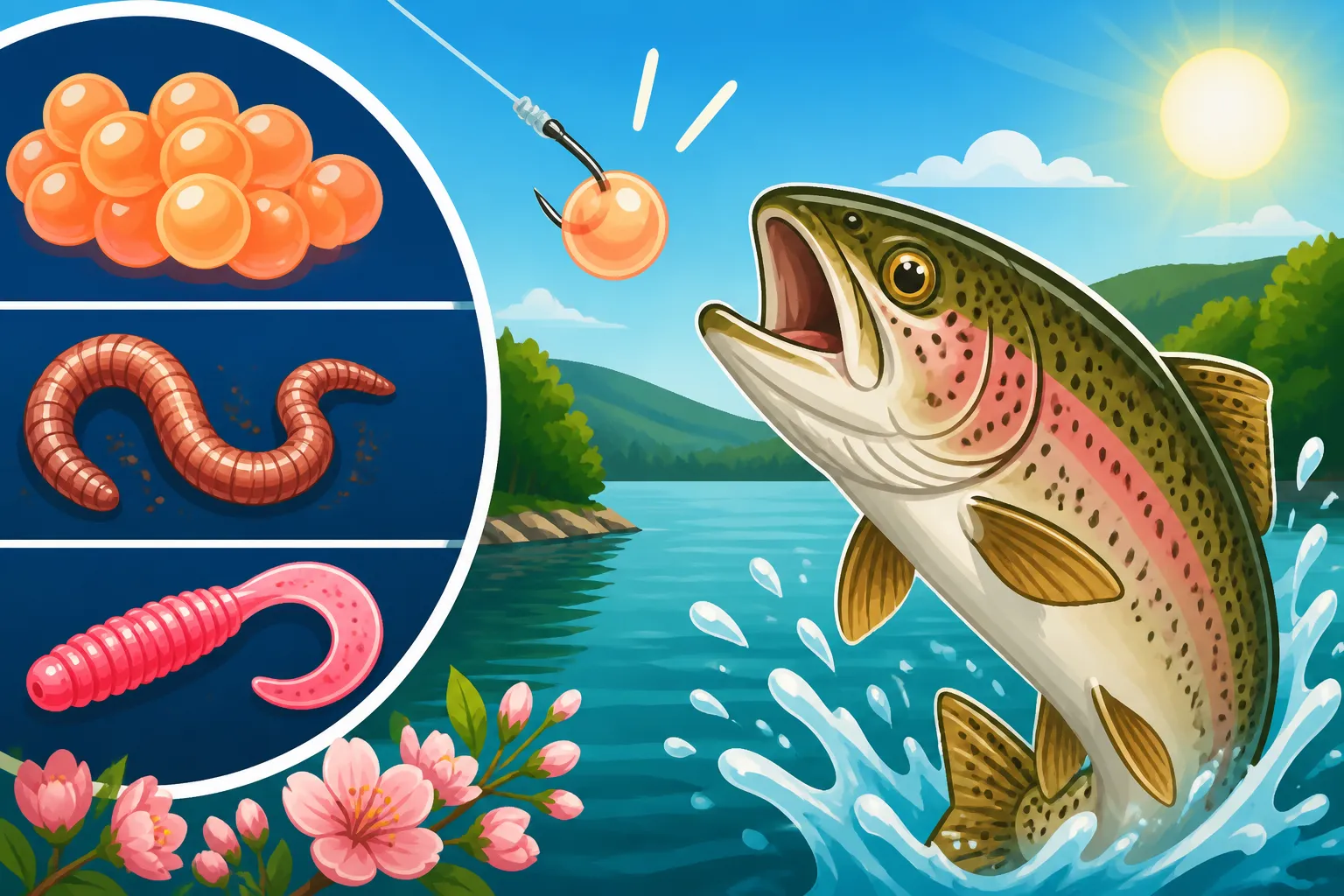
Scented dough baits, often generically referred to as PowerBait (a popular brand by Berkley), are an absolute staple for catching stocked trout, and they perform exceptionally well at Round Valley, especially for rainbows and brown trout. These baits are designed to disperse a potent scent plume in the water, attracting fish from a distance, and their buoyant nature allows them to float off the bottom, presenting a tempting target.
- Forms and Flavors: You'll find these in various forms, from small, moldable nuggets to pre-formed "worms" or even in a paste. Common flavors like "Garlic," "Cheese," and "Corn" are popular, but don't overlook "Trout Bait" specific formulas that mimic the pellets trout are fed in hatcheries. Colors like chartreuse, orange, and rainbow are often highly effective in the clear waters of Round Valley.
- Rigging: The most common way to rig PowerBait is with a small, light wire treble hook (size 10-14) or a single salmon egg hook. Pinch off enough bait to cover the hook completely, forming it into a small ball or egg shape. The goal is for the bait to be buoyant enough to lift the hook off the bottom, putting it right in the trout's strike zone. A small split shot or an egg sinker (¾ oz or less) on a swivel, with an 18-36 inch fluorocarbon leader (4-6 lb test), will keep it anchored while allowing the bait to flutter enticingly. This simple setup is extremely effective for shore anglers or those anchored in a boat.
Live Baits: Natural Attraction for Wary Trout
There's just something about live bait that even the wariest of trout often can't resist. The natural movement, scent, and texture can be irresistible, especially as trout become more acclimated to the reservoir.
- Shiners: Small shiners are dynamite for larger holdover brown trout and especially lake trout. These baitfish are a natural part of the trout's diet in Round Valley. You can fish them live, either under a bobber or slowly trolled. When still fishing, use a single hook (size 6-10) through the back or lips, allowing the shiner to swim freely. For lake trout, drop them down to the depths where the lakers lurk, suspended just above the bottom.
- Garden Worms/Nightcrawlers: Classic and consistently effective. A wriggling worm is hard for any trout to pass up. Thread a piece of a nightcrawler onto a small hook (size 8-12), leaving the ends to dangle. You can fish them on the bottom with a small split shot, under a bobber, or even slowly retrieve them. They are particularly good for freshly stocked rainbows and browns.
- Mealworms/Wax Worms: These smaller grubs are excellent for pan-sized trout and can often entice finicky fish when larger baits fail. Fish them singly or in clusters on a tiny hook (size 12-16) under a light float, or even on a small jig head. The natural movement and subtle scent are often just enough to trigger a bite.
Enticing Artificial Lures for Active Fish
For active, aggressive trout, especially when they're chasing baitfish, artificial lures can outfish natural baits. The key is to match the hatch or at least present something that mimics the local forage. This is where your New Jersey Trout Fishing Techniques really come into play.
- Spinners: Iconic and incredibly effective, spinners like Mepps, Panther Martin, or Rooster Tail are a must-have. Their flashing blades and vibrating action mimic small baitfish or aquatic insects. Sizes #0 to #3 are generally ideal for trout. Cast them out and retrieve steadily, varying your speed to find what the fish prefer. In the clear waters of Round Valley, natural colors like silver, gold, or black often work best, but don't shy away from bright colors like chartreuse or fire tiger on overcast days.
- Spoons: Spoons, such as the famous Kastmaster, Little Cleo, or Daredevle, cast a mile and have a seductive wobble on the retrieve. These are particularly good for covering water from shore or a boat, and for targeting deeper fish. Silver and gold are classic choices, but spoons with a blue or green back can also imitate alewives effectively. Vary your retrieve, allowing the spoon to flutter on the fall, which often triggers strikes. For lake trout, spoons can be jigged vertically or trolled.
- Small Jerkbaits/Minnow Plugs: For targeting larger, more aggressive trout, especially those preying on baitfish, small jerkbaits (2-4 inches) can be deadly. Brands like Rapala (original floating or countdown) or Yo-Zuri Pin's Minnow are excellent choices. Twitch them erratically, mimicking a wounded baitfish, then pause. The strike often comes on the pause. The clear water of Round Valley makes realistic baitfish patterns very effective.
Advanced Baiting Strategies and Tips
Catching trout in Round Valley isn't just about the bait; it's about how you present it and adapt to the conditions. Mastering these nuances can be the difference between a few nibbles and a full stringer.
The Art of Presentation: Stealth and Subtlety
In waters as clear as Round Valley Reservoir, stealth is absolutely paramount. Trout are highly visual predators, and they're not easily fooled by sloppy presentations.
- Light Line is Your Friend: Ditch the heavy mono. Fluorocarbon line in 4-6 lb test is highly recommended for leaders due to its near-invisibility underwater. Even your main line should be as light as you can manage – 6 lb test fluorocarbon or braided line with a fluorocarbon leader will give you an edge. The less visible your line, the more natural your bait appears.
- Small Hooks: Avoid oversized hooks. A size 8-14 hook is usually sufficient for trout, depending on your bait. Smaller hooks are less conspicuous and make your bait look more natural.
- Natural Movement: Whether you're using live bait or an artificial lure, try to impart natural movement. If still fishing with PowerBait, let it float naturally. If using a spinner or spoon, vary your retrieve to mimic a struggling baitfish. For live shiners, let them swim freely on a light line. Every detail matters when the fish can see everything.
Enhancing Your Bait: Scents and Attractants
While fresh bait has its own natural appeal, sometimes a little extra help can make all the difference, especially on days when trout are hesitant.
- Scent Sprays and Gels: Products like Pro-Cure, Berkley Gulp! Alive, or attractants from Mike's Glo are highly effective. You can apply these to both artificial lures and live baits. For lures, a quick spray or dab can leave a scent trail that draws trout in. For PowerBait, some anglers like to add an extra dab of gel to boost its effectiveness. The key is to refresh the scent regularly, especially after a few casts or if you haven't had a bite in a while.
- The Power of Garlic: Many trout anglers swear by garlic-scented attractants. It's a scent that seems to trigger a feeding response in trout, masking human scents and making your bait more appealing. Some PowerBait varieties even come pre-scented with garlic.
Remember, the goal is to enhance the bait, not overwhelm it. A subtle, natural enhancement is often more effective than a heavy, artificial odor.
Targeting the Depths: Locating Round Valley's Trout
Round Valley's depth means trout can be found at various levels in the water column, especially depending on the species and time of day. Knowing where to focus your efforts is crucial.
- Shore Anglers: From shore, you're limited by casting distance. Focus on areas with drop-offs, points, or submerged structure within casting range. Early morning and late evening often see trout moving closer to shore to feed. Look for areas described in our Round Valley Reservoir Shore Access Points guide.
- Boat Anglers: You have the advantage of mobility. Use a fish finder to locate schools of baitfish or arches that indicate trout. Lake trout, for instance, often suspend in deeper water (30-60 feet or more) where the water remains cold and oxygenated. Trolling with downriggers or lead core line is an excellent way to cover these depths effectively. For shallower cruising rainbows and browns, focus on depths of 10-25 feet, especially near structures or ledges. Remember, Trolling Techniques for New Jersey Lake Trout can be highly effective here.
- Reading the Water: Look for signs of activity. Birds diving can indicate baitfish, which in turn attract trout. Observe other anglers to see where they're having success. On bright, sunny days, trout will often move deeper or into shaded areas, while overcast conditions might bring them shallower.
Practical Considerations for Spring Trout Fishing
Beyond the baits and techniques, a successful spring trout trip to Round Valley requires attention to your gear, understanding the local regulations, and knowing when conditions are favorable.
Essential Gear for Round Valley Trout
Having the right equipment not only makes your fishing more comfortable but also increases your effectiveness in landing those trophy trout.
- Rods and Reels: A light to medium-light spinning rod (6-7 feet) paired with a 2000 or 2500 series spinning reel is ideal. This setup provides enough backbone to cast light baits and lures while offering the sensitivity needed to detect subtle bites. For lake trout, a slightly heavier medium-action rod might be beneficial, especially if you plan on trolling or jigging heavier spoons.
- Line: As mentioned, 4-6 lb test fluorocarbon or braided line with a fluorocarbon leader is best for stealth. Braided line offers superior casting distance and sensitivity, while fluorocarbon leaders provide invisibility and abrasion resistance.
- Terminal Tackle: Stock up on small split shot sinkers, egg sinkers, swivels, and a variety of small, sharp hooks (treble, single salmon egg, bait holder hooks). A good pair of needle-nose pliers or hemostats is essential for removing hooks, and a small landing net with a rubberized mesh (to protect the fish) will help secure your catch.
- Comfort and Safety: Spring weather in New Jersey can be unpredictable. Dress in layers, wear waterproof outerwear, and bring sun protection (hat, sunglasses). If boating, ensure you have all required safety gear, including life vests. The water is still very cold, and hypothermia can set in quickly if you fall in.
Navigating New Jersey's Fishing Regulations
Before you even wet a line, it’s absolutely critical to be familiar with New Jersey's fishing regulations, especially when it comes to trout. Ignoring these rules can lead to hefty fines and a spoiled day.
- Fishing License: Everyone 16 years of age and older needs a valid New Jersey fishing license to fish in the state's freshwater bodies, including Round Valley.
- Trout Stamp: If you plan on fishing for trout, which you undoubtedly will at Round Valley, you'll also need a valid New Jersey Trout Stamp. This stamp is an additional requirement specifically for trout fishing and helps fund the state's stocking programs. You can learn more about this by checking out the New Jersey Trout Stamp Requirements Explained.
- Size and Bag Limits: Round Valley Reservoir has specific size and bag limits for trout, which can vary by species. It’s crucial to know these limits to ensure you’re fishing legally and responsibly. Always consult the most current New Jersey Fish and Wildlife Digest for the exact rules, or refer to resources like New Jersey Freshwater Fishing Regulations Every Angler Should Know.
- Special Regulations: Round Valley, being a public water supply, may have specific rules regarding bait usage, boat motor restrictions, or access points. Always check signage at the reservoir and the Fish and Wildlife Digest. For instance, there are often specific rules regarding boat ramp access and fees, so it's worth checking any New Jersey State Park Fishing Permit Fees that might apply.
Timing Your Trip: The Impact of Weather and Season
The timing of your spring trout fishing trip to Round Valley can significantly influence your success.
- Early Spring (Ice-Out to Mid-April): This period immediately after ice-out can be fantastic, especially for larger lake trout and hungry holdovers. Water temperatures are still very cold, so fish might be a bit sluggish, but they are often concentrated. As the waters slowly warm, activity picks up.
- Late Spring (Late April to May): This is often prime time for stocked rainbows and browns as water temperatures become more comfortable for them. The fish are more active, and insect hatches might start, providing additional forage. This is also a great time to experiment with fly fishing techniques if you're inclined, as discussed in our Best Time to Fly Fish New Jersey's Trout Streams article.
- Weather Conditions: Overcast days or periods of light rain can often lead to excellent trout fishing, as the reduced light makes fish feel more secure and venture into shallower water. Bright, sunny days often push trout deeper. Wind can be a blessing and a curse; a light chop on the water can break up the surface, making trout less wary, but strong winds can make casting and boat control difficult. Always check the forecast and plan accordingly.
- Time of Day: Like many predatory fish, trout are often most active during the low light periods of dawn and dusk. However, in spring, especially on cooler days, they can bite throughout the day. Pay attention to changes in activity; if the bite slows, try changing your bait, depth, or location.
It can sometimes feel overwhelming to put all this information together, especially if you're not familiar with a specific body of water like Round Valley. Many anglers find value in tapping into local expertise. For those looking for a guided experience or just wanting to explore different charter options, platforms like FishingBooker can be a great starting point to connect with experienced local captains who specialize in trout fishing at reservoirs like Round Valley.
Comparing Top Trout Baits for Round Valley
To help you quickly decide what to bring on your next trip, here’s a handy comparison of the most effective baits for Round Valley Reservoir trout in spring:
| Bait Type | Pros | Cons | Best Use | Target Species |
|---|---|---|---|---|
| Scented Dough Baits | Strong scent, buoyant, attracts stocked trout, easy to use | Less effective for highly active or wary fish, artificial appearance | Still fishing for recently stocked rainbows and browns, shore fishing | Rainbow Trout, Brown Trout |
| Live Shiners | Highly natural, irresistible to larger predatory trout | Requires live well/aeration, harder to keep alive, can be expensive | Trolling or still fishing for larger lake trout and brown trout | Lake Trout, Brown Trout |
| Garden Worms/Nightcrawlers | Very natural, universally appealing, readily available, inexpensive | Can attract smaller panfish, sometimes less durable than dough baits | Still fishing for all trout species, especially post-stocking, bottom fishing | All Trout Species |
| Mealworms/Wax Worms | Small, subtle, good for finicky fish and smaller trout | Small size limits appeal to larger fish, can be fragile | Under a float for smaller trout, ice fishing, when trout are finicky | Rainbow Trout, Panfish |
| Spinners | Highly active, covers water well, triggers aggressive strikes | Requires constant retrieval, can get snagged, less effective for lethargic fish | Active trout, searching for fish, mimicking baitfish | All Trout Species |
| Spoons | Casts far, good for deep water, mimics baitfish, versatile | Can be heavy, requires specific retrieval techniques | Trolling, jigging, long casts from shore, targeting lake trout | Lake Trout, Brown Trout |
| Small Jerkbaits | Realistic presentation, triggers strong strikes from aggressive fish | More technical to use, less effective for passive trout | Targeting larger, predatory trout chasing baitfish, active fish | Brown Trout, Lake Trout |
Conclusion
Tackling the clear, deep waters of Round Valley Reservoir for spring trout can be one of the most rewarding fishing experiences in New Jersey. It demands patience, adaptability, and a willingness to experiment with different baits and presentations. Whether you swear by the power of scented dough baits, prefer the natural allure of live shiners, or enjoy the active challenge of artificial lures, understanding how trout behave in this unique environment is your ultimate advantage. By arming yourself with the right knowledge and a diverse tackle box, you're not just fishing; you're engaging in a true angler's quest. So gear up, respect the regulations, and get ready to create some unforgettable memories on the shores and waters of Round Valley this spring.
Disclaimer
Fishing conditions and regulations in New Jersey can change. Always consult the latest New Jersey Fish and Wildlife Digest or visit their official website before heading out. This guide provides general information and recommendations, but anglers are responsible for knowing and adhering to all current laws and safety guidelines.