Atlantic City Fishing Piers Guide
Many anglers, especially those visiting a bustling place like Atlantic City, feel overwhelmed trying to find a good, accessible spot to cast a line without needing a boat. It can be tough to navigate the crowds and know where to even start, often leaving you wondering if you need special permits or just where to drop a line. This guide aims to take the guesswork out of shore fishing in the heart of the city, focusing specifically on the iconic fishing piers available and how you can make the most of them for a successful and enjoyable day.
The Unique Allure of Atlantic City Pier Fishing
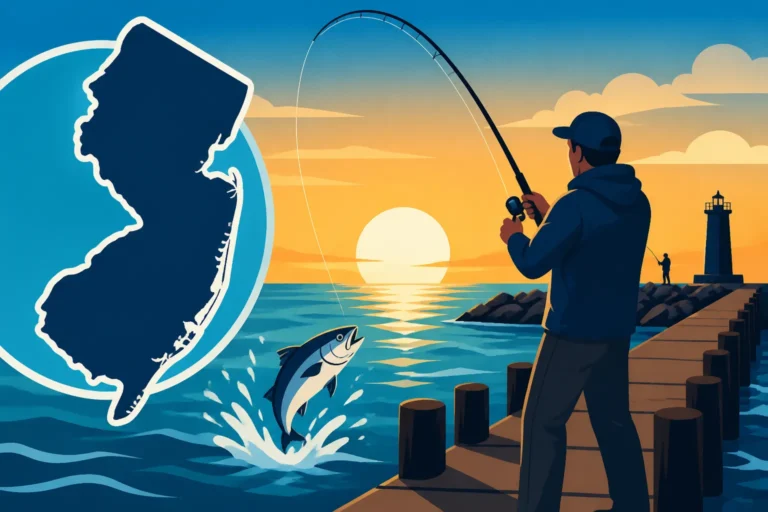
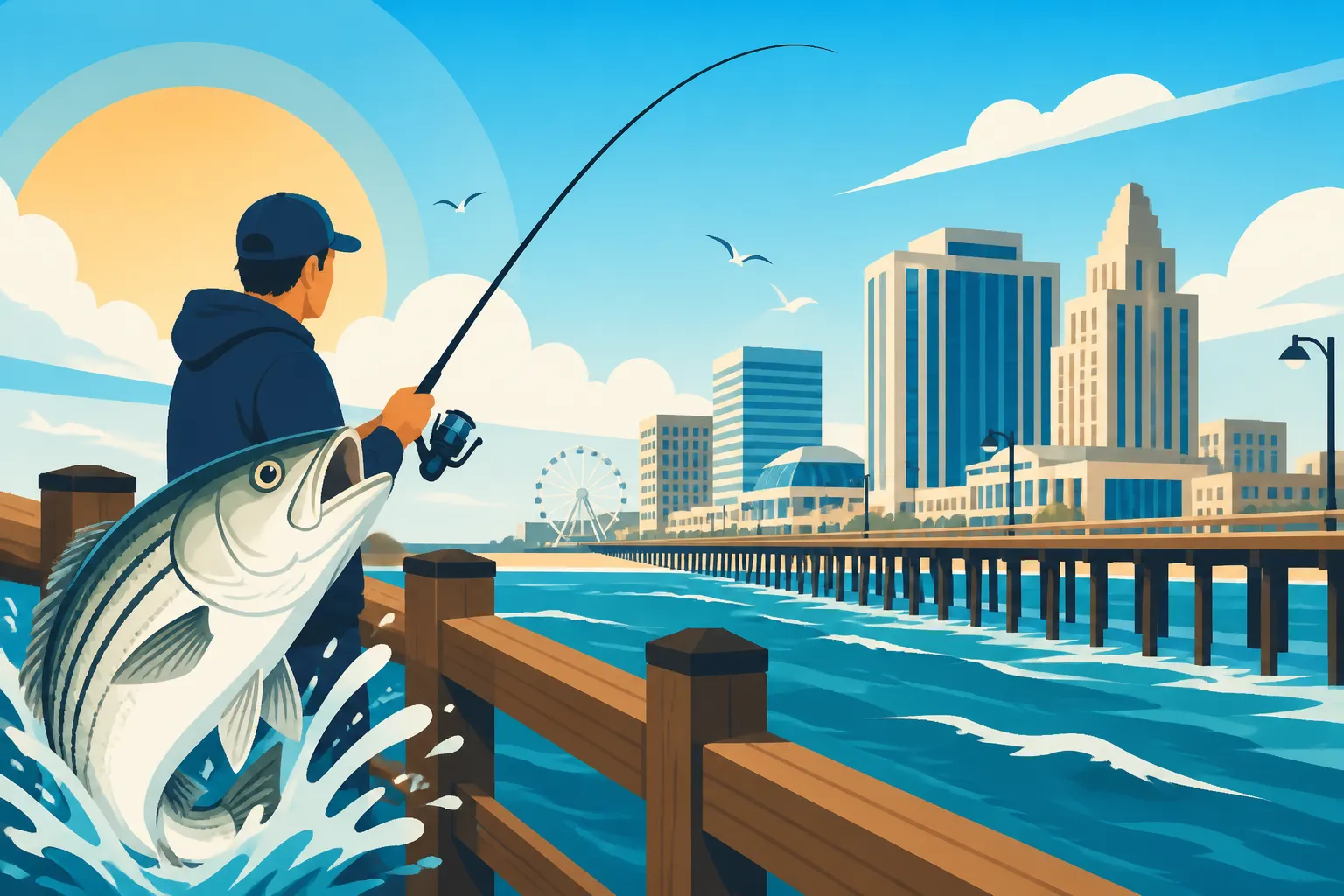
Atlantic City, famous for its casinos, boardwalk, and vibrant atmosphere, might not be the first place that comes to mind when you think of serious fishing. Yet, nestled among the bustling attractions are several piers that offer fantastic opportunities for both seasoned anglers and families just looking to reel in some fun. The convenience of these spots is a huge draw, allowing you to easily combine a fishing trip with other vacation activities without needing a dedicated boat or extensive gear.
Accessibility and Urban Angling Charm
One of the biggest frustrations for many aspiring anglers, especially those on vacation, is the logistical nightmare of getting to a good fishing spot. You might not have a car, or the thought of launching a boat just isn't appealing. That's where Atlantic City's piers truly shine. They offer unparalleled accessibility, often just a short walk from your hotel or a quick ride away on public transit. You can literally walk out onto the ocean, cast your line, and enjoy the sea breeze, all while still being steps away from amenities like restrooms, food vendors, and even arcade games on some piers. This blend of urban convenience and saltwater angling makes pier fishing in Atlantic City a unique experience. It’s a great way to introduce kids to fishing in a low-pressure, exciting environment, where even a small catch feels like a big win against the backdrop of the city skyline.
What Makes These Piers Different
Unlike remote, rustic fishing piers you might find in quieter towns, Atlantic City's piers are often part of larger entertainment complexes. This means they're usually well-maintained, well-lit, and offer a degree of safety and comfort you might not find elsewhere. However, it also means you'll be sharing the space with tourists, sightseers, and sometimes even carnival rides. Understanding this dynamic is key to enjoying your trip. Some piers are more geared towards serious fishing, while others offer a casual opportunity to wet a line between other activities. It’s not just about catching fish; it’s about the entire experience of being out on the water, soaking in the unique energy of the Jersey Shore. While you won't always find dedicated bait shops on every pier, many are close enough to the boardwalk where local tackle shops or convenience stores can supply your basic needs. Remember, when fishing in saltwater, you'll need to understand the nuances of the New Jersey Saltwater Registry Explained, which is separate from a traditional freshwater license.
Key Fishing Piers in Atlantic City and What They Offer
Atlantic City boasts a few prominent piers, each with its own character and opportunities for anglers. Knowing what to expect from each can help you choose the perfect spot for your next outing.
Central Pier: A Hub of Activity
Central Pier is often considered the most angler-friendly pier in Atlantic City. Located centrally on the boardwalk, it extends a good distance into the ocean, providing access to deeper waters where a wider variety of fish tend to congregate. This pier is generally bustling, with a mix of tourists enjoying the amusement rides and serious anglers patiently waiting for a bite. You'll find a dedicated fishing area, which helps keep the lines from tangling with casual strollers. It’s known for yielding a diverse range of species throughout the year.
During the warmer months, especially from late spring through fall, anglers at Central Pier commonly target summer flounder (fluke), bluefish, kingfish, croakers, and even some striped bass. The pier's proximity to deeper channels and structure makes it a prime spot for bottom fishing. Many local anglers recommend fishing the tides, especially a moving tide, as it often brings baitfish closer to the pier. You might see folks using a variety of setups, from light tackle for panfish to heavier gear for larger game. If you're looking for a good starting point and don't mind a bit of a crowd, Central Pier is your best bet for a productive fishing experience right in the thick of the action.
Garden Pier: The Quieter Retreat
If the vibrant energy of Central Pier feels a bit too much for your angling solitude, Garden Pier offers a much quieter and more serene alternative. Situated near the northern end of the boardwalk, close to Resorts Casino Hotel, this pier is largely dedicated to arts and culture, housing the Atlantic City Historical Museum and the Atlantic City Art Center. While it doesn't have the same amusement park attractions, its calmer atmosphere makes it appealing for anglers who prefer a more peaceful experience.
Garden Pier doesn't extend as far out into the ocean as Central Pier, meaning you might be targeting species closer to the shore, but it can still be quite productive, especially for smaller fish. Think kingfish, croakers, spot, and occasionally some smaller fluke or bluefish. It's an excellent spot for families with young children, or anyone just looking for a relaxing hour or two of fishing without the hustle and bustle. The calmer environment also means you’re less likely to contend with tangled lines from neighboring anglers or distracted tourists. It's a great place to simply enjoy the sound of the waves and the feeling of a tight line.
Steel Pier: More Than Just Rides
Steel Pier is perhaps the most iconic of Atlantic City's piers, primarily known for its extensive amusement park rides, including the famous Ferris wheel. While it's largely an entertainment complex, fishing is still permitted in designated areas, typically along the outer edges of the pier. However, it's generally considered less of a dedicated fishing spot compared to Central Pier due to the overwhelming focus on rides and attractions.
Angling here is often more opportunistic. You might catch some of the same species found at Central Pier, such as fluke, bluefish, and various panfish, but the primary draw for most visitors isn't fishing. If you're with family who wants to enjoy the rides, you can still bring a rod and perhaps sneak in some casts while they’re on the roller coaster. Just be mindful of crowds and any specific rules or restricted areas. It's less about a focused fishing expedition and more about combining a few casts with a day of boardwalk fun. Always check for current regulations and any specific Steel Pier fishing guidelines before you go, as policies can sometimes change.
Species You Can Expect to Catch and When to Target Them
Fishing the piers in Atlantic City means you'll encounter a variety of saltwater species, each with its own seasonal patterns. Understanding these can significantly increase your chances of a successful outing.
Spring and Fall Migrations
These transition seasons are often the most exciting times to fish New Jersey piers. In spring, as water temperatures begin to rise, many species migrate closer to shore, making their way north. This is when you can see a strong push of striped bass. While many are schoolie-sized, larger stripers can occasionally be caught, especially during the early morning or late evening hours. Understanding the New Jersey Striped Bass Slot Limit Explained is crucial here, as regulations are strict to protect this iconic species. Bluefish also arrive in force, often providing aggressive strikes and thrilling fights. These fish are powerful and can quickly decimate schools of baitfish, creating frenzies that are visible from the pier.
Fall brings another massive migration as fish move south. This "fall run" can be even more prolific than spring, with abundant striped bass and bluefish. Kingfish, which are small but feisty and excellent eating, are also prevalent during these periods. You might also encounter tautog (blackfish) around any structure or pilings under the pier, though targeting them effectively often requires specialized tackle and patience. Keep an eye on local fishing reports or talk to bait shop owners; they’re a great resource for knowing what’s biting and when.
Summer Staples and Bottom Dwellers
Summer in Atlantic City is a peak season for tourists, and it's also a great time for fishing the piers, albeit often with more people around. The star of summer pier fishing is undoubtedly the summer flounder, or fluke. These flatfish love to ambush baitfish from the sandy bottom, and they can be caught by drifting bait or jigging small bucktails near the pier. Making sure you understand the New Jersey Fluke Size and Bag Limits Explained is absolutely essential, as strict regulations are in place to protect these popular table fish.
Alongside fluke, you'll find a steady population of bottom-dwelling species like kingfish, croakers, and spot. These are perfect for light tackle and provide consistent action, especially for kids. Sea robins, while not typically targeted for food, are also common and can provide some entertainment with their unique fins and grunting sounds. Black sea bass can also be caught, often around the pier pilings or any submerged structure. They are excellent eating, but checking the New Jersey Black Sea Bass Season and Limits is paramount as their seasons can be quite specific. Don't forget, if you’re looking to explore more diverse catches or simply have a more dedicated fishing experience, exploring local charter options on platforms like FishingBooker can open up opportunities beyond the piers.
Here's a quick overview of common catches and their peak seasons:
| Species | Peak Season (Atlantic City Piers) | Typical Bait/Lure | Size/Bag Limit Notes |
|---|---|---|---|
| Striped Bass | Spring (April-May), Fall (Sept-Nov) | Bloodworms, clams, plugs, soft plastics | Slot limit (e.g., 28 to 31 inches, check current regulations as they change). Circle hooks often required for bait fishing. |
| Fluke (Summer Flounder) | Summer (May-Sept) | Minnows, Gulp!, squid, cut bait | Minimum size (e.g., 18 inches, check current regulations) and bag limits apply. |
| Bluefish | Spring (May-June), Fall (Aug-Oct) | Metal lures, cut bait, chunk bait | Often no minimum size, but bag limits apply (e.g., 3 fish for private anglers, check current regulations). |
| Kingfish | Summer (June-Sept) | Bloodworms, clam strips, small squid | No minimum size, generous bag limits (check current regulations). |
| Croaker | Summer (July-Sept) | Bloodworms, clam strips, squid | No minimum size, generous bag limits (check current regulations). |
| Tautog (Blackfish) | Late Fall (Oct-Dec), Early Spring (March-April) | Green crabs, fiddler crabs | Strict minimum size (e.g., 15 inches, check current regulations) and bag limits (often 1-2 fish). |
| Black Sea Bass | Summer (May-Sept), Fall (Oct-Dec) | Clams, squid, jigs | Seasons and limits vary significantly by year and region. Check current New Jersey Black Sea Bass Season and Limits before fishing. |
Note: Fishing regulations, including size and bag limits, are subject to change by the New Jersey Division of Fish and Wildlife. Always consult the most current regulations before heading out.
Essential Gear and Tactics for Atlantic City Piers
To make the most of your Atlantic City pier fishing adventure, having the right gear and knowing a few key tactics can make all the difference. You don't need a boatload of expensive equipment, but some strategic choices will go a long way.
Rods, Reels, and Terminal Tackle
For general pier fishing in Atlantic City, a medium-action spinning rod between 7 to 9 feet long is a versatile choice. This length allows for decent casting distance without being unwieldy in a potentially crowded environment. Pair it with a 3000-4000 series spinning reel spooled with 15-20 lb braided line, which offers sensitivity and strength. A fluorocarbon or monofilament leader of 20-30 lb test, about 2-3 feet long, is recommended to prevent break-offs on sharp structures or from toothy fish like bluefish.
When it comes to terminal tackle, a simple bottom rig is a staple for pier fishing. This typically consists of a pyramid or Sputnik sinker (1-4 oz depending on current and wind) at the bottom, with two snelled hooks (size 1 to 3/0, depending on target species) above it. Another popular setup is a hi-lo rig, which also features two hooks tied at different heights. For fluke, a standard fluke rig with a lead head jig or a bucktail jig tipped with Gulp! or natural bait is incredibly effective. Having an assortment of these rigs pre-tied will save you valuable fishing time. Don't forget a sturdy pair of pliers for hook removal, a rag for messy hands, and a cooler with ice to keep your catch fresh. If you're new to saltwater fishing, a good starting point might be to look into a Best Beginner Rod and Reel Combo for Saltwater Fishing.
Bait and Lure Choices for Pier Anglers
Your bait selection will largely depend on what you're targeting. For most bottom fish like kingfish, croakers, and even fluke, fresh bloodworms and clam strips are universally effective. These baits have a strong scent that attracts fish from a distance. Squid strips are also a versatile option and tend to stay on the hook well. You can often find these baits at local tackle shops near the boardwalk.
For predatory species like striped bass and bluefish, live bait such as spearing or peanut bunker can be deadly. However, live bait can be harder to come by and manage on a pier. Artificial lures are often a more convenient and equally effective choice. Metal spoons (like Kastmasters or Hopkins lures) are excellent for bluefish and sometimes stripers, especially when they're feeding on baitfish near the surface. Soft plastic lures, such as paddle tails or curly tails on a jig head, imitate baitfish and are very effective for fluke and striped bass. Bucktail jigs, often tipped with a Berkley Gulp! Swimming Mullet or a strip of squid, are a classic and highly productive lure for fluke. Remember to bring a variety of options; sometimes what works one day won't work the next. Checking the tides using How to Read Tide Charts for Better Fishing in New Jersey can also help inform your lure and bait choices.
Understanding Regulations and Best Practices for Pier Fishing
Fishing from a pier might seem straightforward, but it’s still important to understand the local regulations and follow some basic etiquette to ensure a safe and enjoyable experience for everyone.
License Requirements and Bag Limits
This is a critical point that often trips up new anglers. In New Jersey, you generally do not need a state fishing license for recreational saltwater fishing from a pier or shore that is accessible to the public. However, you are required to register with the free New Jersey Saltwater Registry Program. This registry helps the state and federal governments track angler participation for fisheries management, and it's quick and easy to do online. Even though you don't need a license, all state and federal regulations regarding species, size, and bag limits still apply. This is where knowing How Bag and Size Limits Work in New Jersey becomes incredibly important. For example, if you catch a fluke, it must meet the minimum size requirement to be legally kept, and you can only keep a certain number per day. Exceeding these limits can result in significant fines. Always carry proof of your saltwater registry (a printout or digital copy on your phone) and a measuring device to ensure your catches are legal.
Pier Etiquette and Safety Tips
Fishing from a busy pier requires a certain degree of common courtesy and awareness. Here are some key tips:
- Respect Others' Space: Piers can get crowded. Try to maintain a reasonable distance from other anglers. Don't cast over someone else's line.
- Be Mindful of Tourists: Especially on piers with attractions, remember that not everyone is there to fish. Be careful with your backcasts and keep sharp hooks away from curious onlookers.
- Clean Up Your Area: Pack out everything you pack in. Dispose of all fishing line, bait containers, and trash properly. Leaving hooks or line behind is a hazard to wildlife and other people.
- Use the Right Gear for Your Catch: If you plan on keeping fish, have a cooler with ice ready. A net or gaff is essential for safely landing larger fish from the pier. Avoid dragging fish up by the line, which can lead to lost fish and broken gear.
- Stay Hydrated and Protected: Even on a pier, you’re exposed to the elements. Wear sunscreen, a hat, and bring plenty of water, especially during summer months.
- Know When to Cut Your Line: If you get hopelessly snagged on structure or a rock, sometimes the best (and safest) option is to cut your line cleanly to prevent leaving a long, trailing line that could entangle wildlife or other anglers.
- Consider a Fishing Charter for Diverse Experiences: While piers are great, if you're looking for a more dedicated fishing experience, perhaps targeting specific species or heading offshore, a New Jersey Charter Fishing Guide can offer a different adventure. Many people find reliable charters through platforms like FishingBooker, which makes planning easy.
By following these guidelines, you'll not only have a more enjoyable time yourself but also contribute to a positive experience for everyone else on the pier and help preserve our valuable fishing resources.
Disclaimer
Fishing involves inherent risks, and conditions can change rapidly. Always exercise caution, be aware of your surroundings, and follow all local, state, and federal regulations. This guide provides general information and should not be considered a substitute for official rules and safety guidelines. Always consult the New Jersey Department of Environmental Protection (NJDEP) Division of Fish and Wildlife for the most current regulations.