Wildwood Crest Surf Fishing Guide
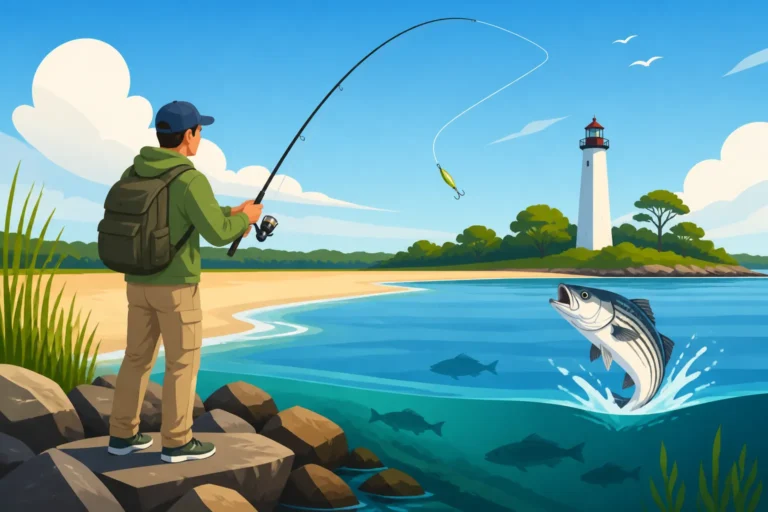
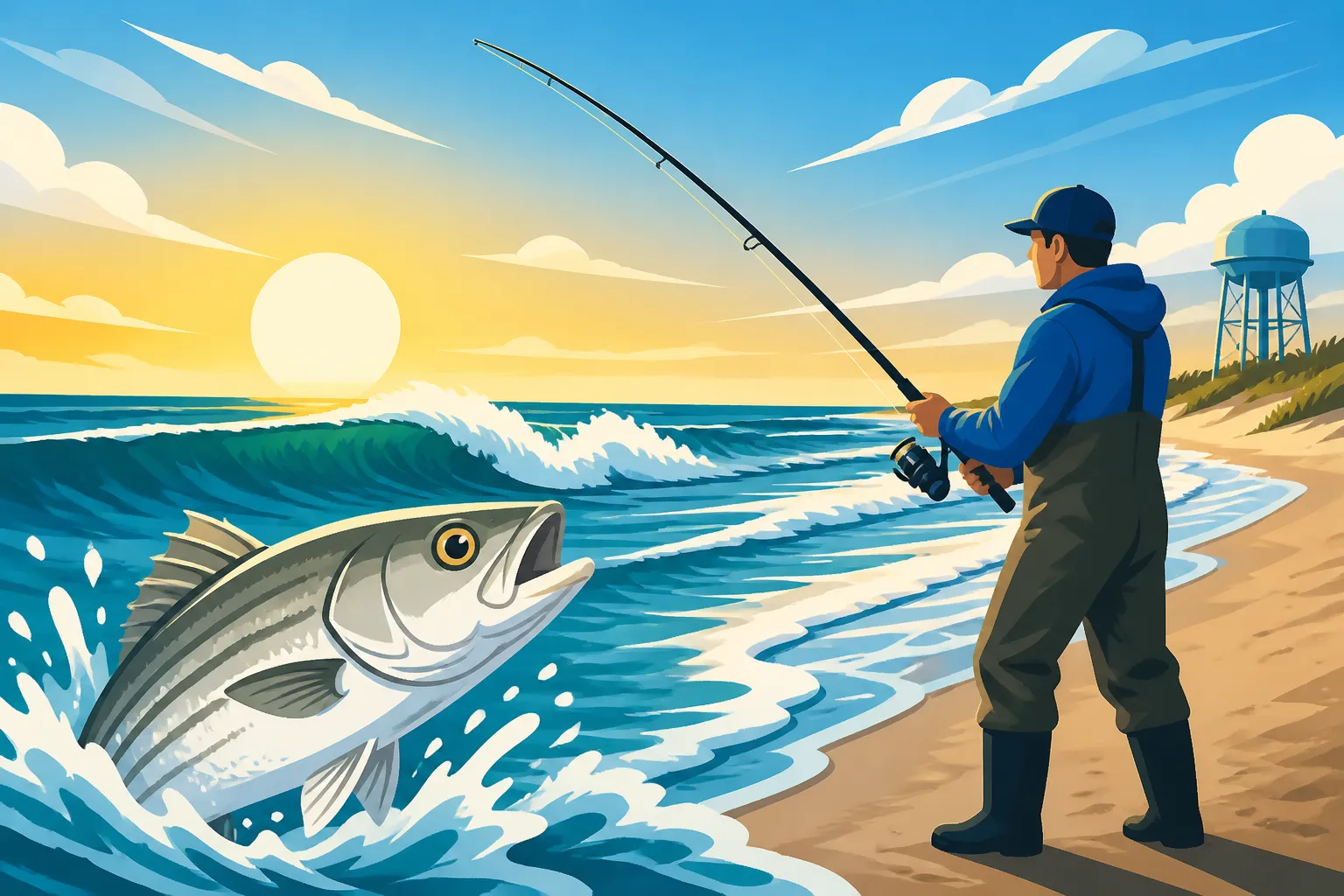
There’s nothing quite like the salty air, the crashing waves, and the sheer anticipation of a tight line when you’re surf fishing. But let's be honest, standing on a vast beach wondering where the fish are hiding and what bait to use can be incredibly frustrating, especially in a popular spot like Wildwood Crest. This guide is here to cut through that confusion, giving you the insider knowledge to make your next Wildwood Crest surf fishing adventure a truly successful and enjoyable one.
Why Wildwood Crest Stands Out for Surf Fishing
Wildwood Crest isn't just another pretty beach; it's a dynamic stretch of coastline that offers some fantastic surf fishing opportunities if you know where to look and what to expect. Unlike some of the narrower, more crowded beaches further north, Wildwood Crest boasts wide, expansive sands and unique characteristics that create ideal conditions for a variety of popular game fish. It's a place where both seasoned anglers and those just starting out can find success, provided they understand its nuances. The sheer breadth of the beach also means you can often find a quiet spot away from the main crowds, which is a real blessing during peak season.
Unique Beach Characteristics and Structure
The beaches of Wildwood Crest are notably wide and generally slope gently into the ocean, which can be a double-edged sword. On one hand, it means you often need to cast a bit further to reach the deeper troughs and sandbars where fish tend to hold. On the other, this gradual slope creates extensive intertidal zones that can be incredibly productive for baitfish, which in turn attract larger predators. What makes Wildwood Crest truly special, however, are the subtle depressions and cuts in the sand that change with every storm and tide cycle.
These dynamic features, often unseen from the surface, act as highways and feeding grounds for species like fluke, kingfish, and striped bass. Keep an eye out for darker patches of water, which might indicate a deeper area, or slight undulations in the sand near the water's edge that could be a small trough. Also, the absence of major inlets directly within Wildwood Crest proper means the currents tend to be more predictable, though still influenced by the mighty Delaware Bay to the south and the Atlantic's tidal pushes. This stability can make for more comfortable fishing, especially when trying to hold bottom with your rig. It's not uncommon to see birds diving in specific areas, which is always a good indicator of baitfish presence, hinting at where the game fish might be lurking.
Prime Species Targeting and Seasonal Runs
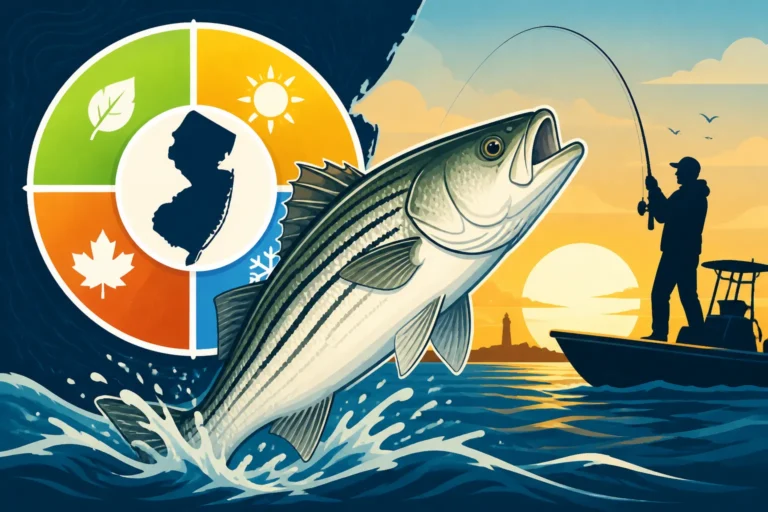
Wildwood Crest offers a fantastic variety of species throughout the year, making it a year-round destination for dedicated surf anglers. In the warmer months, specifically from late spring through early fall, the primary targets are typically kingfish, spot, croaker, and of course, the ever-popular summer flounder, which many of us just call fluke. As the water cools in the fall, the migration really kicks off, bringing in bluefish and the much-coveted striped bass.
The spring run of striped bass can be hit or miss right off the surf in Wildwood Crest, as they often move closer to the back bays and inlets, but fall is when the bigger ones often cruise the beaches. Bluefish are almost a constant presence from late spring into fall, eager to hit just about anything that moves. For the smaller, panfish-like species such as kingfish and spot, the entire summer is prime time, offering consistent action, especially for families and beginner anglers. Understanding the New Jersey Fishing Season Dates and Closures is crucial for knowing what's in season and when to target specific species for the best results.
| Species | Best Season | Typical Baits | Average Size (Surf) |
|---|---|---|---|
| Striped Bass | Fall (Spring for smaller) | Bunker, Clams, Worms | 18-36 inches |
| Fluke (Summer Flounder) | Summer | Minnows, Squid, Gulp! | 15-22 inches |
| Bluefish | Summer-Fall | Metal Lures, Cut Bait | 12-30 inches |
| Kingfish | Summer | Bloodworms, Small Pieces of Clam | 8-12 inches |
| Croaker | Summer | Bloodworms, Squid | 10-15 inches |
This table gives you a quick snapshot, but remember that conditions can change rapidly. Always check local fishing reports or talk to bait shop owners, as they have the most up-to-date information on what's biting.
Essential Gear and Bait for Wildwood Crest Surfing
Having the right gear is just as important as knowing the best spots or times to fish. You don't need to break the bank, but investing in a few key pieces that are suited for surf fishing will make a huge difference in your comfort and success. Too often, I see folks out there struggling with gear meant for freshwater ponds, and it just leads to frustration when you're trying to punch a cast through a stiff ocean breeze or land a feisty bluefish.
Rods, Reels, and Line Selection
For surf fishing in Wildwood Crest, you're generally looking for a rod that can handle a decent amount of weight and offer good casting distance. A good all-around surf rod would be anywhere from 9 to 12 feet long, with a medium to heavy action. This length helps you clear the breaking waves and get your bait out to those deeper troughs and bars. For reels, a robust spinning reel in the 6000 to 8000 size range is a solid choice. You want something with good line capacity and a smooth, reliable drag system, because when a big striped bass decides to take off, you'll be glad you have it. Brands like Penn, Daiwa, and Shimano offer excellent options that can withstand the corrosive saltwater environment.
When it comes to line, braided line is a game-changer for surf fishing. I usually recommend 30 to 50 lb test braided line for your main spool. It has a thinner diameter than monofilament of the same strength, which means less wind resistance and longer casts. It also has virtually no stretch, allowing you to feel even the most subtle bites. You'll want to add a shock leader of 40 to 80 lb test monofilament or fluorocarbon, about 6 to 10 feet long, tied to your braid. This leader absorbs the shock of powerful casts, protects your main line from abrasive sand and fish teeth, and provides a bit of stretch to cushion powerful runs. Don't skimp on your knots here; a good Albright knot or FG knot connecting your braid to your leader is essential.
Top Baits and Rigs for Local Species
Matching your bait and rig to your target species is key in Wildwood Crest. For the panfish like kingfish, spot, and croaker, fresh bloodworms or small pieces of clam are irresistible. A classic two-hook Pompano rig (also called a bottom rig or hi-lo rig) with size 1 or 1/0 hooks is perfect for this. It keeps your bait off the bottom, presenting it well to these cruising fish. You can find these pre-tied at almost any local bait and tackle shop, or you can tie your own using snelled hooks and swivels.
When targeting fluke, live minnows (like killifish or spearing) or strips of fresh squid are phenomenal. Many anglers also swear by artificial baits like Berkley Gulp! Swimming Mullet or Shrimp, which often outperform natural bait. For fluke, a standard "fluke rig" or "bucktail and teaser" setup is ideal. The fluke rig typically consists of a lead weight at the bottom, with one or two snelled hooks trailing above it, often adorned with a colored bead or spinner blade. Bucktail jigs tipped with Gulp! or real bait are also incredibly effective, especially when slowly retrieved or jigged along the bottom. You can learn more about specific presentations in a guide on How to Drift Fish for Fluke.
For striped bass and bluefish, your bait choice depends on whether they're actively feeding on bunker (menhaden) or clams. Fresh bunker chunks or whole small bunker are prime for stripers and big bluefish. If clams are their preference, fresh surf clams are hard to beat. For these larger species, a fish-finder rig is my go-to. This rig allows the fish to take the bait without immediately feeling the weight of your sinker, leading to more solid hook-ups. It involves a leader with your hook (usually a 5/0 to 7/0 circle hook for stripers to ensure proper hook placement and easy release) attached to a swivel, with a sinker slide above the swivel on your main line. Pyramid or Sputnik sinkers (3-6 ounces depending on current) are great for holding bottom in the surf. Consider checking out How to Fish Bloodworms for Striped Bass for more specific bait information, especially if you're targeting those hungry spring-run fish.
Mastering Techniques for Wildwood Crest Beaches
Surf fishing is more than just casting a line and waiting; it's about understanding the ocean, adapting to conditions, and employing smart techniques. Wildwood Crest’s unique environment demands a thoughtful approach to maximize your chances of success. It’s a bit like a chess game with Mother Nature, where every move matters.
Reading the Water and Identifying Productive Spots
One of the most valuable skills a surf angler can develop is the ability to "read the water." This means looking for subtle signs that indicate where fish might be holding or feeding. The Wildwood Crest beaches, with their wide expanse, often feature sandbars, troughs, and rip currents. Sandbars are elevated areas of sand, and troughs are the deeper channels running parallel to the beach, often between the shore and the first sandbar, or between multiple sandbars. These troughs are highways for fish, offering both food and shelter. Look for calmer, darker water beyond the breaking waves—that’s often a trough.
Rip currents are strong, narrow currents of water moving directly away from the shore. While dangerous for swimmers, they are absolute magnets for fish. They pull baitfish and other food items out to sea, and predatory fish will stage on the edges of these rips, waiting for an easy meal. Identify them by a break in the incoming wave pattern, churning water, or discolored water flowing offshore. Casting your bait just to the side of a rip, allowing it to drift into the current, can be incredibly effective. Pay attention to how the waves break; areas where waves break consistently further out often indicate a sandbar, and areas where they don't break until closer to shore might mean a deeper trough. Understanding How to Read a Rip Current for Safer Surf Fishing isn't just about safety; it's about finding the fish.
Casting Strategies and Retrieve Methods
Given the wide beaches and the need to often reach beyond the first set of breakers, casting distance is important in Wildwood Crest. The "pendulum cast" or "conventional overhead cast" can propel your bait a good distance. Practice these casts in an open field to get a feel for them without the pressure of the ocean. The goal isn't just distance, but accuracy. You want your bait to land in those productive troughs or near the edges of rips, not in the shallow wash where fish rarely feed. A common mistake is trying to cast as far as humanly possible every time; often, the fish are closer than you think, especially during high tide or when baitfish are close to shore.
Your retrieve method depends heavily on the species you're targeting. For stationary baits aimed at kingfish or stripers, simply cast out, let your sinker dig into the sand, and put your rod in a sand spike. Watch the rod tip for bites. For fluke, however, you need to actively present your bait. A slow, steady retrieve with occasional pauses or slight jigs is often the ticket. Imagine your bait is a wounded minnow trying to escape. If you're using bucktails, a lift-and-drop retrieve, mimicking a shrimp or baitfish fleeing, can be incredibly effective. For bluefish, a fast, erratic retrieve with metal lures or poppers often provokes aggressive strikes. Don't be afraid to experiment; sometimes a subtle change in speed or action makes all the difference. Learning How to Cast Farther When Surf Fishing can definitely improve your reach and put you onto more fish.
Navigating Regulations and Best Practices
Fishing responsibly is paramount, not just for the health of our fisheries but also for ensuring future generations can enjoy the same experiences we do. Wildwood Crest, like all of New Jersey, has specific rules that every angler must follow. Ignoring these regulations can lead to hefty fines and can negatively impact the delicate marine ecosystem.
Understanding Local Rules and Licensing
First and foremost, if you're 16 years of age or older and plan to fish freshwater, you absolutely need a New Jersey Fishing License. Even if you're primarily a saltwater angler in Wildwood Crest, it’s worth noting because many coastal rivers and tidal areas blend freshwater and saltwater influences, and it's easy to accidentally cross into freshwater territory. For saltwater fishing, while a license isn't generally required for recreational anglers, you must register with the New Jersey Saltwater Registry Program. This is a free, quick process that helps the state monitor fishing effort and collect vital data for managing fish stocks. Many anglers forget this step, so make sure you're covered! You can find more information about this at How to Register for New Jersey's Saltwater Registry Program.
Beyond licensing and registration, it's critical to be aware of species-specific regulations. These include minimum size limits, daily bag limits, and open seasons for various fish. For instance, the New Jersey Striped Bass Slot Limit: 28 to 38 Inches is a rule that often confuses new anglers. This means you can only keep striped bass that fall within that specific size range; anything smaller or larger must be immediately released. Similarly, there are strict New Jersey Fluke Size and Bag Limits Explained that dictate how many fluke you can keep and how big they must be. These rules are put in place for conservation, to protect juvenile fish and allow larger, spawning fish to continue contributing to the population. Always consult the latest New Jersey Fish and Wildlife Digest, which you can usually pick up at bait shops or find online, before you head out. These regulations can change year to year, or even mid-season, so staying informed is crucial.
Responsible Angling and Conservation
Beyond simply following the rules, responsible angling means adopting practices that minimize your impact on the environment and the fish you pursue. When practicing catch and release, especially for species like striped bass that have strict slot limits, handle fish with wet hands to protect their slime coat, support their body horizontally, and use a dehooking tool to quickly remove hooks. For striped bass, the use of circle hooks is often required when fishing with natural bait, as they significantly reduce gut hooking and improve survival rates. Learning about New Jersey Catch and Release Striped Bass Handling Rules can make a real difference for the fish you put back.
Always pack out everything you pack in. Leaving behind tangled line, bait containers, or food wrappers is not only unsightly but can be deadly for wildlife. Be mindful of beach-nesting birds, especially during spring and summer; give them space and avoid disturbing their nesting areas. Consider using lead-free sinkers to reduce lead pollution in the marine environment. If you're using live bait, make sure it's legal and locally sourced to avoid introducing invasive species. Supporting local bait and tackle shops like those found in Wildwood, or even booking a guided trip through platforms like FishingBooker to learn from experienced captains, often means you're getting advice from people who are deeply invested in local conservation efforts. Every small action adds up to a healthier fishery for everyone.
Wildwood Crest offers incredible opportunities for surf fishing, whether you're chasing dinner or just the thrill of the fight. With the right preparation, knowledge, and a commitment to responsible angling, you'll find yourself falling in love with this stretch of the Jersey Shore.
Disclaimer
Please note that fishing regulations in New Jersey are subject to change. It is the angler's responsibility to check the most current regulations issued by the New Jersey Department of Environmental Protection (NJDEP) Fish & Wildlife prior to fishing. This guide provides general information and should not be considered a substitute for official regulatory documents.