Fishing Rules at Liberty State Park
For anglers in New Jersey, figuring out where you can cast a line and what rules apply can sometimes feel like navigating a labyrinth, especially when you're looking at a huge, iconic spot like Liberty State Park. You see that breathtaking skyline, the Statue of Liberty, Ellis Island, and the vast expanse of the Upper New York Bay, and naturally, you wonder: "Can I fish here? And if so, what's the deal?" This guide is here to untangle all that, giving you a clear picture of what it takes to enjoy a successful and legal fishing excursion within Liberty State Park, a true gem for urban angling.
General Overview of Fishing at Liberty State Park
Liberty State Park isn't just a picturesque backdrop for photos; it's a vibrant, living ecosystem teeming with marine life, making it a fantastic, often overlooked, fishing destination. Situated right on the Hudson River Estuary and Upper New York Bay in Jersey City, it offers a unique blend of accessibility, scenic beauty, and diverse fishing opportunities. Whether you're a seasoned angler or just looking to introduce your family to the joys of fishing, this park provides an incredible setting.
Why Liberty State Park is a Prime Urban Fishing Destination
What makes Liberty State Park so special for fishing is its prime location within the Hudson River Estuary. This estuary acts as a nursery and migratory pathway for countless species, offering a unique opportunity to catch both freshwater and saltwater species, though it's predominantly saltwater fishing. Imagine casting your line with the Manhattan skyline shimmering across the water, or the iconic Statue of Liberty standing sentinel in the distance. It’s an experience that truly sets this park apart from other fishing locales. The park's diverse shoreline, including tidal marshes, rocky areas, and sandy stretches, creates varied habitats that attract a wide array of fish species throughout the year. You're not just fishing; you're immersing yourself in a piece of New Jersey's rich natural and historical landscape, making every catch feel a little more significant.
Many local anglers consider the park a hidden gem for its accessibility and the sheer variety of fish. It's not uncommon to hear stories of impressive striped bass or fluke being pulled from its waters, especially during prime migratory seasons. The dynamic tidal flows also mean that conditions are constantly changing, providing new challenges and opportunities for those willing to adapt their techniques. For those looking for a truly unique angling experience without having to travel far from the urban core, Liberty State Park delivers on all fronts, providing both peace and excellent fishing prospects.
Accessibility and Amenities for Anglers
One of the greatest advantages of fishing at Liberty State Park is its excellent accessibility. You don't need a boat to enjoy the fantastic fishing here, though boat access is also available nearby. The park boasts numerous shore fishing opportunities along its extensive seawalls, piers, and various points that jut into the bay. The main promenade, stretching for miles, offers ample space for anglers to spread out and enjoy the scenery while waiting for a bite. There are also designated fishing piers that provide deeper access to the water, which can be particularly productive during certain tides.
Beyond just fishing access, the park provides essential amenities that make a day on the water more comfortable. You'll find restrooms, picnic areas, and plenty of parking close to popular fishing spots, minimizing long hauls with your gear. For those who want to grab a quick bite or some essentials, the Liberty Landing Marina, located within the park, often has small shops or eateries. This blend of easy access, convenience, and stunning views makes Liberty State Park an ideal spot for anglers of all ages and skill levels, ensuring that a family outing or a solo escape is as enjoyable as possible. When considering a longer trip or exploring nearby boat fishing options, resources like FishingBooker can offer insights into available charters and local guides who know the area's nuances, even if you plan to stick to shore fishing in the park.
Specific Regulations and Licensing Requirements
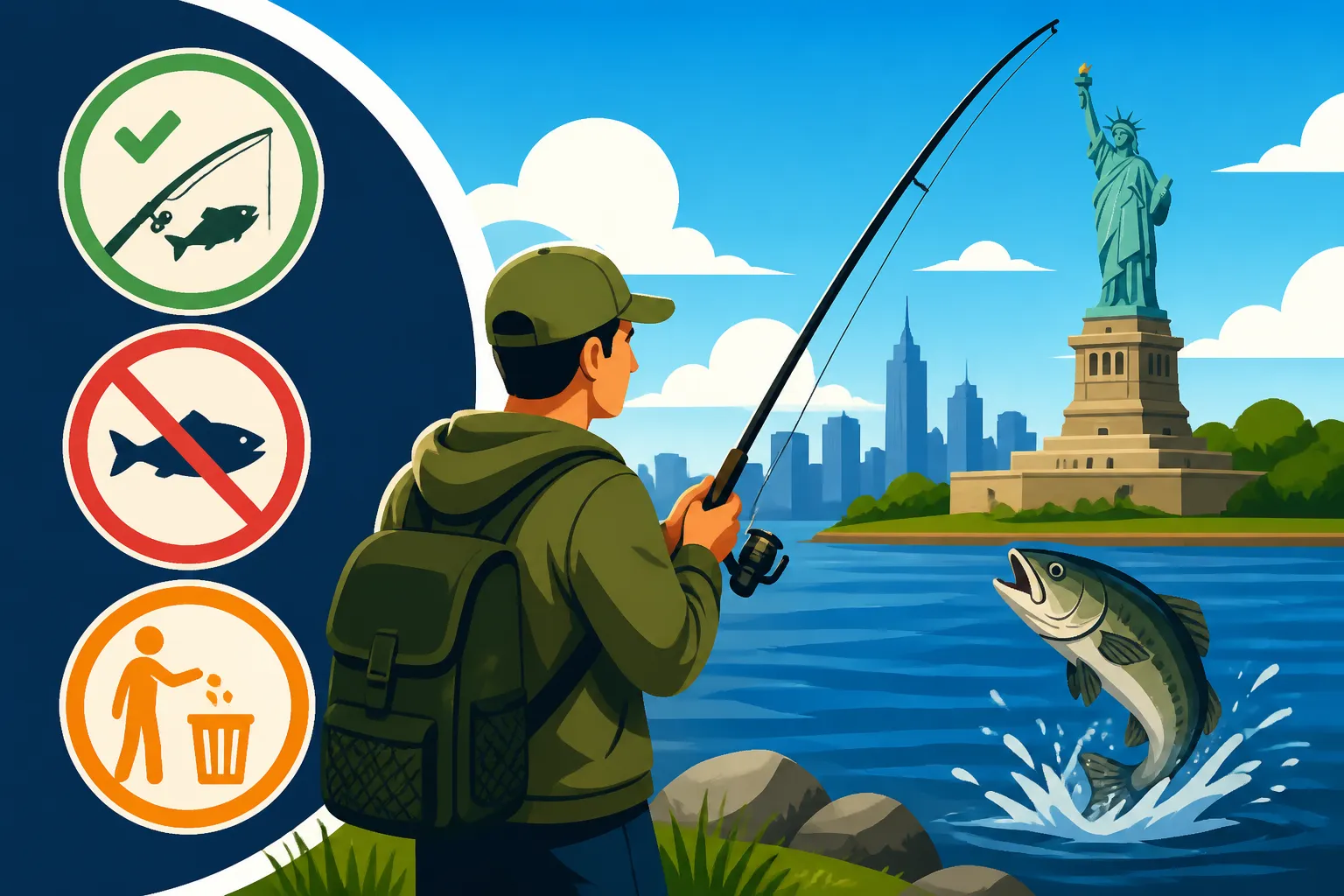
Before you even think about wetting a line in Liberty State Park, it’s absolutely crucial to understand the rules and regulations. Fishing here falls under the jurisdiction of the New Jersey Department of Environmental Protection (NJDEP) Division of Fish and Wildlife, meaning all state-wide freshwater and saltwater fishing laws apply. Ignorance of the law is no excuse, and getting caught without the proper paperwork or violating size and bag limits can lead to hefty fines. The beauty of fishing in New Jersey is the direct contribution your compliance makes to conservation efforts, ensuring healthy fish populations for generations to come.
Mandatory New Jersey Fishing Licenses and Registrations
First and foremost, if you are 16 years of age or older, you will need a valid New Jersey fishing license to fish in the fresh or tidal waters of Liberty State Park. While the park is predominantly saltwater, parts of the Hudson River estuary can have varying salinity, and a freshwater license is often required for specific species or inland access. For those primarily targeting saltwater species from shore or a private boat, you must also register with the New Jersey Saltwater Registry Program. This registry is free and mandatory for recreational saltwater anglers. It’s important to note that a general fishing license does not automatically cover this saltwater registration, so you’ll need both if you plan to fish across both environments or strictly saltwater.
Ensuring you have the correct licenses and registrations is your primary responsibility as an angler. You can easily purchase your New Jersey Fishing License Guide for 2026 and register for the New Jersey Saltwater Registry Explained online through the NJDEP website, or at authorized license agents like bait and tackle shops. Always carry proof of your license and registration with you, either a physical copy or a digital one on your phone, as conservation police officers conduct routine checks to ensure compliance. This system helps New Jersey manage its fisheries effectively, collecting vital data on angler participation and effort, which in turn informs future regulations.
Park-Specific Rules and Restrictions
While the overarching fishing rules in Liberty State Park are those set by the New Jersey Division of Fish and Wildlife, there might be additional park-specific regulations or advisories you need to be aware of. These often pertain to access points, permitted equipment, or specific hours of operation for certain areas. For instance, some sections of the seawall might be closed for maintenance or special events, or certain piers might have restrictions on casting methods to ensure the safety of other park visitors. It's always a good practice to check the official Liberty State Park website or look for posted signage upon arrival, especially near fishing access points, to ensure you're not inadvertently breaking a local rule.
For example, while crabbing is a popular activity in many New Jersey tidal waters, there might be specific areas within Liberty State Park where it is prohibited due to environmental sensitivity or heavy pedestrian traffic. Similarly, rules regarding bait collection (like cast netting for bunker) might vary. While How to Cast Net for Bait in New Jersey provides general guidance, local park management might have tighter controls. Always err on the side of caution and adhere to any posted park guidelines. These park-specific rules are typically put in place to ensure the safety and enjoyment of all park visitors, both anglers and non-anglers, and to protect the natural resources within the park's boundaries.
Catch and Release Practices and Size Limits
Adhering to catch and release practices and understanding bag and size limits are fundamental aspects of responsible fishing in Liberty State Park. New Jersey implements strict regulations for various species to ensure sustainable populations. For popular species like striped bass, there's often a specific New Jersey Striped Bass Slot Limit Explained, meaning only fish within a certain length range can be legally kept, and others must be released. For fluke (also known as summer flounder), you’ll need to know the New Jersey Fluke Size and Bag Limits Explained, which can vary annually. These limits are not arbitrary; they are scientifically determined to protect juvenile fish and large spawning adults, thereby promoting healthy reproduction cycles.
Always measure your fish immediately upon catching them. If a fish is outside the legal slot or minimum/maximum size, or if you've already met your daily bag limit, it must be released quickly and carefully to maximize its chances of survival. Using proper catch and release techniques, such as wet hands, de-hooking tools, and minimizing air exposure, is crucial. These regulations apply to all anglers, whether you’re fishing from the seawall, a pier, or a boat. Responsible angling ensures that everyone can enjoy fishing for years to come and that the vibrant ecosystem of the Hudson River Estuary remains healthy.
| Species | New Jersey Size Limit (General) | New Jersey Bag Limit (General) | Common Season Peak |
|---|---|---|---|
| Striped Bass | 28 to 38 inches (slot limit) | 1 fish per person | Spring/Fall |
| Fluke | 18 inches | 3 fish per person | Summer |
| Bluefish | 24 to <32 inches | 3 fish per person | Summer/Fall |
| Weakfish | 13 inches | 1 fish per person | Spring/Summer |
| White Perch | No size limit | 25 fish per person | Spring/Fall |
| Tautog | 15 inches | 1-4 fish (seasonal) | Fall/Winter |
Note: These limits are general and subject to change by NJDEP. Always consult the most current New Jersey Fish and Wildlife Digest for precise, up-to-date regulations before fishing.
Popular Fishing Spots and Target Species Within the Park
Liberty State Park offers a variety of environments, each attracting different species and presenting unique fishing challenges and rewards. Knowing where to go and what to expect can significantly improve your chances of a successful day on the water. From bustling piers to quieter stretches of shoreline, there's a spot for every type of angler. The ever-present tidal currents of the Hudson River Estuary mean that fish are constantly on the move, offering opportunities throughout the day if you know how to read the water.
Fishing the Piers and Bulkheads
The park's extensive network of piers and bulkheads provides excellent opportunities for shore anglers. The main promenade, running along the water's edge, allows for easy access to deeper waters where larger fish often cruise. The Liberty Landing Marina area, in particular, has popular fishing spots along its bulkheads. These structures create current breaks and attract baitfish, which in turn draw in predatory species. Many anglers find success here targeting striped bass, especially during their spring and fall migrations when they move through the estuary in large numbers. Best New Jersey Piers and Jetties for Shore Fishing often highlight similar structures throughout the state, and the principles apply here.
Fishing from these man-made structures gives you an advantage by allowing you to cast into channels and deeper pockets that might be inaccessible from a flat beach. You'll often see anglers using bait-and-sinker rigs to fish the bottom for fluke or small drum, or casting artificial lures like soft plastics and plugs for striped bass and bluefish. The trick is to pay attention to the tides; fishing during a How to Fish a Rising Tide or aHow to Fish a Falling Tide can significantly increase your chances, as these moving waters concentrate bait and trigger feeding behavior. Always be mindful of other park visitors and maintain a safe casting distance, especially in crowded areas.
Targeting Specific Fish Species
The Hudson River Estuary around Liberty State Park is incredibly diverse, hosting a wide array of fish species throughout the year.
- Striped Bass: These are arguably the most sought-after game fish in the park. They migrate through the estuary in spring (April-May) and fall (September-November), chasing baitfish like bunker and herring. Anglers often target them with live bait (bunker, eels) or a variety of artificial lures such as bucktails, soft plastics (like paddletails), and topwater plugs, especially around current breaks and structure.
- Fluke (Summer Flounder): During the warmer months (June-September), fluke are abundant. They are ambush predators that lie on the bottom waiting for bait to swim by. Drifting Gulp! Swimming Mullet, spearing, or live killifish on a fluke rig is a highly effective method. Look for them around sandy bottoms near drop-offs or submerged structure.
- Bluefish: Known for their aggressive nature and sharp teeth, bluefish provide an exciting fight. They are common in the summer and fall, often found in schools chasing baitfish. Metal spoons, poppers, and cut bait (bunker) are excellent choices for these hard fighters. Be cautious when handling them due to their powerful bite.
- Weakfish: Though their numbers have seen fluctuations, weakfish can still be caught, particularly during spring and early summer. They prefer soft plastics or live shrimp and squid, and often congregate in deeper channels or near structure.
- Other Species: You might also encounter white perch, blackfish (tautog) around rocky areas, occasional black drum, and various panfish. These smaller species can provide consistent action, especially for younger anglers.
Understanding the seasonal patterns and preferred habitats of these fish will greatly enhance your success. Using a local fishing report or chatting with anglers at nearby bait shops can also provide invaluable, up-to-the-minute information.
Boat and Kayak Access Considerations
While Liberty State Park is a fantastic shore fishing destination, the surrounding Upper New York Bay and Hudson River also offer opportunities for boat and kayak anglers. The Liberty Landing Marina within the park provides boat slips and ramps, though access fees and specific rules for launching personal vessels may apply. If you're launching a kayak, seek out designated launch areas or consult park staff for the safest and most appropriate spots. Kayak fishing allows you to access areas further from shore, target specific structures, and silently approach fish without spooking them.
When venturing out on the water, whether by boat or kayak, remember that you're in a busy shipping channel. Large commercial vessels, ferries, and private boats frequently traverse these waters. Always prioritize safety: wear a life vest, carry appropriate safety gear, and be aware of your surroundings and boat traffic. Understanding the tides and currents is even more critical when on the water, as they can be very strong. For those unfamiliar with navigating these busy, tidal waters, or who wish to target specific offshore species, considering a guided trip might be beneficial. Services found through platforms like FishingBooker can connect you with local charter captains experienced in these specific waters, ensuring a safe and productive day.
Tips for a Successful and Responsible Fishing Trip to Liberty State Park
Fishing at Liberty State Park is a rewarding experience, but a little preparation and adherence to best practices can make your trip even better. From choosing the right gear to understanding environmental etiquette, being a responsible angler ensures the sustainability of this precious resource for everyone.
Best Baits and Lures for Liberty State Park
Choosing the right bait and tackle can make all the difference, especially in a dynamic environment like the Hudson River Estuary. For many anglers, fresh bait is king.
- Live Bait: Bunker (menhaden), spearing, and worms (bloodworms or sand worms) are highly effective for striped bass, fluke, and other bottom feeders. Live eels are also excellent for larger striped bass, particularly at night. You can often purchase these at local bait and tackle shops just outside the park, or even catch your own if local regulations permit.
- Cut Bait: Freshly cut bunker, mackerel, or squid are fantastic for attracting a wide range of species, from striped bass to bluefish and drum. This is particularly useful when fishing the bottom.
- Artificial Lures: For actively searching for fish, a variety of lures work well. Soft plastics, especially those mimicking local baitfish like bunker or anchovies (e.g., paddle tail shads, soft plastic stick baits), are excellent for striped bass and weakfish. Metal spoons and poppers are perfect for aggressive bluefish blitzes. Bucktail jigs are versatile and effective for both fluke (tipped with Gulp! or real bait) and striped bass. Experiment with different colors and retrieve speeds to see what the fish are keying in on that day.
A good rule of thumb is to start with what’s naturally available as forage in the area. Talking to local bait shop owners will give you the most up-to-date information on what the fish are biting on that week.
Safety and Environmental Responsibility
Safety should always be your top priority. When fishing from piers or bulkheads, watch your footing, especially if the surfaces are wet or icy. Always check weather forecasts before heading out; sudden storms can develop rapidly over the water. If you're fishing near boat traffic, make yourself visible. If fishing with children, ensure they wear appropriate life vests, even when on the shore near water's edge.
Environmental responsibility is equally important.
- Pack it in, Pack it out: Always take all your trash, including discarded fishing line, bait containers, and food wrappers, with you. Fishing line is particularly harmful to wildlife.
- Proper Disposal of Monofilament: Look for designated monofilament recycling bins, often found at bait shops or boat ramps. These bins are crucial for keeping plastic out of the environment.
- Respect Wildlife: Avoid disturbing nesting birds, seals, or other marine wildlife. Give them space and observe from a distance.
- Fish Handling: Practice proper catch and release techniques for any fish you're not keeping, especially undersized fish or those outside the slot limit. Minimize air exposure, use wet hands, and de-hook quickly with appropriate tools.
- Chemical Spills: If you see any signs of pollution or fish kills, report them immediately to the park authorities or the NJDEP.
By following these simple guidelines, you help preserve the natural beauty and ecological health of Liberty State Park, ensuring that this fantastic fishing destination remains vibrant for everyone.
Planning Your Visit
A well-planned trip to Liberty State Park can save you time and ensure a more enjoyable fishing experience. Start by checking the current weather forecast, especially for wind and tide conditions, as these will heavily influence your fishing success. The tidal swings in the Upper New York Bay can be significant, so knowing when high and low tide occur will help you target your fishing efforts. You can often find tide charts online or at local tackle shops. Consider visiting during weekdays if possible, as the park can get very crowded on weekends, especially during peak tourist season, which might limit prime fishing spots.
Additionally, think about the time of day. Early mornings and late evenings, especially around dawn and dusk, are often the most productive fishing times as many species are more active then. Bring essentials like sunscreen, bug spray (especially in warmer months), plenty of water, and snacks. A small cooler for your catch (if you plan to keep legal fish) is also a good idea. If you’re coming from out of town and looking for more specialized guidance or even a nearby charter boat experience outside the immediate park, using platforms like FishingBooker can help you scout options and connect with local experts who can provide deep insights into the region’s fishing opportunities beyond the park's shorelines. Remember, preparation is key to a smooth and successful outing.
Disclaimer
Please remember that fishing regulations, including size and bag limits, and park-specific rules can change. Always consult the latest New Jersey Department of Environmental Protection (NJDEP) Division of Fish and Wildlife regulations and any posted signage at Liberty State Park before you begin fishing. This guide provides general information and should not be considered a substitute for official legal guidance.