How to Fish a Rising Tide
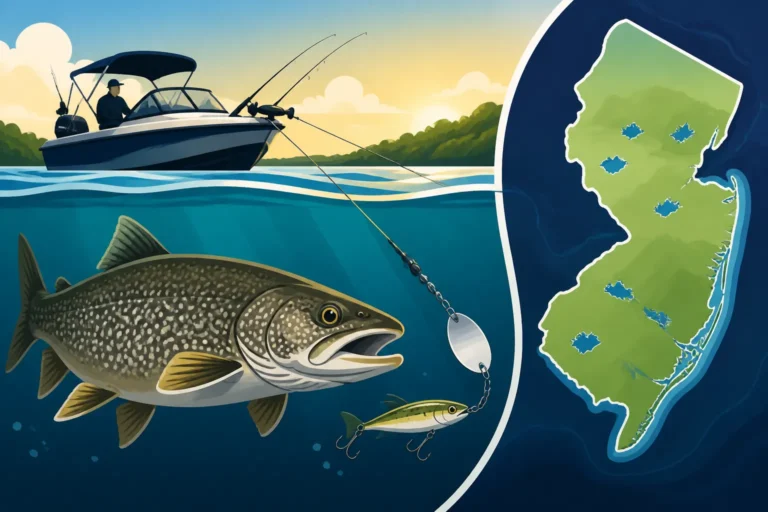
There's nothing quite like standing on the shore or drifting on a boat, full of anticipation, only to find the fish just aren't biting. A common culprit for these frustrating days is often a misunderstanding of how tidal movements, especially a rising tide, influence fish behavior. If you’ve ever wondered why some anglers seem to consistently pull in fish while others struggle, the secret might just be in mastering the ebb and flow. This guide is going to break down everything you need to know about fishing a rising tide in New Jersey, transforming your understanding of our dynamic coastal waters into more successful fishing trips.
Understanding the Dynamics of a Rising Tide in New Jersey
When you're out on the water, whether it's the vast expanse of Barnegat Bay or the swift currents of the Manasquan Inlet, the tide is more than just water moving in or out. It's a complex, living system that dictates where fish feed, where they hide, and when they're most active. Ignoring it is like trying to navigate a dense fog without a compass – you might get lucky, but chances are you’ll just be spinning your wheels.
What is a Rising Tide and Why Does it Matter?
Simply put, a rising tide, also known as an incoming or flood tide, is when the water level is increasing. It starts after the lowest point of the ebb tide (low slack) and continues until it reaches its highest point (high slack). In New Jersey, this can mean a significant change in water depth, especially in our shallower bays and estuaries. Think about it: during low tide, many areas are exposed mud flats or extremely shallow water, offering little cover or food for larger fish. As the tide pushes in, it systematically covers these areas, creating new hunting grounds and access points for fish.
This influx of water is incredibly important for several reasons. First, it brings cooler, oxygen-rich water from offshore or deeper channels into the shallower regions. This can invigorate fish, making them more active and willing to feed. Second, and perhaps most crucially, the rising water dislodges and carries bait. Small crustaceans, worms, and baitfish that were previously hiding in exposed mud or shallow pockets are now stirred up and carried with the current, creating an irresistible smorgasbord for predatory fish. It’s like ringing the dinner bell for striped bass, bluefish, and fluke alike. The difference between the Delaware Bay, which sees significant tidal swings, and the more constrained Barnegat Bay, with its gentler rise and fall, can dictate how aggressively fish react, but the principle remains the same.
Reading the Tide Chart and Predicting Prime Times
You wouldn't head to a concert without knowing the start time, and you shouldn't head out fishing without consulting a tide chart. These charts are your roadmap to understanding the ocean's rhythm, and they're readily available through countless apps, websites like NOAA's Tides & Currents, or even local bait shops. The key isn't just knowing when the tide is rising, but how it's rising and what that means for your fishing strategy.
A tide chart will show you the times for low tide, high tide, and the slack water periods in between. While some might think high tide is the best, often the most productive fishing happens during the middle to later stages of a rising tide. This is when the water movement is strongest, pushing the most bait, and before the fish have completely settled into the highest water. "Slack tide," the brief period of little to no current at the peak of high tide, can sometimes be a bit slower as the water settles before the ebb begins. However, fishing right at the beginning of the rise, or the last hour leading up to high slack, can be incredibly productive depending on the species and location. For instance, around specific choke points like the jetties at Sandy Hook or within the Barnegat Inlet, strong currents dictate feeding patterns, and fish will often stage themselves to ambush bait as it flows in. Learning to interpret these nuances will drastically improve your success. To truly master this, take a deeper dive into How to Read Tide Charts for Better Fishing in New Jersey to understand all the variables at play.
General Strategies for Fishing a Rising Tide
A rising tide means moving water, and moving water means active fish. But "active" doesn't mean they're just swimming aimlessly. They're moving with a purpose: to find food and take advantage of new territory. Understanding these general strategies will help you capitalize on the opportunities the incoming tide presents, no matter where you're casting your line in New Jersey.
Targeting Structure and Shorelines
As the water creeps higher, it begins to inundate structures and shorelines that were previously dry or too shallow. Think about those dock pilings that were half-exposed at low tide, or the submerged rocks near a jetty that now offer perfect ambush points. This newly covered real estate becomes prime territory for baitfish seeking shelter and, in turn, for larger predatory fish looking for an easy meal. Anglers need to adjust their focus from deep channels or offshore reefs to these newly accessible zones.
For instance, along the vast marshy edges of Great Bay or the expansive mudflats of Barnegat Bay, the rising tide allows striped bass and fluke to push into extremely shallow water, sometimes just a foot or two deep, to hunt for crabs, grass shrimp, and small baitfish. Kayak anglers and those with smaller boats can access these areas, casting soft plastics or topwater lures along the sod banks. For those fishing from shore or near piers, the incoming tide creates current around pilings and bridge abutments, concentrating bait and drawing in larger fish. Casting parallel to a jetty or working your bait slowly around the edges of a dock can be incredibly effective. Always remember to be mindful of your surroundings and boat traffic if you are fishing around structures, as many of these spots can get crowded. Understanding How to Fish Around Jetties Safely is crucial, especially during peak tidal flows.
Following the Bait Migration
Fish go where the food is, and the rising tide is a conveyor belt for marine delicacies. As the water moves in, it stirs up the bottom, dislodges organisms from their hiding spots, and carries schools of baitfish from deeper waters or open bays into shallower coves and estuaries. This isn't just about a few stray minnows; it can be massive schools of mullet, spearing, or even larger bunker, all pushed by the current.
Predatory fish like bluefish and striped bass are acutely aware of these movements. They will position themselves strategically to intercept the incoming food supply. This might mean lying in wait in a current seam, patrolling the leading edge of the incoming water, or pushing bait up against a bank. Anglers should pay close attention to signs of bait, such as nervous water, diving birds, or even subtle ripples, and then focus their efforts there. If you see mullet jumping frantically near a creek mouth on an incoming tide, you can bet there are hungry fish close by. Having your own supply of fresh bait is always a plus, and you can easily find affordable cast nets for catching your own spearing or bunker on platforms like Amazon, ensuring you always have the freshest offering. Learning How to Cast Net for Bait in New Jersey can give you a significant advantage, providing you with the exact bait the fish are already feeding on.
Species-Specific Approaches on a Rising Tide
While the general principles of fishing a rising tide apply across the board, different species react to the incoming water in unique ways. Tailoring your approach to the specific fish you're targeting will significantly boost your chances of success, turning a general fishing trip into a species-specific hunt.
Striped Bass and Bluefish
For many New Jersey anglers, striped bass and bluefish are the bread and butter of our coastal fisheries. These aggressive predators absolutely thrive on a rising tide, using the increased water flow and newly available terrain to their advantage. As the tide pushes in, especially through inlets like the Manasquan or along the many river mouths that feed into our bays, these fish will position themselves in current seams, behind structure, or along channel edges, waiting to ambush bait.
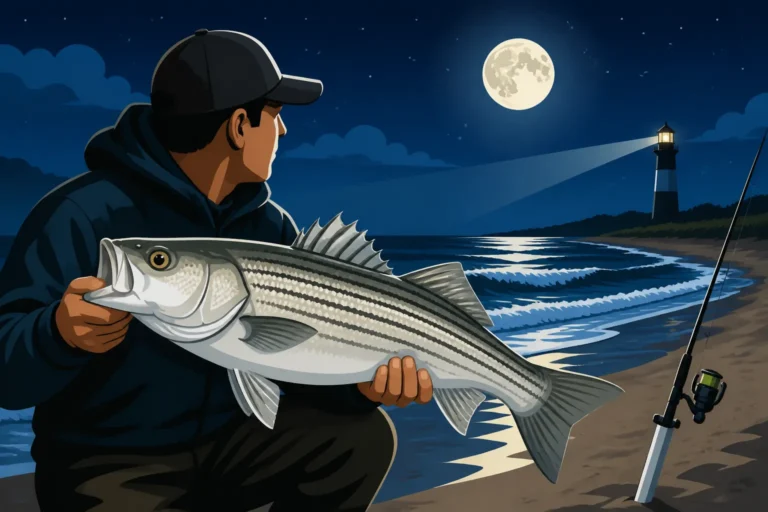
Striped bass, being masters of stealth and current, will often hold just out of the main flow, letting the current bring the food to them. They'll also patrol the edges of marsh grasses, especially in areas like the Mullica River, where baitfish like spearing and killifish seek refuge in the flooded vegetation. Casting artificials like soft plastics, swimming plugs, or bucktails (which you can find a great selection of on Amazon) into these current lines or along newly submerged structure can be incredibly effective. For bluefish, the rising tide often means feeding frenzies, particularly in the mid to late stages of the incoming water. Look for them busting bait near the surface, especially around major bay openings and surf zones. Poppers and metal lures are excellent choices for these toothy critters. To truly understand their movements, studying How to Fish for Striped Bass in New Jersey and pinpointing the Best Time of Year to Fish for Bluefish will offer even more detailed strategies for these iconic species.
Fluke and Other Bottom Dwellers
Fluke, also known as summer flounder, are another highly sought-after species in New Jersey, and they are masters of using the rising tide to their advantage. As the water comes in, it often washes over sandy flats and introduces new pockets of warmer water, stirring up the bottom and making crabs, worms, and small baitfish more accessible. This is when fluke move out of deeper channels and into shallower feeding zones.
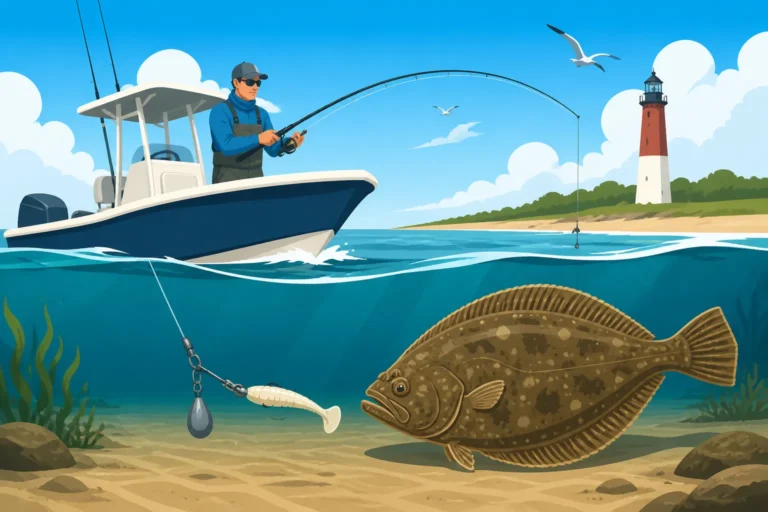
The key to catching fluke on a rising tide is often drift fishing. As your boat or kayak drifts with the incoming current, your bait or bucktail rig covers a lot of ground, mimicking the natural movement of prey. Target the edges of channels, the drop-offs of flats, and areas where there's some subtle structure. A properly weighted bucktail jig tipped with a Gulp! or a strip of natural bait, fished close to the bottom, is a deadly combination. Fluke will often bury themselves in the sand, camouflaged perfectly, waiting for the current to deliver a meal. As the tide rises, they become more active, moving into these newly flooded areas to feed. For a comprehensive guide on this technique, check out How to Drift Fish for Fluke which delves into various effective methods.
Weakfish and Tautog
While striped bass and fluke get a lot of attention, New Jersey's waters are also home to other fantastic species like weakfish and tautog, both of which respond positively to an incoming tide, albeit with different strategies.
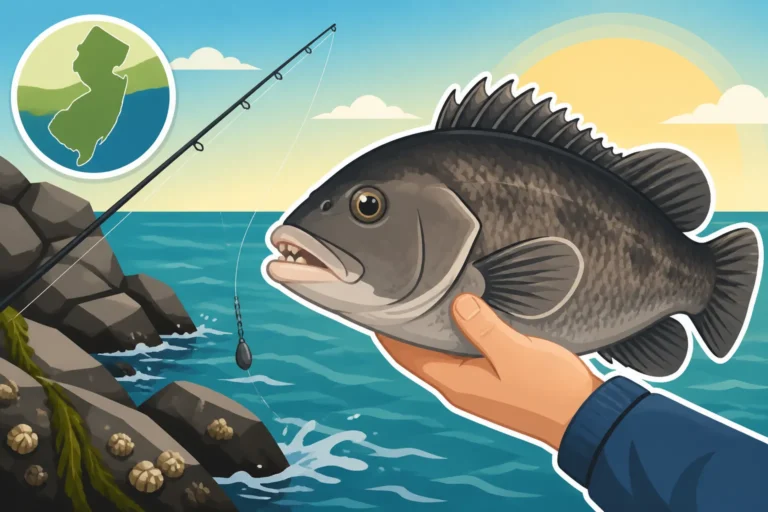
Weakfish, sometimes called sea trout, are beautiful, iridescent fish that will often move into the back bays and estuaries with the rising tide. They are particularly fond of areas with lush grass beds and oyster reefs, where the incoming water provides cover and a smorgasbord of shrimp, crabs, and small baitfish. Look for them in areas like Great Egg Harbor Bay or the mouth of the Mullica River. Soft plastic jigs, often in pink or chartreuse, fished slowly along the bottom or under a popping cork, are incredibly effective. The added water depth and current provided by the rising tide often make these fish more aggressive feeders. For more nuanced strategies, explore How to Catch Weakfish in New Jersey to understand their feeding behaviors. Tautog, or blackfish, on the other hand, are structure-oriented fish, preferring rocky bottom, wrecks, and mussel beds. While they don't necessarily "migrate" with the tide in the same way as other species, the increased water movement of a rising tide can often increase their feeding activity. The current dislodges crabs and other crustaceans from their hiding spots, making them easier prey. Fishing green crabs or white crabs on a jig or a snelled rig directly on or around structure like the jetties at Point Pleasant or any of New Jersey’s artificial reefs during a rising tide can yield excellent results. They're notoriously tricky, but the right technique and understanding of their habitat during an incoming tide are crucial. Master the art of targeting these tough fighters by learning How to Fish for Tautog Around Structure.
Gear and Tactics for Success on a Rising Tide
Having the right gear and knowing how to use it effectively can make all the difference when fishing a rising tide. It's not just about having a rod and reel; it's about matching your setup to the conditions and the specific behaviors of fish reacting to the incoming water.
Essential Rods, Reels, and Lines
Choosing the right tackle for a rising tide depends heavily on where you're fishing and what you're targeting. For surf fishing along the Jersey Shore, especially during a strong incoming swell, you'll want a longer, heavier surf rod – something in the 9- to 12-foot range capable of casting substantial weight and handling powerful striped bass or bluefish. Pair this with a robust spinning reel, sized 6000-8000, spooled with 30-50 lb braided line for its casting distance and sensitivity. For boat or kayak fishing in the bays, a medium-heavy rod around 7 feet with a 4000-5000 size spinning reel and 20-30 lb braid is more versatile for bucktailing fluke or casting plugs for bass along marsh edges.
The line choice is paramount. Braided line is often preferred for its lack of stretch, which provides superior sensitivity to feel subtle bites, and its thinner diameter, which cuts through the current better than mono, helping your lure or bait stay in the strike zone longer. Always use a fluorocarbon leader of appropriate strength (20-40 lb for most inshore species) for its abrasion resistance and invisibility underwater. This setup provides the backbone needed to fight strong fish in current, while still offering the finesse to present baits naturally. Many anglers find great deals on quality rods, reels, and braided lines from reputable brands on Amazon, allowing them to customize their setup without breaking the bank.
Lure and Bait Selection
The rising tide often means increased activity and new feeding opportunities for fish, which impacts your lure and bait choices. Since the incoming water pushes baitfish closer to shore and into shallower areas, "matching the hatch" becomes key. If you observe schools of spearing or mullet in the wash, use lures that mimic their size and profile.
For aggressive predators like striped bass and bluefish, topwater plugs and poppers can be exhilarating on a rising tide, especially during low light conditions or when fish are pushing bait against a bank. Swimming plugs, soft plastic jerkbaits, or paddle tails rigged on jig heads are also highly effective, mimicking fleeing baitfish. Bucktail jigs, often tipped with a Gulp! shrimp or minnow (easily stocked up on via Amazon), are indispensable for fluke, especially when drifting over flats or fishing channel edges where they forage. For bottom-dwelling species like tautog, fresh green crabs or clam are often irresistible. Live bait, such as bunker (menhaden), spot, or mullet, can be exceptionally potent, especially when fished on a free-lined rig or under a bobber in current seams where stripers and bluefish lie in wait. The increased current helps disperse the scent of natural bait, making it even more attractive.
Mastering the Cast and Retrieve
Even with the perfect gear and bait, your presentation can make or break your day on a rising tide. The key is to understand how the current influences your cast and retrieve, and to use it to your advantage. When fishing from shore or a boat in moving water, you generally want to cast up-current and retrieve with the current. This allows your lure or bait to drift naturally, appearing as an easy meal being swept along. Casting directly into the current will make your lure move unnaturally fast or cause it to "flag" out of the strike zone.
For surf fishing, especially on a rising tide when waves are pushing water onto the beach, focus your casts to target troughs, sandbars, and wash zones. Often, casting parallel to the beach or slightly up-current, rather than straight out, can keep your bait in the most productive zone longer. When retrieving, vary your speed and action, but always maintain tension to feel for bites. Sometimes a slower, more deliberate retrieve is best, allowing your lure to tumble naturally, while other times a faster retrieve might entice a reactionary strike from an aggressive fish. Practice makes perfect, and understanding your local currents is crucial. For those looking to add some distance to their casts, especially in challenging surf conditions, learning How to Cast Farther When Surf Fishing will significantly increase your reach and opportunities.
Location-Specific Tips for New Jersey Waters
New Jersey's diverse coastline offers a myriad of fishing opportunities, but how you approach a rising tide will vary greatly depending on whether you're in a calm bay, a fast-moving inlet, or the pounding surf. Each environment presents unique challenges and rewards that demand specific tactics.
Bays and Estuaries (Barnegat Bay, Great Bay, Raritan Bay)
New Jersey's expansive bays and estuaries, like the iconic Barnegat Bay, the productive Great Bay, and the vast Raritan Bay, are phenomenal fisheries during a rising tide. As the tide pushes in, these relatively shallow, protected waters slowly flood, bringing life to vast mud flats, oyster beds, and marsh grass edges that were inaccessible at low tide. This creates a smorgasbord for fish.
The key here is to target the edges of these newly submerged areas. Striped bass and bluefish will cruise the perimeter of sod banks and marsh islands, pushing into surprisingly shallow water to ambush baitfish and crabs. Fluke will move out of deeper channels and spread across the flats, burying themselves in the sand, waiting for food to drift by. For kayak or small boat anglers, slowly working soft plastics or shallow-diving plugs along these edges can be incredibly effective. Shore anglers can target creek mouths and small tidal guts where the incoming water funnels bait. The water column in these bays also becomes more active, with suspended bait attracting predators. Pay close attention to current lines where water from deeper channels meets the shallower flats. For specific insights into one of New Jersey's most popular bay systems, refer to our guide on Barnegat Bay Bluefish and Fluke Spots.
Inlets and River Mouths (Manasquan Inlet, Shark River Inlet, Delaware River)
Inlets and river mouths are natural choke points for tidal flow and fish migration, making them incredibly productive during a rising tide. Places like the Manasquan Inlet, Shark River Inlet, and the lower sections of the Delaware River become superhighways for bait and predators. The incoming tide creates strong currents, eddies, and rips around jetties, bridge pilings, and rocky outcrops.
Fish will stack up in these areas, using the structure and current breaks to their advantage. Striped bass and bluefish will lie in wait in eddies, darting out to snatch unsuspecting baitfish as they're swept past. Tautog will become more active around the rocky jetties and submerged structures, feeding on dislodged crabs and mussels. For anglers, casting heavy jigs, large swimming plugs, or live bait into the current and allowing it to swing into the eddies or along the structure is a proven tactic. Be mindful of boat traffic and strong currents, especially if fishing from shore on the jetties. The sheer volume of water moving in and out creates a constantly changing environment, so being adaptable and observant is key. Our detailed guide on the Manasquan Inlet Fishing Guide offers specific advice for tackling this popular hotspot.
The Open Ocean and Surf Zone (Island Beach State Park, Long Beach Island)
Fishing the open ocean and surf zone during a rising tide presents a different set of opportunities and challenges. Along stretches like Island Beach State Park or the sandy shores of Long Beach Island, the incoming tide means waves are pushing further up the beach, creating productive wash zones and bringing bait closer to shore.
For surf casters, the rising tide often enhances the formation of troughs and cuts closer to the beach, which become prime feeding lanes for striped bass, bluefish, and even some fluke. As the waves break and recede, they create a "wash" where sand eels, crabs, and dislodged baitfish are stirred up and become easy prey. Anglers should focus on casting into these areas, using heavy baits like bunker chunks or large lures that can penetrate the surf and stay in the strike zone. The key is to read the waves and understand how the incoming water reshapes the immediate beachfront, looking for darker, deeper water or areas where bait might congregate. Remember that conditions can change rapidly in the surf, so safety is always paramount. For those who love the challenge of beach fishing, mastering New Jersey Surf Fishing Techniques will provide invaluable knowledge to maximize your success in this dynamic environment.
Rising Tide Fishing Strategies by Species & Location
| Species / Location | Prime Rising Tide Strategy | Recommended Bait/Lure | Key Tip for Rising Tide |
|---|---|---|---|
| Striped Bass | Ambush points in inlets/bays, current seams, marsh edges | Live bunker, swimming plugs, soft plastics, bucktails | Cast up-current and let bait/lure drift naturally into structure. |
| Bluefish | Blitzing bait schools in bays/surf, points of current | Poppers, metal lures, chunks of bunker | Look for diving birds or nervous water; fast, erratic retrieve. |
| Fluke | Drifting over newly flooded flats and channel edges in bays | Bucktail jigs tipped with Gulp!, live minnows, squid strips | Drift slowly with the current, maintaining bottom contact. |
| Weakfish | Grass beds and oyster reefs in back bays, creek mouths | Soft plastic jigs (pink/chartreuse), live shrimp | Fish lighter tackle, slow retrieve, focus on clean water areas. |
| Tautog | Rocky jetties, wrecks, bridge pilings in inlets/nearshore | Green crabs, fiddler crabs, clam | Fish directly on structure; be prepared for a strong, quick bite. |
| Surf Fishing | Troughs, sandbars, and wash zones near the beach | Heavy bucktails, chunks of bunker, large swimbaits | Cast parallel to the beach or into obvious cuts and holes. |
| Bay Fishing | Sod banks, marsh edges, creek entrances | Soft plastics, shallow plugs, live spearing/mullet | Explore shallow water with good current flow; watch for fleeing bait. |
| Inlet Fishing | Eddies, current breaks behind jetties/pilings | Live eels, bucktails, large swimming plugs | Focus on the transition zones where fast water meets slack water. |
Disclaimer
The information provided in this guide is for general informational purposes only. Fishing regulations in New Jersey, including bag limits, size limits, and seasons, are subject to change. Always consult the latest New Jersey Fish and Wildlife Digest or their official website before heading out to fish. Adhere to all local, state, and federal laws and regulations. Fishing can be dangerous; always prioritize safety and wear appropriate personal flotation devices when on the water.