Fishing Oak Ridge Reservoir for Bass
For many New Jersey anglers, the thought of finding a hidden gem for bass fishing, a quiet, pristine lake where monster largemouth and smallmouth lurk, is a dream. Oak Ridge Reservoir, nestled in the picturesque highlands of Sussex County, often catches the eye of those poring over maps, its sparkling waters promising untold fishing adventures. However, the reality of fishing this particular body of water is often a source of confusion and disappointment for those who don't know its specific access rules. This guide will clarify the situation at Oak Ridge Reservoir and then pivot to show you where you can find fantastic bass fishing experiences in New Jersey, complete with practical advice for making the most of your trip.
The Reality of Fishing Oak Ridge Reservoir
It’s completely understandable why Oak Ridge Reservoir would pique an angler's interest. From satellite images, it looks like a prime piece of bass habitat – deep, irregular shorelines, coves, and plenty of structure. But the truth is, this reservoir, like several others in the region, operates under very specific regulations that make public recreational fishing, especially for bass, largely impractical or outright forbidden.
Public Access and Water Supply Restrictions
The most crucial detail about Oak Ridge Reservoir is its primary function: it's a vital part of the Pequannock River Watershed, serving as a drinking water supply for the city of Newark and surrounding communities. When a body of water is designated as a public drinking water source, its management prioritizes water quality and purity above almost everything else. This often means that human recreational activities, which can introduce pollutants, disturb sensitive ecosystems, or pose security risks, are severely restricted or completely prohibited.
For Oak Ridge Reservoir, this translates into very stringent rules. Historically, public boating, kayaking, canoeing, and even shore fishing have generally not been permitted. The watershed lands are carefully managed, and access is controlled. This isn't just about protecting the fish; it's about safeguarding the drinking water for hundreds of thousands of residents. These restrictions are common for other major reservoirs in the Newark Watershed system, such as Clinton Reservoir, Echo Lake, and Macopin Reservoir, all of which are beautiful but largely off-limits to the casual angler. It's a tough pill to swallow when you see such pristine water and know what might be swimming in it, but the public good, in this case, outweighs recreational opportunities.
What These Restrictions Mean for Bass Anglers
For the dedicated bass angler dreaming of casting a frog over lily pads or flipping a jig into submerged timber at Oak Ridge, these restrictions effectively close the door. Without access for boats – whether motorboats, kayaks, or even float tubes – and with shore access heavily regulated or banned, traditional bass fishing methods become impossible. This can be incredibly frustrating. You see the potential, you envision the fight of a big largemouth, but the regulations simply don't allow for it.
It's not that there aren't bass in Oak Ridge; historical surveys and anecdotal evidence from those with authorized access suggest a healthy population of both largemouth and smallmouth bass, along with various panfish and pickerel. The problem isn't the fish; it's the stringent, necessary rules designed to protect a municipal water source. So, while Oak Ridge Reservoir might look like a bass fishing paradise on paper, in reality, it remains largely an untouchable one for the average angler.
Understanding the Ecosystem (Even If You Can't Fish It)
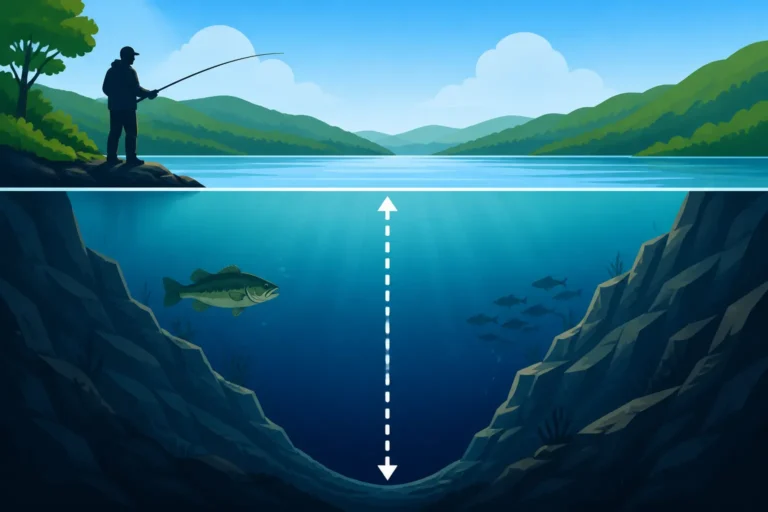
Even though you likely won't be casting a line into Oak Ridge, understanding its potential helps explain the allure. Reservoirs like Oak Ridge typically feature varied underwater topography. You'd expect to find deep drop-offs, rocky points, submerged humps, and possibly old roadbeds or foundations from when the area was flooded. These features create perfect ambush points and foraging grounds for bass. Largemouth bass would likely congregate in shallower, weedy coves, around fallen timber, and near any emergent vegetation, particularly during warmer months. Smallmouth bass, known for their preference for cooler, clearer water and rocky structures, would probably hold to deeper main lake points, humps, and ledges.
The forage base would also be rich, likely including various panfish (perch, crappie, bluegill), shiners, and possibly alewife or gizzard shad, providing an abundant food source for growing bass. The water quality, being protected for drinking, would generally be excellent, contributing to healthy fish populations. It's this combination of ideal habitat and a protected environment that makes Oak Ridge so tempting, even as its access remains elusive.
Exploring Accessible Bass Fishing Alternatives in Northern New Jersey
While Oak Ridge Reservoir might be off-limits, New Jersey, particularly its northern regions, offers an abundance of incredible, accessible bass fishing opportunities. Don't let the Oak Ridge situation deter you; there are plenty of places to wet a line and chase trophy bass.
Lake Hopatcong: A Premier Bass Destination
If you're looking for a serious bass fishing experience in New Jersey, look no further than Lake Hopatcong. As the state's largest freshwater lake, it's a true gem and a far cry from the restricted access of Oak Ridge. Lake Hopatcong boasts fantastic populations of both largemouth and smallmouth bass. The lake is vast, covering over 2,500 acres, and offers diverse habitat perfect for bass. You'll find extensive weed beds, rocky points, docks, submerged structures, and varying depths, providing endless opportunities for anglers using all sorts of techniques.
During the spring, pre-spawn largemouth can be found staging in shallower coves and along transition lines. As summer progresses, they move to deeper weed lines, docks, and submerged structures. Smallmouth bass thrive in the clearer, deeper sections of the lake, particularly around rocky areas and humps. There are numerous public boat launches, including those at Hopatcong State Park and Lee's County Park Marina, allowing easy access for all types of boats. Shore access is available at various parks and public areas, making it accessible even if you don't have a boat. Lake Hopatcong is also a popular spot for tournaments, a testament to its healthy bass population. If you're looking to dive deeper into this incredible fishery, you might want to check out our detailed guide on Fishing Lake Hopatcong: New Jersey's Largest Lake.
Other Productive Lakes and Reservoirs
Beyond Lake Hopatcong, northern New Jersey is dotted with other excellent bass waters that are open to public fishing:
-
Spruce Run Reservoir: Located in Hunterdon County, Spruce Run is another large reservoir known for its substantial largemouth bass population. It also holds striped bass (a freshwater strain) and muskies, making it an exciting multi-species fishery. Public boat launches are available, and the reservoir offers plenty of shoreline access. The varied structure, from submerged timber to rocky points, makes it an excellent place to target bass with crankbaits, jigs, and soft plastics. You can explore more about this fantastic location in our Spruce Run Reservoir Fishing Guide.
-
Monksville Reservoir: Situated in Passaic County, Monksville is a beautiful, scenic reservoir that provides excellent fishing for both largemouth and smallmouth bass. Its deep, clear waters and rocky shorelines are particularly good for smallmouth. Electric motors only are permitted here, making it a peaceful fishing experience, ideal for kayaks, canoes, and small boats. The reservoir has several coves and points that hold bass, especially around submerged brush and rock piles. For more detailed insights, take a look at our Monksville Reservoir Fishing Guide.
-
Greenwood Lake: Shared with New York State, Greenwood Lake is another large body of water offering superb bass fishing. It’s particularly known for its largemouth bass, but smallmouth are present too. The lake features numerous docks, weed beds, and rocky areas. You can launch boats on both the New Jersey and New York sides, but be mindful of licensing if you cross state lines. For those interested in its unique challenges and opportunities, our Greenwood Lake Fishing Guide provides a comprehensive overview.
River Systems for Smallmouth Bass
If you prefer the challenge and beauty of river fishing, New Jersey's river systems offer exceptional smallmouth bass opportunities, a species that thrives in flowing water and rocky environments.
-
Delaware River: The majestic Delaware River, forming the western border of New Jersey, is a world-class smallmouth bass fishery. From Port Jervis down to Trenton, the river offers miles of prime habitat with rapids, riffles, eddies, and large rock gardens. Floating sections in a canoe or kayak is a popular and highly effective way to target smallmouth. You can wade fish many sections as well. Smallmouth here readily hit tube baits, spinnerbaits, crankbaits, and topwater lures. The experience of fishing the Delaware is truly unique. To learn more about this incredible waterway, read our Delaware River Smallmouth Bass Fishing guide.
-
Raritan River: While perhaps less famous for smallmouth than the Delaware, sections of the Raritan River, especially its North and South Branches, can offer solid smallmouth action, particularly in the rockier, faster-flowing stretches. These areas also hold largemouth bass in the slower pools and backwaters, providing a diverse riverine experience closer to Central Jersey.
This table provides a quick overview of some top bass fishing alternatives to Oak Ridge Reservoir:
| Lake/Reservoir | Primary Bass Species | Key Features for Bass | Boat Access | Shore Access | Special Regulations (if any) |
|---|---|---|---|---|---|
| Lake Hopatcong | Largemouth, Smallmouth | Diverse weeds, docks, rocks, deep areas | Public Launches | Good | Standard NJ regs |
| Spruce Run Reservoir | Largemouth, Striped Bass | Submerged timber, rocky points, open water | Public Launches | Excellent | Standard NJ regs |
| Monksville Reservoir | Largemouth, Smallmouth | Clear water, rocky structure, coves | Public Launches | Limited | Electric motors only |
| Greenwood Lake | Largemouth, Smallmouth | Docks, weed beds, rocky areas, shared NY waters | Public Launches | Fair | NY license for NY waters |
| Delaware River | Smallmouth | Rapids, riffles, rock gardens, current | Many access points | Good (wading) | Reciprocity with PA |
Planning Your New Jersey Bass Fishing Adventure
Now that you know where to go, let's talk about how to prepare for a successful bass fishing trip in New Jersey's accessible waters.
Essential Gear for New Jersey Bass Fishing
Having the right gear makes a huge difference, especially when you're targeting adaptable fish like bass in varied environments.
- Rods and Reels: For largemouth bass, a medium-heavy to heavy action casting rod (6'6" to 7'6") paired with a baitcasting reel is versatile for flipping, pitching, and throwing heavier lures. A medium action spinning rod (6'6" to 7'0") with a spinning reel is ideal for finesse techniques, lighter lures, and smallmouth bass.
- Line:
- Braided Line: Excellent for strength, sensitivity, and cutting through weeds. Use 30-50 lb test for heavy cover, often with a fluorocarbon leader.
- Fluorocarbon Line: Nearly invisible underwater, very sensitive, and abrasion-resistant. Great for jigs, worms, and crankbaits. 10-20 lb test is common.
- Monofilament Line: Good all-around line, more forgiving with stretch, and floats, making it good for topwater baits. 10-17 lb test.
- Must-Have Lures and Baits: Bass can be finicky, so a diverse tackle box is key.
- Soft Plastics: These are arguably the most versatile. Senkos, stick baits, creature baits (e.g., Strike King Rage Craw), swimbaits (e.g., Keitech Swing Impact), and curly-tail worms are essential. Rig them Texas-style, wacky-style, or on a Ned rig.
- Jigs: Flipping jigs, casting jigs, and football jigs are fantastic for targeting bass around structure. Black and blue, green pumpkin, and brown are staple colors.
- Crankbaits: Squarebill crankbaits for shallow cover, medium-diving crankbaits for intermediate depths, and deep-diving crankbaits for open water humps.
- Topwater Lures: Frogs (e.g., Livetarget Frog), poppers, and walking baits (e.g., Heddon Super Spook) are exhilarating to use, especially in low light or over weeds.
- Spinnerbaits & Chatterbaits: Great for covering water and fishing around sparse cover. White, chartreuse, and natural patterns are productive.
- Terminal Tackle: A selection of hooks (EWG, worm hooks, drop-shot hooks), weights (bullet weights, drop-shot weights), and swivels.
Navigating Licenses and Regulations
No matter where you choose to fish in New Jersey, understanding and adhering to the state's fishing regulations is paramount.
- Fishing License: Every angler aged 16 to 69 needs a valid New Jersey freshwater fishing license. It's easy to purchase one online, at a licensed agent, or at a local tackle shop. Make sure to consult our comprehensive New Jersey Fishing License Guide for 2026 for all the details.
- Bag and Size Limits: New Jersey has specific bag and size limits for various species, including largemouth and smallmouth bass. These regulations can change annually, so always check the current New Jersey Fish and Wildlife Digest before heading out. Understanding How Bag and Size Limits Work in New Jersey will prevent any legal issues.
- Season Dates: While bass are generally open year-round, there might be specific regulations or catch-and-release periods depending on the body of water. Stay informed about New Jersey Fishing Season Dates and Closures.
- Special Regulations: Some lakes or reservoirs may have unique rules, such as electric-motors-only restrictions (like Monksville Reservoir) or specific bait prohibitions. Always check local signage or the Fish and Wildlife Digest for the specific water body you plan to visit.
Finding Local Expertise and Resources
Even with a detailed guide, local knowledge can be invaluable. Don't underestimate the power of connecting with other anglers or professionals.
- Local Tackle Shops: These are goldmines of information. Staff at shops like Ramsey Outdoor or other independent local tackle stores can provide up-to-the-minute reports on what's biting, what lures are working, and specific tips for the lakes and rivers in their area.
- Online Forums and Social Media Groups: New Jersey fishing communities online are very active. You can find real-time reports and connect with experienced local anglers.
- Fishing Guides: For a truly productive and educational experience, consider hiring a local fishing guide, especially if you're new to a particular lake or technique. A guide can teach you the nuances of a water body and dramatically shorten your learning curve. Platforms like FishingBooker make it incredibly easy to find and book experienced, licensed guides for a variety of species and locations across New Jersey. While you won't find guides for the restricted Oak Ridge Reservoir, you'll certainly find excellent bass fishing guides for Lake Hopatcong, Spruce Run, or the Delaware River on FishingBooker, offering invaluable insights and increasing your chances of a successful day on the water.
Responsible Angling and Conservation
As passionate anglers, it's our responsibility to protect New Jersey's precious fishing resources for future generations.
Catch and Release Best Practices
Bass fishing, especially for larger fish, often involves catch and release. Proper handling is critical for the fish's survival.
- Minimize Stress: Land fish quickly to reduce exhaustion.
- Wet Hands: Always wet your hands before handling a fish to protect its protective slime coat.
- Support the Fish: If holding a bass vertically by the jaw, support its body weight with your other hand. Avoid holding large bass horizontally by the lip alone, as this can damage their jaw.
- Remove Hooks Carefully: Use needle-nose pliers or a de-hooking tool to remove hooks gently. If a fish is deeply hooked, cut the line as close to the hook as possible rather than trying to rip it out.
- Revive Gently: If a fish seems sluggish, hold it gently in the water, facing into the current, until it can swim away strongly on its own.
Protecting New Jersey's Waterways
Beyond fish handling, general conservation practices are vital.
- Leave No Trace: Always pack out everything you pack in. Never leave trash, fishing line, or discarded bait on the banks or in the water.
- Prevent Invasive Species: Clean, Drain, Dry your boat, kayak, and gear between fishing trips, especially when moving between different water bodies. This prevents the spread of invasive plants and animals that can devastate native ecosystems.
- Respect Private Property: Be mindful of private property signs and never trespass. Stick to public access points and observe all posted rules.
- Report Violations: If you witness any fishing or environmental violations, report them to the New Jersey Division of Fish and Wildlife's Conservation Police.
While Oak Ridge Reservoir may remain a beautiful but largely inaccessible mystery for bass fishing, New Jersey offers a vibrant and diverse landscape of lakes, rivers, and reservoirs where the pursuit of largemouth and smallmouth bass is not only permitted but thrives. By understanding the rules, preparing with the right gear, and embracing responsible angling practices, you're sure to find your next great bass fishing adventure in the Garden State.
Disclaimer
The information provided in this guide is for general informational purposes only and is subject to change. Fishing regulations, license requirements, and access rules for specific bodies of water in New Jersey are determined by the New Jersey Division of Fish and Wildlife and may be updated periodically. Anglers are solely responsible for checking the most current regulations, bag limits, and season dates before engaging in any fishing activities. Always consult the official New Jersey Fish and Wildlife Digest or visit the NJDEP Fish & Wildlife website for the latest and most accurate information.