How to Fish for Fluke in New Jersey
The thrill of chasing fluke along the New Jersey coast is something truly special, but let's be honest, it can also be incredibly frustrating. One day they're everywhere, biting anything you throw at them, and the next, it feels like the ocean is completely empty, leaving you scratching your head. This guide is here to cut through the confusion and equip you with the knowledge, techniques, and insider tips you need to consistently put these elusive flatfish in your cooler, from the back bays to the open ocean.
Understanding New Jersey Fluke The Summer Flounder Challenge
Before we even talk about rods and reels, it’s important to understand the fish you’re after. Fluke, or summer flounder as they’re officially known, are fascinating creatures perfectly adapted to their environment. Knowing their habits and preferences is the first step to becoming a more successful angler, turning those "empty ocean" days into productive ones.
Fluke vs. Summer Flounder What's in a Name
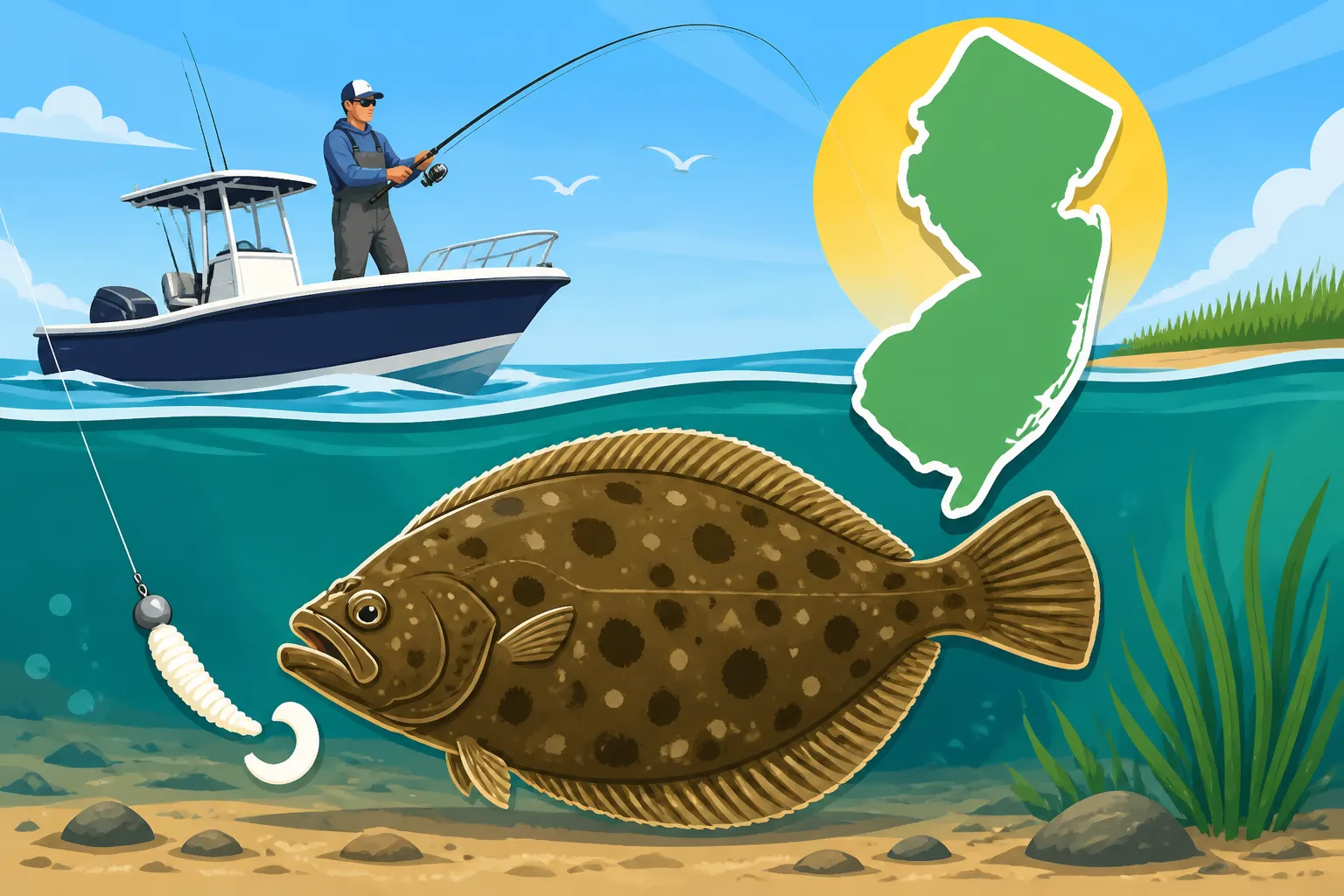
You'll hear them called both "fluke" and "summer flounder" interchangeably, and honestly, they're the same fish! Paralichthys dentatus is their scientific name, but most anglers along the Jersey Shore just stick with fluke. They're one of the most popular game fish in New Jersey, and for good reason. They put up a decent fight, are fantastic table fare, and chasing them provides an excellent excuse to be out on the water during the beautiful summer months.
The popularity of fluke means there's a lot of fishing pressure, which makes them wary. Understanding their feeding habits and how they relate to the structure around them is key. They're not like some other fish that actively school and chase down prey in open water; fluke are masters of ambush, preferring to lie in wait for an unsuspecting meal to swim by. This distinct predatory style dictates much of the strategy we employ to catch them.
Beyond just the sport, fluke fishing holds a special place in the hearts of many New Jersey anglers. It’s often one of the first saltwater species a beginner learns to target, and the excitement of that first legal-sized fluke hitting the deck is unforgettable. Even seasoned veterans still get a kick out of a good fluke bite, especially when you're working a bucktail jig and feel that distinct "thump" of a fish engulfing your lure.
Fluke Behavior and Habitat Where They Hide
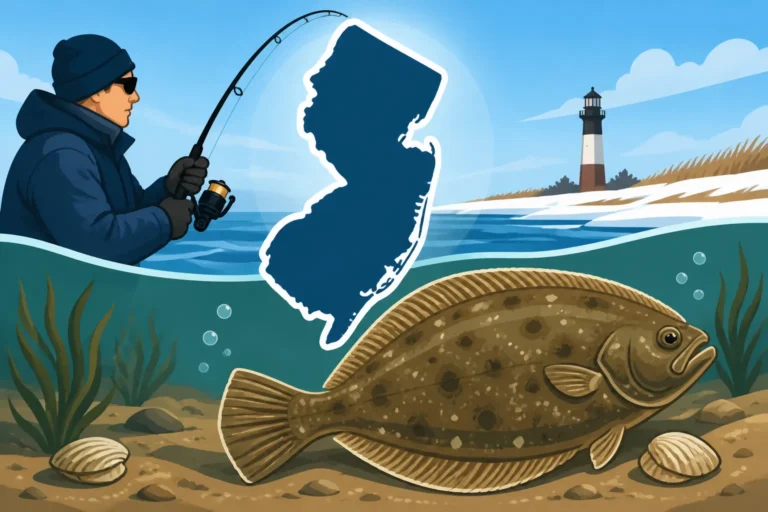
Fluke are masters of camouflage, blending almost seamlessly into the sandy or muddy bottoms where they spend most of their time. They're ambush predators, meaning they lie flat, often partially buried, waiting for baitfish, squid, or crabs to swim within striking distance. This behavior tells us a lot about where we should be looking for them: anywhere there's structure, a current seam, or a depth change that creates a good ambush point. Think about it from their perspective: they want to be comfortable, hidden, and have food delivered right to them.
Their preferred habitats range from the shallow, sandy flats of our back bays to deeper ocean wrecks and reefs. In the bays, you'll often find them along channel edges, oyster beds, around bridge pilings, or even just in pockets of slightly deeper water on a flat. Out in the ocean, they gravitate towards natural rock piles, artificial reefs, and the edges of underwater humps and ledges. They use these features to break the current, conserve energy, and hide from their prey.
Water temperature also plays a significant role in where fluke decide to hang out. As the water warms in the spring, they move into the shallower, warmer bays and estuaries. As summer progresses and bay waters get very warm, many will shift to cooler, deeper ocean waters. This seasonal movement means that your tactics and chosen spots might need to change throughout the fishing season to keep up with their migration. Understanding this pattern is crucial for successful New Jersey Fluke Fishing.
Life Cycle and Migration Following the Food
Fluke have an interesting life cycle that sees them move between our bays and the offshore waters. They typically spawn offshore in the late fall and early winter, often in waters 70 to 150 feet deep. After spawning, the eggs hatch, and the tiny larval fluke begin their journey back towards the coast. During this larval stage, one of their eyes actually migrates to the other side of their head, allowing them to lie flat on the bottom with both eyes facing upwards – a truly unique adaptation.
Juvenile fluke spend their first year or two in the nutrient-rich, protected waters of our estuaries and shallow bays. Places like Barnegat Bay and Great Egg Harbor Bay are vital nursery grounds, offering abundant food and shelter from larger predators. As they grow, these young fluke gradually move into deeper bay channels and eventually out into the ocean, following the warmer waters and their primary food sources. This is a continuous cycle, with new generations constantly moving through our waters.
Their seasonal migrations are primarily driven by water temperature and the availability of food. In spring, as ocean waters warm, adults migrate back inshore and into the bays, seeking out abundant baitfish. As summer heat intensifies, many larger fluke will move back out to cooler, deeper ocean waters, especially after the baitfish like spearing and peanut bunker become more prevalent offshore. In the fall, as water temperatures drop, they embark on their offshore migration again to spawn. Understanding these patterns helps you predict when and where you're most likely to encounter a good bite.
Essential Gear for Fluke Fishing in New Jersey
Having the right tools for the job can make a world of difference when chasing fluke. While you can certainly catch a fluke on just about any rod and reel, optimizing your setup will increase your bite detection, casting distance, and overall success, making your time on the water much more enjoyable. Don't let someone tell you that cheap gear is just as good, because when that trophy fluke hits, you'll want to be prepared.
Rods, Reels, and Line The Right Setup
For fluke fishing, a sensitive yet strong setup is paramount. You need to feel those subtle "taps" that often indicate a fluke mouthing your bait, but also have enough backbone to handle a good-sized fish and keep it away from snags. A medium-light to medium-heavy action spinning rod, typically in the 6'6" to 7'6" range, is a popular choice for bay and inshore ocean fishing. Look for a fast or extra-fast tip action to enhance sensitivity. For heavier bucktailing or deeper water, some anglers prefer conventional setups, offering more direct line contact and cranking power.
Pair your rod with a quality spinning reel in the 2500 to 4000 size class, or a small, lightweight conventional reel if that's your preference. Brands like Penn, Shimano, and Daiwa offer excellent options that are durable enough for saltwater use. Spool your reel with braided line, usually 10 to 20 lb test, as its thin diameter and lack of stretch provide incredible sensitivity and casting distance. The sensitivity of braid is a game-changer for feeling those light fluke bites.
It's absolutely crucial to attach a fluorocarbon leader to your braided mainline. Braided line is highly visible underwater, and fluke are known to be line-shy. A 2-to-4-foot section of 15 to 30 lb test fluorocarbon leader, tied to your braid with a reliable knot like a FG knot or an Albright knot, will give you that invisible connection to your lure while providing abrasion resistance. Many anglers, myself included, often stock up on their braided lines and fluorocarbon leaders through convenient online platforms like Amazon to ensure they always have fresh line.
Terminal Tackle Rigs, Hooks, and Sinkers
Your terminal tackle is where the rubber meets the road, or rather, where your bait meets the fluke. The most common and effective rig for fluke is a simple hi-lo rig or a dropper loop rig. These typically feature two hooks spaced about 12-18 inches apart, allowing you to present two different baits or lures at once, or simply offer two chances at a hookup. A simple snelled hook directly to your leader, with a sliding sinker, also works wonderfully, especially for a more natural presentation.
When it comes to hooks, sharp is key! Octopus or Kahle style hooks are popular for fluke, allowing for a good hookset without being overly large. Sizes typically range from 2/0 to 4/0, depending on the size of your bait and the expected size of the fluke. Remember, fluke have surprisingly large mouths, but they often "test" the bait first. Using a quality, sharp hook ensures that when they commit, you have the best chance of a solid hookup.
Sinkers are essential for getting your bait to the bottom and keeping it there, especially in current. The weight you need will vary dramatically based on the depth, current strength, and even your drift speed. Pyramid sinkers are common for their ability to hold bottom, while bank sinkers or coin sinkers are good for drifting. Always carry a range of weights, from 1/2 ounce up to 6 ounces or more, so you can adapt to changing conditions. You want just enough weight to maintain bottom contact without being excessively heavy, which can dull your feel for the bite.
Must-Have Accessories Beyond the Basics
While rods, reels, and terminal tackle are the stars of the show, a few essential accessories can truly enhance your fluke fishing experience and ensure you're prepared for anything. First and foremost, a landing net is an absolute lifesaver. Trying to boat a large fluke with a flimsy line and a lively fish often ends in heartbreak at the side of the boat. A rubberized or knotless net is ideal as it's gentler on the fish (if you plan on releasing it) and prevents hooks from getting tangled.
Next up, a good pair of fishing pliers and a sharp knife are non-negotiable. Pliers are indispensable for safely removing hooks, cutting line, and even crimping sleeves. A sharp knife is vital for cutting bait, cleaning fish, and handling lines in a pinch. Consider investing in saltwater-specific tools, as they are designed to resist corrosion, a common problem in the harsh marine environment. Many multi-tool pliers designed for fishing are available, offering convenience.
Finally, don't forget the measuring device and a cooler with ice. New Jersey has strict size and bag limits for fluke, so having a reliable measuring board or tape measure is absolutely critical to stay legal. And if you're planning on keeping your catch for dinner, getting those fluke on ice immediately will ensure they stay fresh and delicious. A large cooler can also double as extra seating on a crowded boat, adding to its utility. Some anglers even prefer a tackle bag for their gear, making it easy to carry and organize various rigs, weights, and lures, and you can find a wide selection of these bags on Amazon.
Top Baits and Lures for New Jersey Fluke
Fluke are not particularly picky eaters, but they do respond better to certain presentations and scents. Having a variety of baits and lures in your arsenal will allow you to adapt to whatever the fish are keying in on that particular day, which can often be the difference between a full cooler and a frustrating skunking.
Live Bait The Natural Advantage
When it comes to sheer effectiveness, live bait is often hard to beat for fluke, especially for enticing larger, more wary fish. The natural movement and scent of a lively baitfish or crustacean is simply irresistible. Spearing (also known as silversides) are perhaps the most popular and readily available live bait for fluke in New Jersey. They're small, shiny, and widely distributed throughout our bays and inshore waters. Hook them through the lips or behind the dorsal fin for a natural presentation on a fluke rig.
Another excellent live bait, particularly for bigger fluke, are killifish (also called mud minnows). These hardy little fish can withstand a lot of abuse and stay lively on the hook for a long time. They're often found in shallow, muddy areas and tidal creeks. Peanut bunker, small juvenile menhaden, are also phenomenal live baits when you can find them. Their oily nature creates a strong scent trail that can draw fluke in from a distance.
When using live bait, presentation is key. You want the bait to look as natural as possible, mimicking an injured or lost fish. Drift fishing with live bait allows it to cover ground and present itself to more fluke. Pay attention to how the bait swims – sometimes a fluke will just "slurp" it in without much fanfare, so feeling for any unnatural resistance or pressure on your line is crucial. A simple snelled hook through the lips or nose of a live baitfish, allowing it to swim freely, is often the most effective presentation.
Cut Bait Scent and Presentation
While live bait offers movement, cut bait excels in delivering a strong scent trail that can call fluke in. Squid strips are probably the most universally effective and widely used cut bait for fluke in New Jersey. They're readily available, tough enough to stay on the hook, and possess a scent that fluke find appealing. A thin, triangular strip of squid, cut about 4-6 inches long, will flutter enticingly in the current, mimicking a small baitfish.
Beyond squid, strips of fresh fish like sea robin, bluefish, mackerel, or even bunker can be incredibly effective, especially if you're targeting larger fluke. The oilier the fish, the stronger the scent trail it leaves, which can be a huge advantage in murky water or when the bite is slow. Cut these baits into thin, tapered strips, ensuring they have a "tail" that can flutter. You can even combine cut bait with a jig or a teaser for a hybrid presentation.
No discussion of fluke bait is complete without mentioning Berkley Gulp! While technically a synthetic bait, its scent dispersion is so potent that many anglers consider it in the same league as natural cut bait. Gulp! Swimming Mullets, Grub Tails, and Shrimp are perennial favorites. The 4-inch or 6-inch Gulp! Swimming Mullet in chartreuse, white, or new penny colors is a staple in many New Jersey fluke angler's tackle boxes. Combining a strip of Gulp! on a teaser hook above a bucktail jig is a deadly combination, offering both scent and artificial movement. It’s definitely worth keeping a few bags of Gulp! in your tackle box, easily ordered from places like Amazon if your local shop is out.
Artificial Lures Jigs and Teasers
Artificial lures provide a more active and engaging way to catch fluke, often leading to more aggressive strikes. The bucktail jig is arguably the most iconic and effective artificial lure for fluke in New Jersey. Available in various weights and colors, bucktails mimic baitfish or squid as they're bounced along the bottom. White, chartreuse, pink, and glow-in-the-dark are all popular colors, but don't be afraid to experiment. The weight of your bucktail should be just enough to maintain bottom contact while allowing for a natural "thump" as you lift and drop it.
Soft plastics are another fantastic category of artificial lures. These can be fished on a jig head or as a trailer on a bucktail. Paddle tail and grub style soft plastics are very effective, providing enticing action even with minimal retrieve. Colors that imitate local baitfish, such as silver, olive, or pearl, often work best, but bright colors like chartreuse or pink can also trigger strikes, especially in stained water. Many anglers swear by the combination of a soft plastic on a small jig head, fished on a light tackle setup, allowing for maximum feel.
The real magic often happens when you combine a bucktail jig or soft plastic with a teaser rig. A teaser is essentially a small hook, often adorned with a piece of Gulp!, a small plastic grub, or a flash of Mylar, tied on a short leader about 12-18 inches above your main jig. This creates a two-lure presentation: the main jig doing the heavy lifting near the bottom, and the teaser fluttering slightly higher in the water column. Often, the fluke will hit the teaser first, thinking it’s an easy meal following a larger one. It’s always a good idea to have a variety of these teasers and bucktails ready, easily found in multi-packs on Amazon to keep your tackle box well-stocked.
Mastering Fluke Fishing Techniques
Catching fluke consistently isn't just about having the right gear; it's about understanding and applying the most effective techniques. Fluke fishing is an active sport, requiring constant attention and adaptation to conditions. Here's how to become a fluke fishing master.
Drifting The Classic Approach
Drifting is by far the most popular and often the most effective technique for covering water and finding fluke, especially from a boat. The basic idea is to let the natural current and wind push your boat (or kayak) over potential fluke habitat, dragging your bait or lure along the bottom. This allows you to present your offering to a wide area of fish that might be scattered or hiding in subtle depressions. The key to successful drifting is understanding and controlling your drift.
Start by identifying promising areas on your marine chart or fish finder: channel edges, humps, depressions, and areas with scattered shell or rubble. Pay close attention to the tide and wind direction. You want a drift that's not too fast (which will lift your bait off the bottom) and not too slow (which won't cover enough ground). If the wind is too strong, deploying a sea anchor or drift sock can slow your boat down considerably, allowing your bait to stay in the strike zone longer. If the current is too strong, you might need heavier sinkers.
As you drift, constantly maintain bottom contact with your bait. This means periodically lifting your rod tip gently, then letting the slack out to allow the sinker to tap the bottom again. You're trying to mimic a baitfish or squid struggling in the current. Bites can range from a violent strike to a very subtle "tick" or a feeling of added weight. When you feel a bite, don't set the hook immediately like you might with a bass. Instead, pause, let the fish "eat" the bait for a second or two, then lift into the fish with a firm, sweeping motion. This slight delay often results in a more solid hookup. This technique is often discussed in guides like How to Drift Fish for Fluke.
Bucktail Jigging An Art Form
Bucktail jigging for fluke is a more active, hands-on technique that many seasoned anglers swear by. It’s an art form that, once mastered, can be incredibly rewarding, often producing some of the largest fluke. The premise is simple: use a bucktail jig to mimic an injured baitfish or a foraging crab as it bounces along the bottom. The magic lies in the subtle nuances of your retrieve and the sensitivity required to detect the often-light strikes.
To bucktail effectively, you need to use a jig that’s heavy enough to reach the bottom quickly and stay there, but not so heavy that it feels like you're dragging an anchor. You want to feel the jig "thump" the bottom with each lift-and-drop motion. Typically, bucktails range from 3/4 ounce in shallow bays to 3 or 4 ounces (or even more) in deeper, faster moving ocean currents. Adding a strip of Gulp!, squid, or a spearing to the bucktail's hook adds scent and further enhances its appeal.
The retrieve is critical: cast your bucktail up-current and let it sink to the bottom. As it drifts back, perform a series of gentle lifts of your rod tip (anywhere from 6 inches to 2 feet), then let the jig flutter back down on a semi-slack line, allowing it to "thump" the bottom. Reel in the slack as the jig descends to maintain contact. The bites often come as the jig is falling or just after it hits the bottom. That subtle "thump" might not be the bottom, but a fluke! It takes practice to distinguish between the two, but once you do, your hookup ratio will soar. A key aspect of successful bucktailing is knowing Best Time of Year to Fish for Fluke in New Jersey, as their aggression levels can change.
Shore and Kayak Fishing for Fluke
You don't need a big boat to catch fluke in New Jersey; fantastic opportunities exist for shore-bound and kayak anglers. For shore fishing, piers and jetties are prime locations. Fluke often congregate around these structures, especially on incoming tides, waiting to ambush baitfish. Fishing parallel to the jetty or pier, casting out and slowly retrieving your bait or jig along the bottom, can be very effective. Use smaller bucktails or a high-low rig with Gulp! or squid strips. Remember to be mindful of other anglers and respect their space.
Surf fishing for fluke can also be productive, especially in calmer conditions on sandy beaches. Look for areas where the waves break, as these often indicate troughs or deeper cuts where fluke might lie. Casting a simple high-low rig with a pyramid sinker and bait (like a Gulp! shrimp or clamworms) can entice bites. Early morning or late evening often provide the best opportunities, as the fish move closer to shore to feed. Always check local regulations for specific beach access and fishing times, such as the Island Beach State Park Fluke Rules for Shore Anglers.
Kayak fishing offers an incredible advantage for fluke, allowing you to quietly access shallow bay waters and tight marsh creeks that bigger boats can't reach. The stealth of a kayak means you can often get right on top of concentrations of fish. Drifting with the current in a bay or estuary, using light bucktails or soft plastics, is a fantastic way to target them. The low profile of a kayak also gives you a great feel for what's happening on the bottom. Safety is paramount when kayak fishing; always wear your PFD, check weather conditions, and let someone know your float plan.
Understanding New Jersey Fluke Regulations and Seasons
Staying informed about New Jersey's fishing regulations is not just about avoiding fines; it's about being a responsible angler and contributing to the conservation of our vital fish stocks. Regulations for popular species like fluke can change annually, so always double-check before you hit the water.
Size and Bag Limits Staying Legal
New Jersey has specific regulations regarding the minimum size a fluke must be to be legally harvested, as well as a daily bag limit on how many you can keep. These regulations are put in place by the New Jersey Department of Environmental Protection (NJDEP) Division of Fish and Wildlife, often in conjunction with federal guidelines, to ensure sustainable fishing practices. The specific numbers can vary from year to year, influenced by stock assessments and conservation goals.
For example, for the general marine waters of New Jersey, you might typically find a minimum size limit of 18 inches and a bag limit of 3 fish per person, per day. However, these numbers are subject to change. It's critically important to consult the most current New Jersey Fish and Wildlife Digest or the NJDEP website before each fishing season, or even before each trip, as emergency changes can occur. Having a reliable measuring device on board at all times is not just good practice, it's a legal requirement.
Failing to adhere to these limits can result in significant penalties, including fines and the forfeiture of your catch. Conservation Police Officers regularly patrol our waters, performing routine license and catch checks. There's no excuse for not knowing the rules, especially with resources like the New Jersey Marine Fish Size Chart 2026 readily available. Always measure your fish carefully; if there's any doubt, it's better to release it than risk a violation.
Fluke Season Dates When to Target Them
The fluke season dates dictate when it's legal to harvest summer flounder in New Jersey. Typically, the season opens in late spring or early summer and runs through late summer or early fall. These dates are established to align with the fluke's migratory patterns and spawning cycles, allowing for fishing opportunities while protecting the species during critical periods.
For instance, the season might open in late May or early June and run until mid-September. The exact dates, just like size and bag limits, are announced annually by the NJDEP Division of Fish and Wildlife. These dates are crucial for planning your fishing trips, as catching fluke outside of the open season, even if you release them, can sometimes be subject to scrutiny if you're actively targeting them. Always verify the current New Jersey Fluke Season Dates for 2026 before heading out.
The opening of fluke season is a highly anticipated event for many anglers, marking the true start of summer fishing for many. It’s when the larger migratory fluke begin to move into our bays and nearshore ocean waters, offering excellent opportunities for both boat and shore anglers. Throughout the season, the best fishing might shift between bays and ocean, depending on water temperature and bait availability, so staying flexible with your fishing locations can improve your chances.
Special Considerations Delaware Bay vs the Rest of New Jersey
One important nuance in New Jersey's fluke regulations involves the Delaware Bay. Due to its unique ecosystem and shared management with Delaware, the regulations for fluke fishing within the waters of the Delaware Bay are often different from the general marine waters along the rest of the New Jersey coast. This can be a source of confusion for anglers, but it’s critical to understand these distinctions.
Typically, the Delaware Bay might have a different minimum size limit or even a different bag limit for fluke compared to the Atlantic Ocean and other New Jersey bays. These differences are a result of separate management strategies for the specific stock of fish in that bay, taking into account the unique environmental factors and fishing pressure within that region. For instance, the Delaware Bay Fluke Rules vs the Rest of New Jersey often show variations designed to best manage that specific fishery.
If you plan to fish for fluke in the Delaware Bay, it is absolutely essential to specifically check the regulations for that area. Do not assume they are the same as the Atlantic coast. The New Jersey Fish and Wildlife Digest will clearly delineate these differences, usually in a separate section for the Delaware Bay. Always know exactly where you are fishing and what the rules are for that specific body of water to ensure you are compliant with all state regulations. This diligence is part of being a responsible and informed angler.
Prime Fluke Fishing Spots in New Jersey
New Jersey offers an incredible diversity of fishing grounds, and fluke can be found in almost every saltwater body, from shallow back bays to deep ocean wrecks. Knowing where to focus your efforts can save you a lot of time and increase your chances of finding a good bite.
Bays and Backwaters Nursery and Feeding Grounds
New Jersey's vast network of bays and backwaters are absolutely crucial for fluke. These shallow, nutrient-rich estuaries serve as vital nursery grounds for juvenile fluke and prime feeding areas for adults, especially in the spring and early summer. The warmer, calmer waters attract abundant baitfish, which in turn draws in hungry fluke.
Iconic bays like Barnegat Bay are legendary for fluke. Anglers often target the edges of the channels, around marker buoys, over oyster beds, and near any sudden changes in depth. Drifting these areas with spearing, Gulp!, or small bucktails can be incredibly effective. Other productive bays include Great Egg Harbor Bay and Raritan Bay, where similar structures and conditions hold concentrations of fluke. The key here is to find areas with a good current flow, as fluke use the current to ambush prey. Knowing when the Barnegat Bay Fluke Fishing in Summer is peaking can lead to some fantastic action.
Don't overlook the smaller creeks and thoroughfares within these bay systems. Fluke will move into these areas on a rising tide to feed on grass shrimp, small crabs, and baitfish. Kayak anglers, in particular, can excel in these shallower, harder-to-reach spots. Look for any type of structure—docks, bulkheads, bridge pilings—that provides current breaks and ambush points. Fishing these areas during a strong outgoing tide can also be productive, as bait is flushed out.
Ocean Reefs and Wrecks Deeper Water Action
When the summer heat sends fluke seeking cooler, deeper water, or when you're looking for those truly giant doormats, the ocean's reefs and wrecks become prime targets. New Jersey boasts an extensive network of artificial reefs, created from old ships, concrete rubble, and other materials. These reefs quickly become thriving ecosystems, attracting baitfish, crabs, and, of course, large fluke.
These structures provide complex habitat, giving fluke plenty of places to hide and ambush prey. Drifting over and around these reefs and wrecks, dropping bucktails or heavy fluke rigs tipped with whole squid or large Gulp! baits, is a highly effective strategy. Because these areas can be deep and have strong currents, heavier sinkers and jigs are often required. A good quality fish finder is almost essential here to locate the structure and mark the presence of fish.
Natural rock formations and underwater humps in the ocean also hold significant numbers of fluke. These areas might not be as well-known as the artificial reefs, but they can be incredibly productive if you find them. Again, the key is to drift slowly over these areas, allowing your bait to bounce along the bottom and explore every nook and cranny where a big fluke might be lurking. Always be prepared for snags when fishing around heavy structure, and have extra terminal tackle on hand.
Inlets and Channels Tidal Flow Hotspots
New Jersey's numerous inlets and coastal channels are absolute magnets for fluke, acting as natural highways for fish moving between the ocean and the bays. The strong tidal currents that rip through these areas concentrate baitfish, making them perfect ambush points for fluke. Inlets like Manasquan Inlet, Barnegat Inlet, and Shark River Inlet are consistently productive for fluke throughout the season.
Fishing inlets requires a keen understanding of the tides. Fluke often position themselves on the down-current side of structure (like jetty rocks, pilings, or channel edges), waiting for the current to deliver food right to them. Drifting through these inlets with the tide, presenting a bucktail jig or a baited rig, is a classic and effective tactic. You'll need to use heavier sinkers or jigs to combat the strong currents, sometimes 3 to 6 ounces or more.
Whether you're fishing from a boat, kayak, or the jetties, pay close attention to the eddies and current seams that form around structure. These are often prime feeding zones. The action can be fast and furious during the peak of a tide, but it can also be challenging to hold bottom. Many anglers also find success by casting from the jetties and working their bucktails back along the rocks. Be cautious of the strong currents and boat traffic, especially in popular inlets.
Tips for Success and Ethical Fluke Fishing
Beyond the gear and techniques, there are certain mindsets and practices that separate consistently successful fluke anglers from those who just get lucky. Incorporating these tips, along with a strong ethical approach, will not only improve your catch but also ensure the future of this amazing fishery.
Reading the Water Tides, Structure, and Currents
Becoming a consistently successful fluke angler hinges on your ability to "read the water." This isn't just about looking at a tide chart, it's about understanding how tides, structure, and currents interact to create prime feeding opportunities for fluke. Fluke are ambush predators, meaning they rely on these environmental factors to bring food to them. Knowing where to cast or drift means observing how the water moves and identifying where baitfish might be concentrated or where fluke might be waiting in ambush.
For example, a strong outgoing tide might flush baitfish out of a marsh creek, creating a feeding frenzy at the mouth of the creek in the main bay channel. Conversely, an incoming tide might push baitfish into shallow flats, and fluke will follow. Learn to spot current seams, eddies behind structure, and areas where baitfish are schooling or being harassed by birds. These are all clues that point to potential fluke hotspots. Pay attention to how the boat drifts or how your line moves in the water – this tells you how the current is affecting your presentation. Using a quality fish finder can reveal subtle depth changes, underwater humps, or scattered rubble – all classic fluke holding structures. This knowledge is not innate; it's gained through observation and experience, and it's something that will benefit you for any type of fishing.
Don't forget the power of the wind. Wind direction and speed, combined with the tide, will dictate your drift. A strong wind against the tide can create a "slack water" effect, or it can speed up your drift if they're in the same direction. Learning to manage your drift speed with a sea anchor or by adjusting your boat's throttle is a skill that comes with practice. The more you understand these subtle interactions, the better you’ll become at putting your bait right where the fluke are waiting.
Catch and Release Best Practices
As responsible anglers, it's our duty to ensure the health of the fluke fishery for future generations. This means practicing catch and release best practices when handling undersized fish or those you don't intend to keep. Fluke are generally pretty hardy, but improper handling can significantly reduce their chances of survival after release.
First and foremost, try to minimize the time the fish spends out of the water. Have your measuring device ready before you even bring the fish in. If it's clearly undersized, or if you're not planning to keep it, try to unhook it quickly and gently while it's still in the water or just over the side of the boat. Using a dehooker or long-nose pliers can help with this, reducing direct contact with your hands, which can remove their protective slime layer. If you must handle the fish, wet your hands first.
Avoid dragging the fish across rough surfaces like boat decks or sand, which can strip away its slime coat and cause injury. When releasing, hold the fish gently by the tail and support its belly, allowing it to reorient itself and swim away under its own power. Don't just toss it back. If it's struggling, hold it upright in the water for a moment, gently moving it back and forth to force water through its gills, until it kicks off. This extra care ensures that more released fluke survive to fight another day and contribute to a healthy population.
Safety First On the Water and Shore
Whether you're fishing from a boat, a kayak, or the shore, safety should always be your top priority. The unpredictable nature of the marine environment means conditions can change rapidly, and being prepared for anything is essential. For boaters and kayakers, this starts with basic boating safety: always wear a properly fitted PFD (Personal Flotation Device), especially when kayak fishing or in rough conditions. Ensure your vessel is properly maintained and equipped with all required safety gear, including flares, a whistle, and a first-aid kit.
Always check the marine weather forecast before heading out, and be willing to cancel or cut short a trip if conditions are unfavorable. A calm morning can quickly turn into a windy, choppy afternoon on the ocean or even in large bays. Let someone know your float plan – where you're going, when you expect to return, and what to do if you don't check in. This simple step can be a lifesaver.
For all anglers, sun protection is paramount. Long hours on the water can lead to severe sunburn and heatstroke. Wear a wide-brimmed hat, sunglasses, and UPF-rated clothing. Stay hydrated by bringing plenty of water. When fishing from jetties or rocky areas, wear appropriate footwear with good grip to prevent slips and falls on wet or slippery surfaces. Be mindful of sharp hooks, knives, and other gear, and always handle fish with care, especially if they have sharp spines or teeth. A little common sense and preparation go a long way in ensuring your fluke fishing adventures are safe and enjoyable.
| Technique | Pros | Cons | Ideal Conditions |
|---|---|---|---|
| Drifting | Covers wide area, effective for scattered fish, relaxing | Can be difficult in strong wind/current, requires boat/kayak | Moderate current, light to moderate wind |
| Bucktail Jigging | Active, often targets larger fish, great for structure | Requires skill/feel, can snag easily, more tiring | Any depth, especially good near structure/current |
| Shore/Jetty Fishing | Accessible, no boat needed, can be very productive | Limited range, can be crowded, requires specific spots | Tidal movements in inlets, calm surf, structure-rich areas |
| Kayak Fishing | Stealthy, accesses shallow areas, great feel | Weather dependent, limited range, safety concerns | Calm bay waters, tidal creeks, light wind |
Disclaimer
The information provided in this guide is for general informational purposes only and is not intended as legal advice. Fishing regulations, including size limits, bag limits, and season dates, are subject to change by the New Jersey Department of Environmental Protection (NJDEP) Division of Fish and Wildlife. It is the responsibility of every angler to consult the most current New Jersey Fish and Wildlife Digest or the official NJDEP website before engaging in any fishing activity to ensure compliance with all applicable laws and regulations.