Best Time of Day for Bass Fishing
One of the biggest frustrations for any angler, especially when you're targeting wily largemouth or smallmouth bass here in New Jersey, is knowing when to even bother heading out. You've got your gear ready, your favorite lures picked, but if you hit the water at the wrong time, it can feel like you're just casting into an empty bathtub. This guide is here to unravel the mysteries of bass behavior throughout the day and across the seasons, helping you pinpoint the absolute best times to cast your line for a successful New Jersey bass fishing adventure.
Unlocking Bass Behavior: Why Timing Matters More Than You Think
When it comes to bass fishing, timing isn't just a suggestion; it's often the difference between a memorable day of reeling them in and a frustrating skunk. Bass are incredibly sensitive creatures, and their activity levels are dictated by a range of environmental factors that change throughout the day. Understanding these influences is your first step to consistently finding them.
The Impact of Light and Lure Presentation
Think about it from a bass's perspective. Their eyes are designed for detecting prey, and too much direct sunlight can make them uncomfortable, just like it makes us squint. Generally, bass prefer lower light conditions. This isn't just about their eyes; it's also about their prey. Baitfish and other critters they feed on often become more active when the harsh overhead sun isn't scorching the water.
In low light, such as dawn, dusk, or heavily overcast days, bass feel more secure venturing out from cover to hunt. They're less visible to predators themselves and their silhouettes are harder to make out, giving them an advantage over their prey. This means they'll often be found in shallower water, actively cruising and ambushing. Your lure presentation can be more aggressive, with fast retrieves and noisy topwaters creating commotion that mimics distressed baitfish. As the sun climbs higher and penetrates the water, bass tend to retreat to deeper, shadier areas. This might be under docks, beneath thick lily pads, along steep drop-offs, or nestled in dense submerged cover. In these conditions, a slower, more subtle presentation is often required, perhaps a soft plastic worm fished slowly on the bottom or a jig dropped precisely into cover. Understanding the nuances of How to Fish Topwater Lures for Largemouth Bass can be a game-changer when light conditions are just right.
Water Temperature: The Ultimate Bass Comfort Zone
If there's one factor that dictates bass activity more than any other, it's water temperature. Bass are cold-blooded, meaning their body temperature mirrors that of their surroundings. There's a "sweet spot" temperature range where bass are most active, feeding aggressively and feeling their best. For largemouth bass, this ideal range is generally between 60 and 75 degrees Fahrenheit. Outside of this range, their metabolism slows down, and they become less energetic.
When water temperatures are too cold (below 50 degrees F), bass become lethargic. They'll move less, feed less frequently, and seek out deeper, more stable thermal refuges. Conversely, when water temperatures get too hot (above 80 degrees F), bass also become stressed. They'll seek out cooler, oxygen-rich water, often found in deeper areas, near springs, or where there's current. Knowing the best water temperature for bass fishing can help you predict exactly where bass might be holding and how active they'll be. This is why seasonal changes drastically impact the "best time of day" – a cool spring morning might be prime, while a hot summer morning could be a bust, pushing the action to late evening instead.
Barometric Pressure and How Bass React
You might not think about the air pressure above the water when you're fishing, but bass certainly do. Barometric pressure refers to the weight of the air pressing down on the earth's surface, and sudden changes in it can have a profound effect on fish behavior. A stable, high-pressure system typically means clear skies and calm weather, but it can make bass feel sluggish and less willing to feed aggressively. Think of it like feeling a bit heavy or having a dull headache; they're just not quite themselves.
Conversely, a falling barometric pressure, often signaling an approaching storm front, can trigger a feeding frenzy. As the pressure drops, bass often become more active, feeding aggressively before the weather turns nasty. This is one of those times when you might experience a phenomenal bite. Once a storm passes and the pressure stabilizes again, or if it remains high for an extended period, the fishing can slow down significantly. Understanding How Barometric Pressure Affects Fishing can give you an edge, allowing you to plan your trips around these atmospheric shifts. Sometimes, even if it's the "wrong" time of day, a sudden drop in pressure can make for an incredible fishing window.
Seasonal Breakdown: Best Times for Bass Throughout the Year in New Jersey
New Jersey offers fantastic bass fishing opportunities, but the ideal time to hit the water shifts dramatically with the seasons. What works in spring won't necessarily work in summer, and a winter approach is entirely different. Let's break down the prime daily windows for each season. If you're looking for general information on Largemouth Bass Fishing in New Jersey, this seasonal guide will provide crucial details.
Spring: Pre-Spawn and Spawn Aggression
Spring in New Jersey is a time of awakening, and bass are no exception. As water temperatures begin to rise from their winter lows, bass transition from their deep-water haunts into shallower areas to feed heavily in preparation for spawning. This is known as the pre-spawn period, and it's often one of the most exciting times to target them.
- Early Spring (Water temps 45-55°F): In the early part of spring, especially after ice-out, bass are still somewhat sluggish. The best time of day is usually midday to late afternoon, when the sun has had a chance to warm the shallower waters. Look for bass sunning themselves and feeding in north-facing coves or on dark-bottomed flats that absorb the sun's warmth. They're trying to raise their body temperature and conserve energy, so a slower presentation is key. Many anglers find success by focusing on structure in these warmer areas. How to Catch Largemouth Bass in Early Spring provides even more detailed tactics.
- Late Spring (Water temps 55-70°F – Pre-spawn to Spawn): As the water warms further, bass become incredibly active. This is often the all-day bite window, though early mornings and late afternoons are still prime. Pre-spawn bass are aggressively feeding, bulking up for the rigors of the spawn. Once the spawn begins, male bass guard nests, making them highly territorial and aggressive towards anything that comes too close. This is when sight fishing for bedding bass can be effective, though many anglers practice catch-and-release to protect the spawn. Even during the spawn, bass will often feed most actively when light levels are subdued, meaning you might find them more willing to bite in the morning before the sun gets too high.
Summer: Early Mornings and Late Evenings Dominate
New Jersey summers can get hot, and those high air temperatures translate to warmer lake and pond waters. This is where timing becomes absolutely critical. The midday sun can make bass fishing tough, but the bookends of the day offer fantastic opportunities.
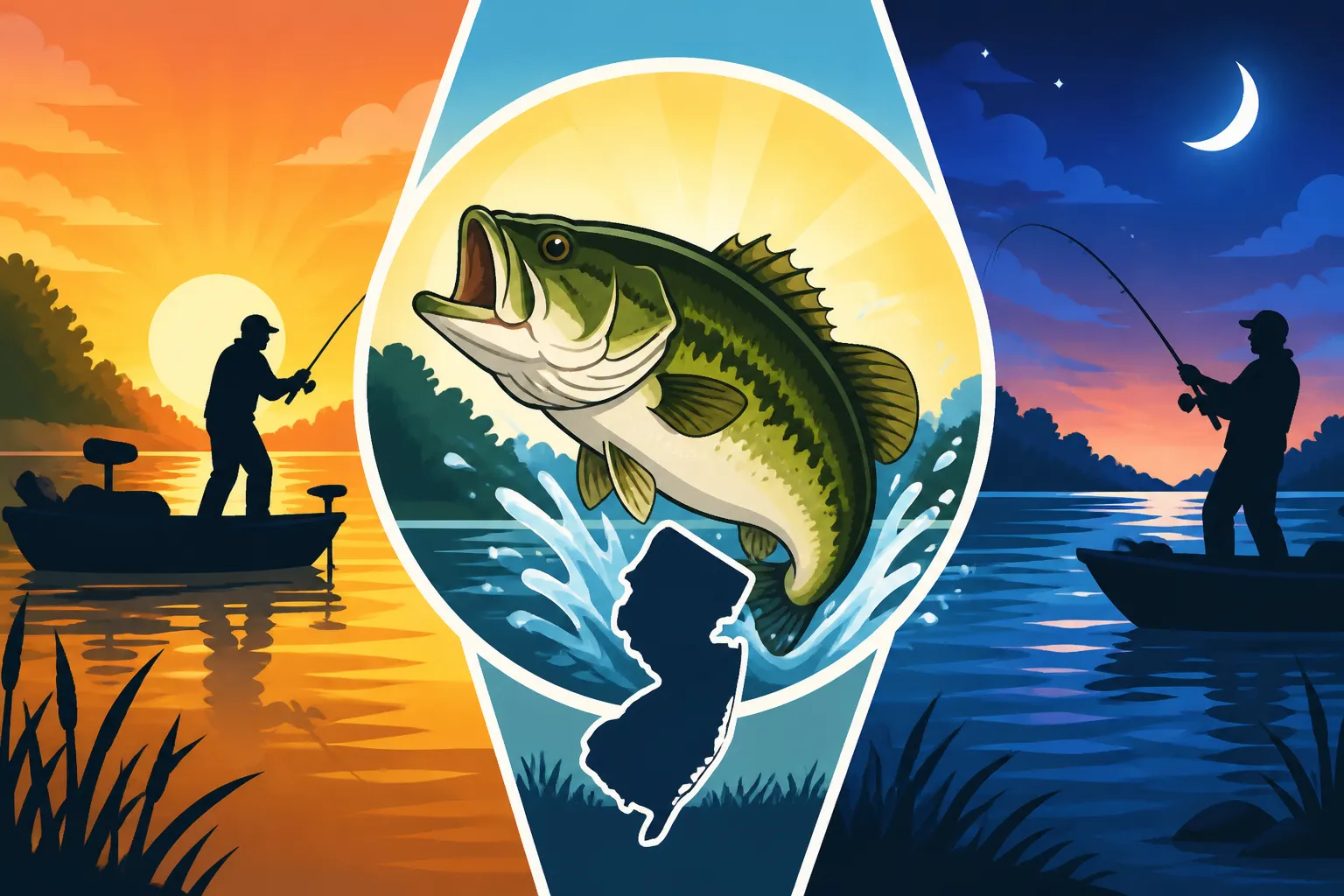
- Early Morning (Dawn to 9 AM): This is arguably the absolute best time for summer bass fishing. As the sun rises, water temperatures are at their coolest point after the night, and bass are often in shallow water, actively feeding. Topwater lures, spinnerbaits, and shallow crankbaits can be incredibly effective during this low-light window. Bass will often chase down prey more aggressively before the sun drives them deep. After a long, hot day, the cool morning air and water rejuvenate them, making them eager to eat. Many anglers swear by hitting the water at first light in places like Lake Hopatcong or Round Valley Reservoir.
- Late Evening (6 PM to Dusk): Similar to early mornings, the late evening provides another fantastic bite window. As the sun starts to dip, the intense heat subsides, and bass will once again move into shallower feeding areas. The lower light conditions are perfect for chasing baitfish. This is another excellent time for topwater action, jigs, or slow-rolled spinnerbaits. The fish that were hunkered down in deep cover all day will start to emerge, looking for a meal.
- Night Fishing: Don't overlook night fishing in the summer! This is when some of the biggest bass, especially in heavily pressured waters or those with lots of boat traffic, come out to play. With cooler water and complete darkness, bass feel safe and often feed aggressively. Using dark-colored lures, large worms, or jigs that create a strong silhouette against the minimal light can be very effective. This is particularly true for Best Lakes for Largemouth Bass in New Jersey that experience heavy daytime pressure.
Fall: The Feeding Frenzy Before Winter
Fall is another fantastic season for bass fishing in New Jersey. As water temperatures start to cool, bass enter a "fall feeding frenzy" mode, trying to pack on calories before the long, lean winter months. They become very active and aggressive.
- All-Day Opportunities: Fall often offers an all-day bite, especially on overcast days. The cooler air means water temperatures remain comfortable for bass for longer periods. However, the mid-morning to late afternoon can be particularly good as the sun, even if mild, can help activate baitfish and bass. They'll be found in a variety of depths, from shallow flats chasing bait to deeper structure.
- Following Baitfish: During the fall, bass are heavily focused on shad, herring, and other baitfish that are also schooling up and preparing for winter. Pay attention to bird activity or surface commotion; these can be indicators of baitfish schools, and where there's bait, there are usually bass. Using lures that imitate these baitfish, such as crankbaits, jerkbaits, and swimbaits, is highly effective. If you're fishing for Delaware River Smallmouth Bass Fishing, you'll find similar patterns as they chase forage fish before winter.
Winter: Slow and Steady Wins the Race
Winter bass fishing in New Jersey is often challenging but can be rewarding for persistent anglers. Bass are at their most lethargic, moving and feeding minimally.
- Midday is Key: In winter, the midday hours (10 AM to 3 PM) are typically the most productive. This is when the sun is at its highest, offering the most warmth and potentially increasing water temperatures by a degree or two in shallower, protected areas. Bass will often suspend in deeper water near structure, or congregate in areas that offer even a slight thermal advantage.
- Slow Presentations: Forget fast retrieves. Winter bass require extremely slow, methodical presentations. Jigs, blade baits, and suspending jerkbaits fished excruciatingly slowly are your best bet. Think about the bass barely having to move to eat. Focus on vertical presentations over deep structure. This is also when deeper sections of lakes, like Round Valley Reservoir, can hold bass, though they'll be very inactive. If you want to know How to Catch Largemouth Bass in Cold Water, the key is often patience and downsizing your baits.
Daily Strategies: Maximizing Your Chances from Dawn to Dusk (and Beyond!)
No matter the season, understanding how bass behave during different parts of the day can dramatically improve your success rate. Each time slot presents unique opportunities and challenges that require specific approaches.
Cracking the Code: Early Morning Bites
The early morning bite is legendary among bass anglers, and for good reason. As the sun barely peeks over the horizon, the lake or river surface is often calm, the air is crisp, and the water is typically at its coolest point, especially during warmer months.
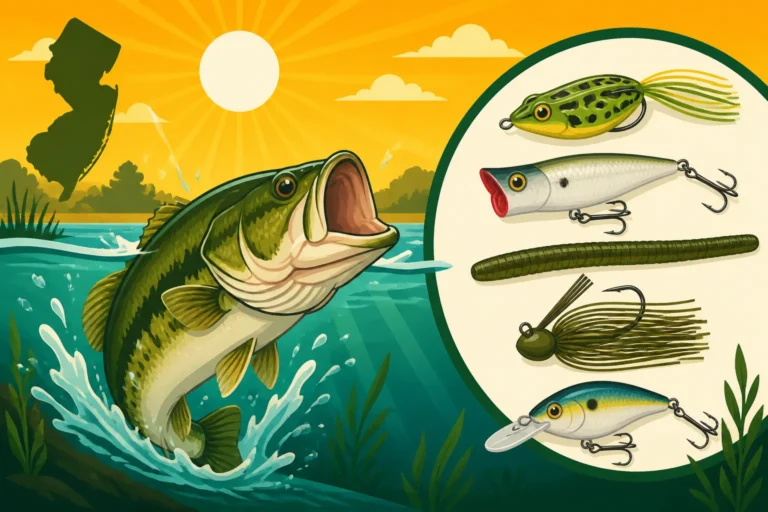
Bass, especially largemouth, will move from deeper resting areas into shallower feeding zones to ambush prey. This low-light period gives them confidence. This is prime time for topwater lures – poppers, walk-the-dog baits, and buzzbaits that create commotion on the surface. Imagine a frog or a stunned baitfish struggling; that's the sound and action you want to mimic. They are not only effective but also incredibly exciting to fish, as you see the strike unfold. For these types of lures, check out the vast selection on Amazon for quick delivery. As the sun starts to climb and light levels increase, transition to spinnerbaits, chatterbaits, or shallow crankbaits that can cover water quickly and still elicit aggressive strikes. Focus on areas where bass might be moving from deeper water to shallow, like points, submerged humps, or the edges of weed lines.
The Midday Slump: Adapting to Bright Sun and Heat
Ah, the midday slump. This is where many anglers give up, but with the right adjustments, you can still find success. As the sun climbs higher, penetrating the water and increasing surface temperatures, bass generally retreat to cover and deeper water. They become less active, seeking refuge from the bright light and heat.
Your strategy needs to shift from aggressive searching to precise, finessed presentations. Look for heavy cover: dense lily pad fields, thick weed beds, fallen trees, docks, and steep drop-offs where deeper, cooler water is available. Flipping and pitching jigs or Texas-rigged soft plastics into these shaded, protected spots is often the most effective technique. Slow your retrieve way down. Often, the bite will be a subtle "thump" or just a feeling of weight on your line. You might need to use lighter line and smaller baits. Don't be afraid to experiment with different depths; sometimes bass will suspend a few feet down over deeper water, especially if they are targeting baitfish schools. Remember, patience is crucial during these hours. Even though it's not the most active feeding window, a well-placed bait can still draw a strike from a cautious bass.
Evening Rises: Capitalizing on the Twilight Feed
Just as the morning bite tapers off, the evening bite often picks up as the day winds down. As the sun begins its descent, temperatures cool, and light levels diminish, bass become more comfortable leaving their midday hideouts.
This is another fantastic opportunity for aggressive topwater action, especially as the last rays of light fade. Bass will often chase baitfish that become more active in the twilight. Spinnerbaits, swimbaits, and medium-running crankbaits can also be very effective as bass cruise shallower areas and structure, looking for a final meal before nightfall. Pay close attention to transition zones – where shallow water meets deeper drop-offs, or the edges of weed beds. Bass will often patrol these areas, ambushing unsuspecting prey. This can be a particularly great time to hit some of the larger reservoirs known for their bass populations.
Night Fishing for Trophy Bass
Night fishing for bass, while less common, can be incredibly rewarding, especially during the warm summer months or on heavily pressured waters. When the sun goes down, boat traffic disappears, and the waters cool significantly, creating an environment where cautious, larger bass often feel safe enough to roam and feed.
The key to night fishing is focusing on lures that create a strong silhouette or vibration. Dark-colored jigs, large worms, spinnerbaits with large thumping blades, and even some topwater lures that create a lot of noise (like plopping frogs) can be very effective. Use your sense of feel and sound more than sight. Cast close to docks, brush piles, or weed lines, and retrieve slowly. Many anglers report catching some of their biggest bass under the cover of darkness. Just be sure to bring a headlamp (red light is best to preserve night vision) and take extra safety precautions on the water.
Gear and Tactics for Different Time Slots
The time of day doesn't just influence when bass bite, but also how you should be fishing and what gear you should be using. Making subtle adjustments to your lure choices and presentation style can make a huge difference in your catch rate.
Lure Choices by Light Conditions
Matching your lure selection to the prevailing light conditions is a fundamental principle of bass fishing. Bass rely heavily on their sight and lateral line to detect prey, and how your lure appears in different light levels plays a significant role.
- Low Light (Dawn, Dusk, Overcast, Night): In low light, lures that create a strong silhouette or significant vibration are often best. Dark colors like black, blue, or purple stand out against the minimal light and are easier for bass to track. Noisy topwater lures, buzzbaits, and spinnerbaits with large thumping blades are excellent choices because they create a disturbance that bass can home in on using their lateral line, even if they can't see the lure clearly. For soft plastics, consider larger profiles and dark colors. You might even want to try glow-in-the-dark options for night fishing, readily available on platforms like Amazon.
- Bright Light (Midday Sun, Clear Skies): When the sun is high and bright, bass tend to be more wary and will often retreat to deeper, shadier cover. This calls for more natural, subtle lure presentations. Natural baitfish colors like silver, white, or light greens can work, especially if they have some flash to mimic scales. Finesse techniques shine here: shaky head jigs, drop-shot rigs, and Texas-rigged worms in natural colors (green pumpkin, watermelon, junebug) are often the ticket. Downsizing your line and lure can also help. For example, a 6-inch plastic worm might be too much; try a 4-inch stick bait. Sometimes, a well-placed jig into thick cover is the only way to get a bite.
Presentation Adjustments for Time of Day
Beyond just the lure itself, how you work that lure is equally important. Bass metabolisms and aggression levels fluctuate throughout the day, requiring you to adapt your retrieve speed and action.
- Aggressive Presentation (Low Light, Cooler Temps): During those prime low-light windows (early morning, late evening, fall, pre-spawn spring), bass are often more willing to chase. This is when you can use faster retrieves, more erratic actions, and more aggressive jerkbait twitches or crankbait speeds. Bass are actively hunting and will be more likely to react instinctively to a fast-moving bait. Don't be afraid to experiment with different retrieve speeds until you find what triggers a strike.
- Subtle & Slow Presentation (Bright Sun, Hot or Cold Temps): When bass are less active – think midday summer or any winter fishing – a slower, more deliberate presentation is usually necessary. You want to give them plenty of time to find the lure and decide to bite without having to expend much energy. Slow-rolling a spinnerbait, painstakingly crawling a jig across the bottom, or letting a soft plastic soak in a strike zone for an extended period are all effective tactics. This is where patience is truly a virtue. Sometimes, the difference between a bite and no bite is literally pausing your retrieve for an extra five seconds. For many of these finesse techniques, a lighter Spinning Reel vs Baitcasting Reel for Bass Fishing setup might be preferred for better feel. Additionally, always be aware of regulations like How Many Fishing Rods Can You Use at Once in New Jersey? so you're not inadvertently breaking rules while trying new tactics.
| Time of Day | Light Conditions | Bass Behavior | Preferred Lure Types | Retrieve Style |
|---|---|---|---|---|
| Dawn/Early Morning | Low to Moderate | Actively hunting, shallow | Topwaters, Spinnerbaits, Shallow Cranks | Fast, erratic |
| Midday | Bright | Seeking cover, deeper water | Jigs, Soft Plastics, Drop-shots | Slow, finessed |
| Late Afternoon/Dusk | Moderate to Low | Emerging to feed, shallow | Topwaters, Spinnerbaits, Shallow Cranks | Moderate to Fast |
| Night | Dark | Cruising, confident | Dark Jigs, Large Worms, Thumping Spinnerbaits | Slow, methodical |
The beauty of bass fishing in New Jersey is that there's always something new to learn and adapt to. By understanding the daily and seasonal patterns, and adjusting your approach accordingly, you'll spend less time wondering and more time hooking into those fantastic Garden State bass. You'll find a massive array of tackle for all these techniques on Amazon, making it easy to gear up for any time of day.
Disclaimer
Fishing regulations, season dates, and limits can change frequently. Always consult the latest New Jersey Department of Environmental Protection (NJDEP) Fish and Wildlife Digest before heading out on the water. This guide is for informational purposes only and should not be considered a substitute for official regulations.