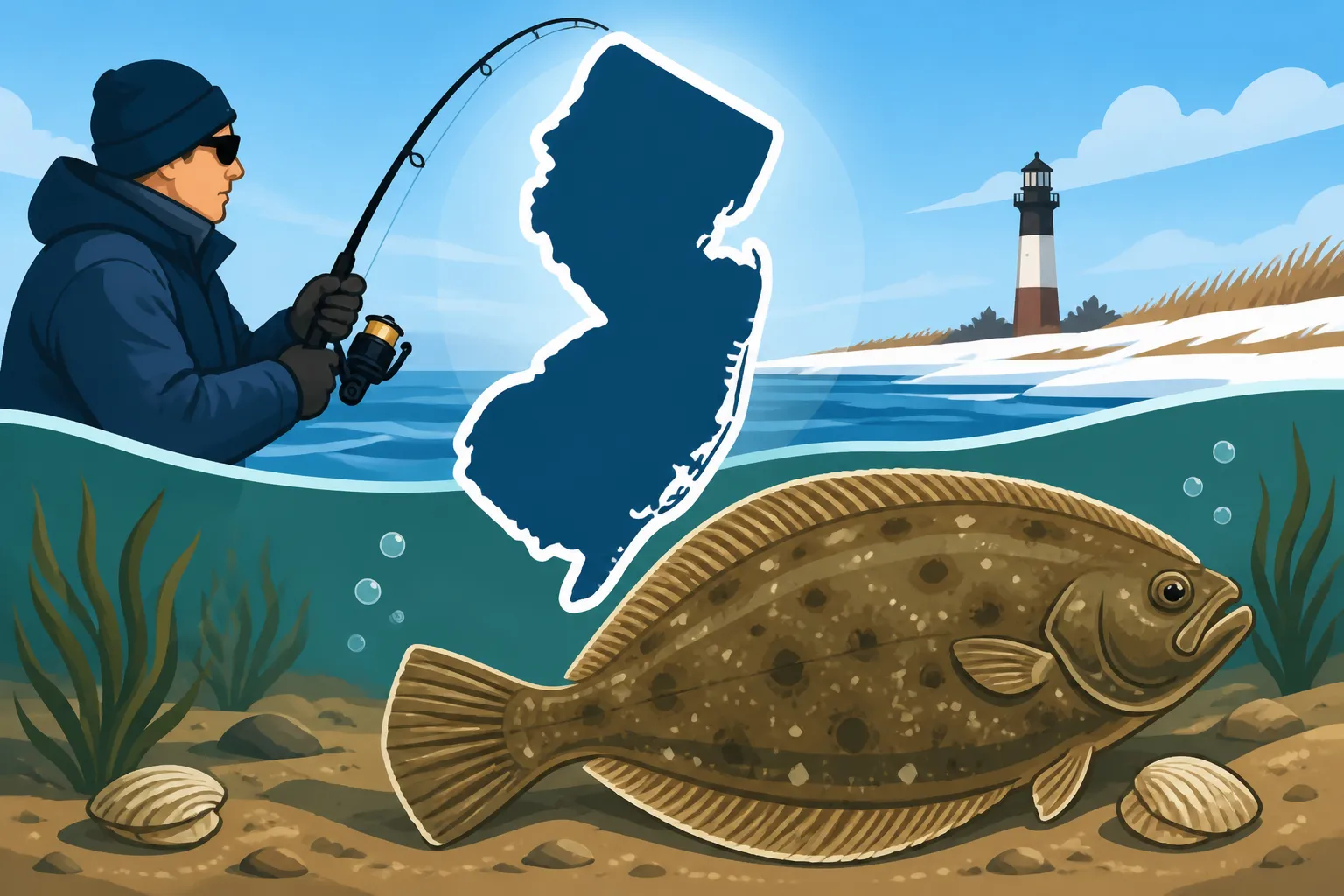
Current State of Winter Flounder Fishing in New Jersey
If you've cast a line in New Jersey's coastal waters or bays recently hoping for a good winter flounder bite, you've probably felt that familiar sting of disappointment. It's a far cry from the bustling winter flounder fisheries of decades past, leaving many anglers wondering what happened to this once-abundant flatfish. This guide dives deep into the current state of winter flounder fishing in New Jersey, exploring the challenges, the changing regulations, and what the future might hold for this iconic species.
The Historical Context of Winter Flounder Fishing in New Jersey
It’s hard to talk about winter flounder fishing today without looking back at what it once was. For generations of New Jersey anglers, winter flounder were a staple, providing exciting fishing opportunities and delicious table fare, especially during the colder months when other species were scarce or offshore. The narratives from our parents and grandparents often paint a picture of a vastly different reality.
A Look Back at the "Good Old Days"
Think back, or listen to stories from older anglers, and you'll hear tales of legendary winter flounder catches. Bays like Barnegat Bay, Great Bay, and even the shallow estuaries along the coast were teeming with them. Anglers would anchor up in channels and sloughs, dropping a simple high-low rig tipped with bloodworms or clam, and often limit out in a matter of hours. The fish were plentiful, and their average size was often impressive, easily hitting the legal minimum and beyond. It was common to see party boats and private vessels alike return to the docks with coolers full of these prized flatfish. For many, it wasn't just fishing; it was a winter tradition, a reliable way to connect with the water and put food on the table. The sheer numbers of fish made it an accessible and rewarding pursuit for anglers of all skill levels, and the excitement of a doubleheader – two flounder on one rig – was a regular occurrence.
Why Did Things Change? Environmental Factors and Overfishing
Unfortunately, the "good old days" didn't last, and the decline of winter flounder in New Jersey waters is a complex issue with multiple contributing factors. One significant factor, widely acknowledged by fisheries scientists and observed by seasoned anglers, was overfishing. As fishing pressure increased, especially with more efficient commercial and recreational techniques, the species struggled to maintain healthy populations. Winter flounder are particularly vulnerable due to their predictable aggregations in shallow bays during spawning season, making them easy targets.
Beyond direct fishing pressure, environmental changes have played a crucial role. Winter flounder rely heavily on healthy estuarine habitats for spawning and juvenile development. Deterioration of water quality, habitat loss due to coastal development, and increased sedimentation in their preferred sandy/muddy bottoms have all taken a toll. Warmer water temperatures, a broader environmental concern, may also negatively impact their reproductive cycles and survival rates, as these fish are intrinsically linked to colder water environments. These multiple stressors, acting in concert, have created a challenging environment for winter flounder recovery, leading to the question, Why Have Winter Flounder Numbers Dropped in New Jersey?.
Understanding the Current Regulations and Their Impact
In response to the declining stock, New Jersey, in conjunction with regional fisheries management councils, has implemented increasingly stringent regulations over the years. These rules are a direct reflection of the scientific assessments of the winter flounder population and are designed to rebuild the stock.
What Are the Rules Right Now? Seasons and Limits
The current regulations for winter flounder fishing in New Jersey are a stark contrast to the liberal limits of yesteryear. Typically, the season is short, often limited to a few specific months, and the daily bag limits are very low—often just one or two fish per person. The size limit is also quite specific, usually setting a minimum length that requires anglers to be very precise with their measurements. These regulations are subject to change annually, so it's always crucial to consult the most current New Jersey Fish and Wildlife Digest or visit their website before heading out. For a comprehensive overview, you can check out the New Jersey Fishing Seasons Explained and New Jersey Daily Bag Limits by Species resources.
Let’s look at a simplified comparison to illustrate the shift:
| Aspect | Historical (e.g., 1970s-80s) | Current (approximate) |
|---|---|---|
| Typical Season | Extended, often year-round | Short, specific windows (e.g., Mar-May) |
| Daily Bag Limit | 10-20+ fish per angler | 1-2 fish per angler |
| Minimum Size Limit | Smaller (e.g., 10-12 inches) | Larger (e.g., 12 inches or more) |
| Abundance | High | Very Low |
| Effort to Catch | Low | Very High (often requires specialized effort) |
Note: These figures are illustrative and exact historical/current regulations vary by year and specific management zones.
How Regulations Reflect Stock Health
The tight regulations aren't just arbitrary; they are a direct and necessary response to the health of the winter flounder stock. When fish populations are low, management bodies implement conservative measures to reduce fishing mortality and allow more fish to survive, grow, and reproduce. Each adjustment to the bag limit, size limit, or season length is a carefully calculated decision based on scientific data from stock assessments, which estimate the number of fish in the population, their age structure, and their reproductive potential.
If the stock assessment indicates a declining or critically low population, regulations become stricter. Conversely, if there are signs of recovery, limits might be slightly relaxed, though this has been a rare occurrence for winter flounder in recent times. These measures are designed to ensure the long-term sustainability of the species, even if it means short-term sacrifices for anglers. The constant monitoring and adaptation of these rules highlight the dynamic nature of fisheries management and the serious commitment to rebuilding this struggling species. Understanding New Jersey Fishing Regulation Changes for 2026 can provide further insight into this process.
The Reality on the Water: What Anglers Are Experiencing Today
For many recreational anglers, the current state of winter flounder fishing is, simply put, tough. It requires a significant amount of dedication, patience, and often a willingness to adapt to new realities. The days of easy limits are long gone.
The Challenge of Finding Winter Flounder
Today, finding winter flounder in New Jersey waters is often like searching for a needle in a haystack. While some local hotspots might still produce a few fish, consistent success is rare. Anglers report spending hours, sometimes entire tides, to catch just one legal-sized fish, if any. The fish that are caught are often smaller, and locating those elusive keeper-sized flounder requires intimate knowledge of specific channels, deeper holes, and subtle bottom contours where they might be holding. Even with the right bait—usually bloodworms or clam—and precise techniques like chumming, success is far from guaranteed. Many days result in skunks, meaning no fish, or catches of undersized flounder that must be released carefully, adhering to Catch and Release Rules in New Jersey.
This scarcity means that anglers often have to invest more time, fuel, and effort for potentially little reward. The joy of fishing for winter flounder has shifted from catching a cooler full to the profound satisfaction of catching even a single legal fish, a testament to the species' diminished presence.
Shifting Tactics and Alternative Species
Given the difficulties, many New Jersey anglers have either significantly scaled back their winter flounder efforts or shifted their focus entirely. Those who still target them have become masters of subtlety, refining their rigs for minimal resistance, using ultra-light tackle, and studying tide and temperature charts like never before. They might even be looking for specialized gear, maybe even browsing through options on Amazon, to give them any possible edge in a challenging fishery. Techniques described in articles like How to Fish for Winter Flounder in New Jersey are more important than ever.
However, a more common response has been to pivot to other species. During the spring and fall, anglers might target striped bass or bluefish. In summer, fluke (summer flounder) offer a more robust flatfish fishery, though they have their own set of regulations and challenges. Even panfish in freshwater lakes become appealing alternatives when saltwater efforts for winter flounder prove too discouraging. It's a pragmatic approach born out of necessity, as anglers still seek that connection to the water and the thrill of a bending rod. The decline of winter flounder has undoubtedly reshaped the fishing landscape and traditions for many coastal communities in New Jersey, forcing them to explore other avenues of angling enjoyment.
What Does the Future Hold for New Jersey Winter Flounder?
The road to recovery for New Jersey’s winter flounder population is a long and challenging one, but it’s not without hope. Conservation efforts and adaptive management strategies are continuously at play, and every angler has a role in supporting these initiatives.
Conservation Efforts and Management Strategies
Fisheries managers, scientists, and conservation groups are actively working to understand and improve the conditions for winter flounder. This includes ongoing stock assessments to monitor population trends, research into habitat restoration projects, and careful consideration of water quality improvements in key estuarine areas. The regulations, as discussed, are a primary management tool, aiming to reduce fishing pressure to sustainable levels. There's also a focus on educating anglers about best practices for catch and release, ensuring that undersized or out-of-season fish have the best chance of survival. Organizations often encourage reporting catches and fishing effort, as this data is vital for more accurate stock assessments. It's a slow process, often requiring decades, but similar conservation successes with other species offer a glimmer of hope.
The Role of Anglers in Winter Flounder Recovery
As an angler, your actions directly contribute to the future of winter flounder fishing in New Jersey. First and foremost, adhering strictly to all current regulations—bag limits, size limits, and season dates—is paramount. Every legal fish you release carefully, especially if it's a spawning female, contributes to the reproductive success of the population. Using appropriate gear, handling fish gently, and minimizing their time out of water are crucial catch-and-release practices. You might even find specialized release tools or measuring devices on Amazon that can help ensure the health of released fish.
Beyond compliance, anglers can become advocates for conservation. This might involve participating in local cleanup efforts, supporting organizations dedicated to habitat restoration, or simply educating fellow anglers about the importance of protecting this species. Reporting any violations to the New Jersey Conservation Police and License Checks helps ensure fair play and protects the resource for everyone. Ultimately, the recovery of New Jersey's winter flounder depends on a collective effort from regulators, scientists, and the angling community itself, all working towards a healthier, more resilient fishery.
Disclaimer
This article is for general informational purposes only and does not constitute professional advice. Laws, prices and regulations vary by location and change over time. Consult a qualified professional for guidance on your specific situation.