Best Time of Year to Fish for Fluke in New Jersey
Oh, the elusive fluke! If you've spent countless hours wondering when exactly you should hit the New Jersey waters to land one of these delicious flatfish, you are absolutely not alone. It's a common frustration, feeling like you're always a week too early or a day too late. This comprehensive guide is going to walk you through the absolute best times of the year to target fluke in New Jersey, breaking down the nuances of each season so you can finally stack the odds in your favor.
Understanding Fluke Season in New Jersey
When we talk about "fluke season," we're not just referring to a calendar date; we're talking about a dynamic period influenced by biology, regulations, and environmental factors. For many anglers, fluke, also known as summer flounder, represents the quintessential New Jersey summer catch, bringing both excitement on the hook and a fantastic meal to the table. But hitting the water at the right time requires more than just showing up after Memorial Day.
The Official Calendar for Fluke
The New Jersey Department of Environmental Protection (NJDEP) Division of Fish and Wildlife sets the official recreational fishing season for summer flounder (fluke) each year, alongside the specific size and bag limits. These regulations are critical because they dictate when you can legally target and keep these fish. While the exact dates and limits can shift slightly from year to year based on stock assessments and management goals, the general window usually opens in late spring, around early May, and extends well into the fall, often through September or even early October. It's crucial to consult the most current New Jersey Fluke Season Dates for 2026, or whatever the current year may be, directly from the Fish and Wildlife Digest to ensure you're compliant.
Historically, the season has aimed to provide ample opportunity for anglers during the peak summer months when fluke are most active and accessible in our bays, estuaries, and nearshore ocean waters. Missing these dates means either no fishing or mandatory catch-and-release, which isn't ideal if you're hoping for dinner. These regulations are designed to sustain the fishery, so adhering to them ensures future generations of anglers can also enjoy the thrill of fluke fishing.
Why Fluke Season Varies Annually
You might wonder why the season dates and limits seem to be a moving target. The truth is, managing a migratory species like fluke is complex. Fisheries scientists continuously monitor the health of the fluke population along the Atlantic coast. Factors like spawning success, juvenile survival rates, fishing pressure from both recreational and commercial sectors, and environmental conditions all play a role in how many fish are in the water and how fast they're growing. The Mid-Atlantic Fishery Management Council (MAFMC) and the Atlantic States Marine Fisheries Commission (ASMFC) work together to set regional quotas, which New Jersey then implements through its state-specific rules.
This annual review process means that what was legal last year might not be this year, and that can certainly be frustrating for anglers trying to plan their trips. For example, one year the minimum size limit might be 18 inches, and the next it could be 17.5 or 19 inches, alongside changes to daily bag limits. It’s why staying informed by checking the official New Jersey Fish and Wildlife Digest is paramount. These adjustments, though sometimes inconvenient, are vital for ensuring a sustainable fishery for the long haul, helping to prevent overfishing and support the natural reproduction of these popular game fish.
The Role of the Saltwater Registry
Beyond just having the right season dates and adhering to size and bag limits, there's another important piece of the puzzle for saltwater anglers in New Jersey: the New Jersey Saltwater Registry Explained. Even if you're not required to have a traditional fishing license for saltwater fishing, almost all recreational saltwater anglers in New Jersey, including those targeting fluke, must register annually with the New Jersey Marine Recreational Fishing Registry. This registry is free to join and is crucial for gathering data on fishing effort, which helps biologists better understand the health of our fisheries.
Many anglers initially confuse this with a freshwater license or think it only applies to boat owners, but that's not the case. If you're fishing from a boat, kayak, jetty, pier, or the surf for fluke, you'll likely need to be registered. There are some exemptions, like passengers on a for-hire charter boat where the captain handles the vessel registration. But for the vast majority of us who venture out on our own, completing the New Jersey Saltwater Registry Program Requirements is a must. It's a quick, free online process, and it contributes directly to the science that informs our fishing regulations, including those for fluke.
Spring Fluke Fishing The Early Bite
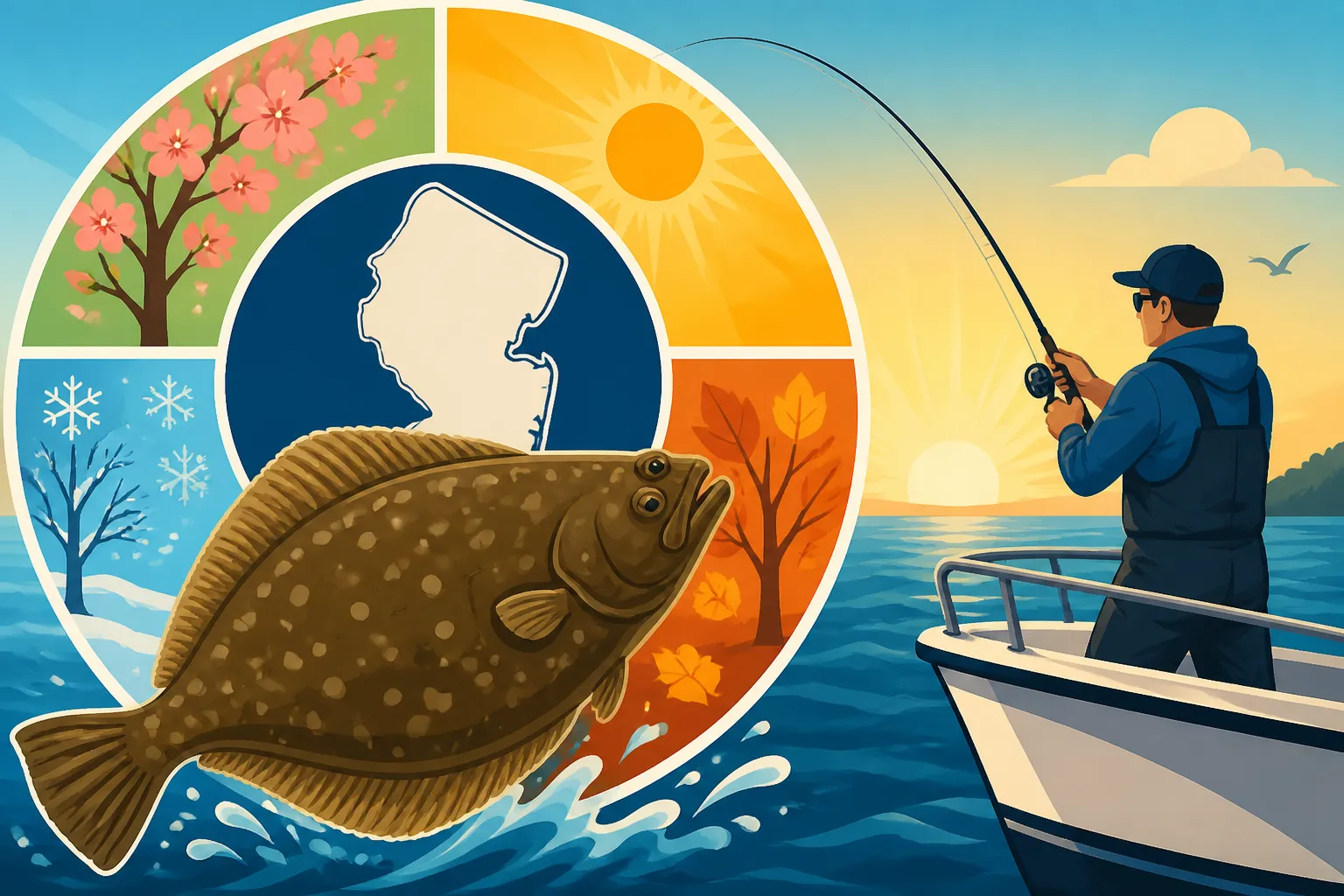
As the ice finally melts and the spring blossoms emerge, New Jersey anglers eagerly anticipate the return of migratory species, and fluke are high on that list. While the biggest fish might still be offshore, the bays and estuaries come alive with hungry flatties, offering some fantastic early-season action. It’s a time of year characterized by smaller but often abundant fish, perfect for honing your skills and enjoying the peace before the summer crowds descend.
Targeting Pre-Spawn Fluke in the Bays
When the season officially opens in May, the warmer, shallower back bays and estuaries become prime real estate for fluke. These areas, like Barnegat Bay or the expansive marsh systems around Cape May, are where fluke tend to congregate after migrating from their offshore wintering grounds. They’re often feeding aggressively in preparation for spawning, making them very susceptible to well-presented baits and lures. The fish you'll encounter at this time are typically "schoolie" fluke, ranging from just legal size up to about 20 inches, with the occasional larger fish mixed in.
Focus your efforts on areas with good current, such as around creek mouths, sod banks, channel edges, and bridges. These spots act as natural funnels for baitfish like spearing, minnows, and grass shrimp, which are staple foods for early-season fluke. Drifting with the tide through these areas, or anchoring on a good rip, can be incredibly effective. The water might still be a bit chilly, so a slower, more methodical presentation is often key. Think light tackle and subtle movements to entice those fish that are just starting to wake up after their migration.
Best Baits and Lures for Early Season
For spring fluke, natural baits often outperform artificials, especially when the water is still on the cooler side. Live minnows, killifish (locally known as "killies"), and spearing are absolute killers. You can typically find these readily available at local bait shops along the coast. If you're going the natural route, a classic fluke rig with a single hook, a teaser, and a Slinky weight or bank sinker works wonders. Don't be afraid to add a small strip of Berkley Gulp! Alive! Swimming Mullet to sweeten the offering; the scent trail it creates can be irresistible.
When it comes to artificials, small bucktail jigs are your best friend. A 1/4 to 1/2-ounce bucktail, tipped with a strip of Gulp! or a natural bait, bounced gently along the bottom, can provoke aggressive strikes. White, chartreuse, and pink are consistently effective colors in the turbid bay waters. Lightweight soft plastics, especially those mimicking a baitfish, fished on a jig head are also excellent choices. Remember, the presentation should generally be slower and closer to the bottom than what you might employ in the summer, as the fish aren't quite as active yet. You can find a wide variety of these essential baits and lures on Amazon, perfect for stocking up before the season begins.
The Importance of Water Temperature
Water temperature is perhaps the single most critical factor influencing fluke behavior, especially in the spring. Fluke are cold-blooded, and their metabolism, feeding activity, and location are directly tied to the water temperature. They generally prefer water temperatures between 55 and 70 degrees Fahrenheit. In early spring, the bays warm up much faster than the deeper ocean waters, which is why the initial bite is almost always concentrated in these shallower areas.
Look for surface water temperatures to climb consistently above 50 degrees F for the bite to really pick up. A couple of sunny, warm days in a row can significantly increase the water temperature in the shallows, triggering a strong feeding response. Conversely, a prolonged cold snap or heavy rains that introduce colder freshwater can temporarily shut down the bite. Keep an eye on local marine weather forecasts and use a thermometer if you have one on your boat or kayak. Understanding this thermal preference helps you pinpoint where fluke are most likely to be holding and actively feeding.
Summer Fluke Fishing Peak Season Action
Summer is undeniably the peak season for fluke fishing in New Jersey. The waters are warm, the fish are abundant, and the opportunities are seemingly endless, whether you're fishing from a boat, kayak, or the shore. This is when the action truly heats up, and anglers flock to the coast hoping to land that trophy "doormat."
Finding Fluke in Estuaries and Nearshore Ocean
As summer progresses and water temperatures rise, fluke begin to spread out from the shallow bays into deeper channels, inlets, and the nearshore ocean. While the back bays will still hold plenty of fish, especially on cooler days or during certain tides, the true giants often move to structure and cooler water in the ocean. Reefs, wrecks, rock piles, and even subtle changes in bottom contour just outside the inlets become prime hunting grounds. Spots like the Manasquan Inlet or the jetties along Island Beach State Park can hold large numbers of fish, offering fantastic shore-based opportunities.
For boat anglers, exploring the numerous artificial reefs and natural sticky bottom areas just a few miles offshore can yield incredible results. These structures attract baitfish, which in turn attract hungry fluke. Concentrate on depths ranging from 15 to 60 feet, adjusting based on current, temperature, and bait presence. The key is to cover ground, either by drifting with the current or slowly trolling, until you locate a productive area. Remember to consult the local fishing reports, as fluke movements can be very localized.
Popular Summer Fluke Techniques
Summer is when a variety of fluke fishing techniques really shine. Drifting with natural bait remains incredibly popular and effective. The classic "fluke rig" with a large minnow, mackerel strip, or strip of squid is a proven fish-catcher. Many anglers swear by the effectiveness of live snapper bluefish or peanut bunker when targeting bigger fluke. The struggle for many is learning how to Drift Fish for Fluke effectively, keeping your bait in the strike zone without getting tangled.
Bucktail jigging truly comes into its own during the summer months. Anglers will often use heavier bucktails, ranging from 1 to 4 ounces, depending on depth and current, often tipped with a large strip of Gulp! or natural bait. The rhythmic jigging motion combined with the scent and profile is deadly. Trolling umbrella rigs or large tandem fluke rigs with strips of mackerel or whole squid can also be very productive, particularly in open ocean areas where you need to cover a lot of ground. For specific choices, this guide on Best Bait for Fluke Fishing offers even more detail. A quick visit to Amazon can provide you with all the tackle and rigs you need to try these different techniques.
Dealing with Summer Crowds and Boat Traffic
With prime summer conditions comes increased fishing pressure. New Jersey's popular fishing spots, especially inlets and accessible bay areas, can become quite crowded, particularly on weekends. This means you might be sharing the water with numerous other boats, kayakers, and shore anglers. Patience and courtesy become just as important as your fishing skills. Being aware of other anglers' drifts, giving ample space, and avoiding cutting off other boats are crucial for a pleasant experience for everyone.
Waking up early to beat the crowds or fishing during weekdays can often provide a more serene and productive outing. When fishing in crowded areas, consider slightly heavier tackle to quickly land and release or boat your fish, reducing the chances of tangles with other lines. It's also a good idea to scout out less-known fishing spots or try fishing during off-peak hours, like late afternoon into the evening, which can sometimes provide a surprisingly good bite once the daytime traffic disperses.
Fall Fluke Fishing The Farewell Feast
As summer transitions into fall, many anglers shift their focus to striped bass or tautog, but that would be a mistake if you're chasing fluke. The fall run offers some of the most exciting and rewarding fluke fishing of the entire year, often producing the largest fish of the season. This is the time when those legendary "doormat" fluke make their presence known.
The Fall Migration and "Doormat" Fluke
As the waters begin to cool in late August and September, fluke start their offshore migration from the bays and nearshore ocean to their deeper wintering grounds. This migration pattern is a feeding frenzy, as fluke gorge themselves to build up fat reserves for the colder months. This is when you have the best chance of encountering truly massive fluke – those coveted "doormats" that stretch beyond 25 inches and put up an incredible fight. These fish are often found staging in deeper channels near inlets and along the edges of the continental shelf as they prepare for their journey.
The New Jersey Fluke Season End Date usually falls sometime in September, giving anglers a fantastic window to capitalize on this migratory bite. Look for concentrations of baitfish, such as peanut bunker, spearing, and mullet, moving out of the back bays. Fluke will be right on their tails, creating incredible feeding opportunities. Targeting ambush points along these migration routes, such as channel junctions, deeper holes, and submerged structure, can be incredibly productive.
Ocean Wrecks and Reefs for Late Season
While early fall can still see good fluke fishing in the larger bays, as the season progresses, the action really shifts offshore to the numerous wrecks and artificial reefs that dot the New Jersey coastline. These structures provide both shelter and abundant food sources for migrating fluke. Fish will stack up on and around these structures, offering concentrated fishing action. This is where you might find some of the biggest fluke of the year, often mixed in with other species like black sea bass and tog.
Deep water jigging with heavy bucktails (often 4-6 ounces or more, depending on current and depth) becomes the dominant technique. Tipping your bucktail with a long strip of natural bait like mackerel or sea robin, or a large Gulp! Swimming Mullet, is essential. Slow drifts directly over these structures are key to success. Remember that accurate boat positioning and good electronics to mark fish and structure are invaluable for this type of fishing. This offshore bite can continue right up until the season closes, and sometimes even beyond, if you're targeting catch-and-release fish.
Adjusting Tactics for Cooler Water
As water temperatures continue to drop through the fall, fluke become less active, but they are still feeding aggressively. This means you might need to adjust your presentation to entice a strike. Slower drifts, longer pauses in your jigging retrieve, and focusing on slightly deeper areas where water temperatures are more stable can make a big difference. The fish will often hug the bottom more tightly, so ensuring your bait or lure is presented right in their strike zone is critical.
Consider using larger, meatier baits, as the fluke are focused on calorie intake. Whole squid, large mackerel strips, or even small live snapper bluefish can be irresistible to a hungry, migrating doormat. Pay close attention to tide charts and focus your efforts around slack tide periods or the beginnings of a strong drift, as these times can concentrate fish and make them easier to target. Don't be afraid to experiment with different weights and colors; what worked in summer might not be as effective in the cooler fall waters.
Beyond the Calendar: Key Factors for Success
While understanding the seasonal patterns is paramount, successful fluke fishing isn't just about showing up at the right time of year. There are numerous other factors that, when combined with seasonal knowledge, can drastically improve your catch rates and help you consistently land more fish.
Mastering Tides and Currents
For fluke, tide and current are arguably more important than almost any other factor on a day-to-day basis. Fluke are ambush predators; they use the current to their advantage, lying in wait on the bottom to dart out and snatch baitfish as they are swept by. Therefore, understanding and "reading" the tide is essential for locating actively feeding fish. Generally, a moving tide – either incoming or outgoing – is preferred over slack tide, as it creates current and moves bait.
The best tide often depends on your specific location. In inlets and channels, the beginning or end of a strong current can be excellent, as it concentrates bait and fish. In open bay areas, a steady drift with the current is ideal, allowing you to cover ground and present your bait naturally. Pay attention to how to Fish a Falling Tide versus how to Fish a Rising Tide; the fish will position themselves differently based on current direction. This dynamic interaction between current, structure, and bait movement is what separates a good fluke angler from a great one. Learning how to read tide charts for better fishing in New Jersey is a skill that pays dividends across all saltwater species.
Essential Bait and Tackle for Fluke
Having the right gear is non-negotiable for successful fluke fishing. A medium-light to medium-heavy spinning or conventional rod, typically 6 to 7.5 feet long with a sensitive tip, is ideal. This allows you to feel those subtle fluke bites while having enough backbone to fight a larger fish. Pair it with a reel spooled with 15-30 pound braided line, which offers superior sensitivity and casting distance compared to monofilament. A 20-30 pound fluorocarbon leader of about 3-6 feet should be tied to the end of your braid for abrasion resistance and invisibility.
When it comes to terminal tackle, a good selection of bucktail jigs in various weights (from 1/4 ounce for shallow bays to 6 ounces for deep ocean drifts) is essential. Carry plenty of Gulp! baits, especially in chartreuse, white, and pink, which are consistently productive. Don't forget an assortment of fluke rigs, Slinky weights or bank sinkers, and sharp hooks (like Kahle or Octopus hooks in sizes 1/0 to 4/0). Having a variety allows you to adapt to changing conditions and bait preferences. You can stock up on all these essentials on Amazon, ensuring you're ready for any fluke scenario.
| Season | Typical Fluke Behavior | Best Locations | Dominant Techniques | Average Size Expectation |
|---|---|---|---|---|
| Spring | Post-migration, pre-spawn | Shallow bays, creek mouths | Natural bait, light jigs | Schoolie (17-20 inches) |
| Summer | Actively feeding, widespread | Deep bay channels, nearshore reefs | Drifting, bucktail jigging | Mixed sizes, larger offshore |
| Fall | Offshore migration, gorging | Deep ocean wrecks, inlets | Heavy jigging, large baits | "Doormats" (25+ inches) |
Reading the Water and Choosing Your Spot
Fluke, like most fish, are creatures of structure and current. Learning to "read the water" – identifying potential holding areas – is a skill developed over time, but there are some universal cues. Look for changes in depth, whether it's a gradual slope or a sharp drop-off. Current seams, where faster water meets slower water, are prime ambush points. In the bays, focus on areas with visible sod banks, dock pilings, or bridge abutments, as these create current breaks and attract bait.
In the ocean, pay attention to depth finders to locate wrecks, reefs, or even subtle changes in bottom composition from sand to gravel. A good depth sounder can also help you mark baitfish schools, which are a strong indicator of predator presence. Observing other anglers is also a valuable learning tool; if you see boats consistently catching fish in a particular area, there's a good chance fluke are there. Remember that even the best spots can change from day to day based on tide, wind, and bait movement, so always be willing to move and explore until you find where the fish are holding.
Disclaimer
Fishing regulations, including season dates, size limits, and bag limits, are subject to change by the New Jersey Department of Environmental Protection (NJDEP) Division of Fish and Wildlife. Always consult the most current New Jersey Fish and Wildlife Digest or the official NJDEP website before heading out on the water to ensure you are compliant with all applicable laws and regulations. This guide is for informational purposes only and does not supersede official regulations.