Best Beginner Rod and Reel Combo for Saltwater Fishing
Stepping into the world of saltwater fishing here in New Jersey can feel like walking into a tackle shop blindfolded. The sheer number of rod and reel options is enough to make anyone's head spin, and it often leaves new anglers frustrated, wondering where on earth to even begin without breaking the bank or buying something completely unsuitable. This guide is all about cutting through that noise to help you confidently pick out the best beginner rod and reel combo for getting started with saltwater fishing right here on the Jersey Shore.
Why the Right Beginner Combo Makes All the Difference for New Jersey Saltwater Fishing
When you're first dipping your toes into saltwater fishing, whether it's off a pier in Ocean City, casting into the surf at Island Beach State Park, or drifting for fluke in Barnegat Bay, having the right gear isn't just about comfort—it's about success and avoiding unnecessary headaches. Many new anglers grab the cheapest combo they can find, only to discover it's too flimsy for the powerful fish we have here, or it rusts out after a single season. This isn't just a waste of money; it's a huge discouragement.
Avoiding Common Pitfalls and Frustration
Think about it: you're out there, the tide is right, and you finally get a solid hit. You set the hook, and suddenly, your rod feels like it's going to snap, or your reel's drag slips uncontrollably, or worse, completely locks up. This happens all too often with gear that isn't designed for the rigors of saltwater. You need something robust enough to handle the species you're likely to encounter, but not so expensive or specialized that it overwhelms you. A good beginner combo balances durability, performance, and affordability. It means less time troubleshooting gear and more time actually fishing.
Understanding the New Jersey Saltwater Environment
New Jersey's saltwater environment is incredibly diverse. We have calm back bays, bustling inlets, and the dynamic, wave-battered open ocean. The fish range from feisty porgies and snapper blues to powerful striped bass and hard-fighting fluke. This means your gear needs to be versatile. A combo that works for small panfish in a freshwater pond isn't going to cut it when a 20-pound striper decides to test your line in the surf. We also deal with corrosive saltwater itself, which means components need to be resistant to rust and wear. Understanding this unique environment is the first step in making a smart choice for your first setup. It's not just about catching fish; it's about making sure your gear can withstand the environment for more than one trip.
Key Features to Look for in a Beginner Saltwater Rod
When you're staring at a wall of rods, it can feel like deciphering a secret code. But don't worry, a few key characteristics will guide you toward a smart choice for saltwater beginners in New Jersey. We want something that offers a good blend of strength, sensitivity, and resilience to the marine environment.
Rod Length and Its Importance
For most beginner saltwater scenarios in New Jersey, you'll be looking at rods ranging from about 7 feet to 10 feet.
- Shorter rods (7-8 feet): These are fantastic for fishing from boats, kayaks, or even smaller piers and bulkheads where you don't need to cast a mile. They're easier to handle, especially for newer anglers, and offer good leverage for fighting fish. If you plan on doing a lot of bay fishing for fluke or throwing lures from a small boat, this length is a great starting point.
- Longer rods (9-10 feet): If surf fishing is your primary goal—casting out into the waves for striped bass or bluefish from one of the Best New Jersey Beaches for Surf Fishing—a longer rod is absolutely essential. It allows you to cast much farther, get over the breaking waves, and keep your line high above the surf, reducing snags. A longer rod also helps when fighting fish in the wash, allowing you to steer them clear of obstacles. Just remember, these are a bit more cumbersome to transport and learn to cast with initially.
Rod Power and Action Explained
These two terms describe how much backbone a rod has and where it bends. They are crucial for matching your rod to the fish and fishing style.
- Power: This refers to the lifting strength of the rod. For general saltwater use in New Jersey, you'll likely want a medium (M), medium-heavy (MH), or heavy (H) power rod.
- Medium (M): Good for lighter bay fishing, smaller fluke, or snapper blues. It offers a nice balance.
- Medium-Heavy (MH): This is often the sweet spot for a versatile beginner saltwater rod. It can handle larger fluke, schoolie striped bass, and most bluefish. It's robust enough to fight a decent fish without feeling like you're going to snap it.
- Heavy (H): Primarily for serious surf fishing, targeting larger striped bass, or fishing with heavier baits. It's less sensitive but offers immense power.
- Action: This describes where the rod bends.
- Fast Action: The rod bends mostly in the tip. This offers excellent sensitivity for feeling bites and quick hook sets. Great for jigging or using artificial lures.
- Moderate Action: The rod bends in the upper half. This provides a good balance between sensitivity and a more forgiving bend, which can help prevent hooks from tearing out of a fish's mouth. It's often a good all-around choice.
- Slow Action: The rod bends throughout its entire length. Rarely used for general saltwater fishing, it’s more for specific techniques.
For a beginner in New Jersey, a medium-heavy power rod with a fast or moderate-fast action will give you the most versatility for species like fluke, bluefish, and striped bass.
Materials and Components for Durability
Saltwater is brutal on gear, so material choice is critical.
- Blank Material: Most modern rods are made from fiberglass, graphite, or a composite blend.
- Fiberglass: Very durable, flexible, and affordable. Less sensitive than graphite, but great for soaking bait or when toughness is paramount.
- Graphite: Lighter, more sensitive, and generally more expensive. Excellent for feeling subtle bites and for casting lures all day.
- Composite: A blend of fiberglass and graphite, often offering a good balance of durability, sensitivity, and price. This is frequently a great choice for beginners.
- Guides: Look for guides with ceramic inserts (like aluminum oxide or silicon carbide). These reduce friction on your line, allowing for smoother, longer casts, and are more resistant to corrosion and wear from braided line. Stainless steel frames are also a must.
- Reel Seat: Needs to be corrosion-resistant. Graphite or anodized aluminum are common and effective choices.
- Handle: EVA foam or cork are typical. EVA foam is usually more durable and easier to clean, which is a plus for beginners.
Key Features to Look for in a Beginner Saltwater Reel
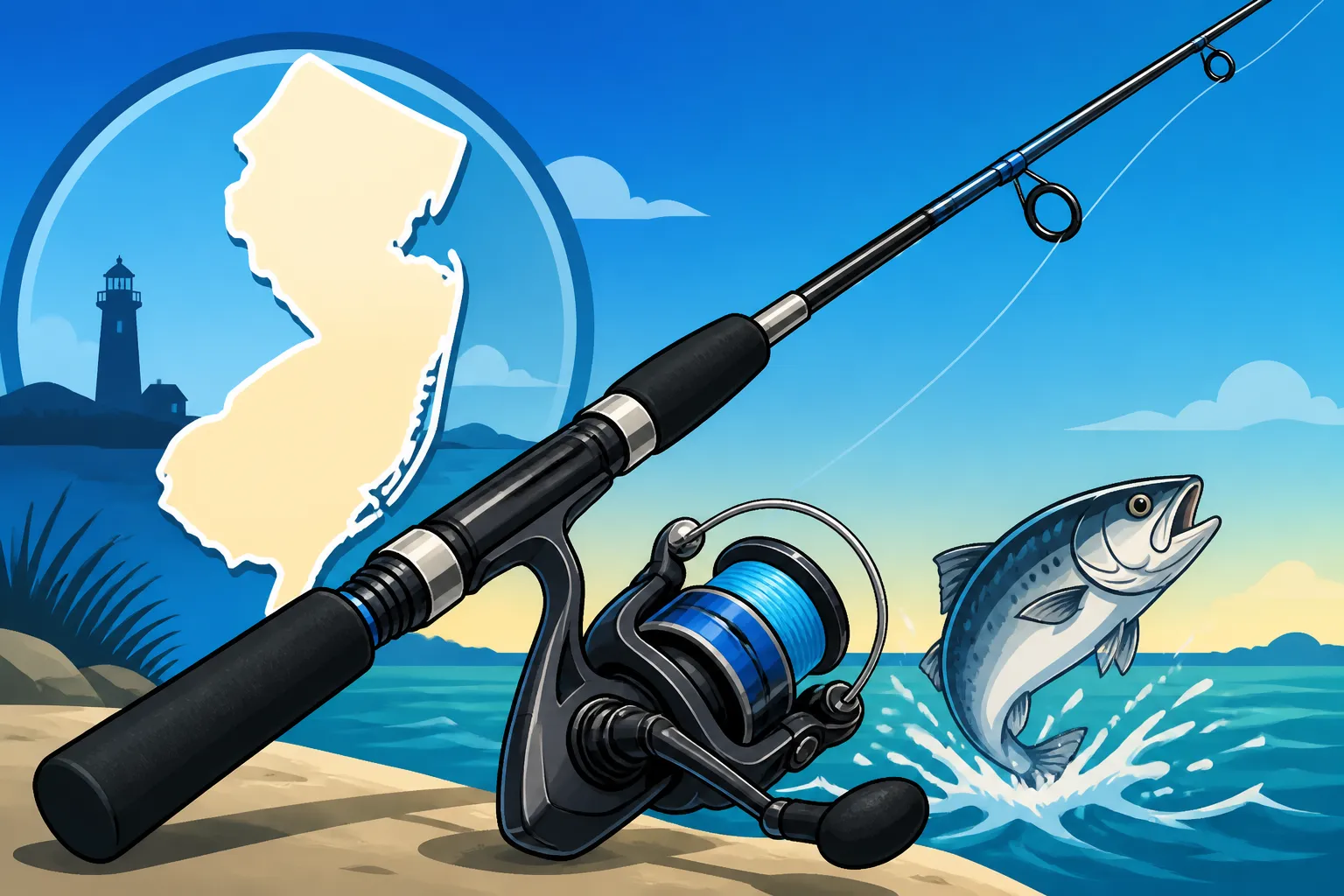
The reel is the engine of your fishing combo, and choosing the right one is just as important as the rod. For most beginners in New Jersey saltwater, a spinning reel is the way to go. They are user-friendly, less prone to backlashing, and versatile.
Reel Size and Capacity
Reel sizes are usually indicated by numbers (e.g., 2500, 4000, 6000). The higher the number, the larger the reel, meaning it holds more line and generally has more stopping power.
- 2500-3000 Series: Good for lighter bay fishing, smaller fluke, or schoolie stripers where finesse is key. These pair well with shorter, lighter rods.
- 4000-5000 Series: This is an excellent all-around size for a beginner in New Jersey. It's versatile enough for most bay fishing, pier fishing (like off the Asbury Park Fishing Pier Guide), and even light to medium surf fishing. It holds enough line for decent runs from bluefish or stripers and balances well with a 7-9 foot rod.
- 6000+ Series: Necessary for heavy surf fishing, targeting larger striped bass, or if you're planning on soaking big baits. These reels hold a lot of heavy line and offer substantial drag.
For a first combo, a 4000 or 5000 series spinning reel provides the best blend of versatility and capability for a wide range of New Jersey saltwater opportunities.
Gear Ratio and Retrieve Speed
The gear ratio tells you how many times the bail rotates around the spool with one full turn of the handle.
- Lower Gear Ratio (e.g., 4.9:1, 5.2:1): These are "power" gears, offering more torque for fighting larger fish or retrieving heavy baits/lures. The retrieve speed is slower, but you'll have an easier time cranking.
- Higher Gear Ratio (e.g., 6.2:1, 7.1:1): These are "speed" gears, allowing you to retrieve your line much faster. Great for working fast-moving lures or quickly picking up slack line.
For a beginner, a mid-range gear ratio (around 5.2:1 to 5.8:1) is ideal. It offers a good balance of power for fighting fish and speed for general lure and bait retrieval. You won't feel like you're cranking forever, nor will you struggle to reel in a decent fish.
Drag System and Smoothness
The drag system is perhaps the most critical component of a saltwater reel. It allows line to be pulled off the spool when a fish pulls hard, preventing your line from breaking or your rod from snapping.
- Front Drag vs. Rear Drag: Most saltwater spinning reels have a front drag system, which typically offers larger drag washers and smoother, more consistent performance. Rear drag reels are less common in saltwater.
- Drag Material: Look for reels with carbon fiber or sealed multi-disc drag systems. These provide smooth, consistent pressure without sticking or jerking, which is vital when a big fish makes a run.
- Max Drag: While beginners don't need the absolute highest max drag, ensure it's adequate for the species you're targeting. A 4000-5000 size reel should offer at least 15-20 pounds of max drag, which is plenty for most New Jersey inshore and nearshore species. Always check that the drag feels smooth when you pull line off the spool by hand.
Corrosion Resistance and Construction
Just like the rod, the reel needs to stand up to saltwater.
- Body Material: Graphite bodies are lighter and more affordable but can be less rigid. Aluminum or a combination of aluminum and graphite offers greater rigidity and durability.
- Bearings: Look for sealed stainless steel ball bearings. The number of bearings (e.g., 4+1, 5+1) can indicate smoothness, but quality often trumps quantity. "Sealed" is key for saltwater to protect against corrosion.
- Anti-Reverse: A solid instant anti-reverse system prevents the handle from spinning backward, allowing for immediate hook sets and better control during a fight.
- Line Roller: The line roller on the bail should be smooth and free-spinning. Many higher-quality reels feature a sealed line roller bearing to prevent corrosion.
Putting It All Together: Recommended Combos for New Jersey Anglers
Now that we’ve broken down the individual components, let’s talk about some practical combos that will serve a beginner well here in New Jersey. The goal is versatility and durability, giving you the best bang for your buck without feeling overwhelmed.
Versatile All-Around Bay and Light Surf Combo
If you're not entirely sure what kind of saltwater fishing you'll be doing most, or you want something that can handle a little bit of everything in New Jersey's bays and closer-to-shore areas, this is your best bet.
- Rod: A 7-foot to 8-foot, medium-heavy power, moderate-fast to fast action spinning rod. This length provides good casting distance without being unwieldy and has enough backbone for decent fish.
- Reel: A 4000-5000 series spinning reel with a mid-range gear ratio (around 5.2:1 to 5.6:1), smooth sealed drag, and corrosion-resistant components.
- Line: Spool it up with 20-30 lb braided line. Braid offers incredible sensitivity, thin diameter for longer casts, and exceptional strength for its size. You'll want to add a 20-30 lb fluorocarbon leader for abrasion resistance and invisibility.
- Target Species: This setup is fantastic for fluke, smaller striped bass, bluefish, and even some bottom fish like porgies or sea bass from piers and jetties. It's a great choice if you're looking to explore fishing spots from Great Egg Harbor Bay Fishing Guide to Shark River Inlet.
You can find many excellent brands offering combos in this range. A quick search on Amazon will show you options from Penn, Daiwa, and Shimano, all known for producing reliable saltwater gear.
Dedicated Surf Fishing Starter Combo
For those who know they want to brave the waves and cast from the beach, a more specialized setup is needed to get your bait or lure past the breakers and handle the powerful fish that patrol the surf zone.
- Rod: A 9-foot to 10-foot, medium-heavy to heavy power, moderate-fast to fast action spinning rod. The extra length is crucial for casting distance and managing your line in the waves, which is vital for effective New Jersey Surf Fishing Techniques.
- Reel: A 6000-8000 series spinning reel with a robust, sealed drag system and a larger line capacity. A slightly lower gear ratio (4.9:1 to 5.2:1) can provide more cranking power for heavier sinkers and bigger fish. Again, corrosion resistance is paramount.
- Line: Load it with 30-50 lb braided line. This heavier braid is necessary for casting heavier weights and battling larger fish in strong currents. Always use a strong leader, usually 40-80 lb mono or fluorocarbon, especially when fishing for striped bass, to absorb shock and resist abrasion.
- Target Species: This combo is purpose-built for tackling striped bass, bluefish, and larger fluke from the beach. It’s perfect for deploying different types of Best Bait for Surf Fishing in New Jersey.
Brands like Penn and Daiwa offer excellent surf combos that are often available on Amazon or at local tackle shops across New Jersey. While this combo is heavier, it will prevent you from being under-gunned when that trophy striper hits.
Entry-Level Pier and Jetty Combo
Fishing from a pier or jetty offers its own unique set of challenges and opportunities. You're often fishing deeper water immediately, and sometimes need to maneuver fish around structure.
- Rod: A 7-foot to 9-foot, medium to medium-heavy power, fast action spinning rod. The length depends on how far you need to cast and the height of the pier/jetty. A faster action helps with jigging and feeling bites.
- Reel: A 3000-5000 series spinning reel with a smooth, sealed drag. A mid-to-high gear ratio (5.6:1 to 6.2:1) is good for retrieving lures quickly or pulling fish away from pilings.
- Line: 15-25 lb braided line with a 20-30 lb fluorocarbon leader.
- Target Species: This is excellent for jigging for fluke or black sea bass around structure, casting for schoolie striped bass or bluefish, or soaking bait for a variety of bottom dwellers. Many of the Best New Jersey Piers and Jetties for Shore Fishing will be perfect for this setup.
This setup is a fantastic option for a day at the Belmar Fishing Pier or any other popular shore-access spot. Remember to consider the fishing conditions, like if you're casting into a strong current when learning How to Fish a Falling Tide.
Example Combo Comparison Table
| Feature | Versatile Bay/Light Surf Combo | Dedicated Surf Fishing Combo | Pier/Jetty Combo |
|---|---|---|---|
| Rod Length | 7-8 feet | 9-10 feet | 7-9 feet |
| Rod Power | Medium-Heavy | Medium-Heavy to Heavy | Medium to Medium-Heavy |
| Rod Action | Moderate-Fast to Fast | Moderate-Fast to Fast | Fast |
| Reel Size | 4000-5000 series | 6000-8000 series | 3000-5000 series |
| Gear Ratio | Mid-range (5.2:1 – 5.6:1) | Mid-to-low (4.9:1 – 5.2:1) | Mid-to-high (5.6:1 – 6.2:1) |
| Line (Braid) | 20-30 lb | 30-50 lb | 15-25 lb |
| Leader | 20-30 lb Fluorocarbon | 40-80 lb Mono/Fluoro | 20-30 lb Fluorocarbon |
| Common Targets | Fluke, Schoolie Stripers, Bluefish, Porgies | Larger Striped Bass, Bluefish, Larger Fluke | Fluke, Sea Bass, Stripers, Bluefish, Croakers |
| Best For | General bay fishing, light boat, small piers | Open beach, casting heavy baits/lures | Piers, jetties, fishing around structure |
Essential Accessories and What to Bring on Your First New Jersey Saltwater Trip
Having the right rod and reel combo is fantastic, but don't overlook the little things that make a huge difference, especially for a beginner. A few smart additions can make your first few trips much more enjoyable and successful. Plus, always make sure you're up to date on your New Jersey Saltwater Registry Explained before heading out.
Line and Leaders
We touched on this, but it's worth emphasizing:
- Braided Line: This is a game-changer for saltwater. Its strength, lack of stretch (for sensitivity), and thin diameter are huge advantages. As mentioned, 20-50 lb test is a good range depending on your combo.
- Fluorocarbon Leaders: Braid is visible to fish and doesn't handle abrasion well. A leader of fluorocarbon line (which is nearly invisible underwater and very abrasion-resistant) is crucial. Learn how to tie a good connection knot, like a Double Uni or FG knot, for strong, reliable performance. Knowing Best Knots for Saltwater Fishing will save you a lot of heartache.
Terminal Tackle Basics
This is the collection of hooks, sinkers, swivels, and lures you'll need.
- Hooks: A variety of sizes (e.g., 1/0 to 5/0 circle hooks for bait fishing, J-hooks for lures) to match your bait and target species.
- Sinkers: Pyramid sinkers for surf fishing, or bank/egg sinkers for bay and bottom fishing, in various weights (1-6 oz).
- Swivels and Snaps: Ball bearing swivels reduce line twist, and snaps make changing lures easier.
- Lures/Baits: Start with a few versatile options. For fluke, bucktail jigs or Gulp! Swimming Mullets are excellent. For striped bass and bluefish, consider Kastmasters, poppers, or a basic How to Tie a Fluke Rig for bait fishing. Live or fresh bait (like bunker, clam, or mackerel) can be bought at local tackle shops.
Essential Tools and Safety Gear
These aren't optional; they're vital for a smooth and safe trip.
- Pliers/Forceps: Crucial for removing hooks from fish (and occasionally yourself) and cutting line. Rust-resistant pliers are a must.
- Line Clippers: Small, sharp clippers make quick work of line.
- Rag/Towel: Saltwater is messy. You'll need this for wiping hands, cleaning fish, or drying gear.
- Sun Protection: Hat, sunglasses (polarized are amazing for seeing fish and structure underwater!), and sunscreen. Even on cloudy days, the sun reflects off the water.
- First-Aid Kit: Small cuts and scrapes happen. Keep a basic kit handy.
- Cooler with Ice: Essential for keeping your catch fresh if you plan to take fish home. Remember to check New Jersey Daily Bag Limits by Species to ensure you're fishing legally.
- Fishing License/Saltwater Registry Proof: Always carry your proof of license, whether it's a printed copy or on your phone.
A Note on Budget-Friendly Options
You absolutely do not need to spend a fortune on your first combo. Many reputable brands offer excellent beginner combos that are very affordable. Look for sales at sporting goods stores or browse online retailers like Amazon for complete rod and reel sets that fit your chosen fishing style. The key is to prioritize features like corrosion resistance, a smooth drag, and the correct power/action for what you want to catch in New Jersey. A modest investment in quality gear from the start will save you money and frustration in the long run.
Taking Care of Your Saltwater Fishing Combo
You've invested in a great beginner combo; now it's time to make sure it lasts. Saltwater is incredibly corrosive, and neglecting your gear means it will quickly become a rusty, grinding mess. A little care goes a long way in ensuring your rod and reel remain smooth and functional for many seasons to come.
The Importance of Rinsing After Every Trip
This is non-negotiable for saltwater gear.
- The Process: As soon as you get home, thoroughly rinse your rod and reel with fresh tap water. Don't use a high-pressure hose, as this can force water into the reel's internal mechanisms. A gentle stream is all you need. Pay close attention to the reel seat, guides, and all parts of the reel.
- Drying: After rinsing, gently wipe down your rod and reel with a clean cloth. Then, let it air dry completely in a well-ventilated area, out of direct sunlight. Never store wet gear.
- Saltwater's Impact: Even a tiny amount of dried saltwater can cause significant damage. It forms microscopic crystals that are highly abrasive and corrosive, attacking metal components and seizing up bearings. This simple rinse is the most effective thing you can do to extend the life of your equipment.
Basic Lubrication and Maintenance
While a beginner doesn't need to disassemble their reel after every trip, some basic lubrication can help.
- Reel Maintenance: After rinsing and drying, apply a light coat of corrosion-inhibiting spray (like silicone spray or a specialized reel protectant) to the exterior metal parts of your reel. You can also put a tiny drop of reel oil on the handle knobs and the bail arm's pivot points.
- Avoid Over-Lubrication: Less is more with reel lubricants. Too much can attract dirt and grime. Follow the manufacturer's recommendations.
- Line Care: Check your line for nicks, frays, or abrasion after each trip, especially the first few feet near your leader. If you find damage, cut it off. Over time, you'll need to replace your line entirely, as it weakens from use, sun exposure, and memory.
Storage Tips for Longevity
Proper storage protects your investment when you're not using it.
- Indoors is Best: Store your rod and reel indoors, away from extreme temperatures, humidity, and direct sunlight. A garage can work, but avoid damp basements or sheds.
- Rod Racks: Use a rod rack or hang your rods vertically to prevent them from warping. Avoid leaning them in corners where tips can be bent or guides can be crushed.
- Reel Protection: Consider a reel cover or pouch to protect your reel from dust and accidental bumps during storage.
By following these simple steps, your beginner rod and reel combo will be ready for countless fishing adventures along the New Jersey coast, from the spring striper run to chasing fluke in the summer. Remember, an angler who cares for their gear is an angler who spends more time fishing and less time fixing.
Disclaimer
This article is for general informational purposes only and does not constitute professional advice. Laws, prices and regulations vary by location and change over time. Consult a qualified professional for guidance on your specific situation.