How to Fish Clear Water Lakes Like Round Valley Reservoir
Let's be honest, fishing a crystal-clear lake like New Jersey's Round Valley Reservoir can feel incredibly intimidating. You can see everything, right? So can the fish! That beautiful transparency that makes for stunning scenery also means every glint of your line, every unnatural movement of your lure, and even your own shadow on the water's surface can send fish scattering. It's a common frustration, feeling like the fish are always one step ahead, but don't give up! This guide is going to walk you through the specific strategies and mindset shifts you need to successfully fool those wary fish in clear water lakes.
Understanding the Unique Challenges of Clear Water
Fishing clear water isn't just "regular fishing, but harder." It's a completely different ballgame that demands a shift in your approach, your gear, and your presentation. What works wonders in a murky farm pond or a stained tidal river often fails spectacularly in a pristine, deep lake. The fundamental challenge lies in the fish's enhanced sensory world.
How Visibility Affects Fish Behavior
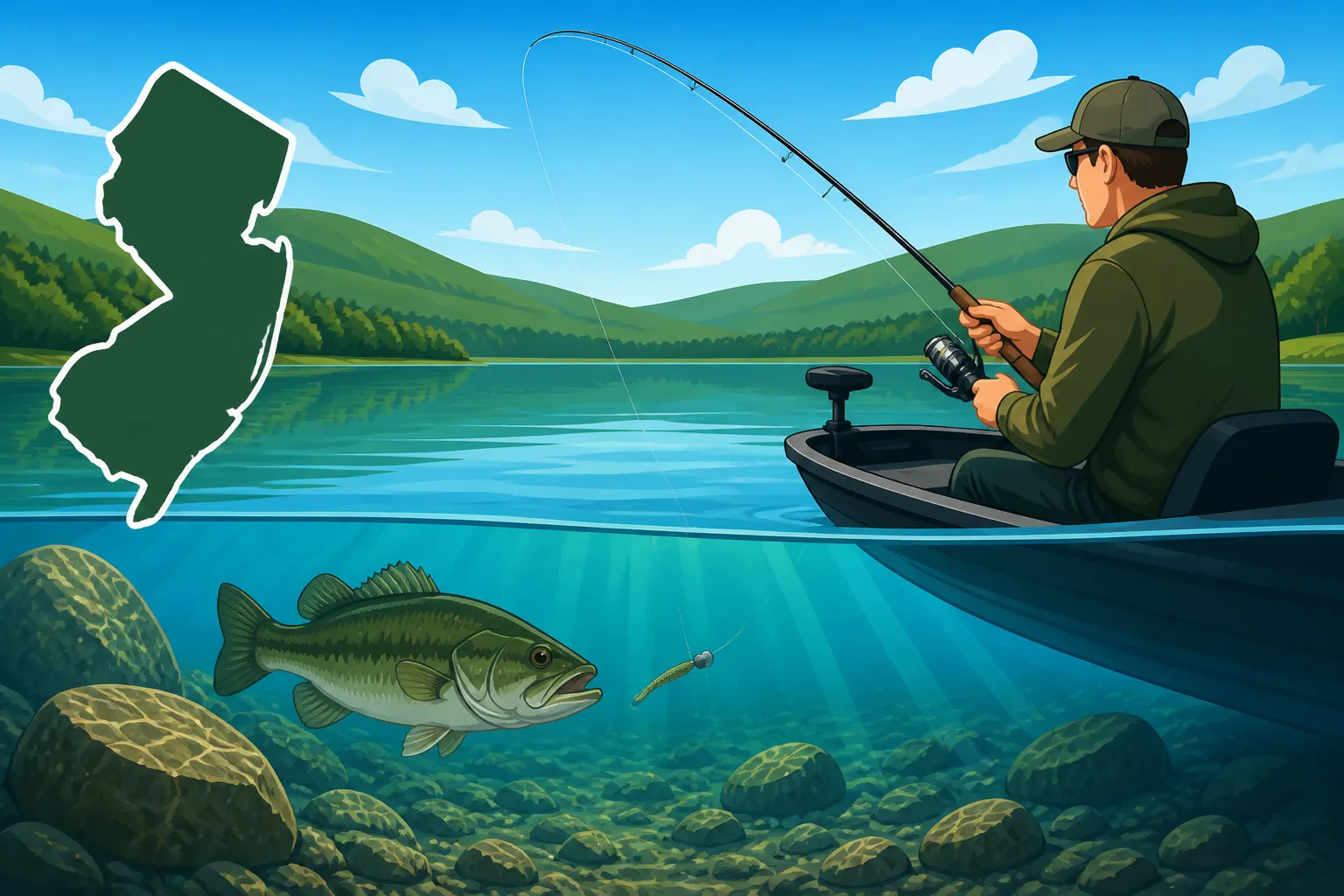
Imagine you're a fish in Round Valley Reservoir. The water is so clear you can often see down 15, 20, even 30 feet on a good day. Every ripple, every shadow, every twig on the bottom is visible. This means the fish living there are constantly under surveillance, not just from predators, but also from you, the angler. They evolve to be incredibly wary.
Firstly, their vision is optimized for this clarity. They can spot your fishing line, especially monofilament, from a significant distance. That bright yellow or green line that helps you track your lure in stained water is practically a neon sign screaming "predator!" in clear water. This heightened visibility also extends to your lure. A bass or a lake trout can get a very good look at your offering, scrutinizing its color, shape, and action. If it looks unnatural, too big, or too aggressive, they'll simply ignore it, or worse, flee. This "spook factor" means you need to think like a stealth predator, not a loud, splashing angler. Every cast, every retrieve, every step you take near the shore needs to be deliberate and quiet.
The Impact of Light Penetration
Another significant factor in clear water lakes is the deep penetration of sunlight. In murky or stained water, light is absorbed quickly, creating darker conditions even a few feet below the surface. But in clear water, sunlight can reach much deeper, illuminating structure and bottom features. While this sounds good for us – "I can see the fish!" – it also means the fish are well aware of their surroundings.
This deep light penetration often pushes fish to seek refuge in deeper, darker water during bright daylight hours. They might hug the bottom, hide in dense weed beds, or seek out the shade provided by submerged timber, docks, or overhanging banks. Surface activity, especially from larger, more cautious fish, tends to diminish significantly during midday sun. As anglers, this means we need to be prepared to fish deeper, understand how light affects fish location throughout the day, and sometimes, even embrace fishing during low-light conditions when the sun isn't directly overhead. It completely changes how we approach finding fish and then presenting to them.
Gear and Tackle Adjustments for Stealth
When you're fishing clear water, your tackle choices become incredibly important. It's not just about having a rod and reel; it's about having the right rod and reel, and the almost invisible line, to fool those sharp-eyed fish.
Lighter Line and Fluorocarbon Leaders
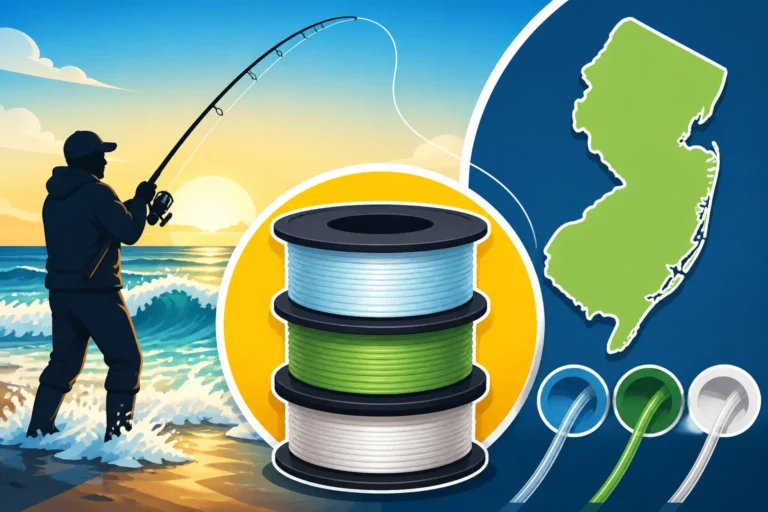
This is arguably the most critical adjustment you'll make for clear water. Forget about that heavy, visible monofilament or braided line directly tied to your lure. Clear water demands invisibility. Fluorocarbon line is your best friend here, and for good reason. It has a refractive index very close to that of water, making it incredibly difficult for fish to see underwater. Compared to monofilament, which can look like a thick string, fluorocarbon practically disappears.
I always recommend using a braided main line (for strength, sensitivity, and casting distance) and then tying on a fluorocarbon leader. The leader should be long enough to offer a significant "invisible" connection to your lure – I usually go for at least 6-8 feet, sometimes even longer if I'm fishing very shallow or ultra-clear areas. For most clear water presentations, think light: 6 to 10-pound test fluorocarbon leaders are common for bass and trout, while targeting larger lake trout in Round Valley Reservoir might call for 10-15 pound test, especially if you're Trolling Techniques for New Jersey Lake Trout. You can find a wide array of quality fluorocarbon leaders on Amazon, and having a few different pound tests ready will serve you well. Don't cheap out on your leader material; it's your direct link to the fish and their perception of your bait.
Rod and Reel Selection for Finesse
Your rod and reel need to complement your lighter line and more subtle presentations. For clear water, a sensitive, lighter action rod is generally preferred. This allows you to feel the most delicate bites that often characterize wary fish, and it also helps you make accurate, soft casts without spooking fish.
Spinning setups are often favored for finesse clear-water tactics, as they excel at casting lightweight lures and handle lighter lines more effectively than most baitcasting reels. A rod in the 6'6" to 7'6" range with a medium-light or medium action will give you the sensitivity and backbone needed. The longer rod aids in casting distance, which is key for staying far away from spooky fish. Paired with a reel in the 2000-3000 size range, spooled with 10-15 pound braided line, you'll have a versatile setup capable of handling a variety of clear water techniques. For instance, when you're How to Catch Largemouth Bass in Early Spring in a clear lake, a finesse setup can make all the difference.
Hook Size and Lure Profile
Every detail matters in clear water, and that includes your hook and lure. When fish have a clear view, they'll notice an oversized, clunky hook that looks out of place on a small bait. Go with smaller, finer wire hooks that are incredibly sharp. This allows for better hook penetration on subtle bites and minimizes the visual footprint.
For lures, think natural and subtle. Forget the loud, vibrant colors that might draw attention in stained water. In clear water, natural greens, browns, clear, and watermelon shades tend to outperform. Mimic the baitfish or insects present in the lake. Smaller profiles are also generally more effective. If you're throwing a 4-inch swimbait in murky water, try a 2.5-inch or 3-inch version in clear conditions. The goal is to present something that looks utterly convincing and non-threatening. When you're fishing for Round Valley Reservoir Lake Trout Fishing, a small, silver spoon or a subtle tube jig can be far more effective than a large, flashy bait.
Mastering Presentations and Baits for Skittish Fish
Once you have your gear dialed in, it's all about how you present your bait. This is where the artistry of clear water fishing really comes into play. You need to be methodical, patient, and subtle.
Long Casts and Approach Angles
In clear water, fish can spot you from a distance, or at least sense your presence through vibrations. The absolute best way to combat this "spook factor" is to stay as far away from your target zone as possible. This means practicing your long casts. Use the wind to your advantage when possible to increase distance and accuracy, but always be mindful of how your boat or even your shadow might be perceived by the fish.
Think about your approach angles. Instead of casting directly at a visible structure, try casting past it and retrieving your lure through the strike zone. If you're fishing a shoreline, cast parallel to it, allowing your lure to stay in the feeding zone for a longer period while you remain further out. For shore anglers, this means stealthily approaching the water's edge, keeping a low profile, and making those long, gentle casts. On a sunny day, avoid casting your shadow directly over the water you intend to fish. These small details can make a huge difference, especially in a place like Island Beach State Park Shore Fishing Rules if you were trying to apply this to clear ocean water from the beach.
Subtle Bait and Lure Choices
When it comes to bait and lures for clear water, "less is more" and "natural is best" are your guiding principles. Forget aggressive actions and loud rattles unless the fish are in a highly active feeding frenzy (which is rare in ultra-clear conditions). Instead, lean into finesse presentations.
- Drop Shot Rigs: These are incredibly effective. A small plastic worm or creature bait suspended above a weight allows for subtle, natural movement with minimal rod tip twitches. The bait looks weightless and enticing.
- Ned Rigs: A small mushroom-head jig paired with a short, buoyant plastic worm creates a subtle, upright presentation on the bottom. It's fantastic for bass and even panfish.
- Small Swimbaits and Grubs: These, in natural colors, can mimic baitfish perfectly. Again, think smaller profiles – 2-3 inches.
- Live Bait: If legal and accessible, live shiners, nightcrawlers, or crayfish are often irresistible. Present them naturally, with minimal weight or under a small float. For Round Valley, minnows are a fantastic option for trout.
- Spoons: Especially for deep-water trout and salmon, a small, fluttery spoon can imitate dying baitfish. Consider the Best Bait for Round Valley Reservoir Trout in Spring, which often leans towards natural presentations.
When selecting soft plastics, opt for clear, smoke, green pumpkin, and watermelon colors. Brands like Berkley or Keitech offer fantastic options for subtle presentations, and you can often find great bulk deals on finesse baits through Amazon.
Slow and Natural Retrieve Techniques
You've got the gear and the subtle bait; now, how do you work it? Aggressive retrieves, fast reeling, and erratic movements are generally counterproductive in clear water. Fish have time to inspect your lure, and if it's moving too fast or unnaturally, they'll often reject it.
The key is a slow, methodical, and natural retrieve. Think about what a natural prey item would do. A dying baitfish doesn't dart around wildly; it shimmies and falls. An insect doesn't fly across the bottom at top speed; it crawls or drifts.
- For soft plastics on jig heads or drop shots: Use small twitches of the rod tip, letting the bait pause and settle before moving it again. Maintain contact with the bottom if fishing vertically.
- For swimbaits: A slow, steady retrieve with occasional pauses is often best. Let the natural tail action do the work.
- For spoons: Allow them to flutter on the fall, then retrieve slowly with subtle jerks to imitate a struggling baitfish.
Patience is a virtue here. Give the fish time to approach, inspect, and commit. Sometimes, the bite will be incredibly light – a subtle tick or just a feeling of "weight" on the line. This is where your sensitive rod and fluorocarbon leader really shine, transferring every little sensation back to your hands. It's a technique that takes practice, but once mastered, it can lead to incredible success.
Best Times and Locations for Success
Even with the right gear and presentation, timing and location are paramount in clear water lakes. Understanding when and where fish feel most comfortable to feed can significantly increase your catch rates.
Low Light Conditions and Overcast Days
This is perhaps the biggest secret weapon for clear water anglers. When the sun is high and bright, fish retreat. But as the light diminishes, their confidence often increases, and they venture out from cover to feed.
- Early Morning: The first hour or two after sunrise provides fantastic opportunities. The water is often cooler, less disturbed, and the reduced light penetration allows fish to move shallower. This is a prime time for topwater lures or targeting fish along visible edges.
- Late Evening/Dusk: As the sun dips below the horizon, fish become more active again. This period can be even better than morning, as the water has had all day to warm up (if it's a cold-water species, this might mean they're still deep, but for bass and panfish, it's game on).
- Night Fishing: Don't overlook fishing after dark, especially for larger, predatory fish that are extremely wary during the day. Bass and trout can be much more aggressive under the cloak of night. Use dark-colored lures that create a strong silhouette against the faint moonlight.
- Overcast or Rainy Days: Heavily overcast skies act like a giant diffuser, reducing light penetration into the water at all depths. This can make fish more active throughout the day, as they feel less exposed. A light, steady rain can also put a subtle ripple on the surface, further breaking up light and disguising your presence. If you've been wondering When Does New Jersey Trout Season Open in 2026?, keep these light conditions in mind for your first outing.
Deep Water and Structure Fishing
Given the deep light penetration, fish in clear lakes frequently gravitate towards deeper water during bright periods, seeking comfort and security. This means you need to be proficient in identifying and fishing various types of deep-water structure.
- Drop-offs and Ledges: These are prime locations where fish transition from shallow to deep water. Look for contour changes on your depth finder or maps. Fish will often hold on the deeper side of the ledge, looking up into the shallows for passing prey.
- Humps and Points: Submerged humps (underwater hills) and points extending from the shore provide ambush points. Fish will sit on top, along the sides, or around the base of these structures.
- Submerged Timber and Brush Piles: Any kind of woody cover provides shade, protection, and often holds baitfish. Vertical jigging or pitching drop shots into these areas can be highly effective.
- Weed Lines: Even in clear water, certain aquatic vegetation can thrive. The deep edge of a weed line (where the weeds thin out or meet open water) is a fantastic place for fish to hide and ambush prey.
- Rock Piles and Boulders: These offer structure and crevices for baitfish and invertebrates, attracting predators. Large rocks can also provide shade. Learning How Deep Is Round Valley Reservoir? can give you a better idea of the deep structure available for fishing.
Targeting Specific Species
While the principles of clear water fishing apply broadly, specific species will require slight modifications.
- Lake Trout (like in Round Valley): These cold-water predators almost always prefer deeper, cooler water. Vertical jigging small spoons or soft plastics, or Trolling Techniques for New Jersey Lake Trout with downriggers, will be your primary methods. They are incredibly sensitive to line visibility.
- Largemouth and Smallmouth Bass: While largemouth might hug the deep weed lines and timber, smallmouth often prefer rocky humps, points, and transition zones. Finesse techniques like drop shots, Ned rigs, and shaky heads are absolute killers.
- Trout (stocked or wild): In streams, the rules for clear water still apply, demanding stealth and finesse. Fly fishing with light tippets and delicate presentations (like Nymphing Techniques for Trout Streams) is often king. In lakes, they'll often cruise along deep edges or suspend over structure.
The table below offers a quick comparison of tactics that generally work well in clear versus murky water, highlighting just how much you need to adjust your approach.
| Feature / Tactic | Clear Water Lakes (e.g., Round Valley) | Murky/Stained Water Lakes (e.g., some pond in South Jersey) |
|---|---|---|
| Line Choice | Braided main line with long fluorocarbon leader (6-10 lb test common) | Monofilament or heavier braid (10-20 lb test common), sometimes no leader |
| Lure Color | Natural (green pumpkin, clear, smoke, brown), silver/gold for baitfish imitations | Bright (chartreuse, orange, white), dark silhouettes |
| Lure Action | Subtle, natural, slow-falling, finesse presentations (drop shot, Ned rig) | Aggressive, loud (rattles, thumping blades), larger profiles |
| Retrieve Speed | Slow, methodical, with pauses and subtle twitches | Often faster, erratic, reaction strikes |
| Approach | Stealthy, long casts, avoid shadows, stay distant from target | Can be more direct, fish less wary of immediate presence |
| Best Fishing Times | Low light (dawn, dusk, night), overcast days | Often good throughout the day, especially if wind is present |
| Preferred Depths | Deeper during bright sun, shallower during low light | Can be shallower for longer periods, often relates to cover/structure directly |
| Hook Size | Smaller, finer wire, sharp | Can use slightly larger, heavier hooks for presentation |
Ultimately, fishing clear water like Round Valley Reservoir demands a blend of patience, observation, and a willingness to adapt your conventional techniques. It's a challenging but incredibly rewarding experience when you crack the code and finally land that wary fish. Don't be afraid to experiment, and always keep that fish's perspective in mind – if you can see it, it can probably see you!
Disclaimer
This article is for general informational purposes only and does not constitute professional advice. Laws, prices and regulations vary by location and change over time. Consult a qualified professional for guidance on your specific situation.