New Jersey Trout Season: Spring vs Fall
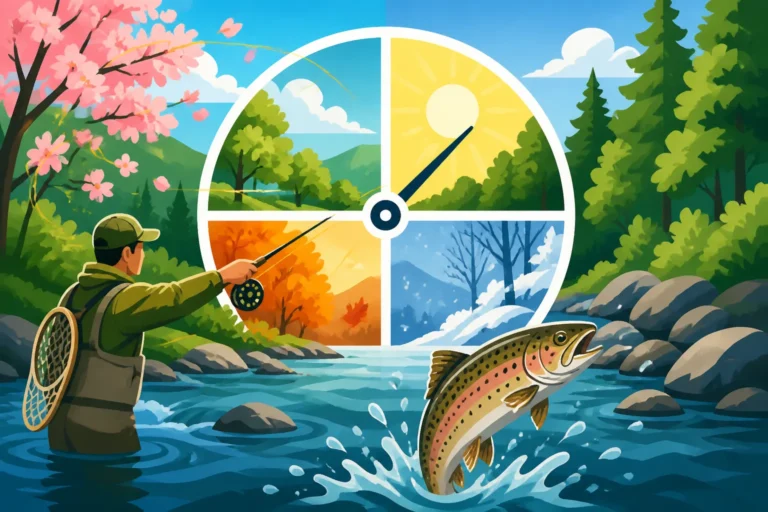
Many New Jersey anglers find themselves caught between the fervent excitement of spring trout season and the tranquil, often more challenging, beauty of autumn trout fishing. Each period offers its own distinct charm, a unique set of challenges, and different rewards, leaving many wondering which season truly reigns supreme for chasing these beautiful fish. This comprehensive guide aims to clear up that perennial debate, meticulously detailing the differences, advantages, and specific techniques that will help you make the most of New Jersey's diverse trout fishing opportunities, whether the daffodils are blooming or the leaves are falling.
Understanding New Jersey's Dedicated Trout Stocking Program
New Jersey isn't naturally teeming with large, self-sustaining trout populations in every waterway. That's why the New Jersey Department of Environmental Protection (NJDEP) Division of Fish and Wildlife runs an incredibly robust and well-organized trout stocking program, ensuring that anglers across the state have ample opportunities to wet a line for these prized game fish. This isn't just a casual endeavor; it's a massive operation that transforms many of our rivers, streams, and lakes into vibrant fishing destinations.
The NJDEP's Pivotal Role in Sustaining Trout Fisheries
At the heart of New Jersey's trout fishing success is the Pequest Trout Hatchery in Oxford. This isn't just some small operation; it's a state-of-the-art facility responsible for raising hundreds of thousands of trout each year. From tiny fingerlings to hefty broodstock, these fish are carefully nurtured, fed, and prepared for their release into designated waters across all 21 counties. The dedication here is truly remarkable, with biologists and hatchery staff working tirelessly to ensure healthy, vibrant fish are available for anglers. Their goal isn't just to stock fish; it's to create memorable fishing experiences and foster a love for the outdoors. It’s an investment in both recreation and conservation, supporting local ecosystems and the communities that rely on fishing tourism. You might be surprised to learn just How Many Trout Are Stocked Each Year in New Jersey?, but it’s a staggering number that speaks to the state’s commitment.
A Look at New Jersey's Prized Trout Species
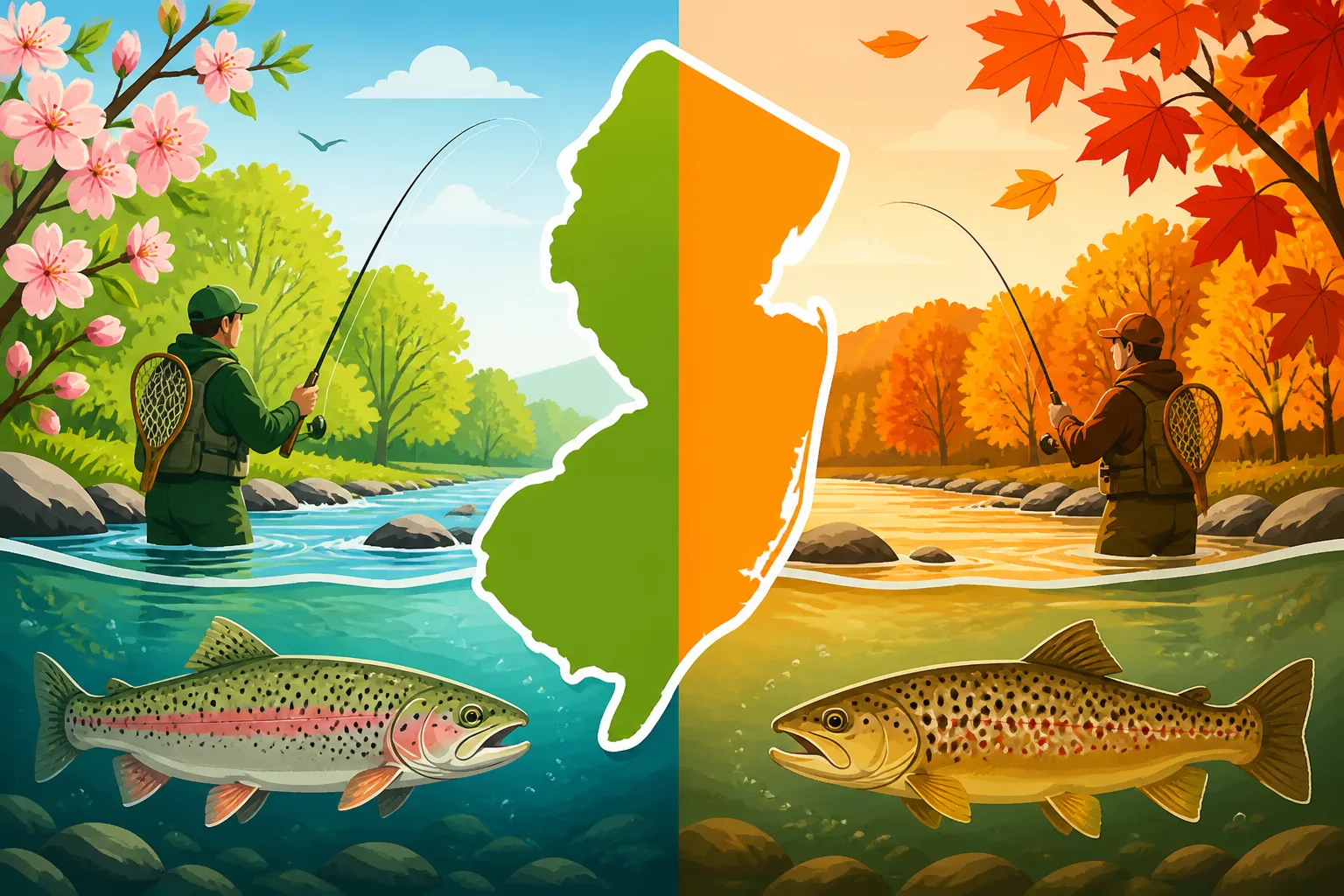
When you're out fishing in New Jersey, you're primarily going to encounter three species of trout, each with its own unique characteristics and appeal: Rainbow, Brown, and Brook Trout. Rainbows are probably the most common in stocked waters, known for their iridescent stripe and spirited fight. They tend to be quite active and will readily strike a variety of baits and lures, making them a favorite for many, especially beginners. Brown trout, on the other hand, are often a bit more elusive and wary; they're known for their beautiful spotted patterns and can grow quite large, offering a real challenge. Lastly, the Brook trout, New Jersey's native trout species, are truly stunning with their worm-like patterns and colorful fins, though you'll mostly find them stocked or in very specific cold, clear wild trout streams. Understanding the differences, and even how to identify them, can enhance your fishing experience. For a deeper dive, check out our guide on New Jersey Rainbow Trout vs Brown Trout vs Brook Trout. While the state does manage some wild trout waters, the vast majority of our recreational trout fishing opportunities come directly from the stocking program.
The Vibrant Energy of Spring Trout Season
Ah, spring trout season in New Jersey – it’s less of a fishing event and more of a state holiday for many of us. The air is still crisp, the trees are just beginning to bud, and there’s an undeniable buzz in the air as anglers, young and old, prepare for that hallowed opening day. It’s a time of tradition, excitement, and often, some very productive fishing.
The Thrill of Opening Day and Pre-Season Closures
There’s nothing quite like the collective anticipation leading up to New Jersey’s trout opening day. For weeks, the state’s designated trout waters are closed to fishing, allowing the NJDEP to conduct extensive stocking operations without interference. This period, known as the New Jersey Trout Season Preseason Closure Explained, builds a palpable excitement. When the clock finally strikes 8 AM on opening day, it’s a statewide celebration. You’ll see families huddled by the water’s edge, often with portable chairs and thermos bottles of coffee, ready to cast their lines into waters freshly teeming with fish. It's a truly unique atmosphere, a blend of camaraderie and competitive spirit. For many, it’s an annual pilgrimage, a chance to reconnect with nature and family, marking the true beginning of spring. You can get details on the specific start times and dates in our guide on the New Jersey Spring Trout Stocking Start Date. It's worth noting that while most trout waters close, certain Trout Stocked Lakes Stay Open During New Jersey's Preseason Closure for continuous enjoyment.
Effective Tackle and Techniques for Spring Trout
During the spring season, especially right after stocking, trout tend to be a bit less wary and more aggressive due to their new environment and the abundance of food. This makes it an ideal time for a variety of straightforward techniques. For many, a simple spinning rod and reel combo, spooled with 4-6 lb test monofilament, is all you need. Live bait, particularly garden worms or mealworms, are incredibly effective, often fished under a bobber or with a small split shot to get them down to the fish. PowerBait, in its many colors and scents, is another spring staple, especially the bright, fluorescent varieties. Small inline spinners, like those from Panther Martin or Mepps, are also deadly, mimicking the flash and movement of baitfish.
When you're rigging up, consider a simple snelled hook set up with a split shot or a small worm weight. This allows your bait to drift naturally in the current or slowly sink in a pond. If you're using PowerBait, mold it around a small treble hook, allowing it to float just off the bottom. For lures, cast upstream and retrieve slowly, allowing the current to impart a natural action. You can find excellent, affordable options for these basic tackle items on Amazon, making it easy to stock up before the season kicks off. Don’t overthink it too much; often, the freshest stocked trout are eager to strike at anything that looks edible. To really dial in your bait selection, take a look at our Best Bait for Opening Day Trout guide.
Navigating Crowds and High Water Conditions
While the excitement of spring trout season is undeniable, it does come with its challenges. Expect crowds, especially on opening day and the first few weekends. Popular spots, like stretches of the Pequest River or designated trout ponds, can feel like a festival, complete with shoulder-to-shoulder anglers. This can be a bit off-putting if you're seeking solitude, but for many, it's part of the fun. To mitigate the crowds, consider fishing on weekdays or exploring lesser-known access points a bit further from main roads.
Another common factor in spring is higher water levels. Snowmelt and frequent spring rains can cause rivers and streams to swell, increasing current speeds and potentially clouding the water. While this might seem like a disadvantage, higher water can actually provide more cover for trout and spread them out across the waterway. You might need to use heavier weights to get your bait down, or switch to brighter, more visible lures if the water is stained. Safety is also key; always be aware of strong currents and slippery banks. Waders with good traction are an absolute must, which you can easily find and order through retailers like Amazon to ensure you're prepared for whatever conditions spring throws your way.
The Tranquil Beauty of Fall Trout Season
As the vibrant greens of summer give way to the warm hues of autumn, New Jersey's trout fishing undergoes a beautiful transformation. The frenetic energy of spring softens into a more contemplative, serene experience. Fall trout season offers a different kind of magic, appealing to anglers who appreciate solitude, scenic beauty, and a more refined approach to fishing.
Cooler Waters and Renewed Vigor in Autumn
One of the most significant changes in the fall is the gradual drop in water temperatures. As the crisp autumn air cools our lakes and rivers, the water becomes more hospitable for trout. These cold-water fish, which might have become sluggish during the heat of summer, experience a renewed vigor. They become more active, moving more freely throughout the water column and feeding aggressively to put on weight before winter. The NJDEP recognizes this prime opportunity and conducts a second, significant stocking program in the fall, providing fresh fish for anglers to target. Our detailed guide on New Jersey Fall Trout Stocking Dates can help you plan your trips. These fall-stocked fish, having cooler, more stable water conditions from the start, often acclimate more quickly and behave more like "wilder" trout, offering a more challenging and rewarding catch.
Refined Lures and Baits for Fall Trout
With cooler, often clearer water, and trout that have had some time to settle into their new homes (or are naturally active), fall fishing often calls for a more subtle and technical approach. While basic baits can still work, this is where finesse lures and fly fishing truly shine. Small crankbaits that imitate baitfish, like Rapala Countdown or Yo-Zuri Pin's Minnow, retrieved with an erratic stop-and-go action, can be incredibly effective. Small spoons, such as Kastmasters or Little Cleos, also work wonders, especially in lakes and wider river sections.
For those who enjoy fly fishing, autumn is arguably the best time in New Jersey. Trout in the fall are often looking for larger meals. Streamers that imitate sculpins or baitfish, fished aggressively, can entice some fantastic strikes from larger brown trout. Nymphing with imitations of caddis, stoneflies, or mayflies, particularly in deeper pockets or riffles, is also very productive. The clear water demands precise presentations and fine tippets, but the rewards are often spectacular, both in terms of fish size and the sheer beauty of the surroundings. If you're looking to brush up on your techniques, our New Jersey Trout Fishing Techniques guide has some excellent tips for all seasons.
Embracing Solitude and Autumnal Scenery
Perhaps the most cherished aspect of fall trout fishing in New Jersey is the profound sense of peace and solitude it offers. The summer crowds have dissipated, the fair-weather anglers have moved on, and you’re often left with long stretches of river or quiet lake shores almost entirely to yourself. This is the time to truly immerse yourself in nature, to enjoy the crisp air, the symphony of falling leaves, and the breathtaking tapestry of autumnal colors that paint the landscape.
It's a more introspective fishing experience, one where the act of being outdoors is as rewarding as the catch itself. You can take your time, observe the water, and meticulously plan your casts without the pressure of competing anglers. This quietude allows for a deeper connection with the environment, making each cast, each subtle strike, and each landed trout feel like a personal triumph. It’s the perfect antidote to the hustle and bustle of modern life, offering a chance to decompress and recharge amidst some of New Jersey’s most beautiful scenery.
A Direct Comparison: Spring vs. Fall Trout Fishing
While both spring and fall offer fantastic opportunities to catch trout in New Jersey, they are fundamentally different experiences. Understanding these distinctions can help you decide which season aligns best with your preferences or how to adapt your approach to maximize your success in either. It's not about one being definitively "better," but rather about what you seek from your time on the water.
Weather and Water Conditions Differ Greatly
The weather patterns and water conditions are perhaps the most stark differences between the two seasons. Spring in New Jersey can be notoriously fickle. You might have a warm, sunny day followed by a cold, rainy one, or even a late-season snow flurry. Water temperatures range from quite cold in early April, gradually warming through May. River flows are often high due to snowmelt and spring rains, which can lead to stained or turbid water, especially after heavy precipitation. This constant fluctuation keeps anglers on their toes, requiring adaptability in clothing and tactics.
Fall, on the other hand, typically brings more stable, predictable weather. While mornings can be crisp, often requiring layered clothing (easily found on Amazon for practical outdoor wear), daytime temperatures are generally milder and more consistent. Water levels in rivers and streams tend to be lower and clearer as the summer dry spell continues, and cooler air temperatures steadily drop the water towards optimal trout ranges. This clarity and stability can make for beautiful, comfortable fishing days, but it also means fish might be warier and more visible to predators, including anglers.
Understanding Trout Behavior and Aggressiveness
The behavior of trout varies significantly between spring and fall, largely influenced by stocking schedules and water conditions. In spring, particularly right after opening day and subsequent stockings, trout are often less wary and more aggressive. They’re fresh from the hatchery, encountering a vast new environment, and are often eager to strike at a variety of offerings. This "naive" behavior makes them somewhat easier to catch, especially for beginners or those seeking consistent action. The goal for these fish is often simply to feed in their new surroundings.
Come fall, the trout—especially those that have survived since spring or were part of the earlier fall stockings—have acclimated. They’ve become more attuned to their environment, understanding current flows, finding natural holding spots, and becoming more selective in their feeding. They can still be incredibly active and aggressive, particularly as they feed heavily in preparation for winter, but they often require more finesse and a more natural presentation. You might find yourself needing to downsize your lures, lighten your line, or present a fly with greater precision. This shift makes fall fishing a more challenging, and for many, a more rewarding experience.
Family-Friendly Fun Versus the Angler's Solitary Pursuit
The atmosphere surrounding trout fishing in New Jersey also changes dramatically from spring to fall. Spring trout season, especially opening day, is a community event, a family tradition for countless New Jerseyans. You’ll see kids giggling as they reel in their first trout, parents patiently baiting hooks, and friends sharing stories along the bank. It's often bustling, loud, and full of joyous chaos. It's an excellent time to introduce new anglers to the sport, as the chances of catching fish are generally higher.
Fall fishing, however, tends to be a more solitary or small-group affair. The large family gatherings are less common, replaced by dedicated anglers who are often seeking the quiet challenge and the opportunity to truly connect with the natural world. It’s a time for reflection, for honing skills, and for appreciating the serene beauty of the changing seasons without the distractions of crowds. If you're looking for a peaceful escape and a chance to truly test your angling prowess, fall is undoubtedly your season.
Here’s a quick overview of how these two distinct seasons stack up:
| Feature | Spring Trout Season | Fall Trout Season |
|---|---|---|
| Timing | Early April through May (after opening day) | Mid-September through November |
| Stocking | Heavy, multiple stockings throughout April/May | Moderate, usually one significant stocking |
| Water Temps | Cold to cool, often rising | Cool to cold, often falling |
| Water Flow | Often high, can be stained from runoff | Generally lower, clearer, more stable |
| Trout Behavior | Recently stocked, often eager to bite, less wary | Acclimated, more selective, can be very active |
| Crowd Levels | High, especially on opening day and weekends | Low to moderate, much more solitude |
| Techniques | Bait (PowerBait, worms), spinners, basic lures | Finesse lures, small spoons, fly fishing (nymphs, streamers) |
| Atmosphere | Festive, social, tradition-driven | Peaceful, scenic, contemplative, challenging |
| Gear Focus | Versatile spinning setups, basic tackle | Finesse gear, waders, layered clothing |
| License Needs | Fishing License + Trout Stamp (same for both seasons) | Fishing License + Trout Stamp (same for both seasons) |
Essential Preparation for Both Seasons
No matter which season you decide to cast your line, proper preparation is key to a successful and enjoyable trout fishing experience in New Jersey. Beyond just knowing your spots and techniques, having the right gear and understanding the legal requirements are non-negotiable. Don’t let a lack of planning ruin a perfectly good day on the water.
Your Go-To Gear Checklist
While the specific lures or baits might change between spring and fall, a core set of gear will serve you well year-round. A good quality, lightweight spinning rod (6-7 feet, light to medium-light action) paired with a reliable spinning reel spooled with fresh line (4-8 lb test monofilament or fluorocarbon) is your foundation. For serious anglers who plan to wade, a comfortable pair of waders and wading boots are indispensable, particularly in the fall when water levels are lower and accessing prime spots means getting into the stream. You might also want to carry a small tackle box or vest with essentials like extra hooks, split shot, swivels, a small pair of pliers, and a hook remover. A landing net is also a smart addition, helping you safely land and release fish.
For those who prioritize convenience and selection, stocking up on your fishing essentials online is often the best route. Websites like Amazon offer a vast array of fishing tackle, from specialized PowerBait colors for spring to delicate fly fishing leaders for fall, often at competitive prices with quick delivery. It's also a great way to research and compare different brands and products before you buy, ensuring you get exactly what you need for the conditions you'll face. And always remember to layer your clothing! Spring can start chilly and warm quickly, while fall days might be beautiful but demand insulated layers for early mornings and late evenings by the water.
Navigating Licensing and Regulations
This is probably the most critical part of your preparation: ensuring you’re legal to fish. In New Jersey, if you're 16 years of age or older, you absolutely need a valid New Jersey fishing license to fish for trout in any public waters. But it doesn’t stop there! If you plan to fish for trout, you’ll also need to purchase a New Jersey Trout Stamp, an additional endorsement specifically for trout fishing. This stamp helps fund the state's stocking program, so it’s directly contributing to the sport we all love. Without both, you could face hefty fines. For a complete breakdown, consult our comprehensive New Jersey Fishing License Guide for 2026 and our detailed explanation of New Jersey Trout Stamp Requirements Explained.
Beyond the basic licensing, it’s imperative to always check the most current regulations. New Jersey's fishing rules, including bag limits, size limits, and even specific seasonal closures, can change. Some water bodies might have special regulations, like "Trophy Trout Lakes" or "Seasonal Trout Conservation Areas." The easiest way to stay informed is to pick up a physical copy of the New Jersey Fish and Wildlife Digest at any license agent or bait shop, or download the latest version online from the NJDEP website. This vital document, which we explore in Reading the New Jersey Fish and Wildlife Digest, is your bible for New Jersey Freshwater Fishing Regulations Every Angler Should Know, outlining everything you need to know for a compliant and successful day on the water. A good practice is to carry a digital or printed copy of your license and stamp, along with the digest, whenever you’re fishing.
Locating Your Next Trout Adventure
New Jersey offers a plethora of trout fishing opportunities, from small, meandering streams to expansive reservoirs. Knowing where to go can make all the difference, especially when deciding between the bustling atmosphere of spring and the quiet allure of fall. The state does an excellent job of stocking diverse waters, ensuring there’s a spot for every angler and every preference.
Premier Spring Trout Stocked Waters
In the spring, anglers often flock to the larger, heavily stocked rivers and the numerous "Trout Stocked Lakes and Ponds" that dot the state. Rivers like the Musconetcong River, Pequest River, and the Big Flatbrook are legendary for their spring runs, receiving massive stockings of trout. These rivers offer varied terrain, from wide, accessible pools to more challenging riffles and runs, making them ideal for both bait and lure fishermen. You can often find crowds here, but the sheer volume of fish means everyone usually gets a shot at a limit.
Additionally, many county and municipal ponds are stocked specifically for spring trout season, often catering to families and younger anglers. These spots are usually very accessible, sometimes with piers or easy bank access, making them perfect for a quick, productive outing. Always keep an eye on the NJDEP's stocking schedule, which is usually released a few weeks before opening day. This schedule is your golden ticket to finding the freshest fish. Look for locations that have received multiple stockings throughout April and May, as these will sustain higher fish populations for longer.
Finding Serenity in Fall Trout Destinations
While many of the same waters that shine in spring are still excellent in the fall, the experience changes dramatically. The Musconetcong, Pequest, and Big Flatbrook rivers, for instance, become much quieter. The clear, lower water allows for sight fishing and a more technical approach. You might find fewer fish in some stretches, but the ones you do find are often larger and more eager for a fight. Fall is also a prime time to explore some of the state's "Trophy Trout Lakes" and colder, deeper reservoirs where trout thrive as temperatures drop.
Round Valley Reservoir, known for its deep, clear waters and cold-water species, becomes a fantastic fall destination, offering opportunities for brown trout and even lake trout that become more active closer to the surface. You can dive deeper into this unique fishery with our New Jersey's Round Valley Reservoir Fishing Guide. Similarly, many smaller, less pressured streams, some of which may hold wild trout populations, truly come alive in the fall. These require more hiking and exploring but offer unparalleled solitude and a chance to catch truly beautiful, native fish. For a broader view, check out New Jersey's Best Freshwater Lakes for Fishing to find other gems that fish well in autumn. The key to fall success is often mobility and a willingness to explore beyond the most obvious access points, seeking out the quiet bends and hidden pools.
Disclaimer
Fishing regulations and conditions in New Jersey can change frequently due to environmental factors, legislative decisions, and fish population management. Always consult the official New Jersey Department of Environmental Protection (NJDEP) Division of Fish and Wildlife website or the most current New Jersey Fish and Wildlife Digest for the latest and most accurate information on licenses, seasons, bag limits, and specific water body regulations before planning your fishing trip.