Why Are Marshmallows Good Bait for Stocked Trout?
It’s a question many new anglers, and even some seasoned ones, ponder when they hear it: "Marshmallows for trout bait? Seriously?" It sounds almost too simple, like something from a cartoon. But if you’ve ever found yourself struggling to get a bite, especially on those freshly stocked days in a New Jersey pond or river, this seemingly odd bait might just be your secret weapon. This guide will dive deep into why marshmallows actually work wonders for stocked trout, offering you practical advice and debunking the myths, so you can add this surprisingly effective trick to your fishing arsenal.
The Unique Appeal of Marshmallows to Stocked Trout
There's a fascinating, almost comical, truth behind why a sweet treat like a marshmallow can be so irresistible to a fish. It all boils down to the life these trout lead before they ever hit the streams and lakes of New Jersey.
Mimicking Hatchery Food Pellets
Before they're released into the wild, the vast majority of trout we catch in New Jersey's public waters come from hatcheries. And what do these hatcheries feed their fish? Small, uniform, processed pellets. These pellets are designed to be nutritionally complete, easy to distribute, and, crucially, a consistent food source.
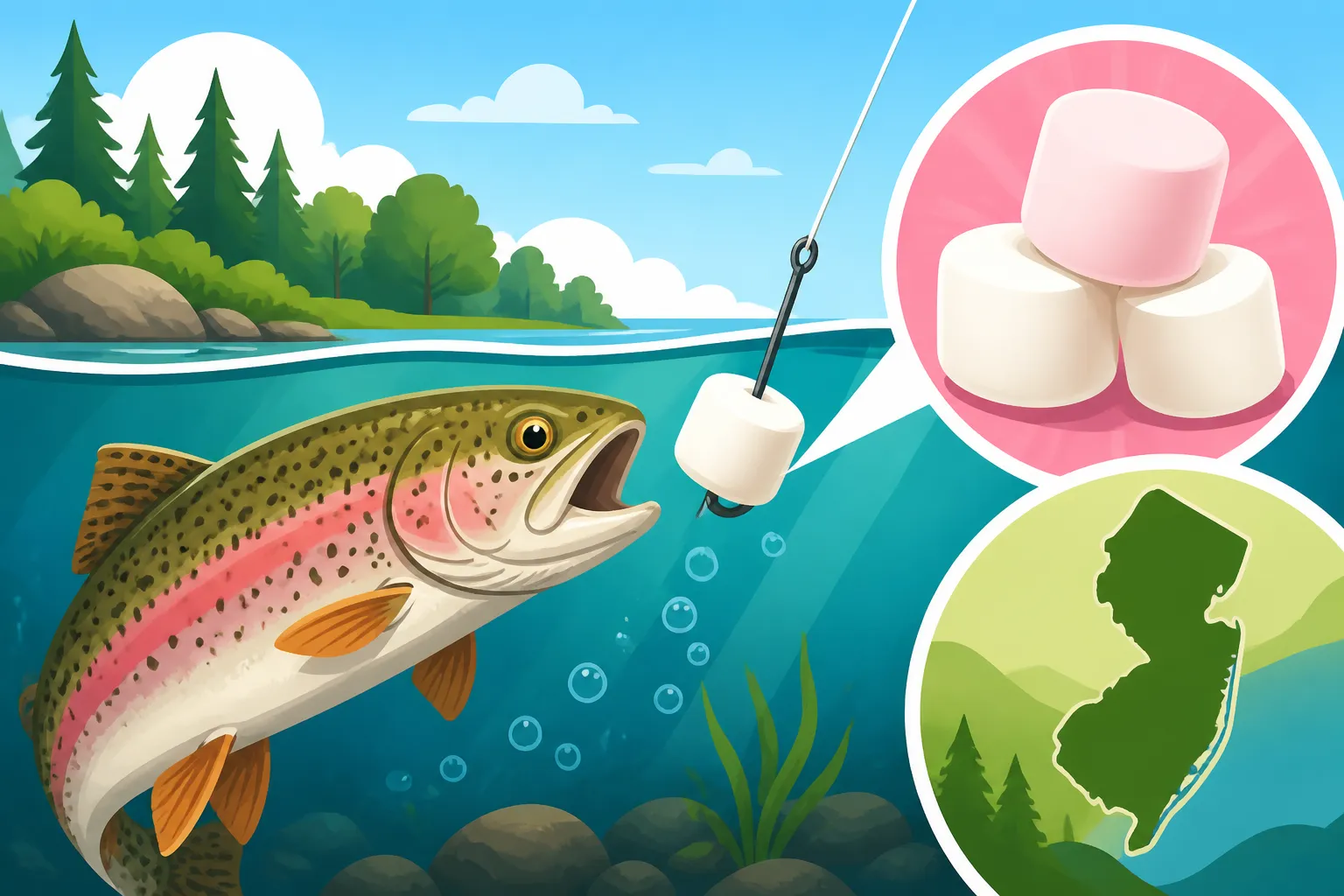
Now, think about a marshmallow. Especially a mini marshmallow. It’s roughly the same size and shape as many hatchery pellets. When these fish are released, they're often disoriented, stressed, and looking for anything that resembles the food they've known their entire lives. A white, soft, cylindrical or spherical marshmallow drifting by can be an uncanny mimic. It's like comfort food for a newly released trout. They associate that shape, that appearance, with sustenance, and their instinct to feed often overrides any natural caution. It's less about a specific flavor or scent initially, and more about visual recognition and ingrained feeding behavior. This is particularly true right after the New Jersey Spring Trout Stocking Start Date when fish are actively seeking easy meals.
Buoyancy and Presentation Advantages
One of the most significant, yet often overlooked, advantages of using marshmallows is their natural buoyancy. Unlike most baits that sink, a marshmallow floats. This characteristic opens up a world of presentation possibilities that can be incredibly effective, especially in varying water conditions found across New Jersey’s diverse fishing spots.
Imagine fishing a stream with a somewhat muddy or debris-laden bottom. If your bait sinks into the muck, it becomes invisible and less appealing to a trout. A marshmallow, however, lifts your hook and bait off the bottom, presenting it cleanly and visibly above any detritus. This means less snagging on weeds or rocks, which is a common frustration for many anglers. When you’re fishing a deep hole or a trough in a river, the marshmallow can suspend your bait at the exact depth where trout are actively feeding, rather than burying it where they might not see it. You can simply add a tiny split shot a foot or so above the hook to control how slowly it drifts down or how deep it suspends. This natural, unweighted drift makes the bait appear like a natural food item gently tumbling through the water column, something trout are accustomed to encountering in their wild habitat. For anglers just starting out, this forgiving presentation can be a game-changer, helping to avoid frustrations and increase hook-up rates.
Scent and Visual Stimuli
While marshmallows aren't typically considered "scented bait" in the same way PowerBait or worms are, they do offer subtle attractions and, more importantly, a strong visual appeal. The mild sweetness from the sugar can dissolve slightly in the water, releasing a faint attractant that might pique a trout's curiosity. Some anglers even prefer flavored marshmallows (vanilla, strawberry) believing these added scents provide an extra edge, though scientific consensus on their effectiveness compared to plain white ones for trout is mixed.
However, the visual aspect is undeniable. The bright white color of a standard marshmallow stands out remarkably well, especially in the often tannin-stained or slightly turbid waters of many New Jersey lakes and rivers. Against a dark bottom, or in low light conditions, that bright speck becomes a beacon. Trout, being opportunistic feeders, are drawn to anything that looks conspicuous and edible. This visual stimulus can mimic various natural food sources, from small insect larvae to fish eggs, or even just another pellet. The bright color, combined with its unique buoyant presentation, makes the marshmallow highly noticeable to actively feeding trout. It’s not just about the smell; it's about catching their eye and triggering that conditioned response from their hatchery days.
Practical Tips and Strategies for Using Marshmallows in New Jersey
Ready to give marshmallows a try? While it might seem straightforward, a few key strategies can significantly boost your success rate when targeting stocked trout in New Jersey’s waters.
Choosing the Right Marshmallow and Rigging
Believe it or not, there's a little more to it than just grabbing any old bag of marshmallows from your pantry. When it comes to trout, size matters, and so does your rigging.
Most experienced trout anglers favor mini marshmallows. Their smaller profile more closely resembles a food pellet or even a chunk of corn. Regular-sized marshmallows can be effective too, especially if you tear them into smaller, irregular pieces to create a more natural, fragmented look. You can find both types easily at any grocery store, or if you're planning extensive fishing trips, you can even stock up on bulk packs of mini marshmallows on Amazon. Plain white marshmallows are generally the most popular, but don't shy away from experimenting with colored or flavored varieties. Sometimes, a bright pink or yellow marshmallow can be the ticket, especially if the fish are ignoring white.
When it comes to rigging, simplicity is key. Use a small, sharp hook – a size 10 or 12 bait hook is usually perfect, though some go as small as a 14, especially for finicky trout. Thread one or two mini marshmallows onto the hook, just enough to cover the barb and leave a little fluff around the point. You want it to be securely on the hook but still look soft and appealing. Many anglers also find success by combining a marshmallow with other popular baits. A classic pairing is a marshmallow with a small piece of corn, or even a tiny chunk of a worm or a single mealworm. The marshmallow provides buoyancy and visual appeal, while the other bait offers natural scent and texture. You can also form a small ball of Berkley PowerBait around the hook and then add a mini marshmallow to the point, ensuring the entire offering floats enticingly. This combination can be particularly deadly, especially for trout that might be getting a little more selective.
For a simple setup, tie your hook directly to your leader. If you want the marshmallow to drift freely in the current, that's all you need. If you want it to suspend at a certain depth or drift more slowly, add one or two small split shots about 12 to 18 inches above your hook. This creates a natural, tantalizing drift. For still fishing in ponds or lakes, a bobber setup is excellent. Adjust your bobber so the marshmallow hangs just off the bottom, or at the depth where you suspect the trout are holding.
Effective Fishing Locations and Conditions in New Jersey
Marshmallows truly shine when used in specific fishing scenarios across New Jersey. They are most effective in waters that have recently been stocked with trout. These include many of the state's popular trout-stocked lakes and ponds, as well as the slower-moving sections of rivers where fish might settle after release.
Think about places like various county or state park ponds that are regularly stocked for community fishing events. Or specific lakes known for frequent trout releases. If you’re fishing a river, target eddies, slower pools, and deeper pockets downstream from stocking points. These are the areas where newly released trout are likely to congregate, seeking refuge and an easy meal. Our guide to New Jersey Trout Fishing Techniques offers more insights into finding these prime spots.
The best time to use marshmallows is generally right after stocking, when the fish are still in their "hatchery mode" and haven't fully adjusted to foraging for natural food sources. This means paying attention to the stocking schedules released by the New Jersey Department of Environmental Protection (NJDEP) Division of Fish and Wildlife. Our article on New Jersey Spring Trout Stocking Start Date can help you time your trips perfectly. Marshmallows can also be effective during the middle of the stocking season, especially if fish are heavily pressured and have become wary of more common artificial baits. They are also a good option when fishing clear water lakes like Round Valley Reservoir where visual presentation is paramount, as the white marshmallow stands out effectively without appearing overly artificial.
Presentation Techniques and Retrieval
The way you present your marshmallow bait can make all the difference. Stocked trout, especially those fresh from the hatchery, aren't typically aggressive hunters. They’re used to food simply appearing.
The most common and often most effective method is still fishing. This involves casting your marshmallow rig out and letting it sit motionless in the water. If you’re using a bobber, watch it intently for any subtle dips or movements. If you're bottom fishing, keep a close eye on your rod tip for light taps. The buoyant marshmallow will dance slightly with any current, providing natural movement. This passive approach works well because it mimics food simply drifting by, which is exactly how trout consumed their pellets in the hatchery.
Another technique is a slow, subtle drift. If you’re fishing a river or stream with a current, cast your marshmallow rig upstream and let it slowly drift downstream with the flow. The key is to keep your line taut enough to feel bites but loose enough to allow the bait to move naturally. You can add a tiny split shot a foot or so above the hook to control the speed of the drift. This can be deadly in current seams or where a slower eddy meets faster water.
For lakes and ponds, a very slow retrieve can also be productive. After casting out, let the marshmallow settle, then reel in just enough to take up slack, pausing frequently. The marshmallow will slowly rise and fall, mimicking a struggling insect or a pellet slowly sinking. This stop-and-go action can often trigger a strike from curious or cautious trout. Regardless of the method, always use light tackle. A light or ultralight spinning rod with 2-4 pound test line will give you the sensitivity to feel those subtle trout bites and make for a much more enjoyable fight.
Beyond Marshmallows: Other Effective Baits for New Jersey Stocked Trout
While marshmallows are a fantastic and often surprising option for stocked trout, they are certainly not the only game in town. A well-rounded angler knows how to adapt, and understanding a variety of baits will make you more successful on the diverse waters of New Jersey.
Tried-and-True Natural Baits
Sometimes, trout simply want something natural, something that smells and tastes like what they'd find in a wild environment. These natural options are often what seasoned anglers turn to when the marshmallow bite slows down or the fish become more accustomed to their new surroundings.
- Worms: The classic. Nightcrawlers, red wigglers, mealworms, and wax worms are all excellent choices. They provide natural scent, movement, and protein. A small piece of a nightcrawler or a whole mealworm threaded onto a small hook can be irresistible. They can be fished on the bottom, suspended under a bobber, or even slowly drifted in a current. For more ideas on what to use, check out our guide on Best Bait for Opening Day Trout.
- Corn: Sweet kernel corn is another old-school favorite, especially for stocked trout. Its bright yellow color and sugary scent are highly attractive. Many anglers use a few kernels on a small hook, often in combination with a marshmallow for added buoyancy, creating a visually appealing and fragrant offering.
- Salmon Eggs: Both real and artificial salmon eggs are popular. Their vibrant color and potent scent are designed to mimic fish eggs, a natural food source for many trout. They can be incredibly effective when fished individually or in small clusters.
These natural baits often become more effective as the trout spend more time in the water and start to forage for natural food. Learning how to catch trout in warm summer water often involves switching to these more natural, subtle presentations.
Popular Artificial Baits and Lures
For anglers who prefer artificial presentations, there's a huge array of options designed to trigger a trout's predatory instincts. These work well when trout become more active and start chasing moving targets.
- PowerBait: This is perhaps the most famous artificial trout bait. Available in countless colors, scents, and forms (dough, nuggets, worms), PowerBait is designed to float and release scent, mimicking a pellet but with added flavors and colors. You mold it around your hook, ensuring the hook is completely covered and the bait floats freely.
- Spinners and Spoons: Small inline spinners like Panther Martin or Mepps, and casting spoons like Kastmaster or Thomas Buoyant, are excellent for active trout. Their flash, vibration, and erratic movement mimic fleeing baitfish or insects, triggering aggressive strikes. These are best used by casting and retrieving at a slow to medium pace in rivers or still waters.
- Flies: For the dedicated fly angler, there's an endless selection of flies. Nymphs (like Pheasant Tail or Hare's Ear), wet flies, dry flies (like Adams or Elk Hair Caddis), and streamers (like Woolly Bugger) all imitate various insects and baitfish. Fly fishing requires different techniques but can be incredibly rewarding, especially in New Jersey's designated trout production streams. To understand more about this specific approach, consider exploring New Jersey Fly Fishing Techniques.
Adapting to Different Trout Behaviors
The key to consistent trout fishing success in New Jersey is understanding that trout behavior changes over time. When they are first stocked, they are often less wary and more inclined to hit easy, familiar-looking baits like marshmallows or PowerBait. This is when you can often catch your limit quickly.
However, as days and weeks pass after stocking, the trout become more acclimated to their new environment. They learn to avoid easy-to-spot presentations, and they start to seek out natural food sources. This is when you need to transition your approach. Perhaps start with marshmallows or PowerBait, but if the bite slows, switch to worms, corn, or try a small spinner. Our guide on How Many Weeks Does New Jersey Stock Trout After Opening Day? can help you anticipate these changes.
Observing the water conditions and what, if anything, the fish are feeding on (e.g., surface hatches of insects) will also inform your bait choice. Flexibility and a willingness to try different things are the hallmarks of a successful trout angler. What works one day, or even one hour, might not work the next. So, always come prepared with a diverse selection of baits and lures, including those unassuming marshmallows.
| Bait Type | Primary Attraction | Best Use Case | Pros | Cons |
|---|---|---|---|---|
| Marshmallows | Visual (pellet mimic), Buoyancy | Freshly stocked waters, still fishing | Floats, visible, easy for beginners, cheap | Less natural scent, loses buoyancy over time |
| Worms | Scent, Movement | All conditions, natural presentation | Highly natural, universal appeal | Can be messy, needs refrigeration, attracts other fish |
| Corn | Visual, Sweet Scent | Stocked trout, combination rigs | Cheap, easy to use, visually appealing | Less durable than worms, can attract carp |
| PowerBait | Scent, Buoyancy | Still fishing, stocked trout | Floats, strong scent, many colors | Can be messy, artificial feel, fish get wary over time |
| Spinners/Spoons | Flash, Vibration, Movement | Active trout, rivers, larger lakes | Triggers aggressive strikes, covers water | Requires active retrieval, can snag easily |
Disclaimer
Fishing regulations, stocking schedules, and local conditions in New Jersey can change. Always consult the official New Jersey Department of Environmental Protection (NJDEP) Division of Fish and Wildlife website or their current digest for the most up-to-date rules and information before heading out on your fishing trip. Ensure you have the proper licenses and stamps, such as a New Jersey Freshwater Fishing Regulations Every Angler Should Know, and understand all bag and size limits for the species you are targeting.