How to Catch Trout in Warm Summer Water
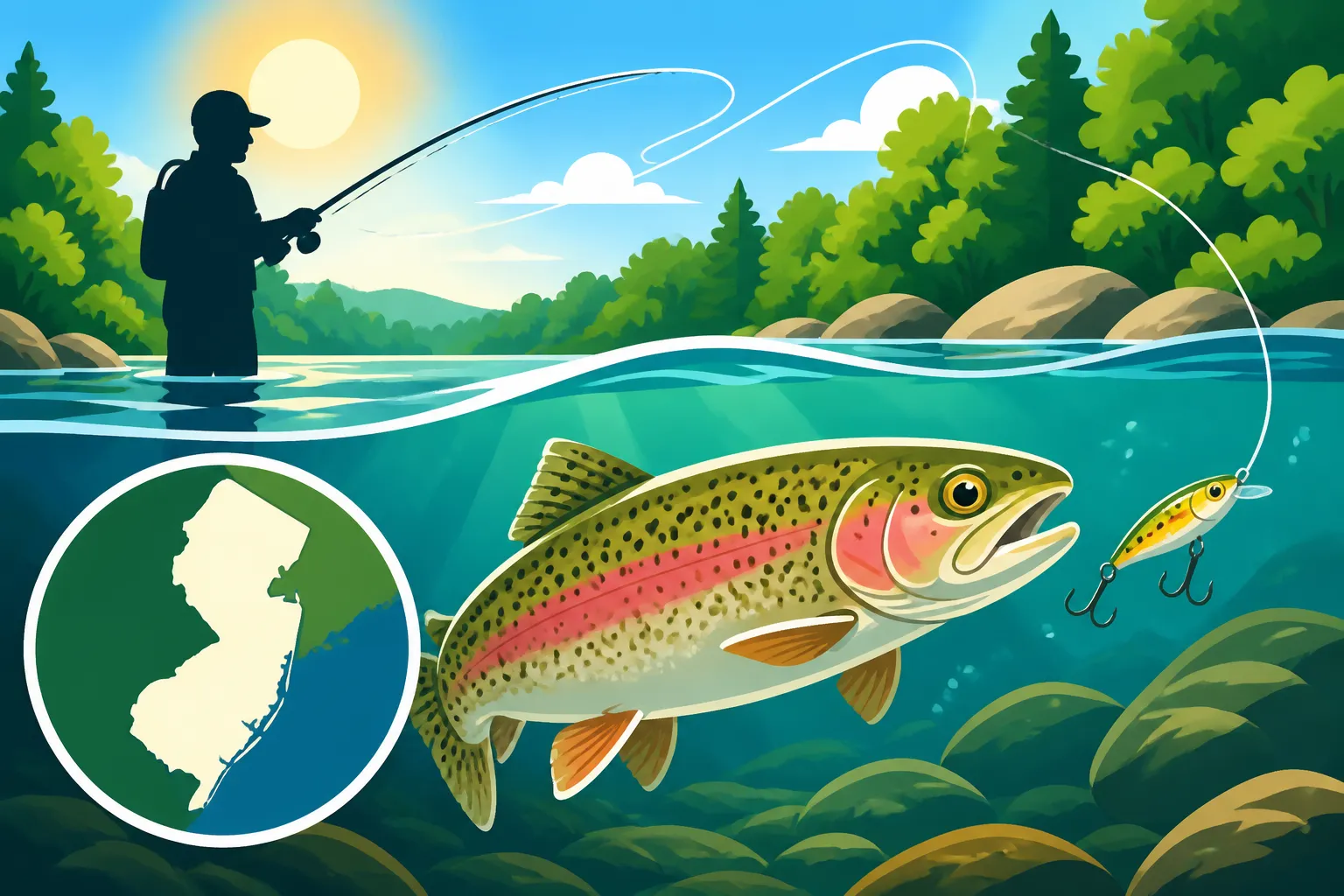
The scorching New Jersey summer sun can really throw a wrench into your trout fishing plans, can't it? Many of us have experienced the frustration of heading to our favorite stream or lake, only to find the water warm and the trout nowhere to be seen, leaving us wondering if we should just pack it in until fall. But don't give up hope! Catching trout in warm summer water in New Jersey is absolutely possible, and this guide will walk you through the precise strategies you need to find and entice these finicky fish when the mercury rises.
Understanding the Summer Trout Challenge in New Jersey
Trout are cold-water fish, and the summer heat in New Jersey, especially in July and August, presents significant challenges for them, and for us anglers trying to pursue them. The physics of water temperature and oxygen levels play a huge role here, and understanding this is the first step to successful warm-weather trout fishing. It’s not just about finding fish; it’s about finding fish that are comfortable enough to feed.
Why Warm Water is Bad News for Trout
When water temperatures climb, usually above 68°F (about 20°C) for most trout species, a few critical things happen that make trout fishing incredibly tough, and even dangerous for the fish. First and foremost, warmer water holds significantly less dissolved oxygen than cold water. Imagine trying to run a marathon in thin air – that's how trout feel in warm, low-oxygen water. Their metabolism actually speeds up in warmer temperatures, demanding more oxygen, precisely when less is available. This creates a stressful, suffocating environment for them.
This physiological stress makes trout sluggish, lethargic, and far less likely to feed aggressively. They become incredibly vulnerable to handling, too; even a quick catch and release in warm water can be fatal because they just can't recover from the exertion and oxygen deprivation. In New Jersey, many of our smaller, shallower trout streams, or the sun-exposed sections of larger rivers like the Musconetcong River for Trout, can become practically uninhabitable for trout during prolonged heatwaves. Even some of our regularly stocked lakes will see trout migrate to deeper, cooler sections or become inactive as surface temperatures climb.
Identifying Thermal Refuges
The key to finding trout when the water warms up is to think like a trout: where would you go to escape the heat and find fresh air? Trout instinctively seek out what we call "thermal refuges." These are pockets of colder, more oxygenated water that offer a temporary sanctuary from the surrounding warmth. Knowing how to spot these areas can dramatically improve your summer success rate.
Look for areas where cold feeder streams or spring creeks enter a larger body of water. You can often feel the temperature difference with your hand. These inflowing waters act like natural air conditioners, creating a plume of cooler water where trout will congregate. Deep pools, especially those with significant overhead cover from trees or undercut banks, also offer respite. The sheer volume of water in deep pools takes longer to warm up, and the shade prevents direct solar heating. In our larger, deeper lakes and reservoirs, trout will often descend to the thermocline – the layer where warm surface water meets colder deep water – where temperatures are more stable. However, remember that many of these deep lakes in New Jersey, while deep, might not be managed for trout that survive the summer, so target streams with natural springs first.
Essential Gear and Tactics for Summer Trout
When trout are stressed by warm water, they become incredibly wary and finicky. This isn't the time for heavy lines and noisy approaches. Instead, you need to lighten your tackle, refine your presentation, and consider what baits and lures will tempt a sluggish fish without further stressing it. Precision and subtlety are your best friends now.
Lighter Tackle and Stealth
Forget your heavy spinning gear or your robust trout fly rod. Summer trout demand finesse. For spinning gear, think ultra-light rods (4-6 foot) paired with small reels spooled with 2-4 pound test monofilament or fluorocarbon line. The thin diameter of the line is less visible to spooked fish and allows for delicate presentations. For fly anglers, a 2 or 3-weight rod with a long, thin leader (9-12 feet, tapered down to 5x or 6x tippet) is ideal. This setup will help you cast tiny flies without splashing, and the delicate leader will fool wary trout holding in clear, often slow-moving summer water.
Stealth is equally, if not more, important than light tackle. Approach the water slowly and quietly. Wear muted colors, avoid making sudden movements, and stay low. Trout in clear, shallow summer water have an incredible field of vision, and any disturbance on the bank or ripples from heavy wading can send them scurrying. Cast upstream and allow your bait or lure to drift naturally into thermal refuges. This minimizes the chance of spooking fish and presents your offering as naturally as possible. Think of yourself as a hunter, stalking your prey.
Bait and Lure Selection for Finicky Fish
When trout are lethargic due to warm water, they're less likely to chase down a fast-moving, aggressive lure. This is where natural, subtle presentations shine. Live bait can be incredibly effective because it offers a natural scent and action that even a sluggish trout might not be able to resist. Small worms, wax worms, or even tiny minnows (where legal and appropriate) fished on a light wire hook with minimal weight can be deadly. Drift these offerings into the thermal refuges you've identified, letting the current do the work.
For artificials, think small and subtle. Tiny spinners like Panther Martins or Mepps, in sizes #00 to #1, with natural colors (silver, gold, black) can imitate small baitfish or aquatic insects without too much commotion. Micro jigs, often used for panfish, can also work, especially if tipped with a wax worm or a small piece of PowerBait. Fly anglers should focus on small nymph patterns (Pheasant Tail, Hare's Ear, Prince Nymph) that mimic aquatic insects slowly drifting along the bottom, or tiny emerger patterns fished just subsurface. Terrestrials like ants and beetles can also work if fished under shaded banks where they might fall in. You can find a huge variety of these specialized small baits and lures on platforms like Amazon, ensuring you're ready for any situation. Remember, presentation is everything—make it look as effortless and natural as possible.
Prime Times and Locations in New Jersey's Summer Heat
To maximize your chances of success and minimize stress on the trout, choosing the right time of day and focusing on specific types of water bodies is paramount. Fishing for trout in the middle of a hot summer afternoon is usually a fruitless, and potentially harmful, endeavor.
Early Mornings and Late Evenings are Key
This is perhaps the most critical piece of advice for summer trout fishing in New Jersey. Forget sleeping in or planning an evening barbecue. The best bite, and the safest conditions for the fish, will almost always be during the coolest parts of the day: early morning, right as the sun is rising, and late evening, as the sun is setting and temperatures begin to drop.
During these cooler windows, ambient air temperatures are lower, which allows stream and lake waters to shed some of their heat. The sun's intensity is also greatly reduced, preventing further warming. This slight temperature drop, coupled with increased oxygen levels, can be enough to spur trout into a more active feeding pattern. Aim to be on the water before dawn and fish for a couple of hours, or arrive a few hours before dusk and fish until dark. These short windows of opportunity will be far more productive than trying to force a bite in the mid-day swelter. Plus, there's a certain peacefulness to fishing at these times that makes the whole experience more enjoyable.
Focusing on Deeper, Cooler Waters
As mentioned, trout seek out thermal refuges, so your strategy should revolve around targeting these specific areas. In our New Jersey streams like the Pequest River for Trout or the Paulinskill, look for significant bends that create deep scour pools, areas where the current has dug out a deep channel. Pay close attention to sections shaded by large trees or steep banks, especially those with undercut banks that provide both shade and cover. Any visible springs or cold feeder creeks entering the main stem are absolute magnets for trout.
In New Jersey's lakes and reservoirs that are known to hold trout, like portions of Round Valley Reservoir, you'll need to focus on deeper sections, often near the dam or where drop-offs occur. This usually means boat fishing, or finding specific shore access points that allow you to reach deeper water. However, it's worth noting that many New Jersey lakes stocked with trout might not hold them through the entire summer, so checking local reports or concentrating on naturally colder, spring-fed streams is often a safer bet. For more insights on Trout Survival Through Summer in New Jersey Lakes, it’s always good to consult local resources.
Catch and Release Best Practices in Summer
If you are determined to fish for trout in warm water, practicing responsible catch and release is not just a suggestion; it’s an ethical imperative. Trout are fragile in warm water, and improper handling can easily lead to delayed mortality, even if they swim away initially. Their stress levels are already elevated due to the water temperature, and fighting on a line, combined with handling, can push them over the edge.
Minimize the fight by using appropriate tackle that can bring the fish in quickly. Use a rubber mesh net, which is much gentler on their scales and slime coat than knotless nylon. Avoid taking the fish out of the water entirely, especially for photos. If you must, do it quickly, holding it horizontally with wet hands. Never squeeze a fish or hold it by the gills. De-hook it carefully while it's still in the water, ideally using a de-hooking tool or forceps to avoid touching the fish directly. Allow the fish to recover in the current, facing upstream, until it swims away under its own power. Sometimes, this means holding it gently for several minutes. If a fish looks sluggish or distressed, it's best to move to cooler water or stop fishing for trout entirely until conditions improve.
Advanced Strategies and Conservation
Beyond the basic gear and timing, there are several advanced techniques and a strong conservation mindset that will set you apart as a successful and responsible summer trout angler in New Jersey.
Reading the Water for Subtle Cues
Summer trout, especially native or wild populations, are masters of camouflage and hiding. Learning to "read the water" becomes an art form. This means more than just looking for deep pools. It's about spotting subtle current breaks behind boulders or logs, where trout can rest with minimal effort while waiting for food. It's about identifying shaded seams where a faster current meets a slower one, creating a delivery lane for insects.
Look for areas with bubbling water, which indicates higher oxygen levels, or dark bottom areas, which often signify deeper sections. Even a slight dimple on the surface, or the flash of a fin in a sun-dappled riffle, can tell you where a trout is holding. Often, summer trout will hold tight to structure, whether it's an undercut bank, a submerged log, or a rock pile. Casting directly into these areas, or allowing your bait to drift naturally into them, is critical. Remember, trout are trying to conserve energy, so they won't move far for a meal. You need to bring the meal to them.
Monitoring Water Temperatures
One of the most valuable tools an angler can carry in the summer is a simple stream thermometer. You can find these easily at any fly shop or online retailer like Amazon. Regularly checking the water temperature in different sections of the stream or lake will give you invaluable information. As a general rule, try to avoid fishing for trout if the water temperature is consistently above 68°F (about 20°C). Some species, like brook trout, prefer even colder water.
If you find temperatures in the upper 60s or higher, it’s a strong signal that the trout are under severe stress. At this point, it’s often best to switch to another species, like bass or panfish, which tolerate warmer water much better, or simply call it a day for trout fishing. Protecting the resource is more important than catching a fish. Understanding safe thresholds, like those discussed in How Cold Does It Need to Be to Ice Fish in New Jersey? (though that's for the opposite extreme, it highlights temperature sensitivity), can inform your decisions.
The Importance of Conservation and Regulation Adherence
Every angler has a responsibility to conserve our precious natural resources, especially when targeting vulnerable species like trout in challenging conditions. Adhering to all New Jersey Freshwater Fishing Regulations Every Angler Should Know is non-negotiable. This includes understanding bag limits, size limits, and any special regulations for specific waters. Also, make sure you have your New Jersey Trout Stamp Requirements Explained if you're fishing designated trout waters.
Beyond legal compliance, consider voluntary conservation measures. If you're consistently catching stressed fish, even if you're releasing them carefully, it might be time to move to a different location or postpone your trout fishing until cooler weather returns, perhaps during the New Jersey Fall Trout Stocking Dates. Educate yourself on the New Jersey Trout Season: Spring vs Fall differences and how trout behavior changes. Participating in local stream cleanup efforts or supporting conservation organizations also goes a long way. Ultimately, our actions today determine the quality of fishing for tomorrow.
Here's a quick comparison of trout fishing strategies for different water temperatures:
| Feature/Strategy | Cool Water (Spring/Fall, below 60°F) | Warm Water (Summer, 60-68°F) |
|---|---|---|
| Trout Activity | Active, aggressive, spread out | Lethargic, finicky, concentrated in refuges |
| Best Time of Day | All day, especially mid-morning/late afternoon | Early morning, late evening only |
| Target Areas | Riffles, runs, heads of pools, varied habitats | Deep pools, shaded areas, spring-fed inlets, undercut banks |
| Lure/Bait Size | Varied, larger lures/flies can work | Small, subtle, natural presentations (tiny jigs, small nymphs, worms) |
| Line/Leader Weight | Standard 4-6 lb test, 4x-5x tippet | Ultra-light 2-4 lb test, 5x-6x tippet, longer leaders |
| Stealth Required | Moderate, trout less spooky | High, extreme stealth and delicate presentation |
| Catch & Release | Standard best practices, high survival rate | Extreme care, minimal handling, quick release, high mortality risk |
| Conservation Mindset | Adhere to regs | Prioritize fish safety, consider not fishing for trout above 68°F |
By adopting these specialized techniques and maintaining a strong conservation ethic, you can still enjoy the thrill of catching trout even during the challenging conditions of a New Jersey summer.
Disclaimer
The information provided in this guide is for general informational purposes only and does not constitute professional advice. Fishing regulations, season dates, and limits are subject to change by the New Jersey Department of Environmental Protection (NJDEP) Fish and Wildlife. Always consult the most current New Jersey Fish and Wildlife Digest or the official NJDEP website before engaging in any fishing activities to ensure compliance with all applicable laws and regulations. Fishing in warm water can be detrimental to trout; prioritize the fish's well-being and consider not targeting trout if water temperatures are excessively high.