Best Season for Smallmouth Bass on the Delaware River
Fishing for smallmouth bass on the Delaware River is a truly incredible experience, but if you just head out without a game plan, you might find yourself casting into empty water. Like most species, smallmouth behavior is heavily dictated by the seasons, water temperature, and river conditions, leading to wildly different fishing opportunities and challenges throughout the year. This comprehensive guide will walk you through the nuances of each season, helping you pinpoint the best times to target these feisty fish on New Jersey's stretch of the Delaware River.
Understanding the Delaware River Smallmouth Bass Season
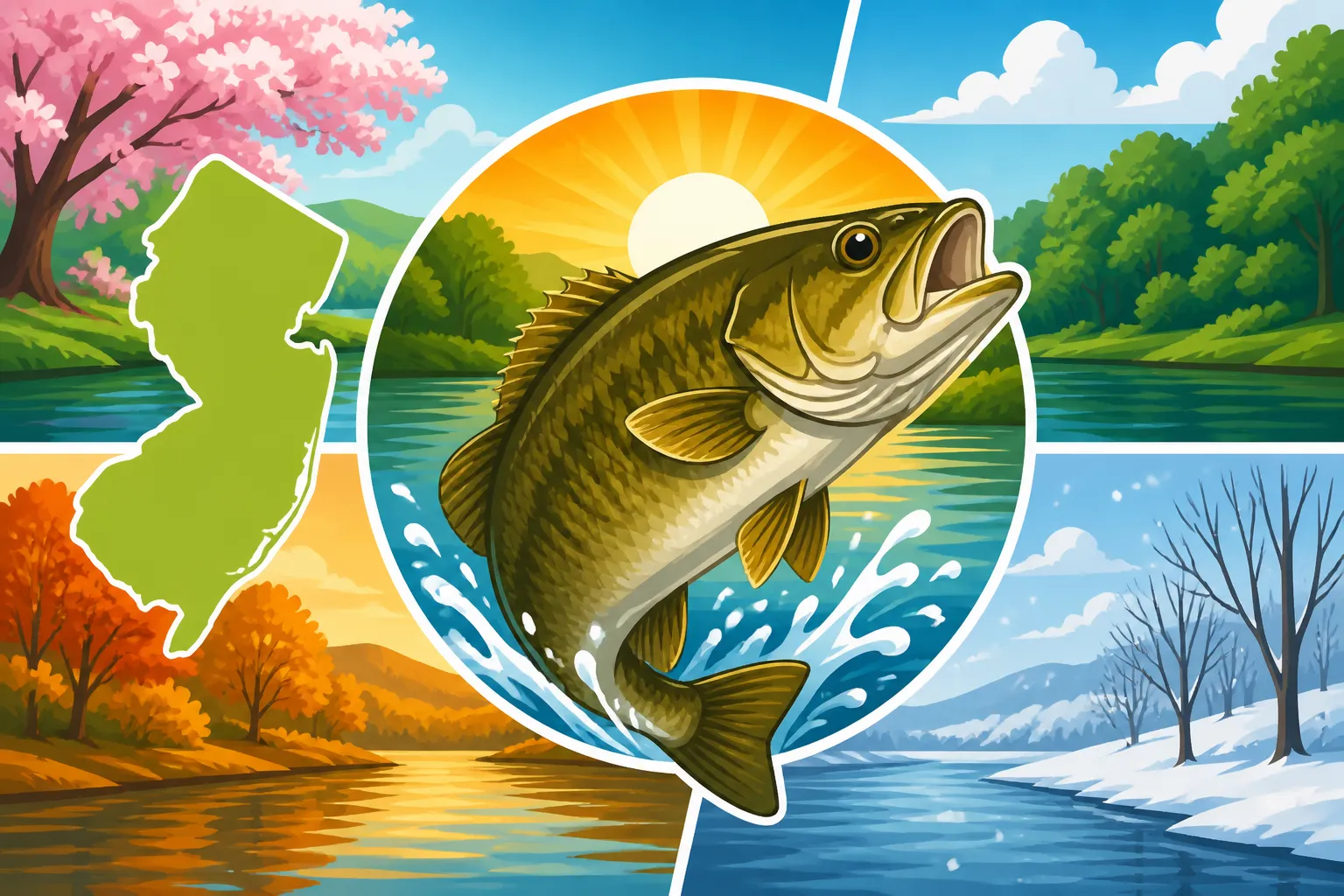
The Delaware River is a dynamic fishery, and its smallmouth bass population responds dramatically to the changing seasons. What works in April certainly won't be your best bet in August, and understanding these shifts is key to consistent success. Forget the idea of a single "best season"—instead, think about optimizing your approach for each distinct period.
Spring: The Awakening and Pre-Spawn Frenzy
Ah, spring! This is often considered by many dedicated smallmouth anglers as the golden ticket. As the ice melts and water temperatures in the Delaware River begin their slow climb from the chilly 30s into the 40s and 50s, the smallmouth start to stir. They've been relatively dormant all winter, conserving energy, and now their metabolism kicks into gear. Initially, they'll be lethargic, hugging bottom in deeper, slower pools, but as temperatures reach the mid-40s, they begin to move and feed more actively.
The pre-spawn period, typically from late March through April and into early May, is when smallmouth truly put on the feedbag. They need to pack on calories for the upcoming spawning ritual, so they become incredibly aggressive. Water temperatures in the low to mid-50s are often prime for this intense feeding. You'll find them moving from their wintering holes into shallower areas adjacent to deeper water, seeking out warming flats, rock piles, and current breaks. This is a time of opportunity, where you can often tempt larger fish that are actively hunting. However, timing is everything, as a sudden cold front or a major rain event causing a spike in water levels can temporarily shut down the bite. For more on how these river systems behave, check out our guide on how to fish New Jersey's rivers after rain.
Summer: Navigating Warm Waters and Low Flows
Summer on the Delaware River brings a whole new set of challenges and opportunities for smallmouth anglers. As water temperatures climb into the 70s and beyond, and river levels often drop, the smallmouth bass adjust their behavior significantly. They become less reliant on large, open feeding frenzies and more focused on finding comfortable, oxygenated water. This typically means retreating to deeper pools, seeking out shade under overhanging trees or bridge pilings, and positioning themselves in areas with good current flow that brings both oxygen and food.
During the dog days of summer, especially July and August, the bite can get tougher, requiring more finesse and precision. The fish are often spread out less, congregating in specific sweet spots. Early mornings and late evenings tend to be the most productive times, as the intense midday sun can drive fish deep and make them sluggish. However, don't let the heat deter you entirely; savvy anglers can still find plenty of action by adapting their techniques. Learning about the different species of fish you can target in these waters can also broaden your summer fishing horizons; our comprehensive guide to Delaware River Smallmouth Bass Fishing delves deeper into this.
Fall: The Prime Feeding Window
If spring is the awakening, then fall is the grand finale. As the scorching summer heat gives way to crisp autumn air, and water temperatures begin to drop back into the 60s and 50s, the Delaware River smallmouth undergo another massive shift. This is arguably the most exciting time for many anglers, myself included, because it's another period of intense feeding. Smallmouth bass, much like their larger relatives, know winter is coming, and they need to build up fat reserves to survive the lean months.
During the fall, from September through November, smallmouth become incredibly aggressive. They'll actively chase down baitfish and are often found in predictable locations like current seams, eddies, and rocky areas where bait congregates. The cooler water temperatures mean higher oxygen levels, and the fish are typically more active throughout the day, not just at dawn and dusk. This is a fantastic time for targeting trophy-sized smallmouth, as they are at their heaviest and most willing to strike. As you venture out, remember to keep up with the overall rules; our guide to New Jersey Freshwater Fishing Regulations Every Angler Should Know is a great resource.
Winter: A Challenging but Rewarding Pursuit
Winter fishing for smallmouth bass on the Delaware River is not for the faint of heart, but it can be incredibly rewarding for those willing to brave the cold. Once water temperatures consistently dip below 45 degrees Fahrenheit, and especially into the 30s, smallmouth become very lethargic. Their metabolism slows to a crawl, and they move into deep, slow-moving pools, often congregating in large schools. They'll feed infrequently, and their bites will be incredibly subtle.
This isn't a numbers game; winter fishing is about patience and precision. You won't be casting crankbaits or topwater lures. Instead, you'll be focusing on slow, methodical presentations of small baits right on their nose. While challenging, catching a hefty smallmouth in the dead of winter is a true testament to an angler's skill and dedication. Just be sure to dress warmly and prioritize safety when fishing in cold conditions.
Key Factors Influencing Smallmouth Bass Behavior Seasonally
Beyond just the calendar month, several environmental factors are continuously at play, dictating how smallmouth bass behave in the Delaware River. Understanding these can help you fine-tune your approach no matter the season.
Water Temperature: The Ultimate Driver
Without a doubt, water temperature is the single most critical factor influencing smallmouth bass behavior. Their metabolism is directly tied to it, affecting everything from their activity levels to their preferred locations and feeding habits.
- Below 45°F (Winter): Fish are lethargic, holding in deep, slow-moving water. Bites are rare and subtle.
- 45-55°F (Early Spring/Late Fall): Smallmouth become active, moving from wintering holes to shallower feeding areas. This is often the pre-spawn feeding frenzy.
- 55-68°F (Late Spring/Early Summer/Mid Fall): Prime activity levels. Fish are actively spawning, post-spawn recovery, or aggressively feeding for fall. They're more spread out and willing to chase.
- Above 68°F (Summer): Fish seek cooler, deeper, or more oxygenated water. Activity levels can decrease, especially midday. Finer presentations are often needed.
Always carry a thermometer to check the water temperature. It will tell you more about the fish's mood than the air temperature ever will. You can often find a reliable digital water thermometer on sites like Amazon, making it easy to check conditions as you fish.
Water Levels and Flow: Navigating the Currents
The Delaware River is a free-flowing system, meaning its water levels and current can fluctuate dramatically based on rainfall and snowmelt. These changes have a direct impact on smallmouth.
- High Water/Fast Current: Often follows heavy rain or snowmelt. Smallmouth will move out of the main current and seek refuge in eddies, slack water pockets, or behind large structure (boulders, downed trees) where the current is broken. This can make them harder to locate, but once found, they can be concentrated.
- Normal Water/Moderate Current: This is often ideal. Fish are comfortably spread throughout the river, using current seams to ambush prey. They'll hold behind smaller current breaks and in moderate depths.
- Low Water/Slow Current: Common during dry summer months. Smallmouth will concentrate in deeper pools where oxygen levels are better, and cover is available. They become warier in clear, shallow water. For more insights on how these conditions impact fishing, our guide on how barometric pressure affects fishing can offer additional context.
Paying attention to local river gauges before you go is crucial. Knowing whether the river is rising, falling, or stable will help you anticipate where the fish will be holding.
Forage Availability: What's on the Menu
Smallmouth bass are opportunistic predators, and their diet shifts with the seasons and what's available. Understanding their primary forage can help you select the right lures and presentations.
- Spring: Crayfish are a huge part of their diet as water warms, and minnows (like shiners) become more active. Soft plastics mimicking crayfish or crankbaits imitating baitfish are often deadly.
- Summer: Crayfish are still important, but a wider variety of baitfish, insect hatches, and even frogs or terrestrial insects falling into the water can become targets. Topwater lures, jigs, and small swimbaits can all be effective.
- Fall: This is primarily a baitfish feast. Smallmouth are actively chasing schools of minnows, often pushing them into eddies or against structure. Larger crankbaits, spinnerbaits, and soft jerkbaits that mimic fleeing baitfish are excellent choices.
- Winter: Feeding is minimal. If they do eat, it's usually something easy and slow-moving, like a slow-crawling jig or a subtle live bait. Understanding what bait fish for freshwater predator species they prefer is key, especially during this challenging time.
Matching the hatch, or in this case, matching the predominant forage, is a time-tested strategy for any species, and smallmouth on the Delaware are no exception.
Go-To Tactics and Lure Choices for Each Season
Now that we understand the seasonal changes and environmental factors, let's dive into the practical side: what to throw and how to fish it.
Springtime Presentations for Hungry Bass
During the spring, smallmouth are moving and feeding, but they might still be a bit sluggish in colder water. You want lures that can cover water but also be worked slowly.
- Jerkbaits: These are absolutely phenomenal in cooler water (45-55°F). Their erratic darting action combined with long pauses can entice reluctant bass. Suspending jerkbaits that hang tantalizingly in the strike zone for several seconds are key. Brands like Rapala or Lucky Craft excel here.
- Crankbaits: Medium-diving crankbaits (reaching 6-12 feet) that deflect off rocks are excellent. Choose colors that mimic crayfish (brown, orange, red) or minnows (silver, gold, chartreuse).
- Jigs and Tubes: These are workhorses for a reason. Dragging or hopping a brown or green pumpkin jig with a craw trailer, or a tube bait, along rocky bottoms or current breaks is incredibly effective, especially in pre-spawn. Smallmouth often feel more comfortable hitting a bottom-oriented bait.
Remember, slow down your retrieve initially. As the water warms, you can gradually increase your speed.
Summer Strategies for Tricky Conditions
Summer often means clear water and wary fish, requiring a more finessed approach or capitalizing on low-light periods.
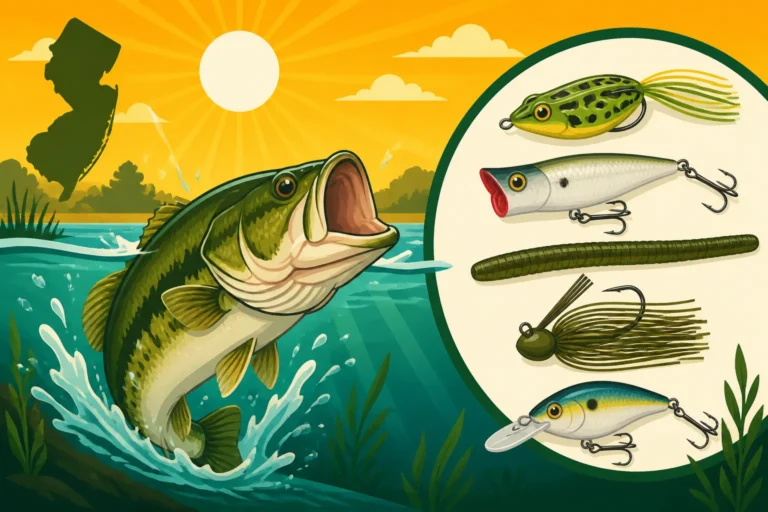
- Topwater Lures: During early mornings, late evenings, or overcast days, topwater poppers, walk-the-dog lures, and even buzzbaits can be incredibly exciting. Smallmouth are aggressive on the surface when conditions are right.
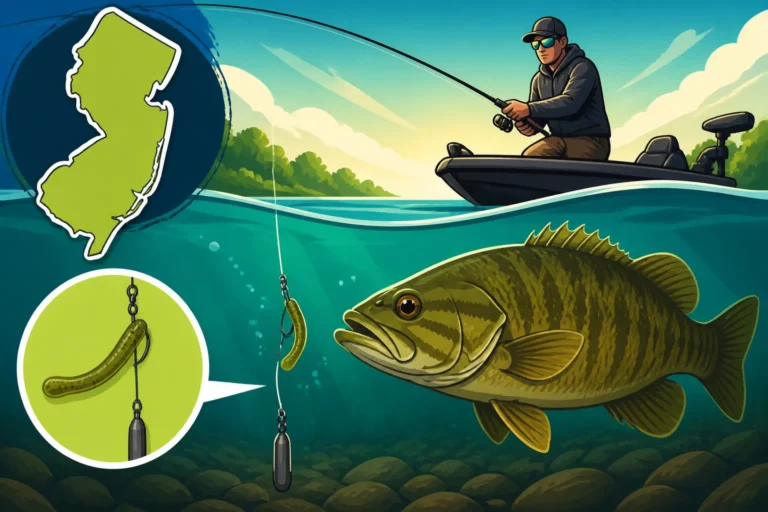
- Soft Plastics (Weightless or Lightly Weighted): Wacky-rigged worms, stick baits, or subtle soft jerkbaits fished weightless or with minimal weight allow for a very natural, slow fall. These are fantastic for fish holding in cover or suspended in deeper pools.
- Drop Shot Rigs: When fish are deep, sluggish, or highly pressured, a drop shot is tough to beat. It keeps your bait suspended directly in their strike zone. This technique is so effective, we even have a detailed guide on how to drop shot for smallmouth bass. Finesse worms or small creature baits on a drop shot are very effective.
- Small Swimbaits: Lightly weighted paddle tail swimbaits retrieved slowly can tempt fish holding in current seams.
Focus on shade lines, current breaks, and the deepest parts of pools. Early mornings are typically when you'll get your most aggressive bites.
Fall Feast: Capitalizing on Aggressive Bites
Fall is about covering water and enticing aggressive strikes from bass that are bulking up.
- Crankbaits (Deep Divers): As bass move into deeper areas or feed heavily, deep-diving crankbaits that reach 10-20 feet can be devastating. Choose colors that imitate local baitfish, like shad or shiners.
- Spinnerbaits: When fish are active and chasing, a spinnerbait can be a fantastic search bait. Cast it along current breaks, over rock piles, or near submerged timber.
- Larger Swimbaits: Bigger profile swimbaits, either soft or hard, can tempt a trophy smallmouth looking for a substantial meal.
- Jigs (Football or Swim Jigs): Football jigs dragged along the bottom in deeper sections, or swim jigs retrieved through cover, can mimic crayfish or baitfish perfectly.
Don't be afraid to experiment with faster retrieves and more erratic actions during the fall. These fish are hungry!
Winter Slow-Down: Patience is Key
Winter requires patience and very slow presentations. You're trying to put the bait right on the fish's nose and encourage a subtle strike.
- Vertical Jigs: Small blade baits, ice jigs, or even tiny hair jigs fished vertically directly below the boat or from shore in deep pools. Very slow lifts and drops, with long pauses, are essential.
- Live Bait: A small shiner, minnow, or even a madtom catfish fished on a light jig head or a small hook with minimal weight is often the most effective winter tactic. Present it slowly, right on the bottom.
- Ned Rigs: A small, mushroom-shaped jig head paired with a buoyant soft plastic worm can be dragged or hopped very slowly. Its subtle action can trigger bites from even the most lethargic bass. You can find a good selection of these finesse baits and the necessary terminal tackle on Amazon.
When fishing in winter, remember that the bite will be incredibly subtle. Watch your line for any twitch or slack, as fish often just "mouth" the bait rather than aggressively strike it.
Essential Gear for Delaware River Smallmouth Anglers
Having the right tools for the job can make all the difference, especially when adapting to seasonal changes.
Rods, Reels, and Line: Matching Your Setup
For smallmouth bass on the Delaware, versatility is key, but you'll want setups that can handle both finesse and power.
- Rods:
- Medium-Light to Medium Power Spinning Rod (6'6" – 7'0"): This is your workhorse for finesse tactics like drop shot, Ned rigs, and smaller jigs/tubes. It offers the sensitivity needed for subtle winter bites and light lure presentations.
- Medium-Heavy Power Casting Rod (6'8" – 7'4"): Ideal for throwing crankbaits, spinnerbaits, larger jigs, and topwater lures, especially when you need to cover water or pull fish out of current. For beginners, getting a versatile setup is important; our guide to the best New Jersey fishing gear for beginners can help you choose.
- Reels:
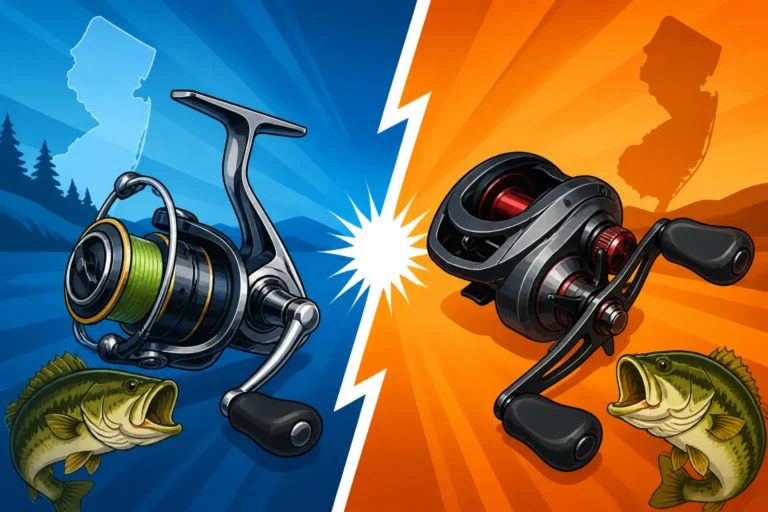
- 2500-3000 Series Spinning Reel: Pair this with your medium-light to medium rod for smooth casts and retrieves with lighter lures.
- Baitcasting Reel (7.1:1 or 8.1:1 gear ratio): For your medium-heavy rod, a fast gear ratio is great for taking up slack quickly and controlling fish in current. Check out our comparison of spinning reel vs baitcasting reel for bass fishing to see which might be best for your style.
- Line:
- Braided Line (10-20 lb test) with Fluorocarbon Leader (6-10 lb test): This is a popular and effective setup. Braid offers incredible sensitivity and casting distance, while the fluorocarbon leader provides invisibility in clear water and abrasion resistance against rocks. You can buy quality braided line and fluorocarbon leaders on Amazon to ensure you're ready for your next outing.
- Fluorocarbon (8-12 lb test): Many anglers prefer straight fluorocarbon for its low visibility and sensitivity, especially for crankbaits and jigs.
Must-Have Lures and Baits
Beyond the seasonal specifics, here's a general list of confidence baits to always have in your tackle box when fishing the Delaware:
| Lure Type | Best Seasons | Key Characteristics |
|---|---|---|
| Jerkbaits | Spring, Fall | Erratic darting, suspending action, mimics dying baitfish |
| Crankbaits | Spring, Summer, Fall | Diving depth, deflecting off structure, varied colors |
| Tube Baits | Spring, Summer, Winter | Mimics crayfish or gobies, bottom-oriented |
| Soft Plastic Grubs | All Seasons | Versatile, can be jigged, retrieved, or Carolina rigged |
| Ned Rigs | All Seasons (especially challenging bites) | Subtle, buoyant plastic stands up, finesse presentation |
| Topwater Lures | Summer, Fall (low light/overcast) | Exciting surface strikes, mimics struggling prey |
| Spinnerbaits | Spring, Fall | Vibration and flash, good for covering water |
| Small Swimbaits | All Seasons | Natural baitfish imitation, slow retrieve possible |
| Jigs (Football/Swim) | All Seasons | Mimics crayfish or baitfish, excellent bottom contact |
Having a variety of colors, especially natural ones like green pumpkin, brown, black, silver, and gold, will ensure you're prepared for varying water clarities and forage conditions.
Planning Your Trip to the Delaware River
A successful day on the Delaware River isn't just about what gear you bring; it's also about planning.
Access Points and Best Times of Day
The Delaware River offers numerous access points for shore fishing, wading, or launching kayaks and canoes. Specific spots vary along the hundreds of miles it flows, but generally, public parks, boat ramps, and designated wildlife management areas provide access. Areas with rocky bottoms, eddies, current seams, and submerged timber are prime smallmouth habitat. Consider looking for areas like Frenchtown, Milford, and Lambertville, which are popular for their smallmouth fishing opportunities. Always check local regulations and private property boundaries.
As for the best time of day, it truly depends on the season:
- Spring & Fall: Often good throughout the day, with peak activity during mid-morning and late afternoon as temperatures are comfortable.
- Summer: Early morning (pre-dawn to 10 AM) and late evening (2 hours before dark until sundown) are usually the most productive to avoid the midday heat.
- Winter: Midday, when the water is at its warmest, is typically the best, offering a small window of slightly increased activity.
Don't forget that fish activity is also affected by other factors. Our article, Best Time of Day for Bass Fishing, explores this in much greater detail.
Safety and Conservation on the River
Safety should always be your top priority when fishing any river, especially a dynamic one like the Delaware.
- Wading Safety: If wading, always wear a wading belt, appropriate footwear, and use a wading staff. The bottom can be slippery and uneven, and currents can be stronger than they appear. Never wade alone.
- Boating Safety: If using a kayak, canoe, or small boat, always wear a PFD (personal flotation device). Be aware of rapids, currents, and potential submerged obstacles.
- Weather: Check the forecast before you go and be prepared for sudden changes. Rain can quickly raise water levels, and storms can create dangerous conditions.
- Regulations: Always carry your New Jersey fishing license and be familiar with the latest New Jersey fishing license guide for 2026 and specific regulations for the Delaware River, including New Jersey Freshwater Fishing Regulations Every Angler Should Know. These rules can change, so it's vital to stay informed.
- Conservation: Practice catch and release, especially for larger breeding smallmouth, to help sustain the population. Handle fish gently, minimize their time out of water, and use appropriate de-hooking tools.
The Delaware River is a precious resource, and it's up to all of us to ensure it remains a vibrant fishery for generations to come.
Disclaimer
Please note that fishing conditions, regulations, and fish behavior can change. Always consult the official New Jersey Department of Environmental Protection (NJDEP) Fish and Wildlife website for the most current and accurate information regarding licensing, seasons, and bag limits before heading out on your fishing trip. This guide is for informational purposes only and should not replace official sources.