What to Wear Ice Fishing
Oh, the crisp, quiet beauty of a frozen New Jersey lake! There’s nothing quite like dropping a line through a hole in the ice, waiting for that subtle tug. But let’s be real: ice fishing can go from serene to miserable faster than a fish can spit a hook if you’re not dressed properly. The biting winds, the creeping cold, the dampness – it can all conspire to cut your trip short or, worse, put you in a genuinely dangerous situation. This comprehensive guide is here to walk you through exactly what you need to wear, from head to toe, to stay warm, dry, and safe, ensuring your New Jersey ice fishing adventures are memorable for all the right reasons.
The Core Principle: Layering for New Jersey Ice Fishing
You know that feeling when you first step out onto the ice, bundled up, and the cold hits you with a punch? And then, an hour later, you’ve drilled a dozen holes, cleared slush, and suddenly you’re sweating buckets under all those clothes? That’s the classic ice fishing dilemma, and it’s precisely why layering isn't just a suggestion; it’s an absolute necessity. New Jersey winters can be fickle, with temperatures swinging, wind picking up unexpectedly, and your activity level changing constantly. Effective layering allows you to adapt to these shifts, maintaining a comfortable body temperature without getting too hot or too cold.
Understanding the "Base, Mid, Outer" System
Think of your ice fishing wardrobe as a three-part symphony, each layer playing a crucial role. This isn't just about throwing on extra clothes; it's about strategic material choice and function.
The first layer, often called the base layer or thermals, is worn directly against your skin. Its primary job is to wick moisture away from your body. When you're active – drilling holes, walking across the lake, setting up your shelter – you'll inevitably sweat. If that sweat stays on your skin, it cools rapidly, chilling you to the bone the moment you stop moving. High-quality base layers made from synthetic materials like polyester or merino wool are champions at moving that moisture outward, keeping your skin dry and warm. Avoid anything too bulky here; it should fit snugly but not restrictively. For example, you might find excellent moisture-wicking base layers on Amazon, perfect for those brisk mornings on Lake Hopatcong.
Next up is the mid-layer, which is your primary source of insulation. This layer traps warm air close to your body, providing the bulk of your warmth. Fleece jackets, down vests, or insulated pants are perfect examples. The beauty of the mid-layer is its versatility; on a milder day, you might only need one fleece, while on a truly frigid day, you might double up with a heavier fleece and a thin puffer jacket. This is where you adjust your warmth level most frequently. If you're going to be fairly stationary, perhaps sitting in an ice shanty, you'll want more substantial mid-layers. Conversely, if you plan on covering a lot of ground jigging in open air, you might start with lighter mid-layers and add more if the cold starts to seep in.
Finally, we have the outer layer, or shell. This is your defense against the elements: wind, snow, sleet, and even splashing water. A good outer layer needs to be windproof and waterproof (or at least highly water-resistant). It should also be breathable enough to allow the moisture wicked by your base layer and trapped by your mid-layers to escape, preventing that clammy feeling inside. Modern ice fishing suits are specifically designed for this, often featuring durable, waterproof fabrics and built-in insulation. This layer is your shield, protecting everything underneath from the harsh realities of a New Jersey winter day on the ice.
Why Cotton is Your Enemy on the Ice
I know, I know. Cotton is comfortable. We all love a good cotton hoodie or a soft pair of sweatpants. But when it comes to ice fishing, cotton is practically a four-letter word. Seriously, if there's one piece of advice you take away from this guide, let it be this: ditch the cotton for anything worn near your skin or as a primary insulating layer.
Here's the harsh truth about cotton: it absorbs moisture like a sponge and holds onto it. Remember how we talked about sweat chilling you? Cotton is the chief culprit here. When cotton gets wet – whether from sweat, melting snow, or an accidental splash – it loses all its insulating properties. It becomes heavy, clammy, and incredibly cold. It takes forever to dry, and once it's wet, it will actively draw heat away from your body. This isn't just uncomfortable; in extreme cold, it can be downright dangerous, leading to hypothermia much faster than you'd imagine.
Imagine you're out on a really cold day at Greenwood Lake, excitedly drilling holes, working up a sweat. If you're wearing a cotton t-shirt or jeans, that sweat soaks into the fabric. The moment you stop moving and the chill sets in, that wet cotton becomes an ice-cold compress against your skin. It sucks your body heat away relentlessly. Instead, opt for those synthetic base layers or merino wool. They might feel a little different at first, but they will be your best friends when the temperatures plummet, helping you stay out longer and more safely. For durable, non-cotton options, check out a sporting goods retailer or online stores like Amazon, which offer a wide array of specialized winter clothing.
Adapting Layers for Varying Winter Conditions
New Jersey winters are rarely uniform. One day you might have a relatively mild, sunny afternoon with barely a breeze, and the next could bring biting winds, heavy snow, and temperatures that feel like they're straight from the Arctic. Your layering strategy needs to be flexible enough to handle these shifts.
Start by checking the forecast, not just the temperature, but also the wind chill and any precipitation expected. A sunny 25°F day with no wind will feel drastically different from a cloudy 25°F day with a 20 mph gust. For warmer ice fishing days, perhaps closer to freezing, you might go with a lighter base layer, one mid-layer, and a protective outer shell. If you plan on being very active, say constantly moving between holes or setting up a new How to Set Up Tip-Ups for Ice Fishing spot, you might even start with fewer mid-layers, knowing you can add them back on during periods of less activity.
On the flip side, for truly bitter days, like those you might experience on New Jersey's Deepest Lakes for Ice Fishing, which can hold onto cold longer, you’ll want to maximize your insulation. This could mean a heavy-duty base layer, multiple mid-layers (e.g., a thin fleece, a heavier fleece, and even a down vest), and a very well-insulated, windproof, and waterproof outer suit. Don't underestimate the power of accessories on these days – extra hand warmers, thicker socks, and a balaclava can make all the difference. The beauty of layering is that you can always shed a layer if you get too warm, but it's much harder to add warmth if you don't have enough to begin with.
Essential Gear for Head-to-Toe Protection
When you’re out on the ice, every part of your body is exposed to the elements. For serious ice anglers, it's not just about staying warm; it's about protecting yourself from potential dangers like frostbite and even accidental falls through the ice. Investing in quality gear for each part of your body is non-negotiable for a safe and enjoyable experience.
Keeping Your Extremities Warm (Head, Hands, Feet)
Your head, hands, and feet are often the first parts of your body to get cold because they have a large surface area relative to their mass and are furthest from your core. Plus, a significant amount of body heat escapes through your head!
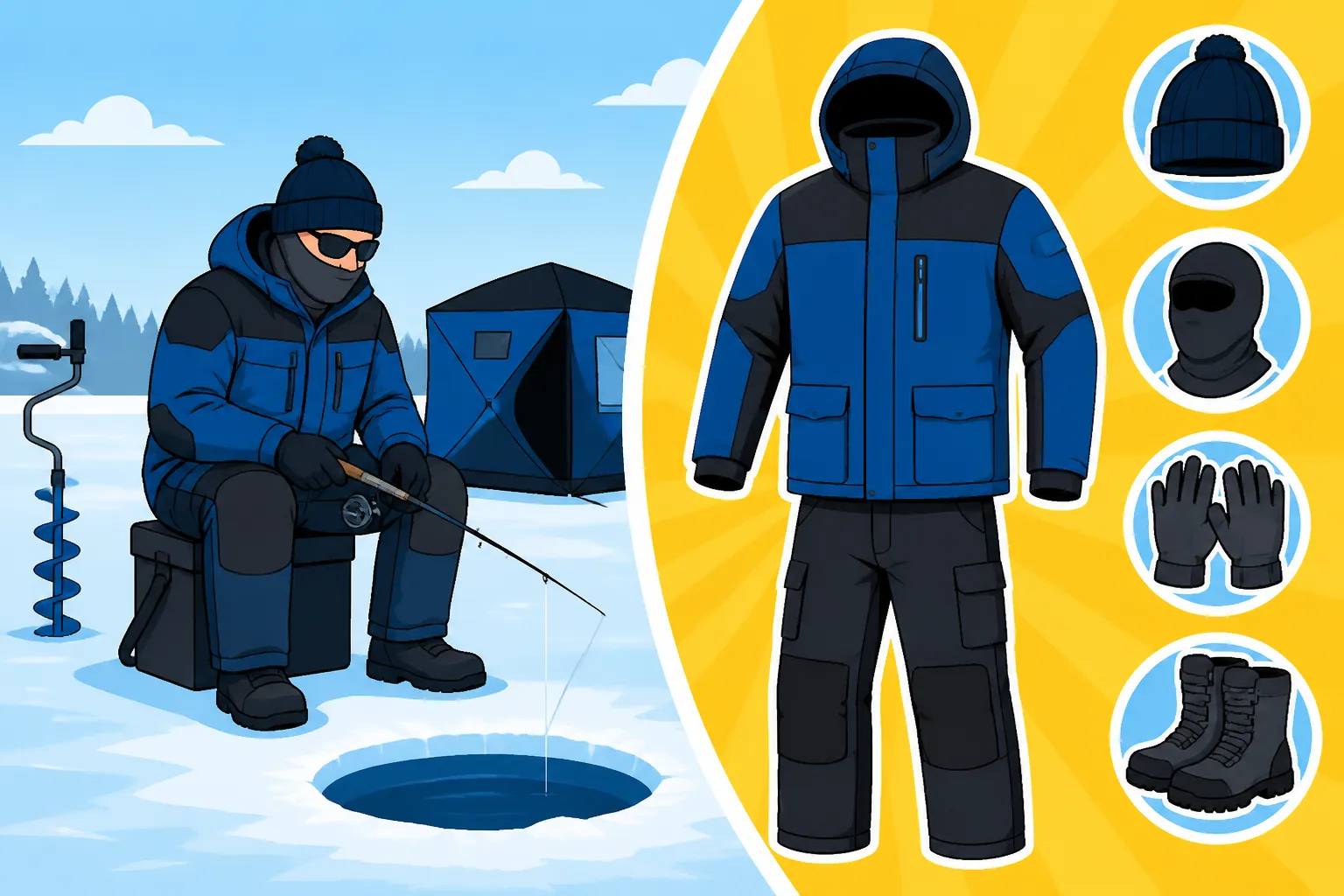
For your head, a warm hat is absolutely essential. Look for hats made from wool, fleece, or synthetic blends that cover your ears. On particularly windy days, or if you plan to be out on the ice for an extended period, a balaclava is a game-changer. It protects your neck, face, and head, which are areas often neglected. Many anglers also wear a thin beanie under their balaclava for extra insulation. Think about the exposed skin around your face; a simple scarf or neck gaiter can prevent painful windburn and keep that vital area warm.
Hands are tricky because you need warmth but also dexterity to tie knots, bait hooks, and handle fish. The best solution is often a two-part system: a thin pair of liner gloves (wool or synthetic) that you can wear while performing delicate tasks, combined with a pair of larger, insulated, waterproof mittens or convertible gloves that you can easily slip on and off. Mittens are generally warmer than gloves because your fingers share warmth. Look for gloves with grip material on the palms for handling wet fish or gear. Keep a few chemical hand warmers in your pockets; they can be a lifesaver when your fingers start to go numb.
For your feet, it’s all about preventing cold and dampness. Start with good quality, moisture-wicking socks – again, no cotton! Merino wool socks are fantastic for warmth and breathability. You might even wear two pairs: a thin liner sock and a thicker wool or synthetic outer sock. Your boots are arguably the most critical piece of footwear. You need insulated, waterproof ice fishing boots that are rated for extreme cold. They should be comfortable and have good traction to prevent slips on slick ice. Don't forget that if your boots are too tight with thick socks, they'll restrict blood flow and actually make your feet colder. Make sure there’s enough room for your toes to wiggle. When you're thinking about how to dress for How Cold Does It Need to Be to Ice Fish in New Jersey?, remember that good foot protection is paramount.
Specialized Ice Fishing Outerwear for Safety and Comfort
While any warm, waterproof outer shell might seem sufficient, dedicated ice fishing outerwear offers features that significantly enhance safety and comfort. These aren't just jackets and pants; they're often purpose-built suits.
A good ice fishing suit (often a jacket and bibs combination) offers several key advantages. First, it’s typically heavily insulated with synthetic materials designed to retain warmth even when wet. Second, and crucially for safety on the ice, many modern ice fishing suits incorporate flotation assistance. Brands like StrikerICE and Clam are well-known for their flotation-enabled outerwear, often called "float suits." This built-in buoyancy can be life-saving if you accidentally fall through thin ice, giving you precious extra minutes to self-rescue or await help. This isn't a replacement for proper New Jersey Ice Fishing Safety Basics, but it’s an invaluable layer of personal protection.
Beyond flotation, these suits are designed with an angler's needs in mind. They usually feature reinforced knees and seats for kneeling on the ice, multiple pockets for gear (like your Best Panfish Jigs for Ice Fishing), D-rings for attaching tools, and often adjustable cuffs and hoods to seal out the wind. The fabrics are generally highly abrasion-resistant and waterproof, protecting you from slush, snow, and rain. While they might seem like a significant investment upfront, the enhanced comfort, warmth, and safety they provide make them well worth it for anyone serious about ice fishing in New Jersey. You can find a range of these specialized suits online, including options on Amazon, allowing you to compare features and pricing.
Beyond the Basics: Important Accessories
Dressing for ice fishing isn't just about the big items; it's also about those small accessories that make a huge difference in your overall comfort and safety.
First, polarized sunglasses are a must. The sun reflecting off the snow and ice can be incredibly bright, leading to eye strain and even snow blindness. Polarized lenses also help you see through the glare on the ice, which can sometimes reveal darker, potentially weaker spots, though never rely solely on visual cues for ice safety.
Next, a headlamp or a small flashlight is invaluable. Even if you plan to fish only during daylight, setting up before dawn or packing up after dusk often happens in low light. A headlamp keeps your hands free for tasks like securing your gear or navigating. When you're enjoying How to Ice Fish in New Jersey, a headlamp will make a world of difference.
Consider bringing knee pads, especially if you plan on spending a lot of time kneeling by your holes, jigging, or landing fish. The ice is hard and cold, and knee pads can prevent discomfort and bruising. Many ice fishing bibs have reinforced knees, but extra padding can be a game-changer.
Finally, think about a small, insulated cooler or bucket with a lid. Not only is this great for carrying your catch, but a simple foam bucket can serve as a surprisingly warm and dry seat on the ice, keeping you off the cold, wet surface. Keeping your posterior warm significantly contributes to overall body warmth.
Preparing for the Unexpected: Safety and Comfort Tips
Even with the best clothing, ice fishing demands respect for the environment and an understanding that conditions can change rapidly. Your attire is a critical component of safety, but it's part of a larger safety strategy that includes preparedness and smart decision-making.
The Critical Role of Flotation and Ice Safety Gear
While we discussed flotation suits as part of your outerwear, it’s vital to reiterate their importance and emphasize that they are one piece of a broader safety puzzle. A float suit significantly increases your chances of survival if you go through the ice, but it does not make you invincible. Always prioritize checking ice thickness. Remember the advice: How Thick Should Ice Be Before You Fish on It?.
Beyond your clothing, always carry essential ice safety gear. This includes:
- Ice picks: Worn around your neck, these are crucial for self-rescue. If you fall in, you use them to grip the ice and pull yourself out.
- Throw rope: A rope with a buoyant bag on the end, used to rescue someone else from a distance.
- Spud bar or auger: Use these tools to constantly check ice thickness as you move across the lake. Never assume the ice is safe because someone else is on it.
- Whistle: To call for help if needed.
- Buddy system: Never ice fish alone. Always go with at least one other person.
Even when targeting specific species like How to Ice Fish for Trout in New Jersey or How to Ice Fish for Panfish in New Jersey, safety should always be your top priority. Your clothing helps, but it’s the combination of appropriate attire and diligent safety practices that truly keeps you out of harm’s way.
Practical Considerations for Mobility and Dexterity
Dressing warmly shouldn't mean dressing like the Michelin Man, unable to move or perform basic tasks. Your clothing needs to allow for full range of motion. When trying on gear, perform some typical ice fishing movements: bend down, squat, raise your arms, and even pretend to reel in a fish. Do your layers feel restrictive? Can you comfortably walk?
For dexterity, the hand-layering system (thin liner gloves under insulated mittens/convertible gloves) is your best bet. Many ice anglers also use hand warmers strategically placed in pockets or inside their mittens. If you find yourself constantly removing heavy gloves for tasks, it might be worth investing in those thin, touch-screen compatible liner gloves that allow you to use your phone or handle small items without exposing your bare skin to the cold.
Another tip for mobility is to choose gear that isn't excessively bulky. Modern synthetic insulation offers incredible warmth without adding too much volume. When you’re walking across a vast frozen expanse like Round Valley Reservoir, you don't want to feel like you're fighting your clothes with every step. Look for well-designed garments that prioritize an ergonomic fit, allowing you to focus on the fishing, not your wardrobe.
Post-Fishing Care for Your Gear and Yourself
After a successful (and hopefully warm!) day of ice fishing, the job isn’t quite done. Proper care of your gear ensures it lasts longer and performs well for your next outing. Hang your outerwear to dry thoroughly, especially if it got wet from snow, slush, or fish slime. Don't leave it crumpled in a bag, as this can lead to mildew and degradation of waterproof coatings. Your boots should also be dried out completely, perhaps with boot dryers, to prevent odor and maintain their insulating properties.
As for yourself, the first thing you want to do when you get home is shed those damp base layers and take a warm shower. Rehydrating is important, so drink plenty of fluids. Pay attention to any areas that felt particularly cold or numb during your trip – fingers, toes, ears, nose. If any areas are unusually pale, waxy, or hard, and remain numb or painful, it could be a sign of frostnip or frostbite, and medical attention might be needed. While good clothing is the best defense, recognizing the signs of cold-related injury is crucial.
Remember, every New Jersey ice fishing trip is an adventure. By dressing smartly in layers, choosing the right materials, and prioritizing safety, you'll be well-equipped to enjoy the peace and thrill of winter angling without battling the cold.
| Layer Type | Purpose | Recommended Materials | What to AVOID | Key Features for Ice Fishing |
|---|---|---|---|---|
| Base Layer | Wicks moisture from skin | Merino Wool, Synthetic (Polyester) | Cotton (T-shirts, long underwear) | Snug fit, quick-drying |
| Mid-Layer | Provides primary insulation | Fleece, Down, Synthetic Puffers | Heavy cotton sweaters | Traps warm air, easily added/removed |
| Outer Layer | Protects from wind, snow, water | Waterproof/Windproof Synthetic Fabrics | Non-waterproof jackets, breathable-only shells | Flotation assist, reinforced knees/seat, pockets |
| Headwear | Prevents heat loss, protects face | Wool, Fleece, Synthetic Balaclavas/Hats | Thin cotton beanies | Covers ears, neck; windproof |
| Handwear | Warmth & dexterity | Wool/Synthetic Liners, Insulated Mittens | Thin fashion gloves, cotton gloves | Waterproof outer, good grip, convertible options |
| Footwear | Insulates, keeps feet dry | Merino Wool Socks, Insulated Boots | Cotton socks, fashion boots | Waterproof, extreme cold rating, good traction, roomy |
| Accessories | Enhance safety & comfort | Hand/Foot Warmers, Headlamp, Sunglasses | – | Ice picks, throw rope |
Disclaimer
This article is for general informational purposes only and does not constitute professional advice. Laws, prices and regulations vary by location and change over time. Consult a qualified professional for guidance on your specific situation.