How to Fish New Jersey’s Rivers After Rain
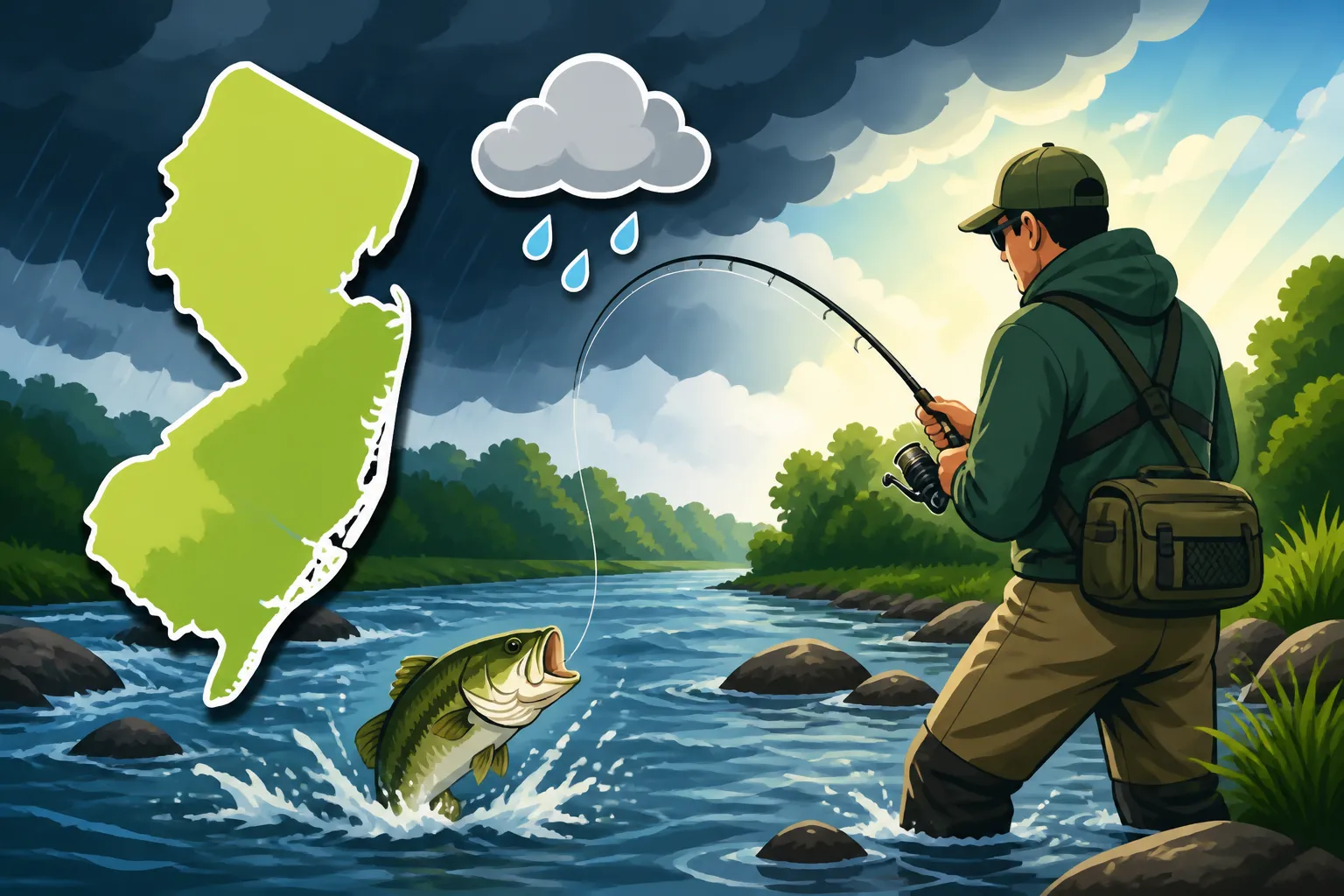
Fishing after a good downpour in New Jersey can feel like a whole new ballgame, often leaving anglers wondering where the fish went or how to even approach the now-turbulent waters. That sudden rush of water, the change in clarity, and the increased flow can be incredibly intimidating, making what was once a familiar stretch of river seem alien. This comprehensive guide will walk you through exactly how to adapt your strategies and successfully fish New Jersey's rivers, streams, and even tidal zones after a heavy rain.
Understanding the Immediate Impact of Rain on River Systems
Heavy rain doesn't just add water to our rivers; it completely changes their character in numerous ways, and understanding these shifts is your first step to adapting. Many anglers get frustrated because their usual spots or techniques suddenly stop working, and it's because the environment has fundamentally altered. It's not uncommon for anglers to pack up early, thinking the fishing is a lost cause, but with a little know-how, these conditions can actually present some unique opportunities.
How Rain Affects Water Levels and Flow
When a significant amount of rain falls across New Jersey, especially in areas with steep terrain or large watersheds like those feeding the Musconetcong River or parts of the Delaware River, the water levels can rise dramatically and quickly. This isn't just a slight increase; we're talking about inches, or even feet, in a matter of hours. This surge of water creates a much stronger current, turning gentle riffles into roaring rapids and quiet pools into swirling eddies. Fish that usually hold in calm pockets might get disoriented or have to expend too much energy fighting the increased flow, forcing them to seek new, less strenuous holding areas. They’re like us trying to walk against a strong wind – it’s just not efficient. This rapid change can make typical wading difficult and even dangerous, so always prioritize safety when assessing the flow before stepping foot in the water.
Water Clarity and Sedimentation
Perhaps the most noticeable change after a heavy rain is the water clarity, or rather, the lack thereof. All that runoff from land, whether it's agricultural fields, suburban lawns, or construction sites, carries a whole lot of sediment, dirt, leaves, and other debris into the river. This turns the once clear or slightly stained water into a muddy, chocolate milk mess. For many fish, especially sight feeders like trout or smallmouth bass, this drastically reduces their visibility, making it harder for them to spot your lure or bait. It also means you, as the angler, can't see them either, which makes reading the water even more crucial. This cloudy water often persists for a day or two, sometimes longer depending on the intensity of the rain and the river's size and flow rate. Don't be fooled into thinking it's un-fishable; it just requires a different approach.
Temperature Changes and Oxygen Levels
Rainfall, especially cold rain in warmer months or warm rain in colder months, can cause significant fluctuations in river water temperature. A sudden downpour can quickly cool down shallow river sections, potentially shocking fish or altering their metabolism. Conversely, if it's been a long, hot, dry spell, a cooling rain can actually be a blessing, bringing in fresher, more oxygenated water from the cooler rainwater. Heavy runoff can also introduce dissolved oxygen from the rain itself, which can be beneficial, especially in stagnant areas. However, too much organic matter washed into the river can decompose and actually reduce oxygen levels in certain spots, creating pockets of less desirable water for fish. Understanding these subtle temperature and oxygen shifts, though often invisible to the naked eye, can influence where fish choose to hold. Remember, even minor temperature shifts can make a difference to a cold-blooded creature.
Reading the Water: Key Indicators After a Storm
After a major rain event, the river you knew might look completely different. It's like a whole new puzzle to solve. Instead of just relying on memory or past experience, you need to actively "read" the water, looking for the tell-tale signs that will point you towards where the fish are hiding. This is where your observation skills really come into play, helping you decipher the new currents and colors to unlock the river's secrets.
Observing Current Speed and Eddies
The most obvious change is the current, which will likely be stronger than usual. Fish, being smart and energy-efficient creatures, aren't going to fight a raging torrent if they don't have to. Instead, they'll seek out current breaks where they can rest and ambush food without expending too much energy. Look for eddies – those swirling pockets of calmer water often found behind large rocks, fallen trees, bridge pilings, or along sharp bends in the river. These are prime resting areas where fish can hold comfortably. Also, pay attention to seam lines where fast water meets slow water; fish will often sit right on that seam, darting into the faster current to grab dislodged food before retreating to the calmer side. Even a subtle break in the current can hold a fish, so scan the river carefully for these hidden havens.
Identifying Prime Holding Areas for Fish
Beyond the obvious eddies, think about where fish find refuge and food in high water. Submerged structures like fallen trees, brush piles, and rock fields become even more critical. The increased current often dislodges insects, worms, and small baitfish, washing them downstream. Fish know this and will position themselves strategically to capitalize on this free meal delivery service. Look for areas where the river widens, slows down, and deepens slightly, as these offer both cover and a reduced current. The mouths of smaller feeder creeks or culverts that are now actively flowing into the main river can also be hotspots, as they carry new food sources and often slightly warmer or cooler water, attracting fish. Remember, fish are looking for two things: safety from the current and an easy meal. This behavior is instinctual, and you can reliably predict it. You can even find clues by observing how water temperature affects fishing in different seasons.
Monitoring Water Color and Debris
While the water will generally be muddier, pay close attention to variations in color. Sometimes, you'll find clearer "streaks" or pockets where slower moving water has allowed some sediment to settle. These slightly clearer zones can be more productive, especially for sight-feeding fish that need some visibility. Also, keep an eye on the debris floating downstream. A lot of leaves, twigs, or even larger branches can make fishing difficult, snagging your line and lures. However, sometimes these debris lines can actually indicate a current break or seam that fish are using for cover. The presence of worms or other insects floating by is a huge clue that fish are actively feeding on what the rain has dislodged from the banks, so match your bait choice accordingly. It's all about piecing together these visual clues, much like a detective, to understand the river's story.
Adjusting Your Approach: Techniques for Post-Rain Fishing
Once you've wrapped your head around how the river has changed and where fish might be holding, it's time to adapt your actual fishing techniques. What worked yesterday in clear, calm water likely won't cut it today. This is where experience and flexibility really pay off, allowing you to turn what seems like a setback into a successful fishing trip. You might even find that some of the biggest, most wary fish become more active and less cautious in these turbulent conditions.
Targeting Inflow and Outflow Points
One of the most productive strategies after heavy rain is to focus on inflow and outflow points. Think of any small tributary, ditch, or even a storm drain that's now gushing fresh water into the main river. These inflows carry with them a buffet of worms, insects, and other food sources dislodged from the banks. Fish will instinctively congregate at these junctions, waiting for an easy meal. Cast your bait or lure directly into the current of the inflow and let it drift naturally into the main river. Similarly, look for where larger currents might be pushing into calmer pockets, creating a subtle eddy or backwater. These outflow zones can also hold fish seeking refuge from the main flow while still having access to passing food. This is often where you'll find hungry fish that are taking advantage of the increased food supply. You can learn more about how to fish New Jersey's tidal rivers, where these dynamics are even more pronounced, by checking out our guide on How to Fish New Jersey's Tidal Rivers.
Slowing Down Your Presentation
With reduced visibility and often colder water (depending on the season), fish tend to be less aggressive and less willing to chase. This means your fast, erratic retrieves that might work on a sunny day could be completely ignored. Instead, slow things down considerably. If you're using artificial lures, a slow, deliberate retrieve with plenty of pauses can often be more effective. For bait, let it drift naturally with the current, allowing it to tumble along the bottom where fish are likely holding. The goal is to keep your bait or lure in the strike zone for as long as possible, giving the fish more time to locate it and decide to strike. This patient approach can be a game-changer, especially for species like trout and bass that become more lethargic in off-color water. Consider heavier sinkers on your rig to ensure your bait stays down where the fish are, rather than getting swept away by the strong currents.
Fishing Structure More Aggressively
When currents are raging and visibility is low, fish instinctively seek out cover and structure. This means those submerged logs, rock piles, bridge pilings, and undercut banks that you might usually give a wide berth to (to avoid snags) now become prime targets. Don't be afraid to cast right up against or even into these structures. The fish are tucked in tight, using the structure as a shield from the current and a hiding spot to ambush food. This might mean losing a few more lures to snags, but the potential reward of hooking into a larger, less pressured fish is often worth it. Use heavier line and gear to help pull fish out of cover if you do hook one. Remember that in these conditions, fish are less wary of your presence and more focused on the current and food, making them more approachable near cover. This is a great time to experiment with bolder presentations closer to those potential snag zones.
Gear and Bait Choices for Muddy Waters
When the river turns murky after a storm, the usual go-to lures and baits might not be as effective. Fish rely less on sight and more on other senses like smell and vibration. This calls for a strategic adjustment in your tackle box. Choosing the right gear and bait can make all the difference between a frustrating day and a successful outing. Many anglers grab what they always use, but adapting to the conditions is key, and getting some New Jersey Fishing Gear for Beginners that's versatile will help.
Choosing Lures with Vibrations and Sound
In muddy water, a lure that creates strong vibrations or sound can be incredibly effective because fish can't see it well. Spinnerbaits, chatterbaits, and crankbaits with internal rattles are excellent choices. The thumping, buzzing, or clicking sounds they produce, combined with their physical movement through the water, send out signals that fish can detect with their lateral line, even in zero-visibility conditions. Brightly colored lures, especially those with fluorescent hues like chartreuse, orange, or hot pink, can also offer a bit more contrast in stained water, making them slightly more visible to fish up close. Even if they can only see a silhouette or a faint glow, that can be enough to trigger a strike. Always consider the local forage; if the river has a healthy population of crayfish, a crankbait that mimics a crawfish in color and action can be deadly. You can find a great selection of these types of lures on platforms like Amazon, making it easy to stock up before your next trip.
Selecting Baits with Strong Scents and Visuals
When sight is compromised, smell and taste become paramount. Natural baits that emit strong scents are often unbeatable after heavy rain. Live baits like earthworms, nightcrawlers, and shiners are fantastic because they wiggle, create scent, and mimic natural food sources that have been washed into the river. Many of these are easily dislodged from the banks during heavy runoff. For those who prefer artificials, soft plastic baits infused with strong fish attractant scents (like garlic or Anise) can significantly increase your chances. PowerBait, Gulp!, or similar scented soft plastics are designed specifically for these conditions. Pair these with jigs or weighted hooks to get them down into the strike zone. Sometimes, even adding a dab of scent spray to your regular lures can give them that extra edge in murky conditions. The goal is to create an irresistible olfactory trail for fish that can't rely on their eyes.
Heavy Tackle for Stronger Currents
The increased current means you might need to rethink your line strength and the weight of your tackle. Lighter lines and small lures will get swept away too easily, making it impossible to reach the bottom where fish are holding or to maintain control of your presentation. Step up to a heavier line, perhaps 10-15 pound test for freshwater bass or even higher for larger species in fast currents. This not only helps you manage the current but also gives you a better chance of pulling a fish out of heavy cover if it dives into a snag. You'll also likely need heavier sinkers, jigs, or weighted hooks to get your bait down and keep it there. Carrying proof of your New Jersey Fishing License Guide for 2026 is always a good idea, and having the right gear for the conditions ensures you're ready for anything. Consider a medium-heavy or heavy action rod to handle the heavier tackle and provide the backbone needed to fight fish in strong currents. You can find robust rods and reels suitable for these conditions on Amazon, ensuring you're prepared for the fight.
| Lure Type | Best Water Conditions | Key Advantage | Target Species (Examples) |
|---|---|---|---|
| Spinnerbaits | Murky/Stained Water | Strong vibration, flashy blade, good for cover | Largemouth Bass, Pike, Pickerel |
| Chatterbaits | Murky/Stained Water | Unique thumping vibration, reactive bites | Largemouth Bass, Smallmouth Bass |
| Crankbaits | Stained/Clearer Water | Rattles for sound, various diving depths | Bass, Walleye, Trout |
| Scented Soft Plastics | Murky/Stained Water | Strong scent trail, versatile rigging options | Bass, Trout, Panfish |
| Live Worms/Minnows | All Water Conditions | Natural scent & movement, universally effective | All Freshwater Species |
| Heavy Jigs | Strong Current/Deep Water | Gets down fast, versatile with plastics/bait | Trout, Bass, Walleye |
Safety First: Navigating Post-Rain River Conditions
While the thrill of fishing after a storm can be immense, the conditions can also be surprisingly dangerous. Increased water levels, stronger currents, and slippery banks pose real risks. As a seasoned angler, I've seen situations turn quickly, so always make safety your absolute priority. No fish is worth an unnecessary risk, and being prepared is half the battle. This includes understanding the New Jersey Freshwater Fishing Regulations Every Angler Should Know which sometimes include safety advisories.
Checking Weather and Water Reports
Before you even leave the house, make sure you've thoroughly checked the latest weather forecasts and, more importantly, local river gauges and water reports. Websites like the USGS WaterWatch provide real-time data on river levels and flow rates for many New Jersey rivers. A river that looked calm yesterday could be a raging torrent today. Pay attention to not just current conditions, but also upstream rainfall. A heavy rain event 50 miles upstream could still be making its way downstream to your fishing spot. Understand that even if the rain has stopped where you are, the river might continue to rise for hours or even a full day as runoff reaches it. Never underestimate the power of fast-moving water, and always err on the side of caution.
Wading and Bank Fishing Precautions
If you're planning to wade, extreme caution is necessary. What was once ankle-deep could now be waist-deep, and the current can easily knock you off your feet. Always use a sturdy wading staff to probe the bottom and maintain balance. Shuffle your feet instead of stepping, to avoid holes and sudden drop-offs. Wear proper wading boots with good grip. For bank fishing, remember that the ground can be incredibly slippery and unstable. The erosion caused by fast-moving water can create undercut banks that look solid but are actually hollow underneath, posing a collapse risk. Stay well back from the edge, especially on steep banks. Always let someone know where you're going and when you expect to be back. It's a good idea to bring a change of clothes, just in case you take an unexpected plunge. You can find some excellent non-slip footwear and wading staffs on Amazon to enhance your safety and confidence.
Boat Safety in High Water
Fishing from a boat after heavy rain introduces a whole new set of challenges. The increased current makes maneuvering much harder, and large debris like logs and entire trees can be washed downstream, posing serious collision hazards. Always wear a personal flotation device (PFD), even if you're an experienced boater, and make sure everyone else on board does too. Double-check your engine, steering, and all safety equipment before launching. Be aware of submerged hazards that might not be visible in murky water, such as rocks, stumps, or even old docks. Navigation markers might be dislodged or submerged. If you're fishing a wider body of water like the Delaware River or a larger lake, remember that high winds combined with high water can create dangerous waves. If in doubt, it’s always best to stay ashore and try a different fishing spot or simply wait for conditions to improve. Staying informed about New Jersey Boat Ramp Rules and Access Fees can also help ensure a smooth and safe launch.
Species-Specific Considerations and Seasonal Nuances
While the general principles of fishing after rain apply across the board, different fish species react uniquely to these environmental changes, and the time of year plays a significant role in their behavior. Understanding these specific nuances can further refine your post-rain strategy and increase your chances of success, whether you're chasing trout in a mountain stream or bass in a lowland river. Each species has its own subtle tells, and learning them will elevate your game.
Trout Behavior in Swollen Streams
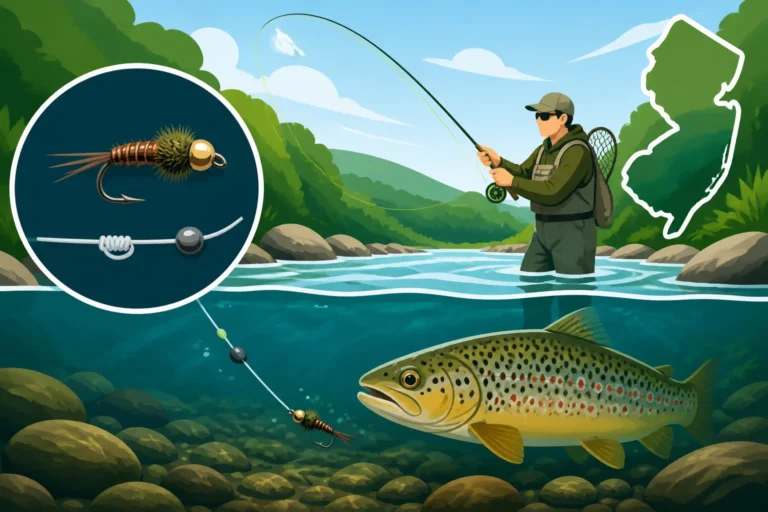
Trout, being highly sensitive to water quality and temperature, can be tricky after a big rain. In smaller, colder mountain streams, a sudden surge of muddy water can initially put them off the bite. They'll often seek refuge in very slow pockets, behind large boulders, or under undercut banks, staying out of the main current. However, as the water begins to clear slightly and flows stabilize, the increased food washed into the stream can make them incredibly aggressive. During these periods, natural baits like worms, or larger, darker-colored nymphs and streamers for fly fishing, presented slowly and deep, can be very effective. It's crucial to understand New Jersey Trout Fishing Techniques for these specific conditions. Remember, trout often position themselves facing upstream, waiting for food to drift down, so casting upstream and allowing your bait to tumble naturally with the current is key.
Bass Activity in High, Muddy Rivers
Both largemouth and smallmouth bass tend to react a bit differently than trout. Largemouth bass, often found in slower moving, vegetated rivers and tributaries, will move to the thickest cover available – submerged brush, fallen trees, and lily pad edges – using it as an ambush point. They'll respond well to noisy, vibrating lures like spinnerbaits and chatterbaits, or large, scented soft plastics jigged slowly through cover. Smallmouth bass, typically inhabiting clearer, rockier rivers, will also seek out current breaks and structure, but their diet might shift to include more crayfish and dislodged insects. Imitations of these forage items, presented close to the bottom in areas of reduced current, are usually effective. The good news is that bass can often become more active and less spooky in muddy water, making them a prime target if you adjust your approach. Keep an eye on the New Jersey Freshwater Fish Size Chart 2026 to ensure any fish you keep are legal.
Tidal Rivers and Estuaries After Heavy Rainfall
New Jersey's tidal rivers and estuaries, like parts of the Raritan River or the Mullica River, present unique challenges and opportunities after rain. The fresh water inflow from heavy rain can push baitfish and gamefish further downriver, concentrating them in areas where the fresh and saltwater meet – often called the "salt line" or "mixing zone." This zone can be incredibly productive, as baitfish get disoriented and predators like striped bass and weakfish move in to feast. Look for changes in water color and temperature where the fresh and saltwater converge. Fishing the edges of these lines with live bait or larger, scent-infused soft plastics can yield excellent results. However, also be mindful that excessive freshwater runoff can temporarily lower salinity levels, pushing some saltwater species further out into the bays or ocean until conditions normalize. Understanding New Jersey Fishing Season Dates and Closures will also help you determine which species might be present and active in these changing environments.
Disclaimer
Always consult the New Jersey Department of Environmental Protection (NJDEP) Fish and Wildlife regulations before heading out. Fishing conditions and regulations can change, and it's your responsibility to stay informed. This guide offers general advice and should not replace official sources or sound personal judgment regarding safety.