How to Wade Fish New Jersey’s Rocky Trout Streams Safely
New Jersey's trout streams offer some of the most beautiful and rewarding fishing experiences in the state, but their rocky, often swift waters can pose significant challenges for anglers venturing in. Many of us have felt that sudden slip on a moss-covered boulder, or misjudged a current, sending a jolt of panic through our bodies. This guide is dedicated to helping you navigate those unpredictable waters safely, ensuring your focus remains on the joy of fishing rather than the fear of a fall.
Understanding the Challenges of New Jersey's Trout Streams
Stepping into a trout stream in New Jersey is an immersive experience, but it also means stepping into an environment designed by nature to be rugged and ever-changing. The beautiful scenery often masks the underlying hazards that can turn a peaceful fishing trip into a dangerous situation. It's crucial to approach these waters with a healthy respect for their power and unpredictability.
The Nature of New Jersey's Stream Beds
Anyone who has spent time fishing streams like the Musconetcong River for Trout or the Pequest River for Trout knows that the bottom is rarely a smooth, even surface. Instead, you're contending with a mosaic of challenges underfoot. The most common culprit for an unexpected dunking is the infamous "snot rock" – boulders covered in a thin, incredibly slick layer of algae. These can be virtually invisible under the water, offering no warning until your foot slides out from under you.
Beyond the slippery film, the stream beds are often a chaotic jumble of various sized rocks, from small, unstable gravel to large, immovable boulders. These create an uneven, unpredictable footing, forcing your ankles and knees to constantly adjust. Add to this mix the occasional pockets of soft sand or mud, which can unexpectedly suck at your boots, making it hard to lift your foot quickly. Fast currents, especially after a good rain, exacerbate these issues, pushing against your legs and making it even harder to maintain balance on an already treacherous surface.
Water Conditions and Visibility
The water itself, while inviting, presents its own set of challenges. New Jersey's trout streams, fed by rain and snowmelt, can experience rapid changes in flow and clarity. A gentle stream on a sunny morning can become a roaring torrent by afternoon if heavy rains hit upstream. When the water rises and becomes murky, the already hidden dangers of the stream bed become completely obscured. You lose the ability to visually pick your path, relying solely on touch and instinct, which dramatically increases your risk of falling.
Conversely, even seemingly clear water can be deceptive. Cold, crystal-clear mountain streams, while beautiful, can make judging depth incredibly difficult. What looks like a shallow ripple might actually be waist-deep, and what appears to be a flat bottom can hide a sudden drop-off. The cold temperature itself is a factor; prolonged exposure, even just to your legs, can numb your senses and slow your reactions, making you less agile and more prone to error. Always be mindful of both the visual and thermal aspects of the water you're entering.
Environmental Factors and Wildlife
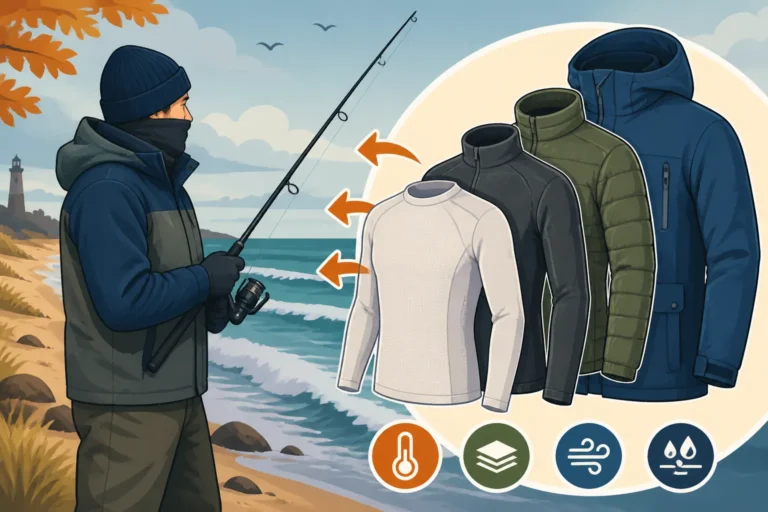
Beyond the immediate water hazards, the natural environment surrounding New Jersey's trout streams also demands awareness. Hypothermia is a very real concern, especially when the air temperature is mild but the water is frigid, as is often the case during early spring or late fall fishing. A simple slip and fall into cold water, even if you quickly get out, can rapidly drop your core body temperature, leading to confusion, impaired motor skills, and in severe cases, unconsciousness. Dressing in layers and having a dry change of clothes readily accessible is not just a comfort, it's a safety measure.
Furthermore, stream banks can be just as treacherous as the stream bed. Steep, muddy, or overgrown banks can make entry and exit difficult, and a misstep could send you tumbling into the water. Thorny bushes, poison ivy, and stinging nettles are common along many of our riverbanks, turning a simple scramble into a painful ordeal. While encounters with dangerous wildlife are rare, it's always wise to be aware of your surroundings, especially in more remote areas. Knowing where you are and what flora and fauna are common to the area can prevent minor annoyances or even serious medical issues.
Essential Gear for Safe Trout Stream Wading
When it comes to wading New Jersey's rocky trout streams, the right gear isn't just about comfort or catching fish; it's about your safety and well-being. Investing in quality equipment that's designed for these challenging conditions can make all the difference between a fantastic day on the water and a potentially dangerous situation.
Waders and Wading Boots: Your Foundation
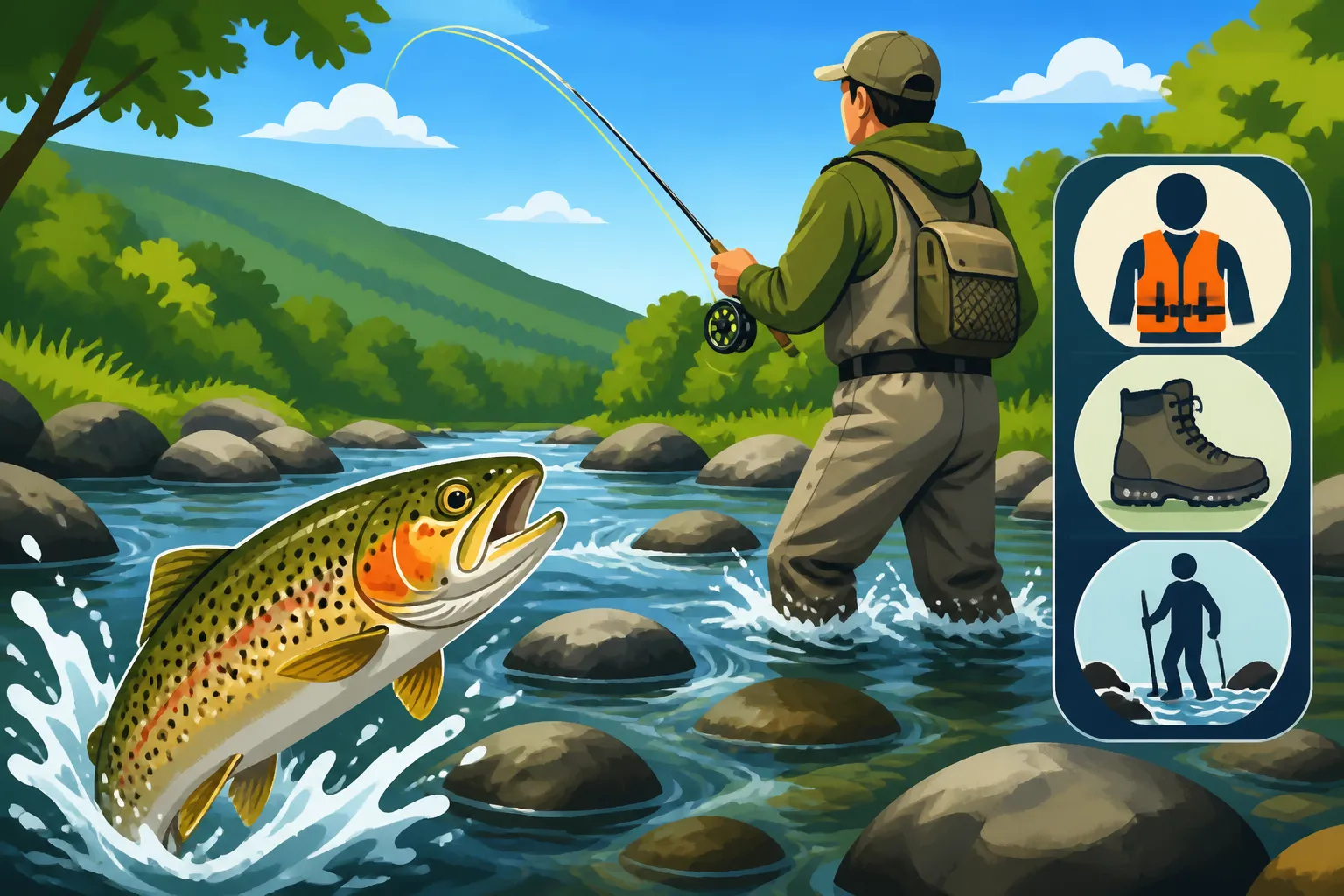
Your waders and wading boots are, quite literally, your foundation when you're in the stream. They provide the barrier between you and the cold water, and more importantly, the traction you need to stay upright. For New Jersey's diverse conditions, chest waders are almost always preferred over hip waders, offering protection against unexpected deep spots and splashes. Look for durable, breathable materials that offer freedom of movement without being baggy, as excess fabric can get caught or impede your balance. A snug fit is crucial; overly large waders can fill with water if you fall, creating a dangerous drag.
Wading boots are where the real magic happens for traction. You generally have a choice between felt soles and rubber soles, often with the option of adding studs.
| Sole Type | Pros | Cons | Ideal Use in New Jersey's Trout Streams |
|---|---|---|---|
| Felt Soles | Excellent grip on mossy, algae-covered rocks | Can become waterlogged; prone to tracking mud; less durable | Best for extremely slick, mossy rocks in slow-to-moderate currents, especially in colder months. |
| Rubber Soles | More durable; better grip on dry ground and mud; less likely to track invasives | Can be very slippery on wet, algae-covered rocks | Good for mixed terrain (stream and bank), faster hiking between spots, or streams with less algae. |
| Studded Rubber Soles | Best all-around traction on varied rocky surfaces; studs dig into slick rocks | Can damage boat floors; studs wear down over time; noisier to walk | Highly recommended for the diverse, rocky, and often slick conditions of New Jersey's trout streams. |
For New Jersey, a good pair of sturdy wading boots with excellent ankle support is non-negotiable. Many experienced anglers opt for rubber soles with screw-in or built-in studs for maximum grip on the varied and often slick riverbeds. Brands like Orvis, Simms, or Patagonia offer excellent options that you can often find readily available on Amazon, ensuring you get a pair that can handle the abuse. Ensure your boots fit well over your wader booties; they should be snug but not too tight, allowing for proper circulation and preventing blisters.
Wading Staff: Your Third Leg
A wading staff is perhaps the most overlooked yet vital piece of safety equipment for stream fishing. Think of it as your third leg, providing crucial stability and balance, especially when traversing unseen or particularly challenging sections of the stream. Many anglers, myself included, have moments where a well-placed wading staff prevented an unpleasant tumble.
There are various types of wading staffs: folding, telescopic, and fixed. Folding staffs are popular for their portability, collapsing down to a compact size when not in use. Telescopic staffs offer adjustable length and are also easy to stow. Fixed staffs are the most robust but less convenient to carry. No matter the type, choose one that extends to at least your armpit when standing upright, providing ample leverage.
The key to using a wading staff effectively is to incorporate it into every step. Before you move your foot, probe the bottom with your staff to confirm stable footing and depth. Maintain a wide, stable stance, using the staff to create a tripod effect with your legs. When moving, keep the staff downstream and slightly ahead of your body, creating a brace against the current. Many excellent, durable wading staffs are available for purchase on Amazon, often with retractable leashes so they don't float away if you lose your grip.
Personal Flotation Devices (PFDs) and Safety Extras
While you might not picture a PFD for stream fishing, it's a critical piece of safety gear, especially when fishing alone, in swift currents, or on unfamiliar, deeper waters. An inflatable PFD, which is lightweight and low-profile, can be a lifesaver if you take an unexpected fall in a deep pool or fast-moving section of a river. They deploy quickly with a pull tab or automatically when submerged, providing the buoyancy needed to keep your head above water and recover your composure. Consider this for areas like the larger, faster sections of the Delaware River Fishing in New Jersey.
Beyond a PFD, a few other safety extras are non-negotiable. A snug-fitting wading belt around your waders is essential. It prevents your waders from filling with water if you fall, creating a seal that can mean the difference between easily recovering and being dangerously weighed down. A small, waterproof dry bag, easily found on Amazon, should hold a fully charged cell phone (for emergencies), a compact first-aid kit, a whistle (to signal for help), and a small, bright headlamp in case you get caught out after dark. Always carry a small, sharp knife too, as it can be useful in unexpected situations. These seemingly small items collectively form a robust safety net for your time on the water.
Mastering Safe Wading Techniques
Having the right gear is only half the battle; knowing how to use it and mastering safe wading techniques is equally crucial. Many experienced anglers will tell you that patience and deliberate movement are your best friends in a rocky stream. Rushing or being careless can lead to an unexpected swim, even in familiar waters.
Reading the Water Before You Step In
Before you even dip a boot into the water, take a moment to "read" the stream. This isn't just about finding where the fish might be holding; it's about identifying safe passage and potential hazards. Look for changes in current speed, water depth, and the texture of the bottom. Fast, turbulent water usually indicates deeper sections or a rocky, uneven bottom, while slower, smoother stretches might be shallower or have a more stable substrate.
Pay close attention to eddies, seams, and current breaks – these are often fish-holding lies, but they can also create tricky hydraulics for wading. Use your eyes to identify any large, stable boulders that could serve as stepping stones, and note areas where the current seems to push heavily against the bank. If the water is at all murky, or if you can't clearly see the bottom, use your wading staff to probe ahead of you. Tap it gently to feel for solid ground, hidden holes, or slippery spots. Don't be afraid to walk a bit upstream or downstream to find a more manageable crossing point. Sometimes, the safest path isn't the most direct one to your desired fishing spot.
The "Shuffle Step" and Facing Upstream
Once you decide to enter the water, adopt the "shuffle step" technique. This means never lifting both feet off the bottom simultaneously. Keep your feet spread wide, forming a stable base, and shuffle them forward, maintaining continuous contact with the stream bed. This significantly reduces your risk of slipping. When moving, always face upstream or slightly upstream. This allows the current to push against your body, creating a natural counterbalance, rather than pushing you from behind, which can easily throw you off balance.
As you shuffle, keep your knees slightly bent – this acts as a natural shock absorber and allows you to adjust quickly to uneven terrain. Your center of gravity should remain low and stable. Use your wading staff consistently, planting it firmly before each step and using it to feel out the bottom. If you feel even the slightest instability, pause, re-establish your balance, and reassess your next move. Remember, a slow, deliberate pace is far safer than rushing, especially when the water is cold or the bottom is particularly challenging.
Crossing Deeper or Swift Sections
There will undoubtedly be times when you need to cross a deeper or faster section of a trout stream to access prime fishing lies. This is where your wading staff truly earns its keep, and where a healthy dose of caution is essential. Before attempting to cross, ask yourself: "Is this truly necessary? Is there a safer alternative?" If the answer is yes to the necessity and no to an easier alternative, proceed with extreme care.
When facing deeper or swift currents, employ the "tripod method." This involves having two points of contact (your feet) and your wading staff as the third. Plant your staff firmly upstream and slightly to one side, then move one foot, then the other, always maintaining at least two points of stable contact. Lean into the current slightly, letting it brace you, and keep your gaze fixed on your immediate path, not further downstream. If you're fishing with a buddy, consider a buddy system crossing: two anglers facing upstream, one slightly downstream and holding onto the other, both using staffs. This creates a larger, more stable platform against the current. However, if the water feels too powerful, or if you can't see the bottom clearly, the safest decision is always to turn back or find a different route. No fish is worth risking your safety.
Planning Your Trip and Emergency Preparedness
A truly safe and enjoyable day of wading New Jersey's trout streams starts long before you ever tie on your first fly. Careful planning and preparing for the unexpected are key components of responsible angling.
Pre-Trip Research and Conditions Check
Before heading out, become a diligent researcher. Start by checking the weather forecast for the area you plan to fish, not just for the day, but for the preceding days as well. Recent heavy rainfall, even miles upstream, can significantly raise water levels and increase current speeds, making wading treacherous. Websites like the USGS streamflow data often provide real-time information on water levels and flow rates for many rivers, which can be invaluable. A small, clear stream can turn into a raging, unfishable torrent after a good rain.
Beyond weather, understand the specific characteristics of the stream you intend to wade. Is it known for deep pools, swift rapids, or particularly slick rock formations? Knowing the typical depths and current speeds can help you choose the right gear and plan your approach. For instance, New Jersey's Round Valley Reservoir Fishing Guide might require different considerations than a shallow, rocky brook. Consider the time of year too; early spring, with melting snow and high runoff, will present different conditions than late summer. Understanding rules like New Jersey Trout Season Preseason Closure Explained or New Jersey Spring Trout Stocking Start Date can also give clues about potential crowds or recent water management that might affect conditions.
Communicating Your Plans
Perhaps the simplest, yet most critical, safety measure is to always let someone know your plans. Before you leave, tell a trusted friend or family member exactly where you're going, which specific stretch of stream you plan to fish, and your estimated time of return. Provide them with a map or specific landmark if possible. This way, if you don't check in when expected, someone knows to raise the alarm and where to direct help.
While fishing alone can be a wonderfully solitary experience, consider fishing with a buddy, especially in more remote or challenging locations. A partner can provide an extra set of eyes, help with difficult crossings, and be an immediate responder in case of a fall or injury. The camaraderie of fishing with a friend also makes the experience even better! Even if you prefer solo excursions, adhering to the "tell someone where you're going" rule is non-negotiable for your personal safety.
What to Do in an Emergency
Even with the best preparation and technique, accidents can happen. Knowing how to react in an emergency can significantly improve your outcome.
- Falling In: If you do take a tumble, the most important thing is to stay calm. Don't fight the current. Turn onto your back, feet first, allowing your feet to absorb impacts with rocks downstream. This also helps keep your head above water. Use your hands to scull for balance and steer yourself towards the nearest bank or a solid obstruction like a large boulder or log. If you have an inflatable PFD, deploy it immediately. Once you regain your footing or reach solid ground, immediately check yourself for injuries and assess your gear. If your waders are filled with water, getting out can be difficult, highlighting the importance of a wading belt.
- Hypothermia: As mentioned, cold water exposure is a major risk. Shivering is the first sign. If you get wet, get out of the water immediately, get to shelter, and change into dry clothing. If you can't get dry, keep moving to generate body heat. Early symptoms include shivering, numbness, and clumsiness. Severe hypothermia can lead to confusion and loss of consciousness. Always carry a dry change of clothes, even if it's just a small pack in your vehicle.
- Minor Injuries: Cuts, scrapes, and twisted ankles are common in rocky environments. A well-stocked, waterproof first-aid kit, readily available on Amazon, can handle most minor issues. For more serious injuries, activate your emergency plan: use your cell phone (if you have service), blow your whistle, or send for help via your designated contact person.
Remember, fishing is meant to be an enjoyable and rejuvenating activity. By respecting the water, equipping yourself properly, and practicing safe techniques, you can ensure your New Jersey trout stream adventures are memorable for all the right reasons. Don't forget that if you're targeting trout, you'll need a New Jersey Trout Stamp Requirements Explained in addition to your regular fishing license.
Disclaimer
This article is for general informational purposes only and does not constitute professional advice. Laws, prices and regulations vary by location and change over time. Consult a qualified professional for guidance on your specific situation.