How to Store Live Bait Overnight
We've all been there: you're planning an epic New Jersey fishing trip, maybe an early morning assault on the Raritan Bay for stripers or a peaceful dawn pursuit of trout in a pristine stream. You pick up your live bait the day before, or perhaps you've got some precious leftovers from a successful outing. The last thing you want is to wake up to a container full of dead or sluggish bait. It's frustrating, wasteful, and can really put a damper on your fishing prospects. This guide is all about giving you the practical, down-to-earth advice you need to keep your live bait vibrant, healthy, and ready for action overnight, ensuring your next fishing adventure starts off right.
Why Proper Overnight Bait Storage Matters
Thinking about just tossing your bait bucket in the corner of the garage until morning? I wouldn't recommend it, and I've learned that lesson the hard way more times than I care to admit. Proper overnight storage for live bait isn't just about being a good angler; it's about making the most of your time, money, and fishing opportunities. It's a small detail that makes a huge difference in the grand scheme of your fishing success.
The Cost of Dead Bait
Let's be real, live bait isn't cheap. Whether you're buying a scoop of shiners, a dozen bloodworms, or a handful of green crabs, you're investing in something alive that's meant to attract fish. Imagine spending good money at your local bait shop in Point Pleasant or down in Cape May, only to find a lifeless mess come sunrise. That's money right down the drain, and it's a gut punch when you're trying to save a buck.
Beyond the monetary cost, there's the cost of wasted potential. Dead bait just doesn't perform the same way live bait does. The natural movement, the enticing scent, the very essence of "live" is what triggers a predatory response in fish. A dead bunker might still get a bite, but a lively one wiggling on the hook is often irresistible. Don't let your investment literally die overnight.
Plus, if you're like me, you sometimes have a little extra after a trip, and you don't want to just toss perfectly good bait. Learning how to properly store it extends its life and gets you more value out of every purchase. It's about being resourceful and making sure every dollar you spend on bait contributes to a potential catch.
Maintaining Bait Vigor for Better Fishing
Fish are smart, and they're often more attracted to vibrant, active prey. A lively minnow darting around on your hook, or a fresh, squirming worm, just looks more appealing to a hungry striper or a picky trout than something limp and still. When your bait is stored correctly overnight, it retains its natural vigor, making it far more effective on your line.
Think about it from the fish's perspective. They're looking for an easy meal, but also one that signals health and vitality. A baitfish that's struggling or already dead sends a different signal than one swimming strong. This is especially true for finicky species or in pressured waters across New Jersey, where fish might be more selective. The extra effort you put into keeping your bait lively translates directly into more bites and a better chance of landing that trophy.
This vigor also means your bait will last longer on the hook. Weak bait tends to die quickly once it hits the water, especially if it's being tossed around by currents or actively hunted by smaller fish. By ensuring your bait is healthy before it even leaves the bucket, you increase its resilience and effectiveness during your actual fishing session.
Avoiding Unnecessary Trips to the Bait Shop
There's nothing worse than waking up before dawn, coffee in hand, tackle box packed, only to realize your bait has expired overnight. Now you're faced with a choice: either delay your trip to swing by the bait shop (which might not even be open that early), or head out with less-than-ideal bait. Neither option is great when you're eager to hit the water.
Knowing how to properly store your bait means you can confidently buy it the day before, or even use leftovers from a previous trip, without that nagging worry. This gives you precious extra minutes in bed, or more time to get to your favorite spot on the Delaware River or Barnegat Bay before the crowds arrive. It's all about streamlining your fishing routine and making it less stressful.
Especially during peak season, bait shops can be crowded, and sometimes they even run out of popular bait species. By having a reliable method for overnight storage, you can avoid these frustrations entirely. You're prepared, self-sufficient, and ready to fish when you want to, not when the bait shop opens or when their next delivery arrives. This preparedness really pays off when you're trying to hit a specific tide or bite window.
Essential Gear for Overnight Bait Storage
You don't need a fancy laboratory, but having the right tools makes all the difference in keeping your bait alive and kicking. The foundation of successful overnight bait storage is having the proper containers, aeration, and temperature control. Without these, you're essentially just hoping for the best, and hope isn't a strategy that consistently works for keeping bait alive.
Choosing the Right Container
The humble bait bucket is more important than you might think. For smaller quantities of baitfish like minnows or killies, a standard plastic bait bucket with an insulated liner or a double-bucket system is a great start. The insulation helps maintain a stable water temperature, which is crucial. If you're going for something more robust, consider a dedicated baitwell or a large cooler modified with a lid that can accommodate an aerator hose. The key is size and material.
You want a container that's large enough to prevent overcrowding, which can quickly deplete oxygen and stress your bait. For example, a 5-gallon bucket might seem big, but for a hundred shiners, it can get crowded fast. Think about the surface area of the water – more surface area means better gas exchange. Also, avoid anything that has been used for chemicals or strong cleaners, as residues can be deadly to your bait. Plastic is generally safe, but ensure it's food-grade or specifically designed for bait. You can find excellent bait buckets and modified coolers on platforms like Amazon, offering various sizes and features to suit your needs, from simple buckets to more elaborate livewells.
For worms, a different type of container is needed. A breathable container with bedding is crucial. This could be a specialized worm box, often made of styrofoam or thick plastic with ventilation holes, filled with peat moss, shredded newspaper, or commercially available worm bedding. The goal is to keep them cool, moist, and able to breathe without drowning in water. These conditions are a far cry from what baitfish need, highlighting why a one-size-fits-all approach to bait storage just doesn't work.
Aeration Systems: A Lifeline for Your Bait
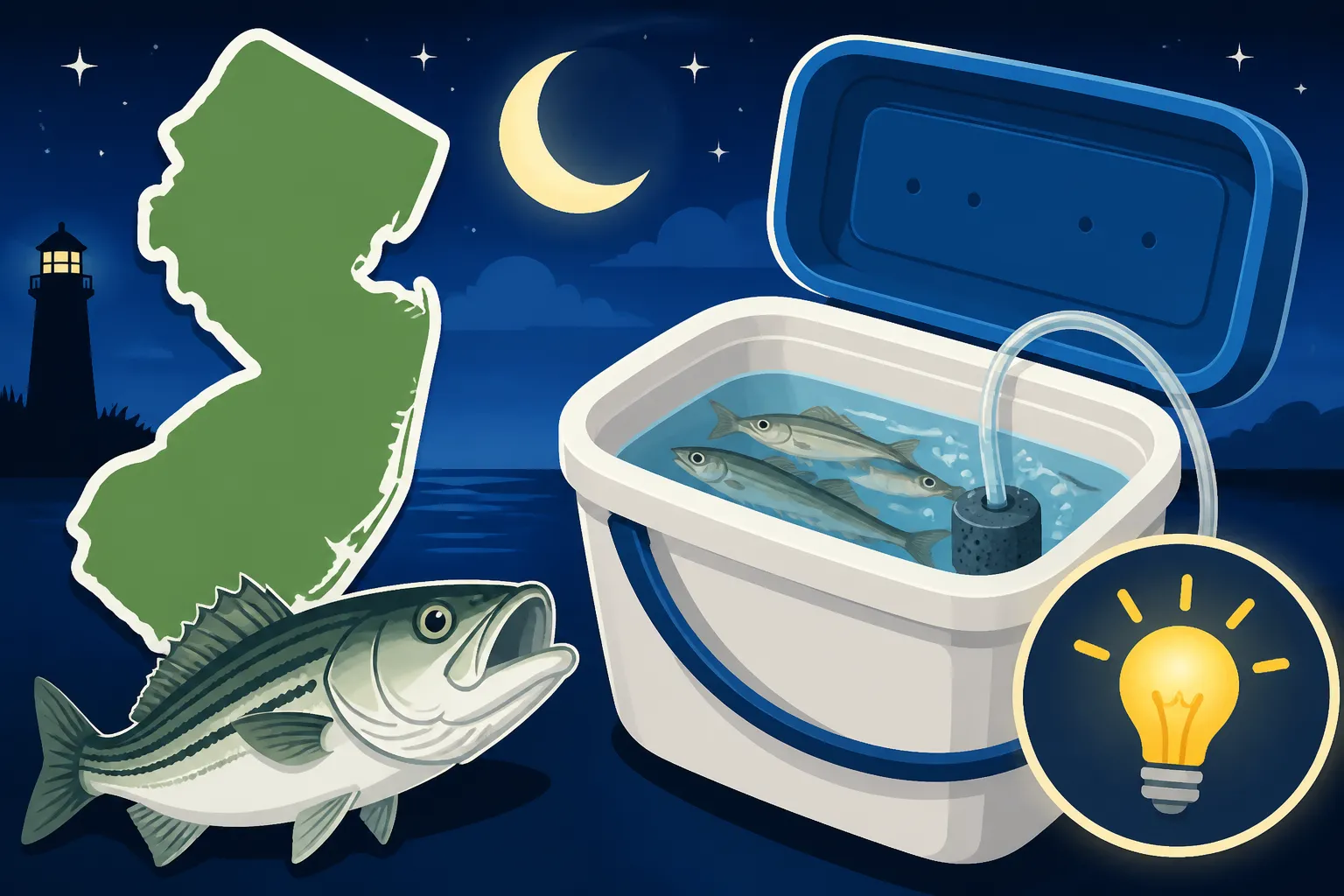
This is arguably the most critical component for keeping baitfish alive. Fish need oxygen, just like us, and in a confined bucket, that oxygen gets used up quickly. An aerator introduces fresh air into the water, replenishing oxygen levels and circulating the water to prevent stagnant spots. You'll find battery-operated aerators that clip onto the side of your bucket, or larger 12V models that can run off a boat battery or car adapter.
A good aerator will have an air stone or diffuser that creates fine bubbles, maximizing the surface area for oxygen transfer. Don't skimp on this. A weak aerator might not be enough for a larger volume of water or a higher density of bait. Some models even come with a waterproof casing, which is a blessing when you're dealing with splashed water. Keeping your aerator running overnight, especially in warmer temperatures, can mean the difference between lively bait and a bucket of dead fish. Even an affordable, reliable aerator purchased from a retailer like Amazon can drastically improve your bait's survival rate.
For worms and other terrestrial bait, aeration isn't about bubbling water. It's about ensuring air circulation within their bedding. This means containers with proper ventilation holes, as mentioned before, allowing fresh air to reach them and preventing a buildup of harmful gases. It's a different kind of "aeration," but equally vital for their survival.
Temperature Control Solutions
Temperature is a silent killer for live bait. Most baitfish, especially those caught in cooler waters, are sensitive to rapid temperature changes or excessively warm water. Warm water holds less oxygen, and it also speeds up the metabolism of your bait, making them consume oxygen even faster. The ideal temperature for most baitfish is generally in the 50-65°F range, though this can vary by species.
Overnight, especially in a garage or shed, temperatures can fluctuate dramatically. To combat this, you can add frozen water bottles or gel packs to your bait bucket. Avoid adding ice directly to the water, as it often contains chlorine or other impurities that can harm your bait. The goal is a gradual, stable cooling. For worm storage, keeping them in a cool, dark place like a basement or even the bottom shelf of a refrigerator (away from food, of course!) is usually sufficient. Remember, stability is key. You don't want the temperature to swing wildly from hot to cold; gradual cooling and consistent temps are best.
Many experienced anglers use insulated coolers for this very reason, even if they aren't directly using ice. The insulation helps buffer external temperature changes. If you're using a large plastic tote, wrapping it in an old blanket can provide some surprising insulation. It's about creating a microclimate where your bait can comfortably rest and conserve energy until your lines hit the water.
Best Practices for Specific Bait Types
Different types of bait have different needs. What works for a minnow won't work for a bloodworm, and what keeps a crab lively isn't ideal for an eel. Understanding these nuances is crucial for maximizing your bait's lifespan.
Minnows, Killifish, and Other Small Finfish
These are common freshwater and brackish water baits used all over New Jersey, from catching bass in Lake Hopatcong to fluke in the back bays. They require well-oxygenated, clean water at a stable, cool temperature.
When storing minnows or killifish overnight:
- Water Quality: Use fresh, dechlorinated water. Tap water can be deadly due to chlorine. If you must use tap water, let it sit out for 24 hours to allow chlorine to dissipate, or use a dechlorinating agent (available at pet stores). You can learn more about local regulations affecting your fishing, including water sources, in our guide New Jersey Freshwater Fishing Regulations Every Angler Should Know.
- Aeration is Non-Negotiable: Run your aerator continuously. If you're using a battery-operated one, have spare batteries ready.
- Temperature Control: Keep the water cool. As discussed, frozen water bottles in the bucket are perfect. Avoid direct sunlight.
- Density: Don't overcrowd the bucket. A good rule of thumb is about one gallon of water per dozen medium-sized minnows, but adjust based on ambient temperature and aerator strength. If you're preparing for a fluke trip and want to keep your spearing lively, these same principles apply. Consider checking out Best Bait for Fluke Fishing for more details on using these active baits.
- Feeding (or lack thereof): Do not feed your baitfish overnight. Feeding them will cause them to excrete waste, fouling the water and depleting oxygen even faster. They can go without food for a day or two easily.
For example, if you've got a couple dozen shiners left after a day of trying to entice trout in a local pond, transfer them to a dedicated bait bucket with fresh well water. Pop in a frozen water bottle and clip on a battery-powered aerator. Place the bucket in a cool, dark corner of your garage. The next morning, they should be just as lively as when you bought them, ready for another go, perhaps at a spot like Round Valley Reservoir, where specific bait types can be key to success, as detailed in Best Bait for Round Valley Reservoir Trout in Spring.
Eels and Larger Baitfish
Eels, bunker, and larger spot or mullet are often used for targeting bigger game fish like striped bass in the bays and inlets of New Jersey. Their storage needs are a bit different, especially for eels.
- Eels: Eels are incredibly hardy, but they don't necessarily need to be kept fully submerged in water. They do best in a cool, damp environment. Many anglers keep eels in a bucket with just a few inches of water, or even in damp sand/bedding material, covered with a damp cloth. The key is to keep them cool and moist, not swimming actively. They can survive out of water for extended periods if kept cool and damp, and they're less susceptible to oxygen depletion issues common with smaller baitfish.
- Bunker/Mullet/Spot: For larger baitfish like bunker (menhaden), clean, well-aerated, and cool saltwater is paramount. Their size means they consume oxygen rapidly and produce more waste. A large, well-aerated cooler is usually required. Change a portion of the water if it starts to look cloudy or foamy. Keep the water temperature stable and cool, especially if they are fresh from the ocean. Information about how long bunker typically lasts can be found in How Long Does Bunker Stay Fresh as Bait?. These are prime baits for species like striped bass, and keeping them frisky overnight ensures they're at their best when you're rigging live bait for striped bass.
A practical scenario for bunker: If you're bringing home leftover bunker from a charter out of Point Pleasant, immediately transfer them to a large cooler filled with fresh saltwater. Add a substantial aerator (or two, if it's a big cooler) and a few frozen saltwater bottles. Keep the lid cracked slightly for ventilation, and store it in a cool place. This ensures they're ready for your next striper hunt along the Jersey Shore.
Worms: Nightcrawlers, Bloodworms, and Sandworms
Worms are a staple for many types of fishing in New Jersey, from freshwater trout to saltwater bottom fish. Their storage needs are quite distinct from fish.
- Bedding: Worms thrive in moist, cool bedding material. Good options include peat moss, shredded newspaper (uncolored), or specialized worm bedding available at bait shops. The bedding should be damp, like a wrung-out sponge, but not soaking wet. Too much moisture will drown them; too little will dry them out.
- Temperature: Cool temperatures are essential. Store them in a cool, dark place – a basement, garage corner, or even a dedicated spot in a refrigerator (again, separate from food!). Avoid direct sunlight or hot environments at all costs.
- Container: A breathable container is key. Worm boxes typically have small holes for ventilation. Don't use sealed plastic bags or airtight containers, as worms need air.
- Bloodworms and Sandworms: These saltwater worms are a bit more delicate than nightcrawlers. They often come packed in peat moss or newspaper within a small, insulated container. Keep them in this container, dampening the bedding slightly if it seems dry, and place the whole thing in a cooler with a frozen gel pack (not direct ice) or in a refrigerator. They are very sensitive to heat. For insights into fishing with these specific worms, especially for species like striped bass, check out How to Fish Bloodworms for Striped Bass.
An example: You bought a flat of nightcrawlers from Walmart for an opening day trout adventure, but didn't use them all. Immediately transfer the remaining worms into a plastic worm container with fresh, damp peat moss. Place a few sheets of damp, shredded newspaper on top, then close the lid. Store this container in the coolest part of your basement or refrigerator. They'll be good to go for a week or more, keeping them vibrant for baits that work best for opening day trout.
Crabs, Shrimp, and Other Invertebrates
Whether you're using green crabs for tautog or grass shrimp for perch, these baits also have their own specific overnight requirements.
- Crabs (Green Crabs, Fiddler Crabs): Crabs are quite resilient. They don't need to be submerged in water. Instead, keep them in a sturdy container (like a 5-gallon bucket or cooler) with a damp cloth or some damp seaweed covering them. Ensure there's ventilation, but also make sure they can't climb out. Keep them cool, out of direct sunlight. A little cool, damp sand in the bottom of the bucket can also help. If you're specifically targeting blue claw crabs for bait or dinner, our guide How to Catch Blue Claw Crabs in New Jersey might be useful.
- Shrimp (Grass Shrimp, Small Prawns): These generally need similar care to small baitfish: cool, aerated, clean saltwater. Use a small bait bucket with an aerator. They are more delicate than fish, so avoid overcrowding and handle them gently. Change the water if it becomes cloudy. If you're gathering these from a local New Jersey estuary, ensure the water you use for storage matches their natural habitat.
- Clams/Mussels (Shucked or Unshucked): While not "live" in the same sense as a minnow, fresh shucked clams or mussels are highly effective bait. If you're keeping them overnight, either keep them in their shells (on ice, in a cooler with the drain open so they don't sit in meltwater), or shuck them and keep the meat in a sealed container, well-chilled on ice. They lose their effectiveness quickly if not kept cold.
Think about a tautog trip: You've got a dozen green crabs left after a challenging day bouncing rigs off the jetties. Instead of just leaving them in the sun, put them into a bucket with a few inches of damp saltwater-soaked seaweed, cover with a lid that has holes, and place the bucket in the shade or your garage. They'll be ready for another go, possibly as part of a multi-species effort as highlighted in What Forage Fish Do Saltwater Gamefish Feed On?.
| Bait Type | Container Type | Aeration Needs | Temperature Control | Key Considerations |
|---|---|---|---|---|
| Minnows, Killifish, Spearing | Insulated Bait Bucket or Livewell | Continuous Air Pump (air stone) | Cool (50-65°F), Stable | Dechlorinated water, avoid overcrowding, no feeding. |
| Eels | Bucket with 1-2" water or damp bedding, covered | Minimal (or none) | Cool, Damp | Focus on moisture & cool, not active swimming. |
| Nightcrawlers | Breathable Worm Box | Ventilation Holes | Cool, Dark (40-55°F) | Damp bedding (peat moss/newspaper), no drowning. |
| Bloodworms, Sandworms | Insulated container with damp bedding | Ventilation Holes | Refrigerated (35-45°F) | Very sensitive to heat, keep bedding moist. |
| Green/Fiddler Crabs | Sturdy bucket/cooler with lid | Ventilation Holes | Cool, Damp | Damp cloth/seaweed, prevent escape, not submerged. |
| Grass Shrimp | Small Bait Bucket | Continuous Air Pump (gentle) | Cool Saltwater (55-70°F) | Clean saltwater, avoid overcrowding, very delicate. |
Troubleshooting Common Bait Storage Problems
Even with the best gear and intentions, things can sometimes go sideways. Knowing how to recognize and address common issues can save your bait and your fishing trip.
Dealing with Dying Bait
It's heartbreaking to check on your bait and find some, or many, of them lifeless. But don't despair immediately. Identifying the cause can help you save the rest. Often, dying bait is a symptom of poor water quality, insufficient oxygen, or extreme temperatures.
First, remove any dead bait immediately. Dead bait decomposes quickly, releasing ammonia and other toxins that will further foul the water and stress the remaining live bait. Think of it like a sick person in a crowded room – they can quickly spread illness. Next, check your aerator. Is it running effectively? Are the bubbles strong? If it's battery-operated, swap out the batteries. Test the water temperature. Is it too warm? Add a frozen water bottle. If the water looks cloudy or smells off, it’s a strong indicator that the water quality is poor. You might need to perform a partial water change, replacing about 50% of the old water with fresh, clean, dechlorinated water that's roughly the same temperature. Remember, sudden temperature shocks can be just as deadly as poor quality water. For worms, if you find dead ones, remove them and check the bedding for excessive moisture or dryness. Sometimes, a simple bedding change can revive the batch.
If you're finding a consistent problem with dying bait, it's time to re-evaluate your entire setup. Is your container too small for the amount of bait you're trying to keep? Is your aerator powerful enough? Are you taking proper care during the initial transport from the bait shop? Sometimes, the damage is done before they even reach your overnight setup. For specific advice on keeping your chosen bait vibrant for extended periods, you might also want to consult resources like New Jersey Marine Fish Size Chart 2026 which can sometimes offer insights into species' environmental needs.
Preventing Water Fouling
Water fouling is a major enemy of live bait, particularly finfish. It's caused by a buildup of waste products (ammonia, nitrates), uneaten food (if you mistakenly feed them), and decomposing dead bait. Foul water rapidly depletes oxygen and creates a toxic environment.
The best defense against water fouling is prevention. As mentioned, do not feed your bait overnight. Remove any dead or sickly bait immediately. Ensure your container isn't overcrowded, as more bait means more waste. A strong aerator not only provides oxygen but also helps circulate the water, preventing pockets of stagnant, foul water from forming. For longer-term storage (beyond just overnight, though), some anglers use small sponge filters or add a small amount of rock salt (non-iodized) to saltwater bait buckets. The salt can help reduce stress and act as a mild antiseptic, but always research the specific needs of your bait species before adding any additives.
A visual cue for fouling is cloudy or foamy water, or a distinct unpleasant odor. If you notice these signs, a partial water change is your best bet. Carefully scoop out about half the water and replace it with fresh, temperature-matched water. Having a spare bucket of prepared, dechlorinated water on hand can be a real lifesaver in these situations.
Avoiding Overcrowding
This is perhaps the most common mistake anglers make when trying to store live bait, especially small baitfish. It's easy to just dump all your bait into one bucket, thinking bigger is better. But too many fish in too small a space leads to a rapid depletion of oxygen, an accelerated buildup of waste, and increased stress among the bait. Stress weakens fish, making them more susceptible to disease and death.
Imagine being stuck in a tiny room with too many people – it gets stuffy, hot, and unpleasant quickly. It's the same for your bait. When buying bait, consider how many you realistically need and how much space you have for storage. If you have a large quantity, it's often better to split them into two smaller, well-aerated containers than to cram them all into one. This might mean having two small bait buckets, each with its own aerator.
A good rule of thumb for minnows and similar baitfish is a maximum of one dozen medium-sized baitfish per gallon of water with good aeration, but this can vary depending on water temperature and the hardiness of the species. When in doubt, err on the side of less bait per volume of water. Your bait will thank you with their vigor, and ultimately, the fish you're trying to catch will thank you too. This mindful approach to bait management is key to success, whether you're targeting specific species in freshwater or trying your luck with different techniques. For example, understanding how many fish can comfortably be kept alive can impact your success when planning a trip to a heavily fished area or when preparing for events like the free fishing days in New Jersey where bait demand might be higher, which are explained in New Jersey Free Fishing Days Explained.
Disclaimer
This article is for general informational purposes only and does not constitute professional advice. Laws, prices and regulations vary by location and change over time. Consult a qualified professional for guidance on your specific situation.