Merrill Creek Reservoir Fishing Guide
One of the biggest challenges for New Jersey anglers is finding truly unique freshwater fishing experiences, especially for species that thrive in deep, clear, cold waters. Many lakes are either too shallow, too warm, or simply overfished, leaving you feeling like you're always chasing the same fish in the same spots. This comprehensive guide is designed to cut through that frustration, focusing on Merrill Creek Reservoir – a distinct gem in Warren County – and equipping you with the knowledge to successfully target its elusive deepwater dwellers and feisty bass, ensuring your next outing is both productive and memorable.
Understanding Merrill Creek Reservoir: The Basics
Merrill Creek Reservoir isn't your typical glacial lake or man-made pond. It's an engineering marvel, designed with a specific purpose that directly impacts its fishing dynamics. Understanding its fundamental characteristics is the first step to unlocking its angling potential. You can't just show up with a bass rod and expect to dominate; this water demands respect and a bit of specialized knowledge.
A Unique Pumped-Storage Facility
Unlike many natural lakes, Merrill Creek Reservoir is a pumped-storage facility, constructed in the late 1980s by a consortium of electric companies primarily for cooling water for power plants. This means its water levels can fluctuate, sometimes significantly, depending on demand. What does this mean for an angler? Well, for starters, you'll notice steep, rocky banks and a lack of shallow, weed-choked areas common in other lakes. The reservoir was carved out of a valley, and when it was flooded, much of the original timber was left standing in deeper sections, creating incredible, if challenging, fish habitat. This constant water movement and the sheer depth – reaching over 200 feet in places – create a remarkably stable and cold environment, even in the dog days of summer. This is precisely why it can sustain species like lake trout, which are a rarity in New Jersey's freshwater systems. The clarity of the water is also exceptional, often with visibility of 15-20 feet, making stealth and presentation absolutely critical.
This unique nature of Merrill Creek also means it’s managed differently. It’s part of a larger ecological preservation effort by the Merrill Creek Owners Group, ensuring that while it serves an industrial purpose, its environmental integrity and recreational value are maintained. This dedication to conservation translates into a healthy fishery, but also means strict regulations you need to be aware of. The deep, cold environment, combined with constant oxygenation from the pumping action, creates an almost ideal habitat for certain coldwater species, setting it apart from nearly every other lake in the state.
Public Access and Regulations
While it's a private facility, Merrill Creek Reservoir offers generous public access for anglers, hikers, and birdwatchers. The main access point is located in Harmony Township, Warren County, offering a paved boat launch and plenty of parking. However, don't just pull up and expect to drop anchor anywhere. There are very specific rules in place to protect the pristine environment and ensure everyone's safety. For instance, swimming and wading are strictly prohibited – the depths and the purpose of the reservoir make it unsafe. You also won't find any bait or tackle shops directly on site, so make sure you come prepared with everything you need.
Boat operations are also under close scrutiny. There's a 10 horsepower limit for gasoline outboard motors, but electric trolling motors are widely encouraged and used. This restriction helps maintain the peaceful atmosphere and minimizes disturbance to wildlife and other users. Shore access is available but limited to designated areas, mainly around the boat launch and picnic spots. Respecting these rules isn't just about avoiding a fine; it's about preserving a truly special resource for future generations of anglers. Always consult the official Merrill Creek Reservoir regulations before your trip, as they can sometimes be updated.
Target Species and What They Love to Eat
Merrill Creek Reservoir is a haven for specific types of fish, and understanding their preferences is key to a successful outing. While you might stumble upon other species, focusing on the primary targets will yield the best results. This isn't a "catch-all" lake; it rewards anglers who tailor their approach to its unique inhabitants.
Lake Trout: Deepwater Giants
The absolute star of Merrill Creek Reservoir is the lake trout. These coldwater behemoths are a true trophy species for New Jersey anglers, and Merrill Creek is one of the few places you can consistently target them. They thrive in the reservoir's deep, cold, oxygen-rich waters, often holding in depths ranging from 60 to over 100 feet, particularly during warmer months. During the cooler periods of spring and fall, they might venture slightly shallower, but don't expect them to be cruising the surface. Lake trout in Merrill Creek can grow quite large, with fish in the 5-10 pound range being common and much larger specimens occasionally caught.
Their diet primarily consists of baitfish, especially alewives, which were stocked specifically to provide a forage base for these predators. Therefore, any presentation that imitates a fleeing or injured baitfish is going to be highly effective. Think spoons, swimbaits, and even large minnow-imitating crankbaits. The sheer size and power of these fish mean you need robust tackle to handle them once hooked. They are known for powerful runs and deep dives, testing both your gear and your patience. Knowing where to find them at different times of the year is half the battle; the other half is presenting a lure they can't resist.
Smallmouth Bass: Feisty Fighters
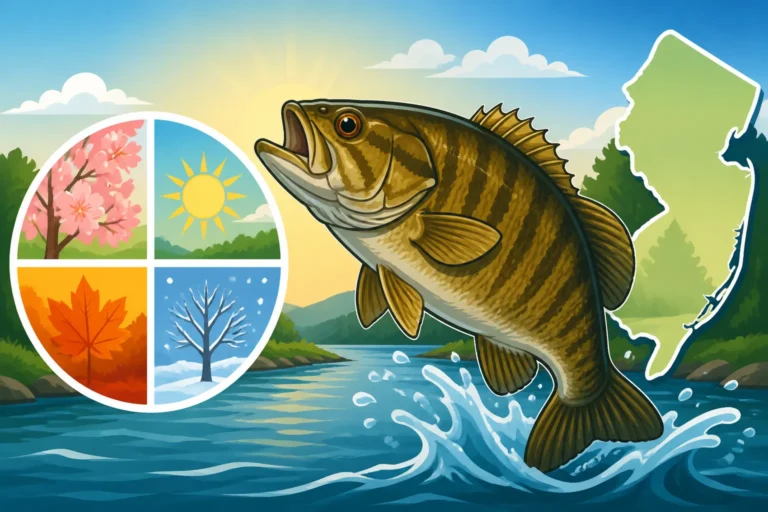
While lake trout draw the headlines, Merrill Creek also boasts an excellent smallmouth bass fishery. These bronze-backed beauties are often overlooked but provide thrilling action, especially for anglers who enjoy light tackle and aggressive strikes. Smallmouth bass prefer the rocky points, submerged humps, and steep drop-offs that characterize much of Merrill Creek's structure. They don't typically hang out in the super deep water with the lake trout, but rather in the 10-40 foot range, especially near areas where they can ambush baitfish or crawfish.
During the cooler months of spring and fall, smallmouth can be found shallower, aggressively feeding. As the water warms, they'll retreat to deeper ledges and structure, but still often relate to the bottom contours. Unlike largemouth bass, which often hide in weeds, smallmouth in Merrill Creek are all about rock and current breaks. Their fighting prowess is legendary; they are known for their aerial acrobatics and powerful, determined runs once hooked. Targeting them requires precise casting and a good understanding of underwater topography. If you're looking for exciting, hard-hitting action, don't discount Merrill Creek's smallmouth bass.
Other Notable Catches
While lake trout and smallmouth bass are the main attractions, Merrill Creek Reservoir isn't entirely a two-species show. Anglers can also encounter a variety of other fish, adding a pleasant surprise to any outing. Largemouth bass, though less dominant than their smallmouth cousins, do inhabit some of the shallower coves and areas with sparse submerged timber. They're typically found in the upper reaches of the reservoir or around more subtle contours where they can find cover. Don't expect huge numbers, but the largemouth caught here are often of respectable size due to the ample forage.
Panfish like yellow perch, crappie, and bluegill are also present, offering a fun option for younger anglers or those looking for a relaxed day. These species tend to congregate in schools, particularly around structure in moderate depths. While not the primary draw, they can provide steady action, especially when other species are finicky. Chain pickerel, known for their aggressive strikes and toothy grins, can also be found lurking in slightly shallower areas, often near any available submerged vegetation or woody debris. They are opportunistic predators and will hit a variety of lures and baits, making them a fun catch on lighter gear. Always remember, a New Jersey Fishing License Guide for 2026 is essential no matter what you're targeting!
Essential Gear and Techniques for Success
Fishing Merrill Creek Reservoir effectively means being prepared with the right equipment and understanding specialized techniques. This isn't a place for one-size-fits-all gear; the depth, clarity, and target species demand a thoughtful approach. Investing in the right tools and knowing how to use them will dramatically increase your chances of success.
Rods, Reels, and Line Choices
When it comes to tackle, versatility and strength are key for Merrill Creek. For those pursuing the deep-dwelling lake trout, a medium-heavy to heavy power spinning or baitcasting rod, about 6'6" to 7'6" in length, is ideal. These rods need enough backbone to handle heavy lures and jigs, set hooks in deep water, and muscle powerful fish. Pair this with a robust spinning reel in the 3000-4000 series or a baitcasting reel with a good drag system and plenty of line capacity. For line, a braided main line in the 20-30 pound test range is highly recommended for its sensitivity and minimal stretch, which is crucial for detecting subtle bites at extreme depths. Always tie on a fluorocarbon leader of 10-15 pound test; the clear water demands stealth, and fluorocarbon is nearly invisible underwater.
For smallmouth bass, a medium to medium-heavy spinning rod, 6' to 7' in length, will provide the sensitivity and casting accuracy needed. A 2500-3000 series spinning reel spooled with 10-15 pound braided line and an 8-12 pound fluorocarbon leader is a perfect setup. This allows for precise presentations with lighter lures while still having enough power to handle a feisty smallmouth in rocky terrain. Having separate setups for different species can make a huge difference, allowing you to quickly switch tactics without re-rigging constantly. This is particularly important if you're planning to target both lake trout and smallmouth during your visit, as their preferred habitats and typical depths differ significantly.
Baits and Lures That Produce
Selecting the right baits and lures is paramount at Merrill Creek, especially given the clear water and the specific diets of the primary target species. For lake trout, imitating their preferred forage, the alewife, is your best bet. Spoons are incredibly effective, particularly silver, blue, or white patterns that mimic baitfish. Brands like Sutton, Little Cleo, or the classic Kastmaster in 3/4 to 1 ounce sizes are great starting points. Jigging spoons or heavy blade baits dropped vertically to fish marked on your sonar can also trigger aggressive strikes from deep-holding lakers. Trolling with minnow-imitating crankbaits like Rapala Down Deep Husky Jerks or Berkley Flicker Shads in natural baitfish patterns is another proven tactic, especially when paired with downriggers to reach optimal depths.
For smallmouth bass, versatility is key. Soft plastic baits rigged on a drop-shot or Ned rig are deadly when smallmouth are hugging the bottom or suspended near structure. Green pumpkin, motor oil, and natural minnow colors work well. Tube jigs in dark colors (black, green pumpkin) also mimic crawfish, a favorite smallmouth snack, and are excellent for dragging along rocky bottoms. In shallower areas or when bass are aggressive, topwater lures like poppers or walking baits can produce explosive strikes, particularly during low light conditions. Small crankbaits and spinnerbaits can also be effective for covering water and locating active fish, especially around points and submerged humps. Remember, the clear water means your presentation needs to be natural and your knots secure – a strong fishing knot for saltwater anglers is good practice even in freshwater!
Trolling and Jigging Strategies
Given Merrill Creek's depth and the migratory nature of its lake trout, trolling is often the most productive method for covering water and locating active fish. This usually involves using downriggers to get your lures to the precise depths where lake trout are holding, which can be anywhere from 40 to 100 feet. Without downriggers, heavy lead core line or snap weights can help achieve depth, though with less precision. Pay close attention to your fish finder; once you mark fish or bait schools, adjust your trolling speed (typically 1.5 to 2.5 mph) and depth until you get bites. Spoons, large streamer flies, or minnow plugs are excellent choices for trolling. Vary your patterns and colors until you find what the fish are keying in on that day. Don't be afraid to experiment with S-turns or speed changes, as these can often trigger strikes.
Jigging is another highly effective technique, especially once you've located fish on your sonar. This involves dropping a heavy jigging spoon, blade bait, or even a large tube jig directly down to the fish. The key is to impart an erratic, wounded baitfish action. Lift your rod tip sharply a few feet, then let the lure flutter back down on a semi-slack line. Many strikes occur on the fall, so watch your line carefully for any twitch or pause. For smallmouth, vertical jigging with tube jigs or blade baits over rocky humps and drop-offs can be incredibly productive. A sensitive rod is essential for detecting the often subtle takes in deep water. Remember that mastering Trolling Techniques for New Jersey Lake Trout will significantly improve your chances here.
| Target Species | Preferred Habitat (Merrill Creek) | Recommended Baits/Lures | Key Techniques |
|---|---|---|---|
| Lake Trout | Deep, cold water (60-100+ ft), near baitfish schools, bottom contours | Spoons (silver, blue), minnow plugs, heavy jigs, blade baits | Trolling with downriggers/lead core, vertical jigging |
| Smallmouth Bass | Rocky points, submerged humps, steep drop-offs (10-40 ft) | Drop-shot rigs, Ned rigs, tube jigs, small crankbaits, topwater | Casting to structure, vertical jigging, slow retrieve |
| Largemouth Bass | Shallower coves, sparse submerged timber, subtle contours | Spinnerbaits, soft plastics (worms, creature baits), frogs | Casting to cover, slow retrieves |
| Yellow Perch | Schools near moderate depth structure, transition areas | Small jigs, worms, live minnows | Drifting, still fishing, light jigging |
| Chain Pickerel | Near any available submerged vegetation or woody debris | Spinnerbaits, spoons, jerkbaits, live minnows | Casting to cover, fast retrieves |
Navigating the Reservoir: Boat and Shore Access
Merrill Creek Reservoir, with its vast, clear waters and steep banks, presents unique considerations for both boat and shore anglers. Knowing the access points and rules, especially the horsepower restrictions, is crucial for a smooth and enjoyable fishing trip. Don't just show up expecting to launch any boat or fish from anywhere; a little planning goes a long way here.
Launching Your Boat and Horsepower Restrictions
Merrill Creek Reservoir has a single, well-maintained boat launch facility designed to handle a variety of watercraft. This concrete ramp provides easy access, and there’s ample parking available for trailers. However, the most critical rule to remember, which we touched on earlier, is the 10 horsepower limit for gasoline outboard motors. This restriction is strictly enforced and is a primary reason why the reservoir maintains its peaceful ambiance and clean waters. If your boat has an engine larger than 10 HP, you can still launch it, but you are only permitted to use an electric trolling motor. The gasoline engine must remain trimmed up and not in use. Many anglers who frequent Merrill Creek opt for smaller boats equipped with electric motors or simply rely on their powerful electric trolling motor as the sole propulsion.
For those considering a trip, especially with a boat, it's wise to plan your visit on a day when winds are calm. While electric motors are efficient, navigating 650 acres of open, deep water can be challenging if strong winds kick up whitecaps. Always ensure your batteries are fully charged for electric motors, as you'll be relying on them heavily to cover water. It's also a good idea to scout the area on a map or through resources like FishingBooker to understand the general layout, identifying key points, coves, and areas of interest before you even hit the water. Remember, proper boat registration and safety equipment are also paramount, just as with any other New Jersey waterway.
Productive Shore Fishing Spots
While Merrill Creek Reservoir is often seen as a boater's paradise due to its vastness and deepwater species, there are indeed opportunities for shore anglers to find success. The primary areas for shore access are concentrated around the main public access point, near the boat launch and the visitor's center. Here, you'll find designated areas with clear bank access, often consisting of rocky stretches and some slightly less steep slopes. These spots allow you to cast out into depths that hold smaller panfish and, at times, active smallmouth bass, especially during the spring and fall.
Look for areas where the shoreline drops off quickly, as these are often productive. Casting jigs, small crankbaits, or even live worms under a bobber can yield results. For anglers seeking more solitude and a greater challenge, hiking some of the trails that loop around the reservoir can reveal less-pressured shore fishing spots. However, always respect private property boundaries and designated no-fishing zones. These remote areas might require a bit of a trek, but they offer the chance to cast into untouched waters. Just remember to bring sturdy footwear, as the terrain can be rocky and uneven. While a boat certainly expands your reach, a patient and observant shore angler can still have a rewarding experience at Merrill Creek.
Seasonal Strategies for Merrill Creek Anglers
Fishing Merrill Creek Reservoir successfully often boils down to adapting your strategies to the changing seasons. The reservoir's deep, clear water and its unique pumped-storage nature mean that fish behavior can shift dramatically throughout the year. What works in spring won't necessarily work in summer, and a seasoned angler knows how to adjust.
Spring: Awakened Appetite
As the ice recedes and water temperatures begin their slow climb in spring, Merrill Creek's fish start to shake off their winter lethargy and begin to feed actively. This is often an exciting time for anglers. In early spring, the lake trout might be found slightly shallower than their summer haunts, perhaps in the 40-60 foot range, as they follow baitfish that are also moving up the water column. Trolling with spoons or plugs at these moderate depths can be very effective. Look for them cruising along drop-offs or near submerged humps. This is a great time to experiment with different depths until you find their comfort zone.
Smallmouth bass also become incredibly active in spring. As the water warms into the 50s Fahrenheit, they will move into shallower, rocky areas to feed and eventually spawn. Look for them on prominent points, rocky shoals, and transition areas from deeper water. Jerkbaits, spinnerbaits, and small crankbaits can be deadly for aggressive pre-spawn smallmouth. As the water continues to warm, topwater action can also pick up, particularly during low light conditions. Panfish like perch and crappie will also start to congregate in shallower areas, offering fantastic opportunities for light tackle anglers using small jigs or live bait. Remember, spring can also bring unpredictable weather, so always check the forecast before heading out, and consider booking a guide through a service like FishingBooker to maximize your spring success.
Summer: Going Deep
When the New Jersey summer heat sets in, Merrill Creek Reservoir truly comes into its own as a coldwater fishery. The deep, clear water remains cool, providing a sanctuary for species like lake trout. This is when the lakers really go deep, often holding in the 70-120 foot range, or even deeper, suspending over the old river channel or deep humps. Trolling with downriggers is almost a necessity to consistently reach these depths, allowing you to present spoons or large plugs right in the strike zone. Pay close attention to your electronics, looking for baitfish schools and individual fish arcs. When the sun is high and bright, lake trout will often hug the bottom, but they might suspend higher in the water column during low light or overcast conditions.
Smallmouth bass in summer will also retreat to deeper, cooler waters, often relating to submerged structure such as rock piles, ledges, and deep points. Drop-shot rigs, Ned rigs, and deep-diving crankbaits become highly effective for coaxing bites from these heat-weary bronzebacks. Fishing during early morning, late evening, or on overcast days can also improve your chances for smallmouth. Always consider New Jersey Summer Flounder vs Fluke: Same Fish, Different Name for your saltwater adventures, but for Merrill Creek, summer means deep for the lakers and bass.
Fall: Feeding Frenzy
Fall is arguably one of the most productive and beautiful times to fish Merrill Creek Reservoir. As air and water temperatures begin to drop, all species go into a feeding frenzy, bulking up for the lean winter months ahead. Lake trout will become more active and can be found in a wider range of depths. While they will still utilize the deep cool water, they might venture shallower, into the 30-60 foot range, especially during overcast days or morning/evening hours, chasing baitfish. Trolling remains highly effective, but vertical jigging over known deep structure can also produce explosive strikes. The fish are often more willing to chase and hit lures aggressively.
Smallmouth bass fishing in the fall can be phenomenal. They become extremely active, moving onto rocky points and flats to gorge on baitfish and crawfish. Crankbaits, jerkbaits, and even large swimbait presentations can draw violent strikes. This is a time when they are less picky and more willing to chase down a meal. Focus on areas with good rock structure and steep drop-offs. The vibrant fall foliage surrounding Merrill Creek adds an extra layer of enjoyment to the already fantastic fishing. It’s a prime season for both numbers and size for both lake trout and smallmouth, making it a must-visit for any serious angler. Check out Best Time of Year for New Jersey's Fall Run to see how fall affects other New Jersey fisheries.
Winter: Ice Fishing Opportunities
When winter truly sets in and the ice thickens sufficiently, Merrill Creek Reservoir can offer exciting ice fishing opportunities, particularly for lake trout and smallmouth bass. However, safety is absolutely paramount here. Due to its significant depth, constant water movement from the pumped-storage operations, and variable weather, ice conditions can be unpredictable. Always check with the Merrill Creek Owners Group or local authorities for current ice conditions and safety advisories before venturing out. Never fish alone, and always adhere to established ice safety protocols, including checking ice thickness regularly.
Once safe, ice fishing at Merrill Creek typically involves targeting the deep water where lake trout reside. Heavy jigging spoons, blade baits, or even large live minnows fished on tip-ups are effective. You'll need a good fish finder (flasher or sonar) to locate fish and monitor your depth. Smallmouth bass can also be caught through the ice, often near deep rocky points or humps, using smaller jigs tipped with bait. Panfish like yellow perch will congregate in schools, providing steady action on small jigs. Remember that a valid New Jersey Fishing License Guide for 2026 is still required for ice fishing. Always bundle up, bring appropriate safety gear, and enjoy the serene beauty of winter fishing on this unique New Jersey reservoir.
Disclaimer
Please remember that fishing regulations, conditions, and fish populations can change. Always consult the latest New Jersey Fish and Wildlife Digest or the official Merrill Creek Reservoir website before planning your trip to ensure you have the most up-to-date information regarding licenses, bag limits, seasons, and any specific reservoir rules. Safety first, and respect the environment.