Wanaque Reservoir Fishing Access
Trying to navigate the fishing scene at Wanaque Reservoir can feel like solving a complex puzzle. With its status as a vital drinking water supply, anglers often face a unique set of rules and restricted access points, making it tough to figure out where you can even cast a line, let alone what you need to do it legally. This guide is here to untangle all those complexities, walking you through the ins and outs of fishing access at Wanaque Reservoir so you can enjoy its excellent fishing opportunities without any unwelcome surprises.
Understanding Wanaque Reservoir's Unique Status
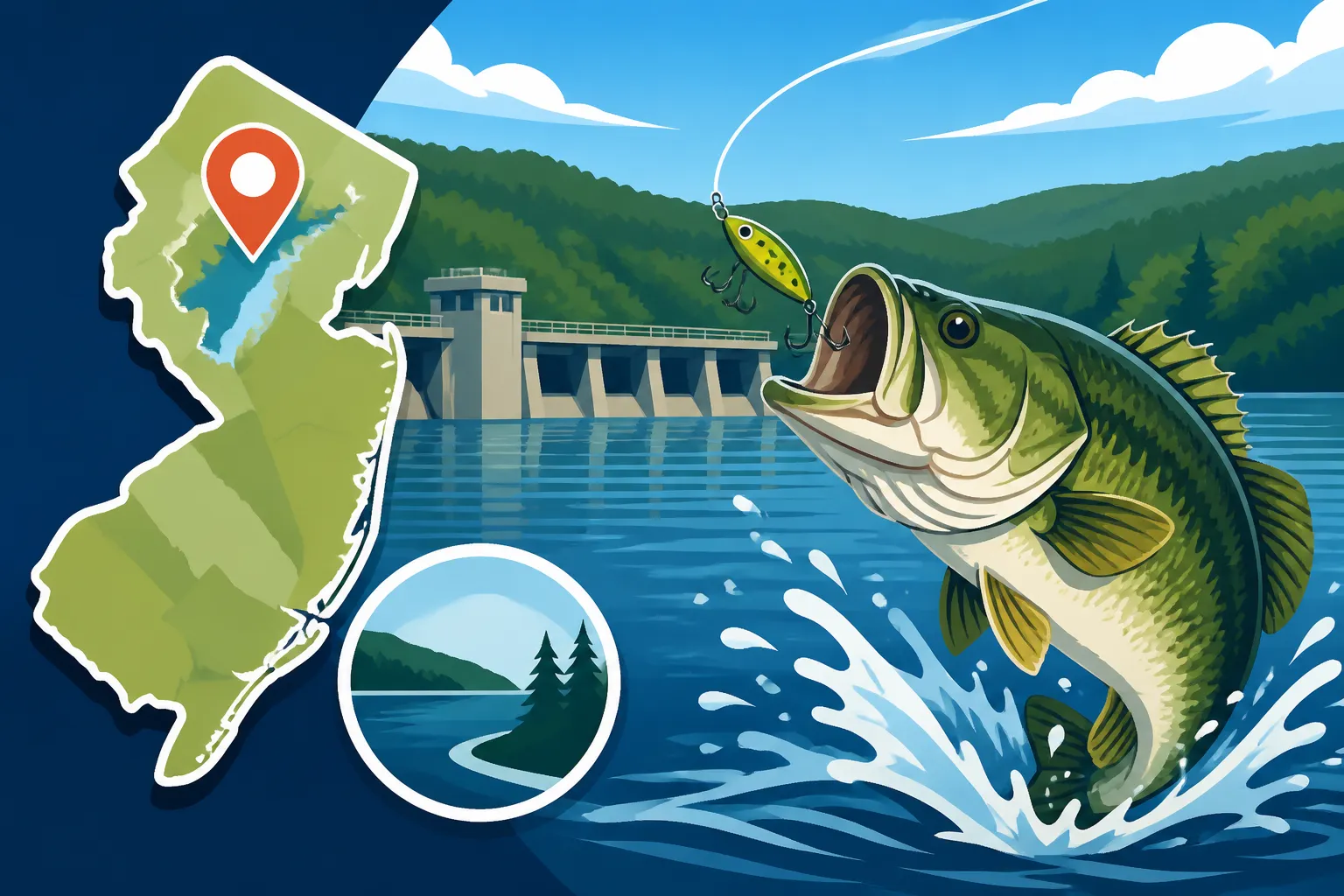
Wanaque Reservoir isn't just another pretty lake in New Jersey; it's a critical drinking water source managed by the North Jersey District Water Supply Commission (NJDWSC). This distinction profoundly shapes how recreational activities, especially fishing, are permitted and regulated. It’s not simply about catching fish; it’s about protecting the water we all drink.
History and Purpose as a Water Supply
The Wanaque Reservoir, completed in 1928, was engineered to supply potable water to a significant portion of northern New Jersey's population. It impounds the Wanaque River and several smaller tributaries, creating a vast body of water. Because its primary function is to deliver clean drinking water, the NJDWSC enforces strict regulations to maintain water quality. This means that access is carefully controlled, and activities that could introduce pollutants or disrupt the ecosystem are either heavily restricted or outright prohibited. Think of it less as a public park and more as a meticulously managed resource where every action has potential implications for public health. This focus on water purity is the bedrock of all the rules you'll encounter as an angler.
The Impact on Recreational Use and Anglers
For anglers, Wanaque's status as a drinking water reservoir means a very different experience compared to other lakes in the state. For starters, private boat access is generally not permitted on the reservoir. You won't be able to launch your own bass boat or kayak here, which can be a significant point of frustration for many eager fishermen. The fear of contamination from gasoline engines, bait buckets, or even the boats themselves is a primary concern. This immediately shifts the focus for most anglers to shore-based fishing.
Beyond boating, rules around wading, swimming, and even where you can walk along the shoreline are incredibly stringent. These measures are designed to prevent disturbance of the sediment, minimize human contact with the water, and maintain the integrity of the reservoir's banks. Understanding that these rules are in place for a vital public good, rather than just arbitrary restrictions, helps to appreciate the careful balance the NJDWSC must maintain. It means that while the fishing can be superb, it often requires a more patient, respectful, and prepared approach.
Primary Access Points for Anglers
Given the reservoir's protected status, finding an accessible spot to fish at Wanaque isn't as simple as pulling over and hopping out. There are very specific, designated areas where fishing is permitted, and knowing exactly where these are is crucial for a successful and legal outing.
Wanaque South Fishing Area
The main and most reliable public access point for shore fishing at Wanaque Reservoir is the Wanaque South Fishing Area. This designated section is located off Ringwood Avenue in Wanaque, providing anglers with a structured and permissible place to cast their lines. You'll usually find signage clearly marking this area, and there's typically a dedicated parking lot nearby, which is a major convenience. It's not a vast expanse of shoreline, but it offers enough room for multiple anglers to spread out and enjoy the serene surroundings.
From the South Fishing Area, you can access decent depths relatively close to shore, making it productive for a variety of species. The bottom contour here can be quite varied, with some rocky sections and weed beds that hold fish. It’s also an excellent spot for families or those just starting out, as the access is straightforward and safe, albeit without some of the amenities you might find at a state park. Remember, while you're in a designated area, respect for the environment and fellow anglers is paramount, especially regarding litter and noise.
Navigating Rental Boat Options and Limited Programs
Unlike many other large New Jersey lakes, Wanaque Reservoir doesn't allow private boats, as we discussed. However, in the past, there have been limited programs allowing access to rental boats provided by the NJDWSC itself. These programs are not always consistently available, and they come with very specific conditions and often require advance reservations. When they do run, these rental boats are typically small, electric-motor-only vessels, further emphasizing the commitment to environmental protection.
If a rental boat program is active, it's an incredible opportunity to explore deeper waters and access areas otherwise unreachable from shore. Anglers must adhere to all safety regulations, including wearing life jackets, and follow strict guidelines on bait, tackle, and even where they can navigate within the reservoir. Keep an eye on the official NJDWSC website or local fishing forums for announcements regarding these special programs, as they are often highly sought after. These opportunities, when available, offer a truly unique perspective on Wanaque's fantastic fishery.
Navigating Permit Requirements and Regulations
Fishing at Wanaque Reservoir isn't just about having your rod and reel ready; it requires understanding and adhering to a specific set of permits and regulations that go beyond the standard state fishing license. Missing these steps can quickly turn a peaceful day of fishing into a frustrating encounter with law enforcement.
The Wanaque Reservoir Fishing Permit
The most critical additional requirement for fishing Wanaque Reservoir is the specific Wanaque Reservoir Fishing Permit issued by the North Jersey District Water Supply Commission (NJDWSC). This is not your typical state license; it’s an additional permit, and you must possess it along with a valid New Jersey state fishing license. This permit helps the NJDWSC manage angler numbers, track usage, and directly fund conservation and maintenance efforts unique to the reservoir. You'll generally need to purchase this permit annually directly from the NJDWSC or its authorized agents. It's not something you can usually pick up at your local tackle shop or a larger retailer like Walmart when you're getting your New Jersey Fishing License Guide for 2026.
The application process typically involves providing personal identification and agreeing to abide by all reservoir-specific rules. It's vital to read through all the stipulations carefully, as they cover everything from permitted fishing methods to waste disposal. Having this permit on your person, along with your state license, is non-negotiable when fishing Wanaque. Conservation Police Officers regularly patrol the area, and they will absolutely check for both documents. Always carry proof, whether it's a physical copy or a digital one on your phone, to avoid any issues.
State Fishing License Integration and Specific Reservoir Rules
Beyond the Wanaque-specific permit, every angler aged 16 and over must possess a valid New Jersey state fishing license. This is standard practice for freshwater fishing across the state, as detailed in the New Jersey Freshwater Fishing Regulations Every Angler Should Know. For children under 16, typically they do not need a state fishing license, but it's important to verify if the Wanaque permit has any specific age requirements or exemptions that differ from the state norm. Remember, you might need to carry proof of age if you're close to the exemption threshold.
Once you’re legally allowed to fish, you must also adhere to a host of reservoir-specific regulations designed to protect water quality and the fish population. Here’s a quick overview of common rules, though you should always consult the most current NJDWSC guidelines:
| Rule Category | Wanaque Reservoir Specifics |
|---|---|
| Boating | Private boats are prohibited. If a rental boat program is active, only designated electric-motor boats are allowed, with strict operational guidelines. |
| Shore Access | Fishing is strictly limited to designated areas, primarily the Wanaque South Fishing Area. No wading, swimming, or accessing non-designated sections of the shoreline is permitted. |
| Bait | Live bait may have restrictions, particularly regarding minnows or other baitfish that could introduce invasive species or diseases. Always check current regulations; artificial lures or common baits like worms are usually fine. |
| Catch Limits | Standard New Jersey daily bag and size limits for specific species generally apply, but Wanaque may have additional restrictions, including special catch-and-release rules for certain trophy species like Smallmouth Bass or Largemouth Bass Fishing in New Jersey. Always check the current digest. |
| Sanitation | Absolutely no littering is tolerated. This includes fishing line, bait containers, and any personal waste. Pack it in, pack it out, to maintain the pristine condition of the drinking water supply. |
| Ice Fishing | Ice fishing is generally prohibited on Wanaque Reservoir due to safety concerns and its critical role as a water supply. The integrity of the ice cannot be guaranteed, and entry onto the ice poses risks to both individuals and the reservoir infrastructure. |
| Permit Display | Both your state fishing license and your Wanaque Reservoir Fishing Permit must be readily available for inspection by NJDEP Conservation Police or NJDWSC personnel. |
These detailed rules exist for good reason, and adherence ensures everyone can continue to enjoy the privilege of fishing this beautiful, vital resource. Ignoring them can lead to significant penalties, so it's always best to be informed and prepared. You can find comprehensive details in the latest New Jersey Fish and Wildlife Digest: Where to Find the Current Rules, which should be consulted before every trip.
Best Fishing Strategies from Accessible Areas
Even with restricted access, Wanaque Reservoir offers fantastic fishing opportunities for those willing to adapt their approach. The shorelines and any potential rental boat access points can be incredibly productive if you know what to target and how to present your baits.
Targeting Key Species from Shore
From the designated shore fishing areas, you're primarily going to be targeting species that thrive in the cooler, deeper waters of a large reservoir. Largemouth and smallmouth bass are abundant, and they often patrol the drop-offs and structure near the shoreline. Focus your efforts around any visible cover like submerged logs, rock piles, or weed edges. Casting parallel to the shore, rather than straight out, can help you cover more of these fish-holding areas. You might also find good populations of yellow perch, chain pickerel, and various panfish, especially closer to any shallow coves or weed lines. These can provide consistent action, particularly for younger anglers or those looking for a relaxed day.
Trout fishing is also a significant draw. While not as heavily stocked as some dedicated trout waters, Wanaque Reservoir does receive stockings, making it a viable option for Trout Fishing in New Jersey. These trout often congregate in deeper, cooler waters, but during cooler months or early mornings, they might cruise closer to shore. Using light tackle with natural baits or small, flashy lures can be very effective for trout. Always check for specific trout regulations, as they can differ from other species.
Effective Baits and Lures for Reservoir Fishing
When it comes to baits and lures at Wanaque, versatility is key, especially since live bait options might be restricted. For bass, classic lures like spinnerbaits, crankbaits, and soft plastic worms (Texas-rigged or wacky-rigged) are perennial favorites. If you're focusing on the smallmouth, consider tubes or small swimbaits that mimic the baitfish they prey on. Topwater lures can be exciting during low-light conditions, drawing explosive strikes from aggressive bass.
For pickerel and perch, spoons, small inline spinners, and plastic grubs on light jig heads work wonders. These fish are often eager biters, and a slow, steady retrieve can often entice them. When targeting trout, powerbait, corn, or small worms fished on a light rig with minimal weight are very effective. Small spoons or rooster tail spinners in silver or gold colors can also be deadly for actively feeding trout. Always carry a variety of options, as fish preferences can change quickly based on conditions. For those newer to the sport, checking out some of the Best New Jersey Fishing Gear for Beginners can provide excellent starting points for tackle choices.
Timing Your Visits for Success
Timing can make all the difference at Wanaque Reservoir. Like most freshwater bodies, dawn and dusk are typically the most productive periods for active feeding. The lower light and cooler temperatures often bring fish closer to shore and make them more willing to strike. During the warmer summer months, these low-light hours become even more crucial, as the midday sun can push fish into deeper, cooler water, making them harder to reach from shore.
Spring and fall are arguably the best seasons for Wanaque. In spring, as water temperatures rise, fish become very active and move into shallower areas to spawn or feed aggressively after winter. Fall offers a similar pattern, with fish bulking up for winter, making them very susceptible to various presentations. Even in winter, if shore access isn't closed (and remembering that ice fishing is prohibited), fishing on milder days can yield results, particularly for deep-holding species. Always check the weather forecast, as windy conditions can make casting difficult and stir up the waters, potentially affecting fish behavior.
Alternative Fishing Opportunities Nearby
While Wanaque Reservoir offers a unique and rewarding challenge, its strict access rules and prohibition on private boats might not suit every angler's preference. Thankfully, North Jersey is brimming with other fantastic freshwater fishing spots that offer different experiences and more expansive access.
Nearby Lakes and Rivers with Varied Access
If Wanaque's shore-only access leaves you wanting more, several excellent alternatives are just a short drive away. The Monksville Reservoir Fishing Guide is a prime example. Located nearby in West Milford, Monksville Reservoir allows electric motors, making it a popular choice for kayak and small boat anglers targeting excellent populations of bass, pickerel, and even some muskie. Its varied structure and numerous coves offer endless exploration. Similarly, Greenwood Lake Fishing Guide, straddling the New Jersey-New York border, is a much larger lake that allows gas-powered boats, offering fantastic opportunities for bass, walleye, muskie, and panfish. It’s a completely different experience, with marinas, boat rentals, and far more open water to cover.
For river anglers, the Ramapo River system, which flows through parts of northern New Jersey, provides excellent opportunities for trout and smallmouth bass, especially in its upper reaches. While fishing a river is a different beast entirely from reservoir fishing, it offers the thrill of moving water and diverse aquatic habitats. These spots provide flexibility that Wanaque simply cannot, from full boating access to varied species targets.
Finding Guided Trips and Broader Fishing Experiences
For those who want to explore these larger, more accessible bodies of water but aren't familiar with them or don't own a boat, hiring a local fishing guide can be an invaluable investment. A guide knows the local waters inside and out, understands seasonal patterns, and can put you on fish much faster than trying to figure it out on your own. Platforms like FishingBooker are excellent resources for finding reputable freshwater fishing guides and charters across New Jersey, including those specializing in bass fishing on Lake Hopatcong or trout fishing on specific rivers.
These guided trips offer a chance to learn new techniques, discover secret spots, and experience a different side of New Jersey fishing. You might be able to target species like walleye or muskie, which require specialized knowledge and equipment not easily used from Wanaque's limited shore access. Furthermore, for anglers interested in a broader range of New Jersey's diverse fisheries, including saltwater adventures, exploring options like charter boats listed on FishingBooker can open up entirely new horizons. From a deep sea trip out of Belmar to a bay fluke trip, the possibilities are vast once you look beyond Wanaque's specific constraints.
Essential Gear and Safety Considerations
A successful and enjoyable fishing trip to Wanaque Reservoir, or any other natural body of water, relies not only on knowing where to go and what to catch, but also on being properly equipped and prioritizing safety. These protected waters demand respect and preparedness.
Recommended Rods, Reels, and Line
For shore fishing at Wanaque Reservoir, a medium-light to medium power spinning rod, around 6 to 7 feet in length, is a versatile choice. This setup will give you enough backbone to cast a variety of lures and baits, while still being sensitive enough to detect subtle bites. Pair it with a 2500 or 3000 series spinning reel spooled with 8-12 pound monofilament or fluorocarbon line. Monofilament offers good castability and a bit of stretch, which can be forgiving. Fluorocarbon, on the other hand, is nearly invisible underwater and has less stretch, providing better sensitivity, but it can be a bit stiffer. Braided line with a fluorocarbon leader is another excellent option for maximum casting distance and sensitivity, especially if you're trying to reach deeper zones from shore.
If you happen to get access to one of the rare rental boats, the same rod and reel setup would work well. Consider bringing a second rod, perhaps a slightly heavier medium-heavy action rod, if you plan to throw larger lures for bigger bass or pickerel. It’s always a good idea to check your line for nicks and abrasions before each trip, as a lost fish due to weak line is one of the most frustrating experiences in fishing.
Personal Safety and Preparedness
Fishing in any natural setting requires a strong emphasis on personal safety. At Wanaque Reservoir, where services are limited due to its protected status, being self-sufficient is paramount. Always let someone know where you are going and when you expect to return, especially if you are fishing alone. Dress appropriately for the weather, layering up during cooler months and bringing sun protection (hat, sunglasses, sunscreen) during warmer periods. Good footwear with sturdy, non-slip soles is essential, as the shoreline can be uneven or damp.
Beyond the basics, carry a small first-aid kit for minor cuts or scrapes. A pair of pliers or a multi-tool is invaluable for unhooking fish and making quick tackle adjustments. Always bring enough water and snacks, as there are no concessions at the fishing area. Mosquito repellent can be a lifesaver, particularly during dawn and dusk. Lastly, and perhaps most importantly for any outdoor activity near water, know your limits. Don't attempt to retrieve snagged lures if it means putting yourself in a dangerous position near the water's edge, especially since wading is prohibited. The New Jersey Conservation Police and License Checks are frequent, so always be aware of your surroundings and adhere to all posted signage and regulations. Enjoy the peace and quiet, but always prioritize your well-being.
Disclaimer
Please note that fishing regulations, permit requirements, and access policies for Wanaque Reservoir are subject to change by the North Jersey District Water Supply Commission (NJDWSC) and the New Jersey Department of Environmental Protection (NJDEP) at any time. This article provides general information based on current understanding. Always consult the official NJDWSC website, the latest New Jersey Fish and Wildlife Digest, or contact the appropriate authorities directly before planning your trip to ensure you have the most up-to-date and accurate information. Your compliance with all rules and regulations is your responsibility.