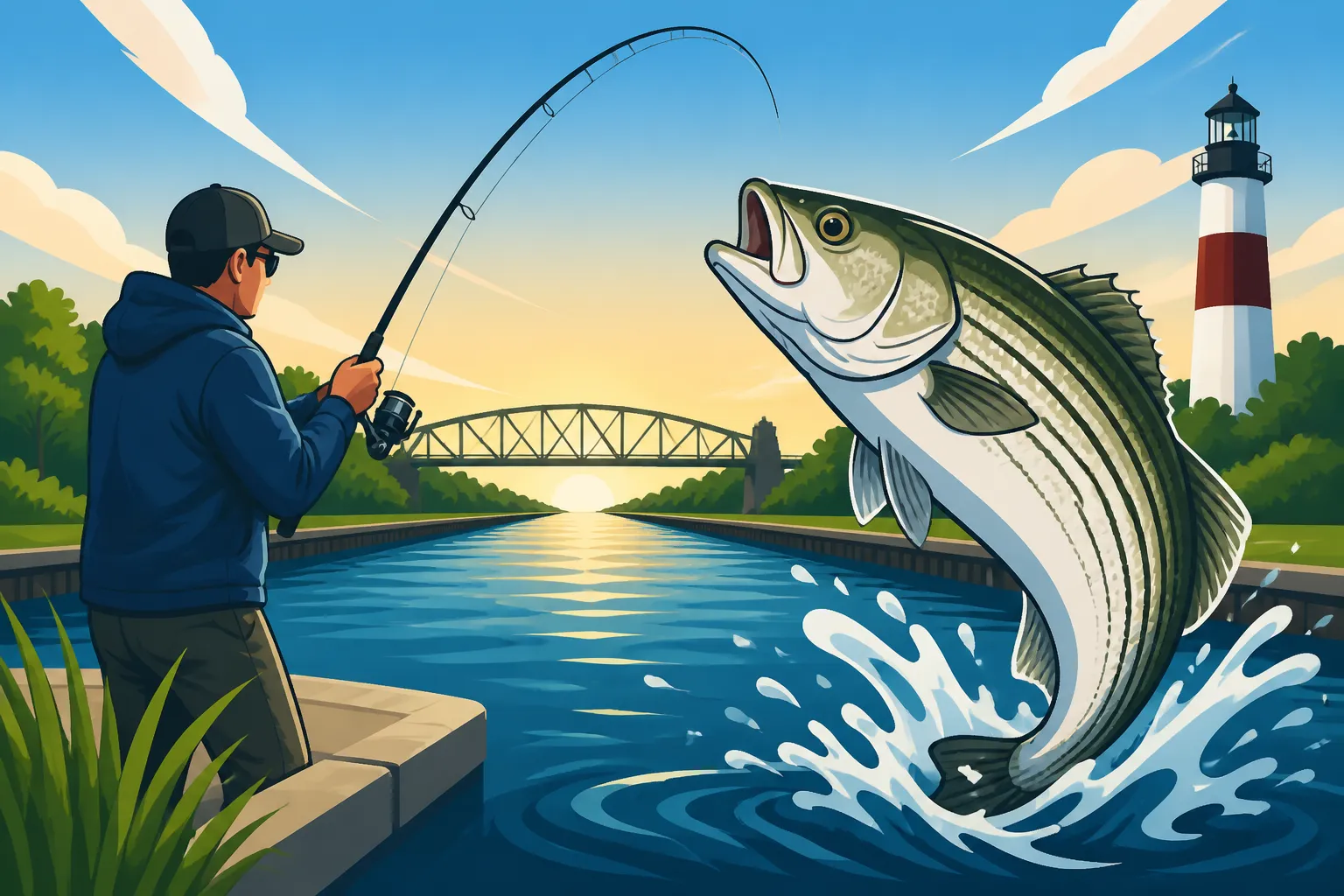
Point Pleasant Canal Fishing Guide
Finding a truly productive and easily accessible fishing spot in New Jersey can feel like searching for a needle in a haystack, especially when you're looking to consistently hook into a variety of popular species without needing a boat. Many anglers get frustrated with crowded beaches or hard-to-reach freshwater locales, but the Point Pleasant Canal offers a fantastic alternative. This comprehensive guide will walk you through everything you need to know to successfully fish this unique waterway, from understanding its currents to targeting specific fish.
Understanding the Point Pleasant Canal's Unique Appeal
The Point Pleasant Canal isn't just another body of water; it's a dynamic, man-made artery that connects two major bodies of water: the Manasquan River and Barnegat Bay. This strategic location makes it an incredibly rich and diverse fishing ground, acting as a superhighway for various fish species moving between the ocean and the calmer bay waters. Its unique characteristics create an environment that's both challenging and incredibly rewarding for anglers of all skill levels.
A Strategic Waterway and Fish Highway
Imagine a bustling highway, but for fish. That's essentially what the Point Pleasant Canal is. Dug back in the early 20th century, its primary purpose was to provide a navigable shortcut, connecting the Manasquan River, which empties directly into the Atlantic Ocean via the Manasquan Inlet, with the expansive Barnegat Bay. This direct connection means that species migrating up and down the coast, or those moving between the nutrient-rich ocean and the shallower, warmer bay, have to pass through this narrow, deep channel. This funnels fish into a relatively confined space, making them more predictable and accessible to anglers, especially those fishing from shore or smaller vessels. It's not uncommon to hear stories of anglers catching multiple species in a single outing because of this convergence.
The Tidal Flow and Its Impact on Fishing
The lifeblood of the Point Pleasant Canal's fishery is its powerful tidal flow. Because it links the ocean-fed Manasquan River to Barnegat Bay, the canal experiences significant currents that ebb and flow with the ocean tides. This isn't like fishing a stagnant lake; the water here is constantly moving, bringing in fresh baitfish, oxygen, and creating ambush points for predatory species. Understanding these currents is paramount to success. A strong outgoing tide, for instance, can push baitfish out of Barnegat Bay and into the waiting jaws of striped bass or bluefish lurking in the canal. Conversely, an incoming tide can bring ocean-dwelling species and baitfish into the canal from the Manasquan Inlet. Anglers often find that fishing during the changing tides—the hour before and after the peak of high or low tide—can be particularly productive, as the slowing and then accelerating water movement creates feeding opportunities. You can learn more about how to read tide charts for better fishing in New Jersey to really dial in your timing.
Accessibility and Convenience for Anglers
One of the most appealing aspects of the Point Pleasant Canal is its incredible accessibility. Unlike some remote fishing destinations, the canal runs right through a populated area, making it incredibly convenient for both local anglers and visitors. There are numerous public access points, including bulkheads, bridges, and even small parks where you can cast a line. For those without a boat, the ample shore access is a huge plus. You can park your car, walk a short distance, and be fishing in a highly productive saltwater environment. This convenience extends to bait and tackle shops, restaurants, and other amenities readily available nearby, making a spontaneous fishing trip or a planned full day out easy to execute. Even if you don't own a boat, the opportunities are abundant, and for those who do, there are several boat ramps nearby allowing easy access to both the canal and surrounding waters.
Key Fish Species You'll Encounter in the Canal
The Point Pleasant Canal is a true melting pot when it comes to fish species. Its unique blend of fresh ocean water and brackish bay influences, combined with the strong currents, creates a habitat that attracts a wide array of fish throughout the year. Knowing what to target and when can significantly improve your chances of a successful outing.
Striped Bass: The Canal's Most Sought-After Game Fish
Without a doubt, striped bass are the rockstars of the Point Pleasant Canal. These powerful, migratory fish use the canal as a prime transit route and feeding ground, especially during their spring and fall migrations. Anglers flock to the canal specifically for the chance to hook into a hefty striper. During the spring, as water temperatures rise, smaller "schoolie" stripers make their way into the canal, often followed by larger migratory fish. The fall run is legendary, with massive schools of baitfish, like bunker and mullet, getting funneled through the canal, leading to epic striped bass blitzes. Understanding the New Jersey Striped Bass Slot Limit Explained is crucial for keeping your catch legal, and knowing the best time of year to fish for striped bass in New Jersey will give you a significant advantage. They can be caught day or night, but many experienced anglers prefer fishing for them after dark when the boat traffic subsides and the fish become less wary.
Fluke and Other Bottom Dwellers
While stripers often steal the spotlight, the Point Pleasant Canal is also an excellent spot for summer flounder, affectionately known as fluke. These delicious flatfish hug the bottom, often burying themselves in the sand or mud, waiting to ambush unsuspecting baitfish and crustaceans as they're swept by the current. The deep channel and moving water create ideal conditions for fluke, particularly during the warmer months. Drifting with the current using bucktails tipped with Gulp! or natural bait is a popular and highly effective technique. You'll need to pay close attention to the New Jersey Fluke Size and Bag Limits Explained to ensure your catch is legal. Beyond fluke, you might also encounter other bottom dwellers like black sea bass, especially around the bridge pilings and rocky structures. Even kingfish, known for their delicate flavor, can be found in the canal during the summer, often lurking in shallower, calmer pockets.
Bluefish and Other Opportunistic Predators
Bluefish are another prevalent species in the Point Pleasant Canal, known for their aggressive strikes and voracious appetites. These "choppers" will tear through schools of baitfish, and when they're present in the canal, the action can be fast and furious. They often show up during the summer and fall, sometimes alongside stripers, creating a mixed bag of exciting catches. Their sharp teeth demand stout tackle, and once hooked, they put up a fierce fight. Knowing a bit about New Jersey Bluefish Size and Behavior can help you anticipate their movements and tackle them effectively. Besides bluefish, especially during the fall, you might encounter other opportunistic predators such as weakfish, though their numbers have seen some fluctuations over the years. Occasionally, smaller species like sea robins are caught, which, while not typically targeted, can still provide a fun tug on the line and are a sign of a healthy ecosystem.
Essential Fishing Techniques for the Point Pleasant Canal
Fishing the Point Pleasant Canal effectively requires a blend of traditional techniques and an understanding of how to adapt to strong currents and diverse species. It's not a one-size-fits-all situation; successful anglers are those who can switch tactics as conditions or target species change.
Bait Fishing Strategies: Live and Cut Baits
Bait fishing is arguably the most consistent method for catching fish in the Point Pleasant Canal. The strong currents naturally disperse scents, drawing fish from a distance. For striped bass, live bait like bunker, mullet, or eels are absolute killers, especially when fished on a fish-finder rig or a simple snelled hook with a sliding sinker. If live bait isn't available, fresh cut bait, particularly bunker or clam, can also be highly effective. For fluke, drifting with live minnows, spearing, or strips of squid/fluke belly on a basic fluke rig or a bucktail jig is a go-to strategy. Remember, the key with bait fishing in the canal is to use enough weight to hold bottom or to allow your bait to drift naturally near the bottom without getting swept away too quickly. A good tip is to choose a sinker weight that just allows your bait to "walk" along the bottom with the current. This makes it look natural and covers ground. Learning how to rig live bait for striped bass can really up your game here.
Lure Fishing for Active Predators
When fish are actively feeding, especially stripers and bluefish, lure fishing can be incredibly exciting and productive. Artificial lures allow you to cover more water and elicit aggressive strikes from predatory fish. Bucktail jigs, often tipped with a soft plastic grub or a strip of Gulp!, are quintessential for both striped bass and fluke. For stripers, casting bucktails, soft plastic paddletails (like those from Z-Man or Bass Kandy Delight), or even metal-lipped swimming plugs into the current and retrieving them with a moderate retrieve can trigger violent strikes. Bluefish will hit almost anything shiny or fast-moving, so metal spoons, poppers, and fast-retrieved plugs are excellent choices. Tossing topwater lures can be heart-stopping during a bluefish blitz, or when stripers are busting on bait near the surface. The dynamic environment of the canal makes it a fantastic place to practice how to jig for striped bass.
Reading the Tides and Currents for Success
As mentioned earlier, the tides are the ultimate boss in the Point Pleasant Canal. A truly successful angler here understands that merely knowing high and low tide times isn't enough; you need to understand the nuances of the current flow. For example, during a strong outgoing tide, fish will often position themselves at the edges of the main current or behind structures (like bridge pilings) to ambush bait being flushed out of the bay. During an incoming tide, they might move into the main channel to intercept bait entering from the ocean. Pay attention to eddies and current breaks, which are prime holding spots for fish trying to conserve energy. Learning to cast upstream and allow your bait or lure to drift naturally with the current is a crucial skill. The slack tide, or the brief period when the water movement slows between an incoming and outgoing tide, can sometimes be slow, but it can also present a window when fish are less pressured and easier to target.
| Species | Best Bait/Lure (Shore) | Best Bait/Lure (Boat/Kayak) | Ideal Conditions |
|---|---|---|---|
| Striped Bass | Fresh Cut Bunker, Bloodworms, Eels, Plugs | Live Bunker/Eels, Bucktail Jigs, Swimmbaits | Strong moving tides, Dawn/Dusk, Night |
| Fluke | Gulp! Grub, Live Minnow, Squid Strips | Bucktail Jigs, Live Killies/Spearing, Gulp! | Drifting with current, Incoming/Outgoing tide |
| Bluefish | Metal Spoons, Poppers, Fast-retrieved Plugs | Topwater Plugs, Metal Jigs, Cut Bait | Active feeding blitzes, Moving tides, Sunny days |
| Tautog | Green Crabs, Fiddler Crabs | Green Crabs, White Leg Crabs | Around structure (pilings, rocks), Slack tide |
Prime Fishing Spots and Access Points Along the Canal
One of the greatest advantages of the Point Pleasant Canal is its accessibility, with numerous spots that consistently produce fish. Knowing where to focus your efforts can make a huge difference, whether you're on foot or in a small craft.
Bridge Areas and Pilings: Natural Fish Havens
The bridges spanning the Point Pleasant Canal are absolute magnets for fish. The most prominent is the Route 88 Bridge, but other smaller crossings also offer great opportunities. The pilings and abutments of these bridges create current breaks and eddies, providing perfect ambush points for predatory fish like striped bass and tautog. These structures are also often covered in mussels and barnacles, attracting baitfish and crabs, which in turn attract larger game fish. Anglers fishing from shore often cast close to the pilings, letting their bait or lure drift along the structure. Just be mindful of boat traffic and other anglers, as these spots can get crowded. Fishing these areas effectively means understanding how to fish around jetties safely and other structures, as snagging can be common if you're not careful.
The Inlet Mouth and Nearby Jetties
While technically part of the Manasquan River, the area where the canal meets the river and then the Manasquan Inlet is another hotspot. This dynamic zone features strong currents, deeper water, and jetties that extend into the ocean. The Manasquan Inlet itself is a renowned fishing location, drawing in a wide variety of species from the open ocean. Fish moving in and out of the canal, or traveling along the coast, often congregate here. Casting off the jetties for stripers, bluefish, and even some bottom fish can be incredibly productive. The rocky structure also holds tautog, especially in cooler months. However, fishing here requires caution due to the powerful currents and potential for large waves. It’s also important to remember that the New Jersey Saltwater Registry Explained is a requirement for most saltwater anglers, even from shore.
Kayak and Small Boat Access Considerations
For anglers with kayaks or small boats, the Point Pleasant Canal truly opens up. Launching nearby allows you to explore the entire length of the canal, accessing spots that shore anglers can't reach. You can drift with the current, casting to the bridge pilings from different angles, or explore the edges of the channel. Kayak anglers can also venture into the Manasquan River or Barnegat Bay, expanding their fishing grounds significantly. However, safety is paramount. The canal can experience strong currents, and boat traffic, especially during peak seasons, can be heavy. Always wear a PFD, be visible, and be aware of larger vessels. Using a trolling motor can help maintain position against the current, allowing you to thoroughly work promising areas. You can often find decent launch spots along the canal or slightly into the Manasquan River for easy access.
Seasonal Dynamics and Best Times to Fish the Canal
The Point Pleasant Canal is a year-round fishery, but the species you'll encounter and the techniques you'll use change dramatically with the seasons. Understanding these patterns is key to maximizing your success and planning your trips.
Spring Run Action: Stripers and Migratory Species
Spring is a time of immense excitement for Point Pleasant Canal anglers, largely due to the arrival of migratory striped bass. As the water temperatures begin to climb in late March and April, schoolie stripers start making their way north, often pausing in the canal to feed. By May and into early June, larger, mature stripers follow, gorging on bunker and herring that also push through the waterway. This is prime time for throwing artificial lures like poppers, swimbaits, and bucktails, or soaking fresh cut bait. You'll also find some early season bluefish joining the mix, though typically not in the massive numbers seen later in the summer. Fluke also start to become active in the canal during the latter part of spring as the water warms, making it possible to target multiple species in one outing. Keep an eye on local fishing reports, as the timing of these runs can vary slightly year to year.
Summer Fluke and Bluefish Bonanzas
Summer in the Point Pleasant Canal is synonymous with fluke and bluefish. From late June through September, the canal becomes a major thoroughfare for these species. Fluke fishing really heats up as they settle into the canal's deeper pockets and ambush points. Drifting bucktails or bait rigs with the current is incredibly effective. The canal also sees consistent bluefish action throughout the summer, often with multiple fish caught in a single session. They're aggressive and can be targeted with a variety of lures, from metal spoons to topwater plugs. You might also encounter some resident striped bass, especially during low light conditions or at night, as they tend to be less active during the heat of the day. The canal offers a great opportunity for a casual summer evening of fishing, though expect more boat traffic during daylight hours. This is also a good time to remember the Best Bait for Fluke Fishing.
Fall Migration and the Striper Blitz
For many, the fall run is the absolute peak of fishing in the Point Pleasant Canal. As water temperatures drop in September and October, massive schools of baitfish—bunker, mullet, and spearing—begin their southern migration, getting funneled directly through the canal. This triggers epic feeding frenzies, or "blitzes," as striped bass and bluefish aggressively pursue the bait. Anglers using everything from live lining bunker to casting large swimming plugs and metal jigs can experience non-stop action. The sheer volume of fish can be astounding, making it a truly memorable experience. This is also a fantastic time for those looking for trophy-sized striped bass. The fishing can extend well into November and even early December, depending on how long the baitfish and migratory fish linger. You can often have some of the Best Time of Day to Surf Fish during these fall blitzes, even if you are casting from a bulkhead.
Gear and Tackle Recommendations for Canal Fishing
Having the right gear for the Point Pleasant Canal isn't just about catching more fish; it's about being prepared for the powerful currents and the diverse, hard-fighting species you'll encounter. Don't skimp on quality, as a snapped line or a broken rod due to the canal's challenges can quickly ruin a trip.
Rod and Reel Setups for Diverse Species
Given the variety of fish in the canal, having a versatile rod and reel setup, or even two different setups, is a wise choice. For general canal fishing, especially targeting stripers and bluefish from shore, a medium-heavy spinning rod between 8 and 10 feet in length, paired with a robust spinning reel in the 5000-8000 series range, is ideal. This combination provides the casting distance needed to reach prime spots and the backbone to handle larger fish in strong currents. Load your reel with 30-50 lb braided line for its strength and sensitivity. For fluke fishing, a lighter 7-foot medium-action spinning rod with a 3000-4000 series reel spooled with 15-20 lb braid works well, offering more sensitivity for detecting subtle bites. If you're considering a guided trip, companies like FishingBooker list charters that often provide all the necessary gear, which can be a great way to try out the canal without investing heavily in tackle.
Terminal Tackle Essentials: Rigs and Leaders
Your terminal tackle is where the rubber meets the road, or rather, where your bait meets the fish. For striped bass and bluefish, heavy fluorocarbon or monofilament leaders (40-80 lb test) are essential to prevent abrasion from sharp teeth and rocky structures. You'll need a variety of hooks, from large circle hooks (especially if using bait for stripers, adhering to circle hook regulations) to J-hooks for specific presentations. Swivels and snap swivels are crucial for quick lure changes and preventing line twist. For bottom fishing, a selection of bank sinkers or pyramid sinkers ranging from 1 to 6 ounces (or even heavier in strong currents) will ensure your bait stays on the bottom. For fluke, bucktail jigs in various weights (1/2 oz to 2 oz) and colors (white, chartreuse, pink) are indispensable, along with a supply of Gulp! soft plastics or a sabiki rig for catching your own bait. Always carry extra leader material and hooks, as snags are a common occurrence in the canal.
Waders, Lights, and Other Must-Have Accessories
Beyond your rods and reels, a few key accessories will significantly enhance your Point Pleasant Canal fishing experience. If you plan on wading, even shallowly, a good pair of waterproof waders (chest waders are often preferred) will keep you dry and comfortable, especially in cooler weather. A sturdy headlamp or flashlight is essential for night fishing, allowing you to tie knots, change lures, and navigate safely. A pair of pliers for removing hooks, a sharp knife for cutting bait, and a measuring device to ensure your catches meet size limits (like the New Jersey Fluke Size Limit: 18 Inches) are all non-negotiables. A cooler with ice will keep your catch fresh, and a comfortable fishing chair or bucket can make long waits much more enjoyable. Don't forget bug spray during warmer months, and appropriate layered clothing for whatever conditions the Jersey Shore throws at you. For those who frequently fish from boats, booking through platforms like FishingBooker can often confirm what amenities are provided onboard, ensuring you don't double up on gear.
Disclaimer
Please remember that fishing regulations in New Jersey are subject to change. Always consult the latest New Jersey Fish and Wildlife Digest or visit their official website before heading out to ensure you are compliant with current licensing, bag limits, and size restrictions for all species. This guide is for informational purposes only and should not be considered a substitute for official regulations.