How Old Was New Jersey’s Record Largemouth Bass?
It’s a thought that crosses every angler’s mind when they hook into a truly massive largemouth bass: how old is this beast? We all dream of landing that once-in-a-lifetime lunker, that fish that pushes the tape measure and breaks scales. But beyond the thrill of the fight and the impressive size, there’s a quiet wonder about the life story of such a fish – how many seasons it’s seen, how many baits it’s ignored, and how long it took to grow to such proportions. In New Jersey, we have our own legendary largemouth, a state record holder that has inspired countless local anglers. This guide will dive into the incredible story of that fish, explore the scientific methods used to determine a bass's age, and, most importantly, tell you how old New Jersey's record largemouth bass was when it made history.
The Legend of New Jersey's Record Largemouth Bass
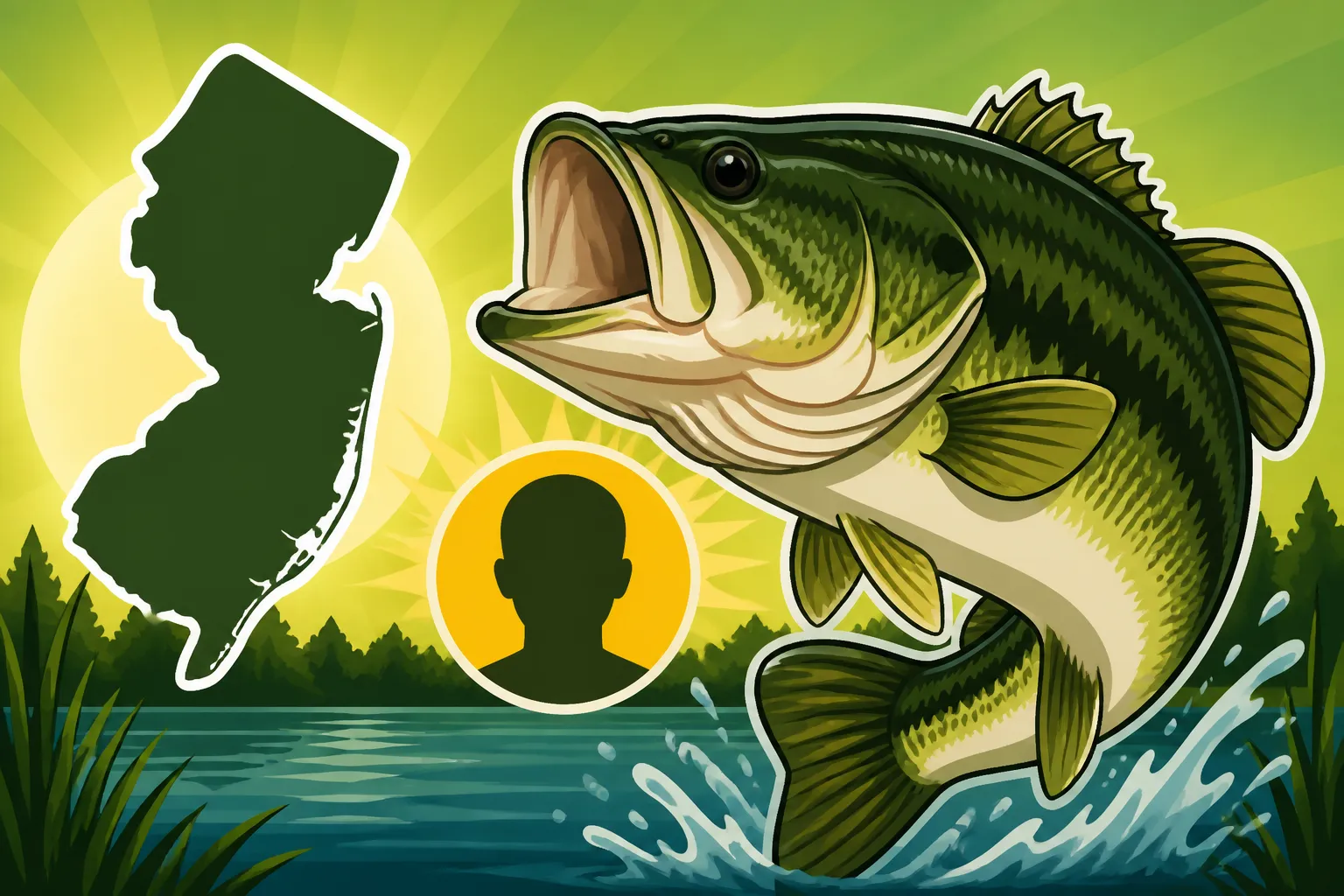
For many New Jersey anglers, the name Robert Eisele and the year 1993 are etched into their memory. That was the year our state earned a truly monumental record, a largemouth bass that still stands as a testament to the potential of our freshwater fisheries. This wasn't just any big bass; it was a fish of epic proportions, a true giant that put New Jersey on the map for serious bass enthusiasts.
The Unforgettable Catch
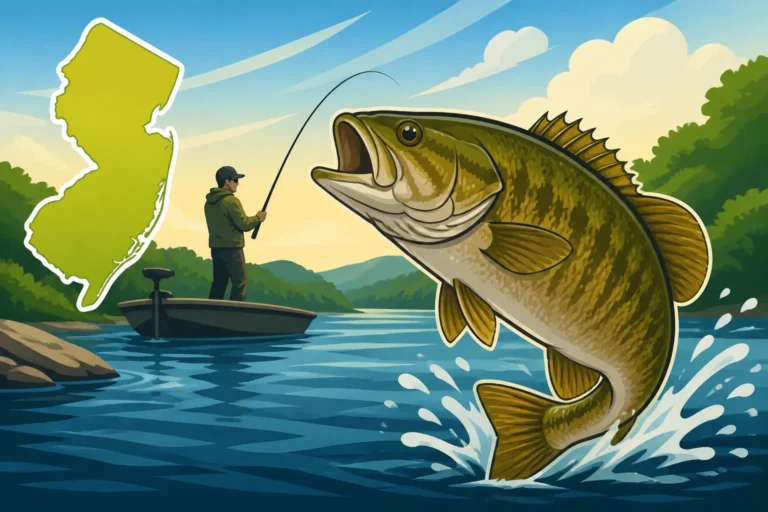
Imagine the scene: a quiet morning on Menantico Sand Wash Pond, a secluded gem in Cumberland County known for its potential to hold big fish. Robert Eisele, a local angler with a passion for bass, was out doing what he loved. The details might vary slightly in the telling over the years, as all good legends do, but the core remains: he cast a live shiner, a classic and effective bait, and hooked into something absolutely enormous. The fight must have been intense, a true battle of wills between man and monster. When he finally brought it to the boat, the sheer size of the fish was undeniable. This wasn't just a personal best; it was something truly special.
The fish weighed a staggering 10 pounds, 14 ounces, a weight that has stood for decades. It was a moment of pure triumph and disbelief, the kind of story that gets passed down through generations of fishing buddies. Landing such a fish requires not just skill and patience, but also a good dose of luck and being in the right place at the right time. For Robert Eisele, that day on Menantico Sand Wash Pond solidified his place in New Jersey fishing history. You can learn more about New Jersey Largemouth Bass State Record in our detailed article.
The Weight of History
A state record like this isn't just a number; it's a benchmark, a challenge, and a source of pride for the entire angling community. It tells us that despite all the development and pressures on our natural resources, New Jersey still holds incredible potential for trophy fish. It keeps us casting, keeps us exploring new waters, and keeps us dreaming of that next big bite.
The record bass from Menantico Sand Wash Pond serves as a constant reminder of what's possible. It fuels discussions around campfires and in bait shops, with anglers dissecting everything from the bait used to the time of year and the exact spot on the pond. It’s more than just a fish; it’s an icon, inspiring both seasoned veterans and eager beginners to pursue their own personal bests. The very existence of such a record validates the notion that New Jersey waters are capable of producing world-class catches, proving that you don't always need to travel far and wide for an incredible fishing experience.
Unraveling the Age: How Biologists Determine a Fish's Age
This is where the mystery really deepens. Once a massive fish like New Jersey's record largemouth bass is caught, especially one that sets a record, biologists are often keen to learn more about its life story, and age is a huge part of that. Understanding how old a fish is gives us invaluable insights into its growth rate, the health of its environment, and the overall population dynamics of the species. It’s like reading the rings of a tree, but for a fish!
The Secret in the Scales and Otoliths
So, how exactly do scientists figure out how old a fish is? They don't have birth certificates, right? The primary methods involve examining growth rings, much like those on a tree trunk. Fish have these rings on several hard structures, most notably their scales and their otoliths.
Scales: Many fish, including largemouth bass, have scales that grow throughout their lives. As the fish grows, new material is added to the edges of each scale in concentric rings. During periods of fast growth (like warm summer months when food is plentiful), these rings are wider. During periods of slower growth (like cold winters when metabolism slows), the rings are narrower and closer together. These annual growth rings are called annuli. A biologist can take a small sample of scales from a fish, often without harming it, and examine them under a microscope. Counting these annuli gives a good estimate of the fish's age. It's a bit like looking at a fingerprint for a fish's life story.
Otoliths (Ear Bones): For a more precise and generally more reliable age determination, especially for older or slower-growing fish, biologists turn to otoliths. These are small, calcified structures found in a fish's inner ear, essential for balance and hearing. Unlike scales, otoliths grow continuously throughout the fish's life, and their growth isn't affected by environmental damage or regeneration like scales can be. When sectioned, similar growth rings (annuli) can be seen. Counting these rings, which are typically much clearer than those on scales, provides a highly accurate age estimate. However, collecting otoliths requires sacrificing the fish, which is why it's usually done for scientific studies or when a fish is legally harvested, like a record catch. When considering the precise details of such a legendary fish, otolith analysis would be the preferred scientific method if the opportunity presented itself.
Estimating the Record Bass's Age
Now, for the burning question: How old was New Jersey's record largemouth bass?
Based on the general growth rates and scientific estimates for largemouth bass of that size, it is widely believed that New Jersey's 10-pound, 14-ounce record largemouth bass was likely between 10 and 15 years old when it was caught in 1993.
It's important to understand that this is an estimation, as the exact otoliths or detailed scale samples that could have provided a definitive age are not typically preserved or publicly available in the way a certified weight is. However, fishery biologists, having studied countless largemouth bass, can make highly educated guesses. A bass needs many years of consistent growth, favorable conditions, and, crucially, avoiding being caught or predated, to reach such an impressive size. A fish nearing the 10-pound mark in New Jersey waters is almost certainly a double-digit year-class fish. They don't grow that big overnight, or even in just a few years.
This estimation of 10-15 years places it firmly in the "old timer" category for a largemouth bass, highlighting its incredible longevity and survival skills in the wild. It managed to evade anglers, predators, and environmental stressors for over a decade to reach its record-breaking potential. This fact alone makes the catch even more remarkable and truly a testament to a magnificent creature.
Factors Influencing a Largemouth Bass's Lifespan and Growth
The incredible age of New Jersey's record largemouth bass wasn't just a fluke (no pun intended!). It's the result of a perfect storm of environmental factors, genetic potential, and sheer luck that allowed it to thrive for so many years. Understanding these elements can help us appreciate what goes into creating a true trophy fish.
Environment is Everything
Just like us, fish grow best when their environment provides everything they need. For a largemouth bass, several key environmental factors play a huge role:
- Water Temperature: Bass are cold-blooded, meaning their metabolism is directly affected by water temperature. Optimal temperatures for feeding and growth are generally in the 65-75°F range. In New Jersey, we have distinct seasons, with warmer summers promoting rapid growth and colder winters slowing things down. A pond or lake that maintains good water temperatures for longer periods throughout the year, without getting too hot or too cold, can contribute to faster growth.
- Food Availability: This is perhaps the most critical factor. A bass needs a consistent and abundant food supply to grow large. This means plenty of forage fish like alewife, golden shiners, and various panfish, as well as crustaceans like crawfish. Menantico Sand Wash Pond, being relatively undisturbed and perhaps having a healthy ecosystem, likely provided a consistent buffet for its resident bass. Think about it: a 10-pound bass didn't get that big by eating just a few minnows. It consumed tons of food over its lifetime. Some anglers even rely on specialized fish finders, available on sites like Amazon, to locate areas with high forage concentration.
- Habitat Quality: Healthy largemouth bass need diverse habitats for different stages of their lives. This includes shallow, vegetated areas for spawning and hiding from predators when young, as well as deeper water with submerged structure (like fallen trees, rock piles, or old docks) for ambush points and thermal refuge as they grow larger. Good water quality, with ample oxygen and minimal pollution, is also non-negotiable for long-term survival and growth. Poor water quality can stress fish, stunt growth, and shorten lifespans. New Jersey's Best Freshwater Lakes for Fishing often boast excellent habitat diversity.
Genetics and Fishing Pressure
Beyond the environment, a few other factors play a part in a bass's ability to reach record size and age.
- Genetics: Just like in humans, some fish are simply genetically predisposed to grow larger and live longer than others. The offspring of big, healthy bass often have the potential to become big bass themselves, given the right conditions. There might have been something in the genetic makeup of New Jersey's record largemouth bass that gave it an edge in growth and hardiness. You can often find books on fish genetics and biology on Amazon, which shed light on these fascinating aspects.
- Fishing Pressure: This is a big one for trophy fish. The more a body of water is fished, the more likely big fish are to be caught and removed, or at least become "educated" and harder to catch. Menantico Sand Wash Pond, while known, may not have experienced the intense fishing pressure of some of New Jersey's more famous bass lakes. This could have allowed the record bass to grow to an old age without encountering too many hooks. High fishing pressure can significantly limit the number of older, larger fish in a population. Responsible anglers often practice catch and release, especially with larger breeding fish, to help maintain the genetic quality and age structure of the bass population. For those looking to protect their catch, specialized landing nets are available, often found on Amazon, designed to minimize harm to the fish.
Chasing Your Own Trophy: Applying Lessons from the Record
While catching a state record is a truly rare feat, the lessons learned from New Jersey's magnificent largemouth bass can certainly inform our own angling pursuits. We can all aim to catch our personal best, and understanding what makes a fish grow big and old is a key part of that journey.
Targeting Mature Bass
If you're dreaming of landing a lunker like New Jersey's record, you need to think like a big, old bass. These fish are wise, often solitary, and usually hold in prime locations that offer both food and protection.
- Look for Structure and Cover: Big bass love ambush points. Think about submerged logs, deep weed lines, rock piles, sudden depth changes, and under docks or bridge pilings. These areas provide shade, cover from predators (and anglers!), and a place to wait for unsuspecting prey. Learning How to Fish Around Bridge Pilings or other structures is crucial.
- Fish During Low Light or Tough Conditions: Older, larger bass are often more active during dawn, dusk, overnight, or during periods of adverse weather when fishing pressure might be lower. They’ve learned to be wary, and these conditions give them an advantage. New Jersey's Best Spots for Night Fishing can be very productive.
- Use Larger Baits: A 10-pound bass isn't expending energy chasing tiny minnows. It's looking for a substantial meal. Large swimbaits, big crankbaits, jigs with bulky trailers, and live baits like large shiners or sunfish are often the ticket for enticing a true giant.
- Patience is a Virtue: You might make hundreds of casts for that one big bite. Don't get discouraged. Focus on presenting your bait perfectly in prime areas, and stay persistent.
Conservation for Future Giants
The story of New Jersey's record largemouth bass isn't just about one fish; it's about the health of our waters and the potential for future generations of anglers to experience that same thrill. Responsible fishing practices are paramount.
- Practice Catch and Release (Especially for Large Fish): While it's exhilarating to keep a trophy, releasing those large, older bass, especially the females, allows them to continue spawning and contributing their superior genetics to the population. Using proper handling techniques, like using a wet towel and minimizing air exposure, is crucial for their survival after release. You can find excellent fish handling tools, including specialized gripper tools and measuring boards, on Amazon that make the process safer for the fish.
- Respect Bag and Size Limits: These regulations are in place for a reason: to protect fish populations and ensure their sustainability. Always know and follow the rules for the waters you're fishing. Our article on How Bag and Size Limits Work in New Jersey explains this in detail.
- Protect Habitat: Healthy fish need healthy homes. Support efforts to protect and restore aquatic habitats in New Jersey. This means being mindful of pollution, not littering, and advocating for clean water initiatives. The better the habitat, the more potential there is for bass to grow to incredible sizes.
- Support Fisheries Management: A portion of your fishing license fees goes directly to supporting the New Jersey Division of Fish and Wildlife's efforts in managing and conserving our fish populations. Understanding New Jersey Freshwater Fishing Regulations Every Angler Should Know is part of being a responsible angler.
The age of New Jersey's record largemouth bass, estimated to be between 10 and 15 years old, is a powerful reminder of the incredible life cycles happening right beneath the surface of our lakes and ponds. It's a testament to resilience, environment, and the thrill of the chase. So next time you're out on the water, remember that there could be another decade-old lunker lurking, waiting to write its own chapter in New Jersey fishing history.
Disclaimer
This article is for general informational purposes only and does not constitute professional advice. Laws, prices and regulations vary by location and change over time. Consult a qualified professional for guidance on your specific situation.