What Is the Biggest Largemouth Bass Ever Caught in New Jersey?
That dream of landing a truly monstrous fish, the kind that makes your reel scream and your heart pound, is something every angler chases. Here in New Jersey, while we might not be famous for the endless sprawling lakes of the Midwest or the deep Southern reservoirs, we absolutely have our share of lunker largemouth bass. Many wonder just how big they get, and more importantly, what's the biggest one ever pulled from our waters? This guide will dive deep into that very question, revealing the state record and exploring the conditions that allowed such a magnificent creature to thrive.
The Elusive New Jersey State Record Largemouth Bass
For many years, the benchmark for largemouth bass in the Garden State seemed to hover around the 8 to 9-pound mark, which is a fantastic fish by any measure. Anglers would tell tales of the "one that got away," often claiming it was a double-digit monster. But proving such a catch, getting it weighed on certified scales, and going through all the official channels is a whole other story. That's what makes a state record so special – it's not just a big fish, it's a verified big fish that sets the bar for everyone else.
Unveiling the Record Holder: Who, What, When, Where
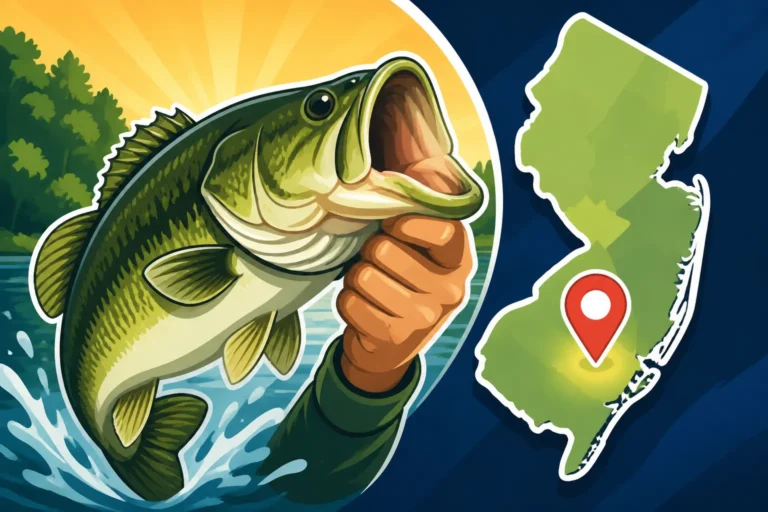
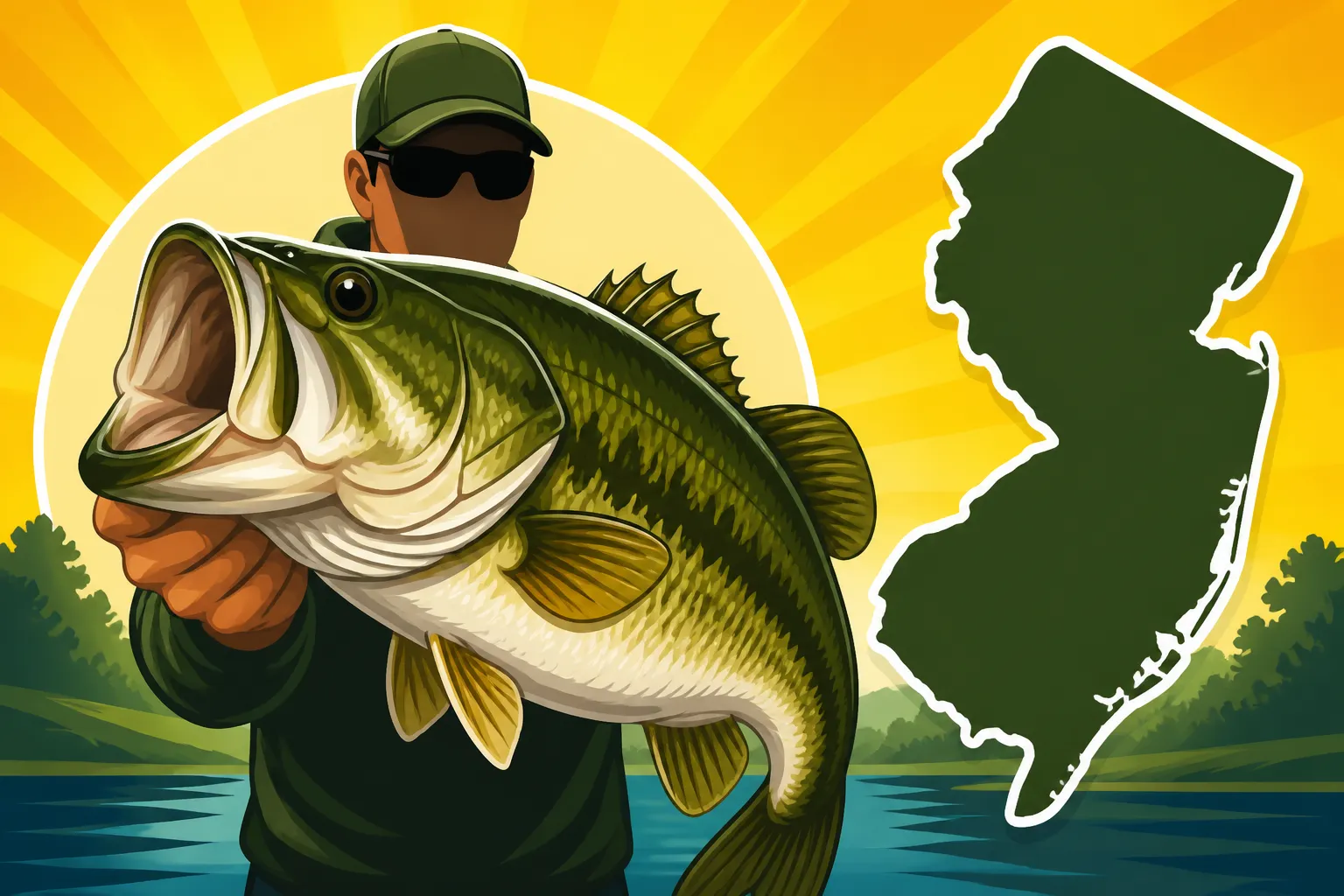
The current and undisputed New Jersey state record for largemouth bass is a truly colossal fish weighing in at a staggering 10 pounds, 14 ounces. This behemoth was caught by Robert E. Harmon back in 1993. Think about that for a second – almost 11 pounds of pure, unadulterated bass! This wasn't just a big fish; it was a legendary catch that cemented its place in New Jersey's angling history. It proved definitively that our waters, despite their relatively smaller size compared to some other states, are capable of producing world-class largemouth. This particular fish didn't just break a record; it shattered the aspirations of many who thought a double-digit bass was just a myth in our state. You can learn more about this incredible catch and its exact weight in the post New Jersey Largemouth Bass State Record: 10 Pounds 14 Ounces.
The significance of this record cannot be overstated. It gives every New Jersey bass angler something to aspire to, a true measuring stick for what's possible. Imagine the fight, the sheer power of an almost 11-pound fish trying to spit the hook or dive into structure. It’s the kind of moment that imprints itself on an angler's memory forever, a testament to skill, patience, and a little bit of luck.
The Lake that Holds the Legend: Menantico Sand Wash Pond
The historic 10-pound, 14-ounce largemouth was pulled from Menantico Sand Wash Pond, a relatively obscure body of water nestled in Cumberland County. When people think of big New Jersey lakes, places like Lake Hopatcong or Round Valley Reservoir often come to mind first. But it's often these quieter, sometimes overlooked waters, that hold true giants. Menantico is not a huge lake; it’s a former sand mining pit, which gives it unique characteristics. These types of waters often have irregular depths, steep drop-offs, and plenty of hidden cover that can provide ideal conditions for big bass to thrive undisturbed.
Such ponds, often overlooked by the general fishing public, can become veritable nurseries for large fish. With less fishing pressure, abundant forage, and good habitat, bass can live longer and grow larger than in more heavily fished areas. The secluded nature of Menantico Sand Wash Pond likely played a crucial role in allowing that record-breaking bass to reach its immense size without being caught previously. It’s a testament to the fact that you don't always need the biggest, most famous lake to find the biggest fish. Sometimes, it's the hidden gems that truly deliver. The story of exactly how this amazing fish was landed is fascinating, and you can delve into it further in How New Jersey's Record Largemouth Bass Was Caught at Menantico Sand Wash Pond.
The Angler Behind the Feat: Robert E. Harmon
Robert E. Harmon's name is etched into the annals of New Jersey fishing history thanks to his incredible catch. For any angler, catching a fish of that magnitude is a lifelong dream, but to have it officially recognized as a state record is an achievement of monumental proportions. It speaks to a deep understanding of bass behavior, a keen eye for potential hotspots, and undoubtedly, a fair bit of perseverance. This wasn't a fluke; it was the culmination of countless hours on the water, honing skills and learning the nuances of the local fisheries.
Becoming a state record holder means your name lives on, inspiring future generations of anglers. Robert Harmon’s record stands as a reminder that even in a densely populated state like New Jersey, wild, impressive fish are out there, waiting for the dedicated angler. It’s a powerful validation for those who spend their weekends exploring every pond, lake, and river the state has to offer, always believing that their next cast could be the one that hooks a legend.
Understanding What Makes a "Giant" Largemouth Bass
What truly allows a bass to grow to such colossal dimensions? It's not just a matter of luck, although luck certainly plays a part in the capture. There's a complex interplay of environmental factors, genetics, and time that allows a bass to become a true lunker, the kind of fish that puts our state record in perspective. It’s a delicate balance, and when all the conditions align perfectly, that’s when you get a potential record-breaker.
Factors Contributing to Record-Breaking Size
Several key elements contribute to a largemouth bass reaching such an impressive size. First and foremost is genetics. Just like people, some bass are simply predisposed to grow larger and live longer than others. Combine good genes with an ideal environment, and you have the recipe for a giant. Next, diet is crucial. A bass needs a consistent and abundant supply of high-protein forage to fuel its growth. This could mean a lake rich in baitfish like alewives or shiners, or even other panfish. Without a readily available food source, a bass won't have the energy to pack on the pounds. The types of food available can greatly impact growth, as discussed in What Do Largemouth Bass Eat in New Jersey Waters?.
Habitat also plays a massive role. Big bass need plenty of cover – submerged timber, thick weed beds, rocky points, or deep structure – where they can ambush prey and hide from predators. A complex and diverse habitat allows them to conserve energy and ambush effectively. Finally, and perhaps most importantly, is age. It takes many years for a bass to reach double-digit weights. A fish that lives long enough to become a record holder has likely survived countless fishing attempts, environmental changes, and natural predators. Low fishing pressure in a specific water body can allow these older, larger fish to thrive.
The Growth Journey of a Largemouth Bass
The journey from a tiny bass fry to a record-setting lunker is a long and perilous one. In their first year, bass can grow quite quickly if food is plentiful, reaching several inches in length. Growth slows down as they age, but they continue to add weight and girth. A typical 5-pound bass might be around 5-7 years old, while a 10-pounder could easily be a decade or more in age. Think about how much it has seen, how many seasons it has weathered, and how many times it has eluded capture. That's why these fish are so revered.
Environmental conditions like water temperature and the length of the growing season also impact how quickly a bass matures. In New Jersey, our seasons mean bass have specific periods of rapid growth, typically in the warmer months. Understanding this growth curve helps us appreciate the sheer age and resilience of a fish that hits the 10-pound mark. For a deeper dive into their development, check out How Fast Do Largemouth Bass Grow? and What Is the Lifespan of a New Jersey Largemouth Bass?.
How New Jersey Bass Compare Regionally
When you look at the national landscape of largemouth bass fishing, New Jersey might not immediately spring to mind as a trophy bass destination like Texas, Florida, or California. These states often boast multiple 15-pounders or even 20-pounders on their record books, thanks to longer growing seasons, specialized genetics (like Florida-strain bass), and massive reservoirs. However, New Jersey's record of 10 pounds, 14 ounces holds its own with pride. It shows that our northern-strain bass, when given the right conditions, can grow exceptionally large.
While we might not consistently produce the sheer number of double-digit bass that warmer climates do, the quality of our larger fish is undeniable. Our lakes and ponds offer unique challenges and rewards, often requiring a more nuanced approach to find those elusive giants. It reminds us that every state has its own unique fishing stories and records to be proud of.
Chasing Your Own New Jersey Trophy Bass
Inspired by the state record? Good! The chase for a trophy largemouth is one of the most exciting aspects of freshwater fishing. While landing a state record is a once-in-a-lifetime achievement, catching your personal best or even a fish pushing the 7-to-9-pound range is an incredibly rewarding experience that is very much within reach for dedicated New Jersey anglers.
Where to Find Big Bass in the Garden State
While Menantico Sand Wash Pond is the historic site, many other New Jersey waters have reputations for producing impressive largemouth. You won't always find record-breakers, but you'll certainly find fish that will challenge your tackle and skill. Larger lakes like Fishing Lake Hopatcong: New Jersey's Largest Lake, Assunpink Lake, Farrington Lake, and Mercer Lake are consistently mentioned when anglers discuss trophy bass potential. These waters offer diverse habitats, plenty of forage, and enough size to hold those elusive lunkers. Reservoirs, with their deep water and varied structure, can also be excellent choices.
Don't overlook smaller, lesser-known ponds and private lakes either. Sometimes, those hidden gems with less fishing pressure are exactly where a big bass can grow old and wise. Always research the specific regulations for any body of water, and if it's private, ensure you have permission to fish there. For a comprehensive overview of potential hotspots, take a look at Best Lakes for Largemouth Bass in New Jersey.
Tactics and Gear for Targeting Giants
Targeting giant bass often requires a shift in mindset and tackle compared to everyday bass fishing. Here are a few key considerations:
- Go Big with Baits: Large bass often prefer larger meals. Think big swimbaits, heavy jigs, oversized creature baits, and substantial crankbaits. These baits mimic the larger forage that big bass key in on. You can find a fantastic selection of these on platforms like Amazon.
- Focus on Structure and Cover: Lunkers are often found relating to the densest cover or deepest structure – fallen trees, thick lily pad fields, deep weed lines, rock piles, or submerged humps. They prefer ambush points where they can hide and dart out to grab prey.
- Patience and Persistence: You might not get as many bites with bigger baits, but the bites you do get are more likely to be from quality fish. Be patient, work your bait thoroughly, and don't be afraid to cast into seemingly impenetrable cover.
- Heavy-Duty Gear: When you hook into a true lunker, you need the right tools to land it. This means a stout rod (medium-heavy to heavy power), a robust reel with a smooth drag, and strong line (15-20 lb fluorocarbon or monofilament, or 30-50 lb braided line). You can find reliable rods, reels, and line suitable for these monsters at online retailers like Amazon.
- Seasonal Adaptations: Big bass behavior changes with the seasons. In summer, they might retreat to deeper, cooler water, responding well to deep-diving crankbaits or jigs. In colder months, a slow presentation with a jig or a blade bait might be the ticket. Check out guides like Best Lures for Largemouth Bass in Summer Heat and How to Catch Largemouth Bass in Cold Water for specific tactics.
The Importance of Catch and Release
When you’re specifically targeting trophy bass, the practice of catch and release becomes even more critical. These older, larger fish are the prime breeders in any given water body, and their survival is vital for maintaining a healthy bass population for the future. Plus, releasing them allows another angler (or even yourself) to potentially catch them again, perhaps when they've grown even larger!
Always handle big bass with the utmost care. Use a net to land them quickly, minimize their time out of the water, and support their body weight horizontally to protect their internal organs and jaw. A quick photo, a measurement, and then a gentle release back into the water ensures these magnificent fish can continue their life cycle. Many anglers opt for barbless hooks to make the unhooking process even easier. Learn more about responsible angling in Catch and Release Rules in New Jersey.
Documenting Your Potential Record Catch
Imagine the moment: you've battled a giant, and you know in your heart it's one of the biggest fish you've ever seen. What do you do next if you think it might be a new state record, or at least a contender? There's a specific protocol to follow to ensure your catch can be officially recognized. It's not just about snapping a quick photo; it's about verifiable data.
Official Requirements for State Records
If you believe you've caught a new state record largemouth bass, or any other species, the New Jersey Department of Environmental Protection (NJDEP) Division of Fish and Wildlife has a rigorous process to certify it. Simply put, they want to be sure. Here's what you generally need:
- Certified Scale: The fish must be weighed on a scale that has been certified by the county or state, usually found at local butcher shops, seafood markets, or post offices. A regular bathroom scale just won't cut it.
- Witnesses: You'll need at least two witnesses to attest to the catch and the weighing process. These should ideally be impartial individuals.
- Species Identification: A fisheries biologist or an authorized representative will need to verify the species of fish. Sometimes, similar species can be mistaken, especially when they're very large.
- Photographic Evidence: Clear photographs of the fish, ideally showing its length and girth alongside a measuring device, are usually required.
- Application Form: There will be an official application form to fill out, detailing the date, location, method of catch, and other pertinent information.
The entire process is designed to prevent fraud and ensure that any new record is legitimate and accurately recorded. While the immediate excitement might make you want to share it with the world, taking these careful steps is paramount to official recognition.
The Joy of the Chase, Beyond the Record Book
While chasing a state record is an exhilarating goal, it's essential to remember that fishing is about more than just numbers on a scale. The true joy comes from the entire experience: the peaceful mornings on the water, the challenge of reading the fish and the environment, the thrill of the strike, and the camaraderie with fellow anglers.
Setting a personal best, introducing a child to the sport, or simply enjoying the beauty of New Jersey's natural landscapes are all equally valid and fulfilling achievements. The state record stands as an inspiration, a testament to what's possible, but every fish caught and every moment spent outdoors contributes to the rich tapestry of your angling journey. So get out there, explore our incredible waters, and enjoy the chase – whether it's for a bluegill or the next state record largemouth.
Disclaimer
This article is for general informational purposes only and does not constitute professional advice. Laws, prices and regulations vary by location and change over time. Consult a qualified professional for guidance on your specific situation.