New Jersey’s Best Freshwater Lakes for Fishing
It’s easy to get caught up in the allure of the Jersey Shore and its incredible saltwater fishing opportunities. But for those of us who prefer the tranquil beauty of inland waters, finding those truly exceptional freshwater fishing spots in New Jersey can sometimes feel like searching for a needle in a haystack. This comprehensive guide is here to change that, revealing the state's best freshwater lakes where you can cast a line and create lasting memories, whether you're chasing trophy bass or peaceful panfish.
Understanding New Jersey's Freshwater Fishing Landscape
New Jersey often gets a reputation for its bustling highways and dense population, but it's also home to a surprising number of pristine lakes, reservoirs, and winding rivers that offer fantastic freshwater angling. Many anglers, especially those new to the state or just getting back into the hobby, might overlook these hidden gems, thinking that all the action is out on the ocean. Nothing could be further from the truth!
The Allure of Inland Waters Beyond the Shore
There’s a unique charm to freshwater fishing that's different from battling the tides and salty spray of the ocean. For one, the scenery is often breathtaking, with lush forests, rolling hills, and quiet coves replacing sandy beaches and crashing waves. You can find a sense of peace and solitude that's harder to come by on a crowded party boat. Plus, the diversity of freshwater species means there's always something new to learn and master. Whether you're a seasoned fly fisherman stalking trout in a clear mountain stream or a parent introducing a child to their first bluegill on a bobber, New Jersey's inland waters offer accessible and rewarding experiences. It's a fantastic way to connect with nature and enjoy a more relaxed pace of fishing, often just a short drive from urban centers.
Key Freshwater Species You'll Encounter
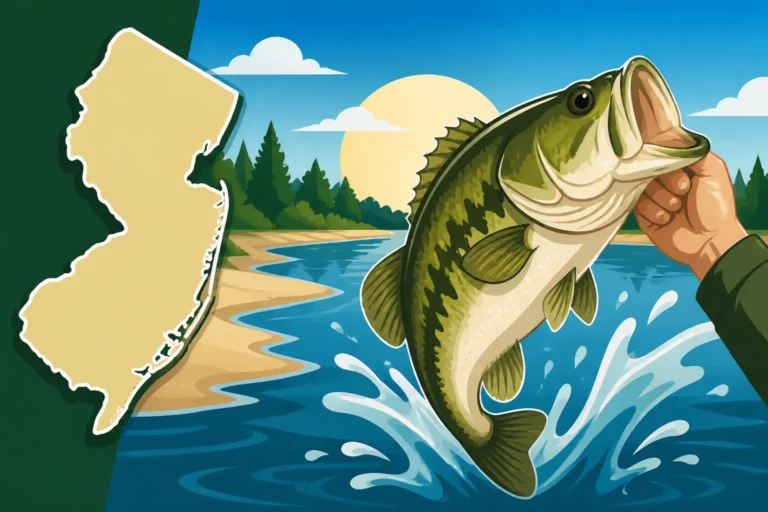
New Jersey's freshwater lakes are teeming with a variety of popular game fish and panfish, offering something for every angler's preference. The undisputed king of many New Jersey lakes is the Largemouth Bass, known for its aggressive strikes and powerful fights. You'll find them lurking in submerged cover, around lily pads, and along weed lines. Not far behind are their cousins, the Smallmouth Bass, which prefer clearer, rockier waters and put up an equally spirited fight.
Beyond the bass, our lakes host healthy populations of various panfish, including sunfish, bluegill, and crappie – perfect targets for beginners or those looking for consistent action. For the adventurous, some larger reservoirs are stocked with Trout, including rainbow, brown, and even elusive lake trout, especially in cooler, deeper waters. And let’s not forget species like Chain Pickerel, Perch, and Catfish, which add to the diversity. In some specialized lakes, you might even find predatory giants like Muskie and Walleye, presenting a true challenge for experienced anglers. Understanding what species inhabit a particular lake is the first step in planning a successful fishing trip, so always check the local regulations and stocking reports.
Lake Hopatcong: New Jersey's Premier Inland Gem
When you talk about freshwater fishing in New Jersey, Lake Hopatcong always comes up first, and for good reason. As the state's largest freshwater lake, it's a true angler's paradise, offering an incredible variety of fishing experiences and species. Located in Sussex and Morris counties, it’s a popular destination, but its sheer size means you can almost always find a quiet cove or productive weed line to explore. This lake isn't just big; it's a vibrant ecosystem that supports a robust fishery, making it a must-visit for any serious freshwater angler in the Garden State.
Bass Fishing at its Finest on Lake Hopatcong
Lake Hopatcong is legendary among bass anglers, often hosting numerous tournaments throughout the season. The lake's diverse structure, including shallow weed flats, deep rocky ledges, docks, and submerged timber, creates ideal habitats for both largemouth and smallmouth bass. During the spring, largemouth bass are often found cruising the shallower flats, especially around areas like Woodport Cove or Jefferson Township, preparing to spawn. Flipping jigs, pitching Texas-rigged worms into thick cover, or working topwater frogs over lily pads are incredibly effective techniques here. As the water warms in summer, bass often move to deeper points and structures, where drop-shotting or cranking deep-diving crankbaits can produce excellent results.
Smallmouth bass, while less abundant than largemouth, are present in the deeper, rockier sections, especially towards the northern end of the lake. Targeting them with Ned rigs, tube baits, or small jerkbaits around rocky outcrops and transitional areas can lead to some fantastic fights. Many anglers attest that the true challenge and thrill come from figuring out the specific patterns for these elusive smallmouth, making a successful outing feel even more rewarding. If you're looking to consistently connect with the lake's abundant bass population, understanding the seasonal movements and preferred forage is key, and local bait shops are always a great source of up-to-date information on what's biting and where. For more detailed insights, check out our guide on Lake Hopatcong Bass Fishing Hotspots.
Targeting Hybrid Striped Bass and Walleye
Beyond the renowned bass fishing, Lake Hopatcong also offers exciting opportunities for other prized species like Hybrid Striped Bass and Walleye. Hybrid stripers, a cross between striped bass and white bass, are stocked in the lake and provide incredible fights, often schooling in open water and chasing baitfish. Look for them in deeper sections of the lake or near humps and ledges, especially during dawn and dusk. Trolling with spoons or plugs, or casting swimbaits and topwater lures into active schools, can result in explosive strikes. They are powerful fish that will test your gear and your angling skills.
Walleye, while notoriously finicky, are also present and highly sought after for their delicious table fare. They prefer low light conditions and often reside in deeper, cooler water, especially around structural elements like rock piles or sunken islands. Techniques like trolling with stickbaits or worm harnesses, jigging with minnows or soft plastics, particularly at night or during twilight hours, are generally most effective for these elusive predators. Patience is definitely a virtue when targeting Walleye, but the reward of landing one of these golden beauties is well worth the effort.
Year-Round Action, Including Ice Fishing
One of Lake Hopatcong's most appealing features is its ability to provide fantastic fishing action throughout the entire year, even when the temperatures drop. Spring brings the aggressive pre-spawn bite for bass and crappie, while summer offers consistent action for a wide array of species, perfect for those long, sunny days on the water. Fall is a particularly productive time, as fish aggressively feed to fatten up for winter, making for some intense fishing, especially for bass and walleye, which become more active as the water cools.
However, where Lake Hopatcong truly shines for some dedicated anglers is during the winter when it becomes one of New Jersey's top ice fishing destinations. Once the ice is safely thick enough, anglers flock to the lake, drilling holes to target perch, crappie, pickerel, and even some surprisingly large bass. Using small jigs tipped with bait, or setting up tip-ups with live minnows, can lead to a banner day on the ice. The camaraderie on the frozen lake is something special, and for those willing to bundle up, it offers a completely different, yet equally rewarding, fishing experience. Just remember to prioritize safety and check ice conditions meticulously before heading out. For tips on gearing up, our guide on What To Wear Ice Fishing can be very helpful.
Round Valley Reservoir: Deep Waters, Trophy Trout
If you're looking for a truly unique freshwater fishing experience in New Jersey, Round Valley Reservoir in Hunterdon County should be at the top of your list. This incredibly deep, crystal-clear lake is a man-made marvel, designed to provide drinking water, and its strict regulations have preserved its pristine quality. It’s a bit different from your typical bass lake, offering a wilderness-like feel and the chance to hook into some truly impressive cold-water species. The sheer depth and clarity of the water present both challenges and incredible rewards, drawing serious anglers from across the region.
Lake Trout and Brown Trout Opportunities
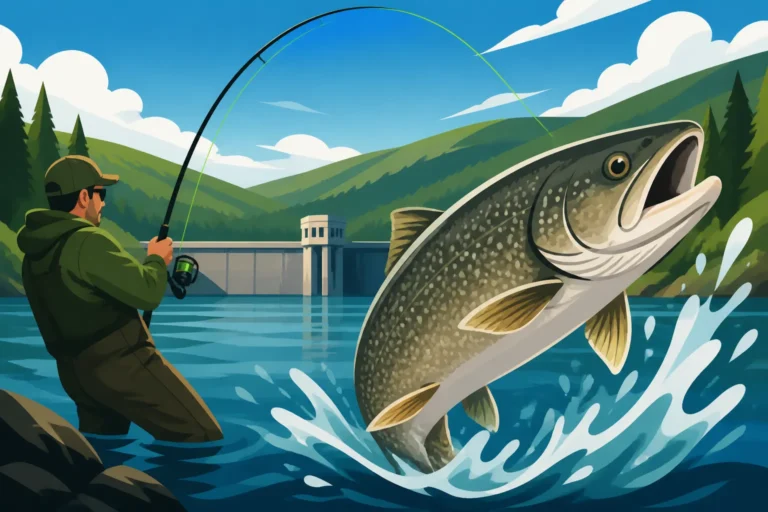
Round Valley Reservoir is famous for its exceptional trout fishery, particularly for Lake Trout and Brown Trout. Lake trout, often considered the "king of the coldwater," thrive in the reservoir's deep, cold, oxygen-rich waters. These prehistoric-looking fish can grow to impressive sizes, with the state record for lake trout actually coming from Round Valley. Targeting them often requires specialized techniques like downrigging with spoons or large stickbaits at specific depths, or vertical jigging with heavy spoons and soft plastics over deep structure. It's a game of patience and precision, but hooking into a powerful lake trout from these depths is an unforgettable experience.
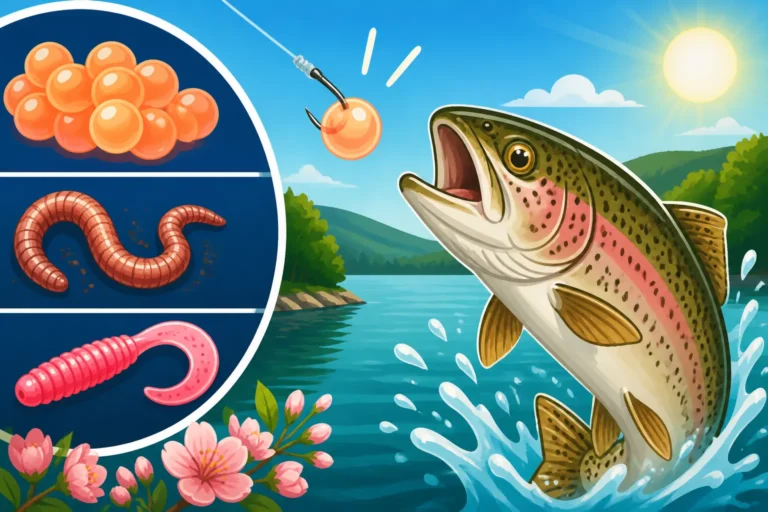
Brown trout are also regularly stocked and can be found closer to shore during cooler months or deeper during summer. While not reaching the same extreme depths as lake trout, they offer a fantastic fight on lighter tackle. Many anglers find success trolling with smaller spoons or minnow imitations, or casting from shore with PowerBait or worms, especially during the spring and fall. The challenge of deciphering the patterns of these deepwater residents is a major draw for many who venture to Round Valley. For those eager to pursue these cold-water giants, exploring Round Valley Reservoir Lake Trout Fishing can provide invaluable guidance.
The Challenges and Rewards of Reservoir Fishing
Fishing at Round Valley Reservoir is not for the faint of heart, but its challenges are precisely what make its rewards so profound. The reservoir's crystal-clear waters, while beautiful, also mean fish are often spookier and require longer casts, lighter lines, and more subtle presentations. The sheer depth, plunging over 180 feet in some areas, means understanding depth finders and employing techniques to get your bait down to where the fish are holding is crucial. Weather can also play a significant role; strong winds can make boating hazardous on such a large, open body of water.
However, for those who embrace these challenges, Round Valley offers some of the most rewarding freshwater fishing in New Jersey. The chance to catch a trophy-sized lake trout or brown trout, fish in relative solitude surrounded by stunning natural beauty, and hone advanced angling skills is unparalleled. It's a place where you truly feel like you're out in the wild, far from the hustle and bustle. The pristine environment and the quality of the fish make every successful trip feel like a major accomplishment. Understanding how to approach fishing in clear water, as detailed in How to Fish Clear Water Lakes Like Round Valley Reservoir, will significantly increase your chances of success.
Shore Access and Boat Ramp Information
Despite its large size and emphasis on boating for deep-water species, Round Valley Reservoir does offer options for both shore anglers and those with boats. The main access point for boaters is the main boat launch located off County Road 629, which provides ample parking and multiple ramps. Due to its status as a drinking water supply, there are strict regulations regarding boat types and preparation. Only electric motors are allowed, and all boats, including kayaks and canoes, must undergo a mandatory cleaning and inspection process to prevent the introduction of invasive species. This takes a little extra time but ensures the long-term health of the reservoir's ecosystem.
For shore anglers, there are designated access points, though they are more limited compared to other lakes. The areas near the boat launch and along the dam offer some good spots, particularly in spring and fall when trout are closer to the surface. While shore fishing can be productive for smaller trout and panfish, the vast majority of the reservoir’s most productive waters, especially for trophy lake trout, are best accessed by boat. Hiking trails also follow parts of the shoreline, occasionally providing unique, secluded spots for determined anglers willing to walk a bit. Always check the current regulations and access rules before you go, as they can change.
Spruce Run Recreation Area: Diverse Angling for All
Spruce Run Recreation Area, centered around Spruce Run Reservoir in Hunterdon County, offers a fantastic and often overlooked freshwater fishing experience in New Jersey. Unlike the deep, clear waters of Round Valley, Spruce Run is a shallower, warmer impoundment that provides a different type of angling opportunity, making it incredibly popular with a wider range of fishermen, including families and those who prefer a more relaxed approach. Its accessibility and variety of fish species make it a solid choice for a day trip or even a full weekend of outdoor adventure.
Largemouth Bass and Panfish Galore
Spruce Run Reservoir is a superb destination for anglers targeting Largemouth Bass. The reservoir features extensive shallow areas, submerged timber, weed lines, and numerous coves that create ideal ambush points for bass. Throughout the warmer months, you can find active largemouth hitting topwater lures in the early morning and late evening, or burying themselves in cover during the heat of the day, where jigs and Texas-rigged plastics shine. The structure here is rich, and exploring the shoreline contours, especially around points and inlets, can yield impressive results. It’s a great lake to practice various bass fishing techniques, from flipping and pitching to cranking and spinnerbait fishing.
Beyond bass, Spruce Run also boasts a healthy population of various panfish, making it an excellent spot for family fishing outings or for those simply looking for consistent action. Bluegill, sunfish, and crappie are abundant and eager to bite on small worms, crickets, or tiny jigs under a bobber. These species are perfect for introducing kids to the joys of fishing, as the bites are frequent and the fish are cooperative. You'll often find clusters of panfish around docks, submerged brush, and weed edges. The sheer number of opportunities for both aggressive game fish and easy-to-catch panfish truly makes Spruce Run a versatile and rewarding fishery for anglers of all skill levels.
Family-Friendly Fishing and Amenities
What truly sets Spruce Run Recreation Area apart is its emphasis on providing a family-friendly outdoor experience, with fishing as a central activity. The park offers picnic areas, playgrounds, and even a swimming beach, making it an ideal destination for a day out with the entire family, even if not everyone in your group is a hardcore angler. The diverse shoreline provides plenty of easy-access spots for shore fishing, perfect for kids or those who don't have a boat. Imagine packing a lunch, finding a comfortable spot along the bank, and spending a relaxing afternoon teaching your little one how to cast while they reel in bluegill after bluegill.
The park's amenities make it simple to plan a hassle-free trip. There are clean restrooms, designated parking areas, and easy access to the water. The shallow nature of much of the reservoir also contributes to its family-friendly appeal, as it feels less intimidating than the vast, deep waters of other large reservoirs. It's a place where memorable first catches happen frequently, fostering a love for fishing and the outdoors in the next generation. For those planning a trip with kids, considering places that offer a broader recreational experience, such as those listed in Best New Jersey State Park Ponds for Family Fishing, can make the day even more enjoyable for everyone.
Kayak and Small Boat Access
For those who enjoy the quiet stealth of kayak or small boat fishing, Spruce Run Reservoir offers excellent access and conditions. The reservoir's generally calmer waters and numerous coves are perfectly suited for paddlecraft, allowing anglers to explore areas that might be less accessible to larger powerboats. You can effortlessly glide into shallow weed beds, quietly approach submerged timber, and effectively target bass and panfish holding in these often overlooked spots. The ability to navigate silently through the water column enhances the fishing experience, especially for spooky fish.
There are multiple boat launches available, including specific areas well-suited for launching kayaks and canoes, often separate from the main powerboat ramps. This makes it easy to get on the water quickly and start exploring. The reservoir's moderate size means you can cover a good amount of water in a kayak or small boat without feeling overwhelmed or having to paddle excessive distances. It's an ideal location for a solo adventure, a peaceful day of fishing with a friend, or even a small group outing, combining the joy of paddling with the thrill of freshwater angling. Always remember to check for any specific horsepower restrictions or safety requirements for boats on Spruce Run.
Monksville Reservoir: Smallmouth Bass and Scenic Beauty
Nestled in the northern New Jersey Highlands, Monksville Reservoir is a true hidden gem for freshwater anglers, especially those with a passion for smallmouth bass. This picturesque reservoir, located in Passaic County, is known for its stunning natural beauty, clear waters, and rugged, rocky shoreline. It offers a distinct fishing experience compared to some of the state's larger, busier lakes, providing a sense of tranquility and a challenging, yet rewarding, pursuit of its prized fish. If you appreciate a more solitary angling adventure amidst breathtaking scenery, Monksville should definitely be on your radar.
Mastering Smallmouth Bass Tactics
Monksville Reservoir is arguably one of New Jersey's top destinations for smallmouth bass. The reservoir's deep, clear, and rocky structure, a stark contrast to the weed-laden shallows of many largemouth fisheries, creates an ideal habitat for these bronze bombers. To succeed here, anglers often need to employ techniques tailored to smallmouth behavior. Drop-shotting with small finesse worms or goby imitations is incredibly effective, allowing you to present bait precisely to fish holding tight to rocky ledges, submerged humps, and steep drop-offs. Jigging with tubes or grubs, especially in crawfish colors, can also produce explosive strikes when bounced along the bottom.
During the warmer months, smallmouth can be found schooling in deeper water, chasing baitfish. Watching for surface activity or using a fish finder to locate schools becomes crucial. In spring and fall, they might move shallower, making them accessible to shore anglers or those casting jerkbaits and crankbaits near prominent points. The key to consistent success at Monksville is understanding the contours of the bottom, identifying key transition areas, and presenting your bait naturally. These smallmouth are powerful fighters, often leaping clear of the water, making every catch an exhilarating battle.
Muskie Potential in These Waters
While smallmouth bass might be the star of Monksville Reservoir, the lake also holds a strong appeal for a more specialized type of angler: those hunting for Muskie. New Jersey has a limited number of waters that support these formidable predators, and Monksville is one of the premier locations. These "fish of 10,000 casts" are the ultimate freshwater challenge, renowned for their elusive nature, immense size, and aggressive strikes. Catching a muskie from Monksville is considered a significant achievement among local anglers.
Muskie fishing here requires heavy-duty gear, large specialized lures like bucktails, glide baits, or large jerkbaits, and an incredible amount of patience and dedication. They often patrol weed lines, rocky points, and submerged timber, ambushing unsuspecting prey. Anglers specifically targeting muskie often spend full days on the water, meticulously casting and retrieving, knowing that a single follow or strike could be the fish of a lifetime. While the odds are stacked against you, the mere possibility of hooking into one of these freshwater giants adds an extra layer of excitement and anticipation to every cast at Monksville Reservoir. For those with a true passion for these apex predators, exploring New Jersey's Best Lakes for Trophy Muskie could be a good next step.
Exploring the Reservoir's Unique Structure
Monksville Reservoir's unique structure is a major factor in its excellent fishing, and understanding it is key to unlocking its potential. The reservoir was formed by flooding parts of the Wanaque River Valley, resulting in a complex underwater topography. You'll find a mix of steep rock walls, underwater humps, submerged timber from the original forest, and deep channels. The clear water allows for sight fishing in some areas, but more often, anglers rely on their electronics to map out contours and locate fish-holding structure.
Navigating the reservoir requires attention, as some areas can be quite shallow near the rocky shoreline, while others drop off rapidly into significant depths. The presence of both deep-water structure and shallower, albeit rocky, coves means you can adapt your fishing strategy throughout the day and across seasons. This variety provides endless opportunities for exploration and discovery, always keeping the fishing fresh and exciting. It's a fantastic place for anglers who enjoy dissecting a body of water and methodically working through different types of cover and depth changes to find where the fish are hiding.
Greenwood Lake: Border Water Big Fish Potential
Straddling the border between New Jersey and New York, Greenwood Lake is another impressive freshwater fishery that offers big fish potential and a unique angling experience. This long, narrow lake, extending over seven miles, is a popular destination for both states and boasts a diverse ecosystem capable of supporting several trophy-level species. Its size, depth, and varied bottom structure make it a compelling choice for anglers looking for a challenging yet rewarding freshwater adventure.
Hunting for Muskie and Walleye
Greenwood Lake is widely regarded as one of the best places in New Jersey (and New York!) to target two of freshwater fishing's most coveted and elusive species: Muskie and Walleye. For Muskie, the lake offers fertile grounds, with healthy populations lurking in its expansive waters. Anglers often troll large plugs or cast big bucktails and swimbaits along weed lines, rocky points, and the edges of submerged islands. The "follow" of a muskie is legendary, and getting one to commit to a strike often requires persistence and specific figure-eight maneuvers at the boat. Landing one is a true test of skill and patience, marking a pinnacle achievement for many freshwater enthusiasts.
Walleye, another highly prized game fish, also call Greenwood Lake home. They thrive in the lake's deeper, cooler sections and are most active during low-light conditions, making early mornings, late evenings, and night fishing particularly productive. Trolling with worm harnesses or stickbaits, jigging with minnows or soft plastics, or even casting blade baits near deep breaks and humps are common strategies. Both Muskie and Walleye require dedicated effort, but the sheer size and fighting prowess of these fish make the pursuit at Greenwood Lake incredibly exciting. Delving into a Greenwood Lake Muskie Fishing Guide can further enhance your understanding and increase your chances of success.
Unique Rules for a Shared Fishery
Because Greenwood Lake is a shared border water between New Jersey and New York, anglers need to be aware of a unique set of regulations that can sometimes be a bit confusing. Typically, a valid fishing license from either New Jersey or New York is sufficient to fish the entire lake, but it's crucial to understand that the specific bag limits, size restrictions, and season dates might differ slightly depending on which state's regulations you are adhering to. For instance, New York might have different daily creel limits for certain species compared to New Jersey.
It's highly recommended to carry copies of both states' current fishing digests or at least be thoroughly familiar with the rules, especially for target species like bass, walleye, and muskie. Failing to comply with the correct regulations could lead to penalties, so always err on the side of caution. This cross-state jurisdiction adds a layer of complexity but doesn't detract from the fantastic fishing opportunities. Just do your homework before you hit the water, and don't hesitate to ask local bait shop owners for clarification – they are often the best resource for navigating these specific border water rules.
Deep-Water Fishing Strategies
Greenwood Lake, with its considerable depth (up to 50-60 feet in some areas), often calls for deep-water fishing strategies, especially during the warmer months when many species retreat to cooler, more oxygenated zones. For species like walleye, and even larger bass, understanding how to effectively present lures at specific depths is paramount. Trolling is a highly effective method, allowing you to cover vast amounts of water and present baits at precise depths using lead core line, downriggers, or planer boards. Large crankbaits, spoons, and stickbaits are popular choices for trolling.
Vertical jigging is another productive technique, particularly when fish are suspended over deep structure or holding near the bottom. Using a fish finder to locate schools of baitfish or game fish, then dropping jigs, blade baits, or heavy soft plastics directly into the strike zone, can be incredibly effective. Anglers often focus on areas with significant depth changes, submerged humps, or distinct drop-offs, as these are natural holding areas for predatory fish. Mastering these deep-water tactics is key to consistently catching fish in Greenwood Lake, offering a rewarding challenge for those who enjoy precision angling.
Smaller, Underappreciated Lakes and Ponds
While New Jersey boasts some truly magnificent large lakes and reservoirs, many excellent fishing opportunities lie within its smaller, less-talked-about lakes and countless ponds. These often provide a more intimate fishing experience, fewer crowds, and can be incredibly productive for a variety of species. They're perfect for a quick evening trip after work, a leisurely weekend outing, or for those who prefer to explore off the beaten path. Don't underestimate the potential of these smaller bodies of water; they can often hold surprising catches and provide a peaceful retreat.
Merrill Creek Reservoir for Trout and Bass
Merrill Creek Reservoir, located in Warren County, is a prime example of a smaller, yet incredibly productive, fishing spot that often flies under the radar. This pumped-storage reservoir is characterized by its deep, clear, and cold waters, making it an excellent habitat for trout, much like a smaller version of Round Valley. It's regularly stocked with rainbow and brown trout, and can also hold holdover fish that grow to impressive sizes. Trolling with spoons or small crankbaits, or casting PowerBait and worms from accessible shorelines, particularly near the dam and boat launch, are effective methods for trout.
Beyond trout, Merrill Creek also offers good opportunities for smallmouth bass. These aggressive fish thrive in the reservoir's rocky structure and clear water. Anglers can target them with finesse techniques like drop-shotting, tube jigs, or small crankbaits around points, submerged ledges, and rocky outcrops. The relatively smaller size of Merrill Creek makes it easier to navigate and explore compared to the state's largest reservoirs, giving anglers a better chance to learn its contours and find productive spots. It’s a beautifully maintained facility, perfect for a peaceful day of fishing in a serene setting.
Lake Wawayanda and Swartswood Lake for Variety
For anglers seeking variety in a more compact setting, Lake Wawayanda in Sussex County and Swartswood Lake, also in Sussex County, are excellent choices. Lake Wawayanda, part of High Point State Park, is a picturesque glacial lake known for its clear waters and diverse fishery. It's stocked with trout and also holds good populations of largemouth bass, pickerel, and various panfish. The lake offers a mix of shallow weed beds and deeper sections, providing habitat for a wide range of species. It's a fantastic spot for both boat and shore anglers, offering scenic beauty alongside solid fishing.
Swartswood Lake, New Jersey's oldest state park lake, is another fantastic option. This natural lake boasts a healthy population of largemouth and smallmouth bass, northern pike, pickerel, and panfish. It’s also one of the few lakes in the state where you might encounter walleye. The lake's varied bottom structure, including rock piles, weed beds, and submerged timber, creates excellent cover for predatory fish. Both Wawayanda and Swartswood offer a less crowded experience than the largest reservoirs but still provide ample opportunities for exciting catches and beautiful surroundings. They are great places to spend a full day exploring different fishing techniques for different species.
Local Ponds for Family Fun and Panfish
Beyond the well-known lakes and reservoirs, New Jersey is dotted with countless smaller, local ponds that are perfect for a relaxed day of fishing, especially for beginners or families with young children. These ponds, often found in county parks, wildlife management areas, or local communities, are typically shallow, easy to access, and brimming with panfish like bluegill, sunfish, and crappie, as well as decent populations of largemouth bass and pickerel. They offer a no-frills fishing experience where the emphasis is on enjoyment and consistent action rather than trophy hunting.
Many of these ponds are regularly stocked by the state or local clubs, ensuring a healthy population of fish. They are ideal places to teach a child how to cast, set the hook, and reel in their first fish, using simple tackle like a bobber and a worm. Some notable examples include the various ponds within the Assunpink Wildlife Management Area, Colliers Mills Wildlife Management Area, and several county parks across the state. While they may not produce state records, these ponds provide invaluable opportunities for stress-free fishing, connecting with nature, and creating cherished memories with loved ones. Don't overlook these smaller, accessible havens when planning your next fishing trip.
Essential Gear and Tips for New Jersey Freshwater Fishing
Getting started or improving your freshwater fishing game in New Jersey doesn't have to be complicated, but having the right gear and a few key tips can make all the difference. While the state offers a huge variety of fishing spots and species, some fundamental principles and equipment choices will serve you well across the board, ensuring you're prepared for whatever these beautiful inland waters throw your way.
Recommended Rods, Reels, and Lures
For general freshwater fishing in New Jersey, a versatile medium-light to medium power spinning rod, around 6 to 7 feet long, paired with a matching spinning reel (size 2500-3000) spooled with 6-10 lb test monofilament or braided line, is an excellent all-around setup. This combination is light enough for panfish but has enough backbone to handle a decent largemouth or even a smaller trout.
For lures, a basic tackle box should include:
- Worms and Live Bait: Gulp! worms, nightcrawlers, or red worms are irresistible to most freshwater species.
- Soft Plastics: Senkos, trick worms, and creature baits (Texas-rigged or wacky-rigged) are killer for bass.
- Jigs: Small marabou jigs for panfish, larger jig-and-trailer combos for bass.
- Crankbaits and Spinnerbaits: Shallow-running crankbaits for bass in weeds, and spinnerbaits for covering water.
- Topwater Lures: Frogs, poppers, or walk-the-dog baits for exciting surface action in thick cover, as explored in How to Fish Topwater Lures for Largemouth Bass.
- Bobbers, Sinkers, and Hooks: Essential terminal tackle for any live bait or simple setup.
For those venturing into specific fisheries like trout in Round Valley or muskie in Greenwood Lake, specialized gear will be necessary. Trout often require lighter, more sensitive rods and smaller baits, while muskie demand heavy casting gear and oversized lures. Always match your tackle to your target species and the conditions you expect to encounter.
Understanding Fish Behavior in Lakes and Reservoirs
Successful freshwater fishing in New Jersey largely depends on understanding the behavior of fish within different lake and reservoir environments. Fish are cold-blooded creatures, and their activity levels and locations are heavily influenced by water temperature, oxygen levels, light penetration, and the availability of food.
- Seasonal Movements: In spring, fish move to shallower, warmer waters for spawning. Summer often sees them retreat to deeper, cooler areas or seek shade and cover. Fall triggers a feeding frenzy as they bulk up for winter, making them more active.
- Time of Day: Early morning and late evening (twilight hours) are often the most productive times, as many predatory fish become more active in low light. During midday in summer, fish tend to hide in deeper water or heavy cover.
- Structure and Cover: Fish are almost always associated with some form of structure or cover – submerged logs, rock piles, weed beds, docks, drop-offs, or changes in bottom composition. Learning to "read the water" and identify these fish-holding areas is crucial.
- Baitfish Presence: If you find baitfish, you'll likely find predatory fish. Look for schools of minnows, shad, or other forage fish, as game fish won't be far behind.
Paying attention to these environmental cues and adapting your techniques accordingly will drastically improve your success rate on any New Jersey freshwater lake.
The Importance of Conservation and Respect
As stewards of New Jersey's beautiful natural resources, it's paramount that we practice conservation and show respect for the environment and the fish we pursue. This means adhering strictly to all New Jersey freshwater fishing regulations, including bag limits, size limits, and season dates. Always make sure you have the proper New Jersey Fishing License Guide for 2026 before casting a line, and understand any specific rules for the body of water you're fishing, such as those detailed in New Jersey Freshwater Fishing Regulations Every Angler Should Know.
Beyond regulations, "Leave No Trace" principles are essential: pack out everything you pack in, and perhaps even a little more. Dispose of old fishing line properly, as it can be deadly to wildlife. If you're practicing catch and release, handle fish gently with wet hands, minimize their time out of water, and ensure they are revived before release. Using circle hooks when bait fishing can reduce gut-hooking. By respecting the fish and their habitat, we ensure that New Jersey's freshwater lakes remain vibrant and productive fisheries for generations of anglers to come. Consider using resources like FishingBooker to find guides who prioritize sustainable fishing practices, further supporting responsible angling.
Comparing New Jersey's Premier Freshwater Lakes
To help you decide which New Jersey freshwater lake is best for your next fishing adventure, here's a quick comparison of some of the top spots we've covered:
| Lake/Reservoir | Primary Species | Size (Acres) | Max Depth (Feet) | Boat Access | Key Features & Challenges |
|---|---|---|---|---|---|
| Lake Hopatcong | Largemouth Bass, Smallmouth Bass, Hybrid Striped Bass, Walleye, Panfish | 2,500 | 55 | Multiple Ramps | Largest lake, diverse structure, year-round action, busy |
| Round Valley Reservoir | Lake Trout, Brown Trout | 2,000 | 180 | Limited Ramps (electric motors only) | Deep, clear water, trophy trout, strict regulations, challenging |
| Spruce Run Reservoir | Largemouth Bass, Panfish | 1,290 | 39 | Multiple Ramps | Family-friendly, diverse shallow structure, easy access |
| Monksville Reservoir | Smallmouth Bass, Muskie | 505 | 100 | Limited Ramps | Scenic, clear water, rocky structure, challenging muskie |
| Greenwood Lake | Muskie, Walleye, Largemouth Bass | 1,920 | 55 | Multiple Ramps | Border water (NJ/NY), big fish potential, complex regulations |
| Merrill Creek Reservoir | Trout, Smallmouth Bass | 650 | 180 | Limited Ramps (electric motors only) | Deep, clear, serene, quality trout, limited access |
| Lake Wawayanda | Trout, Largemouth Bass, Panfish | 255 | 80 | Small Ramp | Scenic state park setting, diverse species, good shore fishing |
| Swartswood Lake | Largemouth Bass, Smallmouth Bass, Pike, Walleye, Panfish | 520 | 42 | Small Ramp | Oldest state park lake, varied structure, good for pike |
Disclaimer
The information provided in this guide is for general informational purposes only and is subject to change. Fishing regulations, season dates, and access policies for specific lakes and reservoirs in New Jersey are determined by the New Jersey Department of Environmental Protection (NJDEP) Division of Fish and Wildlife and can be updated annually or even mid-season. Always consult the official NJDEP Fish and Wildlife Digest for the most current and accurate regulations before planning any fishing trip. The author and publisher are not responsible for any inaccuracies or omissions.