Average Weight of a Walleye Caught in New Jersey
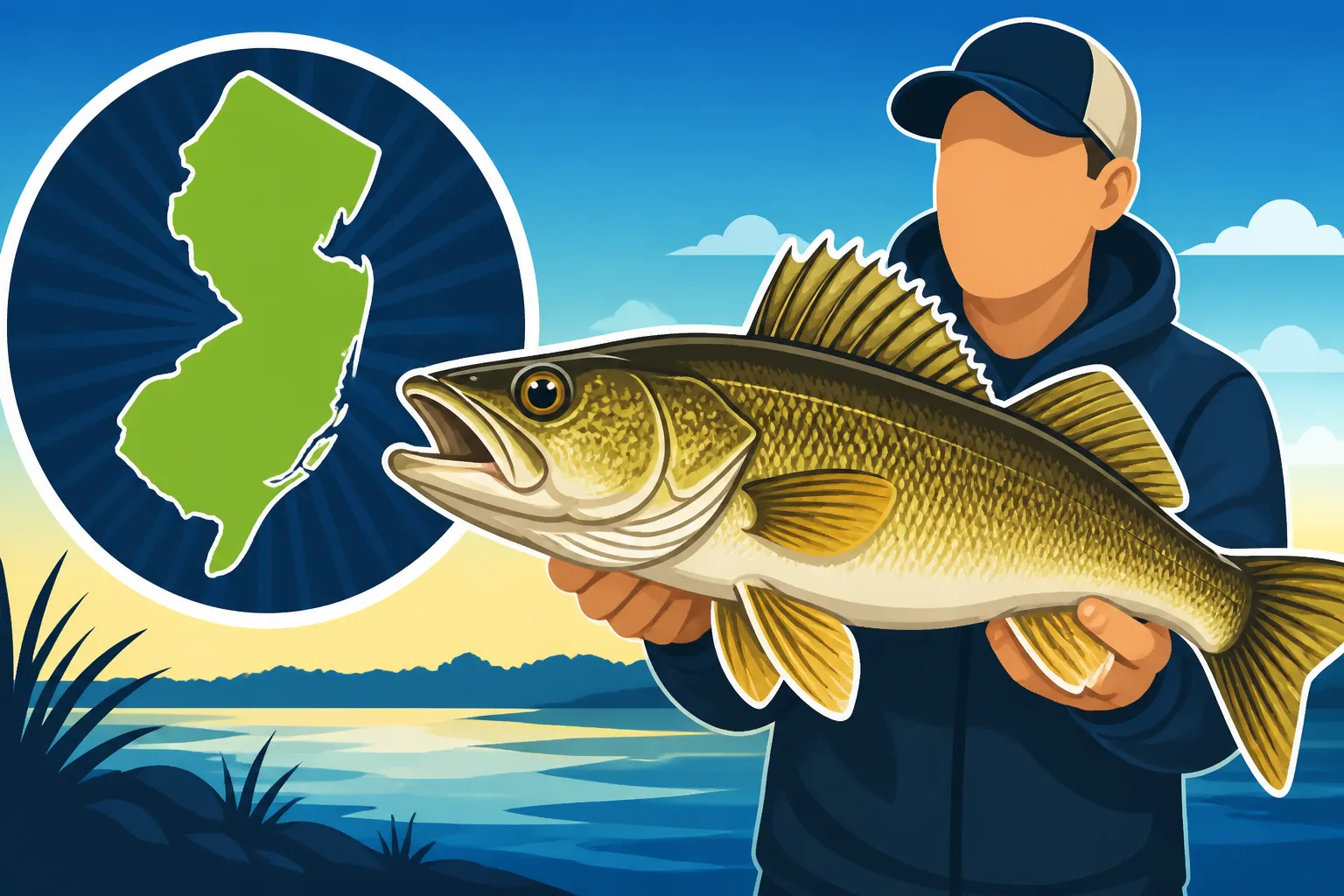
One of the most thrilling aspects of chasing walleye in New Jersey is the sheer mystery of what you might pull up. You've heard the stories, seen the photos, but what's a realistic expectation when it comes to the average weight of a walleye you're likely to encounter in our state? This guide is going to dive deep into what constitutes an "average" walleye here in New Jersey, the factors that influence their size, and what it truly means to hook into a trophy-sized fish.
Understanding Walleye Size in New Jersey Waters
When you're out on a New Jersey lake or river, hoping for that tell-tale tap of a walleye, it's natural to wonder about the size of the fish below. Unlike some other species that might have more consistent growth rates across different bodies of water, walleye can be a bit more variable, depending on where you're fishing and the conditions they live in. It's not just about luck; it's about understanding their environment.
The Typical Range: What to Expect
For most anglers in New Jersey, an "average" walleye often falls into the 1 to 3 pound range. These are solid, respectable fish that put up a good fight and are fantastic table fare. You'll find plenty of these fish in many of our state's walleye-stocked waters. They're the bread and butter of walleye fishing, and catching a few of these in an outing is definitely a successful day. They're big enough to be exciting, but not so rare that you feel like you need a special expedition to find one. Think of them as the reliable catch that makes a fishing trip worthwhile.
However, it's not uncommon to land walleye in the 4 to 6 pound bracket, especially if you're targeting specific bodies of water known for their healthier populations and better forage. These are the fish that really get your heart pumping and make you consider taking a photo before release. Anything above 6 pounds starts edging into "trophy" territory for many recreational anglers, and those are the ones that truly make a season memorable. Don't be surprised if you spend many trips catching those 1-3 pounders before you land one of these bigger beauties. It's all part of the game!
Factors Influencing Walleye Weight
The size and weight of a walleye aren't just random; they're heavily influenced by a cocktail of environmental and biological factors. Think of it like a fish's diet and lifestyle! The better the food, the more space, and the less competition, the bigger they tend to get.
| Factor | Impact on Walleye Weight |
|---|---|
| Forage Base | Abundant, high-quality baitfish (like alewife, gizzard shad, yellow perch) lead to faster growth and larger maximum sizes. Lakes with limited forage will produce smaller, leaner walleye. |
| Water Body Size | Larger lakes and reservoirs often provide more diverse habitats, deeper waters, and expansive foraging grounds, supporting older, heavier fish. Smaller ponds might have walleye, but usually not the true giants. |
| Water Quality | Clean, well-oxygenated water with stable temperatures is crucial for walleye health and growth. Pollution or extreme temperature fluctuations can stress fish and stunt their development. |
| Fishing Pressure | Heavily fished waters might see fewer large, older walleye as they are more likely to be harvested. Waters with stricter regulations or catch-and-release practices can allow fish to grow to impressive sizes. |
| Genetics | While less controllable by environmental factors, the genetic makeup of a walleye population plays a role in its potential for growth. Some strains simply grow larger than others. |
| Climate/Season Length | A longer growing season with warmer water temperatures (within their comfortable range) means more time for walleye to feed and grow before winter slows their metabolism. |
Consider a lake like Round Valley Reservoir, known for its deep, clear waters and cold-water species. While it holds some impressive trout, the walleye population might face different growth constraints compared to, say, a shallower, more fertile lake with a massive alewife population. A healthy population of baitfish is truly the biggest driver of bigger walleye. Without that abundant food source, even an old walleye might not reach its full potential. To find waters with a good forage base, it's always a good idea to consult the annual New Jersey Fish and Wildlife Digest.
Notable Walleye Catches and State Records
Every angler dreams of landing that once-in-a-lifetime fish, and with walleye, that often means setting your sights on a true giant. While the average catch is rewarding, understanding the potential for truly massive walleye in New Jersey can add an extra layer of excitement to your fishing adventures. It reminds us why we keep coming back to the water, rod in hand.
New Jersey's State Record Walleye: A True Giant
The current New Jersey state record walleye stands at a remarkable 13 pounds, 13 ounces. Imagine the fight that fish put up! This incredible catch demonstrates the absolute potential of walleye in our state's waters. While breaking a state record is an incredibly rare feat, knowing that such giants exist in our backyard is inspiring. This particular fish didn't just appear overnight; it grew over many years, feasting and navigating its environment until it became a true apex predator. The story of every state record fish is usually one of patience, dedication, and a little bit of good fortune, often involving an angler who truly understands the habits of the species they are targeting. You can learn more about this impressive fish and others by looking into What Is the New Jersey Walleye State Record?.
This record-breaking walleye wasn't caught just anywhere; it came from Monksville Reservoir, a body of water renowned for its walleye fishery. This isn't to say other lakes don't hold big fish, but certain locations consistently produce larger specimens due to their specific characteristics—ample forage, deep structure, and often, more protective management strategies. When you're dreaming of a record, these are the kinds of places you might start your research.
"Trophy" Walleye vs. Your Average Keeper
What one angler considers a "trophy" walleye might differ from another, but generally, anything over 6 to 8 pounds in New Jersey is widely regarded as a significant catch. These fish are typically older, wiser, and often much harder to fool. They've survived countless encounters with anglers and other predators, making them truly special. An average keeper, as we discussed, is usually in that 1 to 3 pound range—perfect for a meal, and a great fight, but not necessarily a "wall-hanger."
The pursuit of a trophy walleye often involves different tactics than simply catching a mess of smaller fish. It might mean fishing during specific times of year or day, using larger baits or lures, or focusing on deeper, more secluded areas where these older, bigger fish tend to hold. For example, during certain times, larger walleye might be found suspending over deeper water, feeding on schools of baitfish, requiring different boat positioning and lure presentations. Don't be afraid to experiment with bigger swimbaits or larger jigging spoons when you're specifically hunting for that once-in-a-lifetime fish. You might even want to check out various tackle options on Amazon to ensure you have the right gear for targeting bigger, tougher fish.
Where and How to Find Heavier Walleye in New Jersey
Landing a heavy walleye in New Jersey isn't just about showing up at a lake; it's about understanding their preferred habitats and employing the right techniques. Walleye are creatures of habit, often favoring specific conditions that cater to their predatory instincts and sensitivity to light. Knowing where they like to hang out and what makes them bite is half the battle.
Key Walleye Habitats: Lakes and Rivers
In New Jersey, walleye thrive in specific freshwater environments. Lakes and reservoirs with good depth, clear to moderately stained water, and a healthy population of baitfish are prime locations. Bodies of water like Monksville Reservoir, Lake Hopatcong, and Swartswood Lake are well-known for their walleye populations, and these are the places where you're more likely to encounter larger, heavier fish. These waters often feature extensive structure – submerged humps, rock piles, drop-offs, and old creek channels – which walleye utilize for ambush points and cover. For a comprehensive overview, explore New Jersey Walleye Fishing Waters.
Beyond lakes, some of New Jersey's larger rivers, particularly stretches of the Delaware River, can also hold good numbers of walleye. River walleye often behave a bit differently than their lake-dwelling cousins, adapting to current and finding holding spots behind rocks, in deeper holes, or near current breaks. The availability of food and suitable spawning grounds are critical in both lake and river systems. Regularly checking the New Jersey Freshwater Fishing Regulations Every Angler Should Know can help you understand specific rules for different bodies of water.
Techniques for Targeting Larger Walleye
Catching a heavier walleye often requires a slightly more refined approach than simply casting and reeling. Bigger fish are smarter fish, and they can be more particular about what they'll strike. Here are a few techniques that tend to work well:
- Trolling Deep Diving Crankbaits: This is a fantastic method for covering a lot of water and finding active fish, especially in larger lakes. Use lures that dive to the depth where you're marking fish or structure. The vibration and profile of a good crankbait can entice even a wary walleye. Make sure your rods are sturdy enough to handle the stress of trolling. You can find a wide selection of quality trolling gear, including deep-diving crankbaits and specialized rod holders, on Amazon.
- Jigging with Live Bait or Soft Plastics: For pinpoint accuracy on structure or in deeper holes, jigging is tough to beat. Tipping a lead head jig with a live shiner, fathead minnow, or a soft plastic swimbait can be incredibly effective. Walleye often hold tight to bottom structure, and a vertical presentation can put your bait right in their strike zone.
- Slip Bobber Fishing with Live Bait: When walleye are suspended or holding in specific areas, a slip bobber rig allows you to present live bait (like a large shiner or sucker minnow) at a precise depth. This method is often preferred during low-light conditions or when fish are less active. It's a subtle approach that can tempt the pickiest of fish.
- Night Fishing: Walleye have excellent low-light vision, making them particularly active after dark. Many of the largest walleye are caught by anglers who brave the night. Focus on shallower flats, points, and structural elements that walleye move onto to feed under the cover of darkness. Remember to always bring a headlamp and be aware of your surroundings when fishing at night.
Regardless of the technique, pay close attention to your electronics. A good fish finder can help you locate schools of baitfish, identify deep structure, and even mark individual walleye. Being observant and adaptable to conditions are key traits of successful walleye anglers. It's also wise to know New Jersey Fishing Season Dates and Closures for walleye and other species you might encounter.
Managing Expectations and Enjoying the Catch
Let's be real, not every fishing trip is going to yield a state record. Most days, you're going to catch average-sized fish, and sometimes, you might even get skunked. But that's okay! Fishing is about so much more than just the weight of your biggest catch. It's about the experience, the challenge, and the connection to the outdoors. Especially with walleye, which can be notoriously finicky, every fish is a victory.
The Thrill of the Fight Beyond Just Weight
While the bragging rights of a heavy walleye are certainly sweet, don't underestimate the thrill of the fight, regardless of the fish's size. A 3-pound walleye, especially in current or when hooked on lighter tackle, can provide an exhilarating battle. Their powerful runs and headshakes are distinct and satisfying. The sudden strike, the bent rod, and the anticipation as you reel it in are what keep us coming back. It’s the process of fishing, the knowledge gained, and the moments spent on the water that truly enrich the experience.
Think about the satisfaction of figuring out a pattern, presenting the perfect bait, and feeling that tell-tale thump as a walleye inhales your offering. That's a feeling that transcends the numbers on a scale. Whether it’s a modest keeper or a trophy, the fight itself is a testament to your skill and the fish's wild spirit. Plus, there's always the chance that the next cast could bring that personal best! Having reliable gear, like a good quality spinning rod and reel combo that you can find on Amazon, definitely enhances the experience of every fight, big or small. You'll also want to be familiar with How Many Fishing Rods Can You Use at Once in New Jersey? to ensure you're fishing legally.
Conservation and Sustainable Walleye Fishing
As anglers, we have a responsibility to protect the resources we enjoy. Sustainable fishing practices are vital for ensuring that future generations can experience the same excitement of catching walleye in New Jersey. This means respecting How Bag and Size Limits Work in New Jersey, adhering to specific season dates, and considering catch and release, especially for larger breeding-size fish. Those big walleye are the genetic backbone of a healthy population.
The New Jersey Division of Fish and Wildlife works hard to manage walleye populations through stocking programs and regulations. By doing our part, we contribute to the longevity of this fantastic fishery. If you do decide to release a walleye, handle it gently and quickly, ensuring it has the best chance of survival. Learning proper catch and release techniques is just as important as learning how to catch them. After all, the heaviest walleye you catch might be one that you release to grow even bigger, or to spawn and contribute to the next generation of fish. Remember to always have your New Jersey Fishing License Guide for 2026 in order before you even cast a line.
Disclaimer
This article is for general informational purposes only and does not constitute professional advice. Laws, prices and regulations vary by location and change over time. Consult a qualified professional for guidance on your specific situation.