Do Tautog Move Offshore in Winter?
Many New Jersey anglers wonder what happens to their beloved tautog once the biting winds of winter sweep across the coast and water temperatures plummet. It’s a common frustration to see the inshore bite fade, leaving you questioning whether these tenacious "blackfish" simply disappear or if they just move to a secret hideout. This comprehensive guide will pull back the curtain on the winter whereabouts of tautog, revealing their seasonal habits and offering insights into how and where to find them even when the mercury drops.
Understanding Tautog and Their Habitat Preferences
Tautog, often affectionately called "tog" or "blackfish," are one of New Jersey's most sought-after winter and shoulder-season species. What makes them so special is their strong affinity for structure and their notoriously hard-hitting, yet sometimes subtle, bite. Understanding their basic biology is key to unlocking their winter movements.
The Benthic Lifestyle of Tautog
Tautog are true benthic dwellers, meaning they spend their lives primarily on or near the seabed. They aren't fish that chase schools of baitfish across open water. Instead, they patrol rocky bottom, wrecks, reefs, and any other hard structure, searching for their next meal. Their diet consists almost entirely of crustaceans and shellfish – think crabs, mussels, barnacles, and small clams. They have powerful jaws and crushing teeth, perfectly adapted for prying these delicacies off rocks or cracking their shells. This dietary preference ties directly into their habitat; if there's no hard structure to support these invertebrates, there's generally no tautog. It’s a simple equation for these fish, making them incredibly predictable once you know where the good bottom is located.
Why Structure is Everything for Tautog
For tautog, structure isn't just a place to find food; it's home, shelter, and a strategic advantage against predators and strong currents. Whether it's a natural rockpile that has existed for millennia, a sunken shipwreck from a bygone era, or man-made features like bridge pilings and jetties, if it offers nooks, crannies, and an abundance of invertebrate life, you'll likely find tog. This reliance on structure means they don't wander far from these havens. During colder months, their need for stable, food-rich environments becomes even more pronounced, guiding their movements to deeper, more consistent structures where conditions are less volatile. Understanding this fundamental preference is the first step in tracking their winter migration. Tautog Fishing in New Jersey goes into more detail about general strategies for these fish throughout the year.
The Truth About Tautog Winter Movements in New Jersey
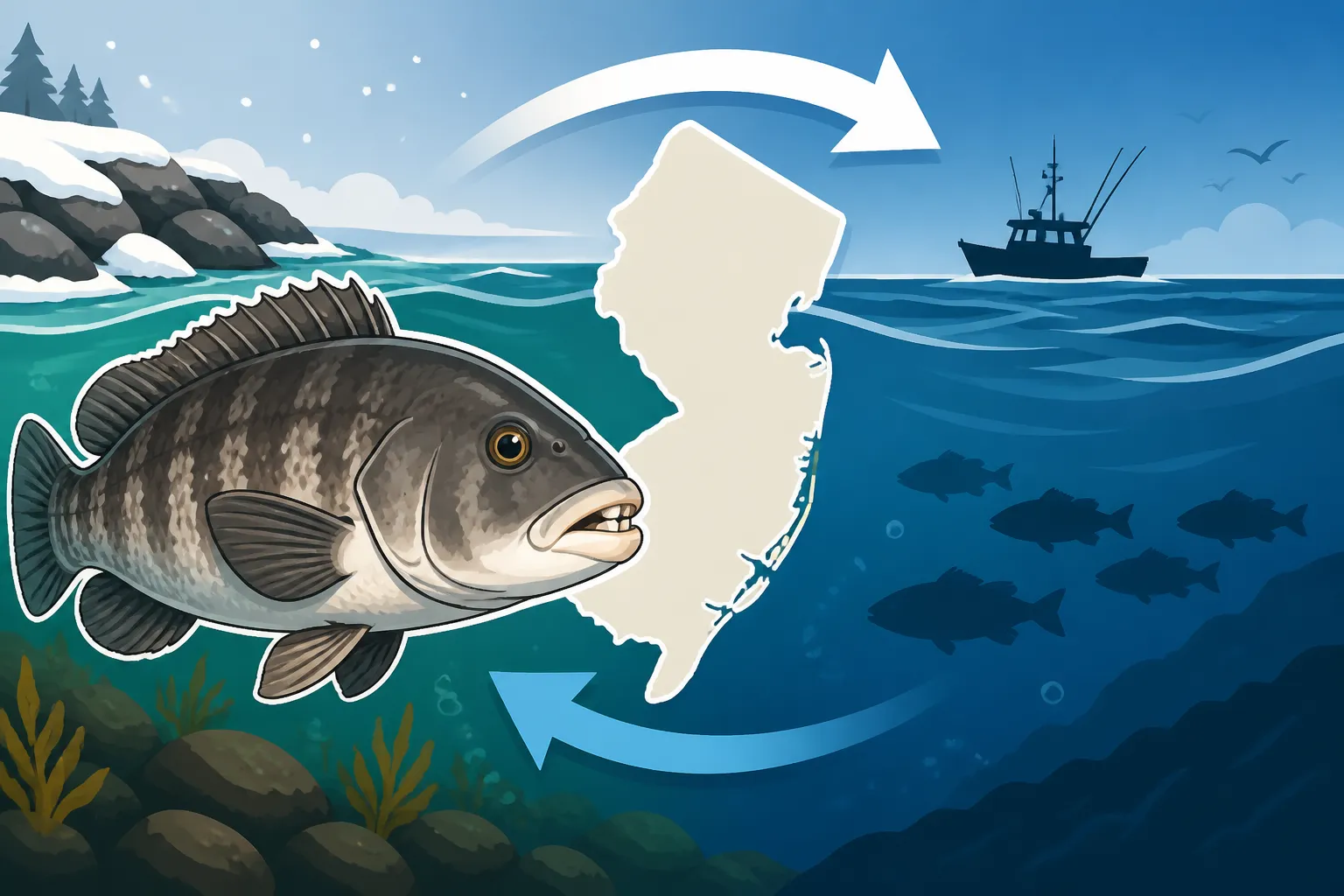
The short answer to the burning question, "Do tautog move offshore in winter?" is a resounding yes, for many of them. While not every single tautog vacates the inshore waters entirely, a significant portion undertakes a journey to deeper, more stable environments as winter tightens its grip on the Jersey Shore.
The Offshore Migration Pattern
As the calendar pages turn from late fall to early winter, and New Jersey's coastal water temperatures begin to drop steadily into the low 40s Fahrenheit and below, a noticeable shift occurs in tautog behavior. They start to vacate shallower bays, estuaries, and even some of the closer-to-shore rockpiles. This isn't a random disappearing act; it's a calculated migration driven by their physiology and survival instincts. Colder water slows down their metabolism, and they seek out areas where the water temperature is more stable and often a few degrees warmer, typically found at deeper depths.
Their destination? The myriad of offshore wrecks, reefs, and rocky bottom structures that lie anywhere from a few miles to twenty or more miles off the coast. These deepwater havens provide a sanctuary where temperatures fluctuate less dramatically and where food sources, primarily crabs and other crustaceans, remain accessible. This offshore movement is a key part of their annual cycle, ensuring they can overwinter in comfort before returning to shallower waters in the spring. Understanding this pattern is crucial for any angler hoping to extend their tautog season.
Not All Tautog Move the Same
It's important to recognize that while a general offshore migration is a common behavior, individual tautog, and even different populations, can exhibit variations. Not every single tog will head for the deep canyon wrecks. Some tautog, especially smaller, resident fish, might simply move to the deepest available structure within large inlets, harbors, or main channels that offer some thermal stability. Think of deep holes around bridge pilings or the very end of long jetties that drop off into significant depths. These inshore holdovers are harder to find and typically represent a smaller percentage of the overall population, but they do exist.
Furthermore, the size and age of the fish can play a role. Larger, more mature tautog tend to undertake more pronounced migrations to offshore grounds, possibly due to their greater energy reserves for travel and their preference for larger, more stable feeding grounds. Younger fish might stick closer to home, finding refuge in nearby deeper pockets. So, while the broad strokes paint a picture of an offshore exodus, the details reveal a more nuanced reality where some tautog, especially in certain regions or specific structures, might just be a little harder to reach, rather than entirely gone.
Where to Find Tautog During the Colder Months
Now that we know tautog generally seek deeper, more stable waters in winter, the next logical question is: where, specifically, do you find them? The answer largely depends on whether you have access to a boat and are willing to venture offshore, or if you're limited to fishing from shore.
Targeting Offshore Wrecks and Reefs
For many dedicated tautog anglers, winter fishing means venturing offshore to hunt the countless wrecks, artificial reefs, and natural rockpiles that dot the New Jersey seabed. These structures, often in depths ranging from 50 to 150 feet or more, become critical wintering grounds. The consistent temperature and abundant food supply make them magnets for tautog seeking refuge from the cold. Charter boats and private vessels equipped with good sonar and GPS are essential for finding and precisely anchoring over these submerged targets. It's not enough to just be in the general area; you need to be right on the structure.
Fishing these spots often involves heavy sinkers to hold bottom in strong currents and specialized gear to battle these powerful fish in tight quarters. You'll typically find not just tautog, but also other structure-loving species like New Jersey Black Sea Bass Season and Limits and sometimes even cod, depending on the specific wreck and depth. The reward for braving the colder weather and longer boat rides can be truly epic catches of large, often trophy-sized, tautog. Many anglers opt for New Jersey Winter Wreck Fishing Charters to access these prime spots safely and efficiently.
Deeper Inshore Channels and Structure
While the bulk of the tautog population heads offshore, some fish will utilize deeper inshore areas as their winter refuge. These are typically places like the deepest sections of major inlets, harbor channels, or areas where rivers meet bays and create significant depth variations. The key here is "deep" and "structure." A 30-foot hole next to a bridge piling in a historically productive inlet, for instance, might hold a contingent of tautog, especially during milder winters or early and late winter periods.
Fishing these spots often requires more localized knowledge and a boat nimble enough to position precisely, or dedicated shore-based efforts targeting specific deepwater access points. Strong currents are often a factor in these areas, so you'll still need appropriate tackle. While these inshore holdovers might not offer the numbers or size potential of offshore wrecks, they present a viable, and often more accessible, option for anglers who can't make the long run out to sea. Good examples of these areas could be sections of Manasquan Inlet Fishing Guide or the deeper pockets within the Point Pleasant Canal Fishing Guide, where natural and man-made structures create ideal holding grounds.
Gear and Techniques for Winter Tautog Fishing
Successfully targeting tautog in the colder months, whether inshore or offshore, often requires a bit of specialized gear and a refined technique. The fish are still there, but they can be a bit more lethargic and their bites more subtle due to the colder water.
Specialized Tackle for Cold Water Tog
When the water is cold, tautog aren't always in an aggressive feeding mood, making their bites incredibly light, often feeling like nothing more than a gentle tap or a slight increase in rod pressure. This demands sensitive yet powerful tackle. A stout, fast-action rod with a sensitive tip is crucial for detecting those subtle takes. Many anglers opt for rods in the 7 to 8-foot range, with a medium-heavy to heavy power to handle the heavier sinkers required in deeper, stronger currents, and to muscle a big tog away from structure. Paired with a conventional reel spooled with 40-60 pound braided line and a fluorocarbon leader of similar strength, you'll have the power and sensitivity needed.
Using braided line is a game-changer for tog fishing because it has virtually no stretch, transmitting even the faintest bite directly to your hands. When tying your rigs, ensure all knots are strong and secure. Items like heavy-duty hooks, sufficient lead weights (often 8 to 16 ounces or more depending on current and depth), and a good knife for cutting bait are essential. You can find a wide array of specialized tautog rods, reels, and lines on platforms like Amazon, often with reviews from fellow anglers detailing their performance. While this isn't exactly a Best New Jersey Fishing Gear for Beginners article, the principles of reliable, purpose-built gear are universal.
Baits and Presentation in Winter
The diet of tautog remains consistent throughout the year – they're crab and shellfish eaters – but in winter, presentation becomes even more critical. Fresh bait is paramount. Green crabs are the undisputed king of tautog baits, followed closely by white leg crabs, fiddler crabs, and even sometimes hermit crabs. Cutting larger crabs into halves or quarters, ensuring a leg or two remains attached, increases the scent trail and makes it easier for the tog to get the bait into their mouths. Best Bait for Tautog: Green Crab or White Leg Crab? delves deeper into this topic.
The key technique for winter tog is often a patient, methodical approach. Drop your rig directly onto the structure, allowing the sinker to make contact with the bottom. Hold your rod steady, feeling for the slightest tap. When you feel a bite, don't necessarily set the hook immediately. Tautog are notorious for mouthing the bait before committing. Often, a slow lift of the rod tip or a slight pause is enough to coax them into taking the hook. You need to be ready for the instant, powerful head shake when they do commit, as they'll try to dive back into the structure, and that's often when the fight is lost. Keeping your bait right on the structure, not a foot above it, is crucial, as tog rarely suspend far from their rocky homes.
Here's a quick comparison of inshore versus offshore winter tautog fishing:
| Feature | Inshore Winter Tautog Fishing | Offshore Winter Tautog Fishing |
|---|---|---|
| Location | Deep pockets of inlets, channels, main rivers, bridge pilings | Offshore wrecks, artificial reefs, natural rockpiles |
| Depth | 20-60 feet typically | 50-150+ feet typically |
| Boat Access | Small boats, kayaks, sometimes shore access from specific points | Larger, offshore-capable boats; private or charter (e.g., New Jersey Deep Sea Fishing Charters) |
| Target Fish Size | Mixed, often smaller to medium-sized fish | Often larger, trophy-sized fish |
| Conditions | Less susceptible to heavy seas, but currents can be strong | Highly weather-dependent, can be rough and cold |
| Tackle Needs | Sensitive rod, medium-heavy power, 4-10 oz sinkers | Sensitive rod, heavy power, 8-20 oz sinkers, stronger lines |
| Effort/Reward | More accessible, but fewer fish; good for dedicated local anglers | Higher effort/cost, but potential for many large fish; full-day trip |
Ultimately, whether you decide to chase them in the deep, frigid waters offshore or try your luck in a sheltered, deep inshore pocket, fishing for tautog in winter is a challenging but incredibly rewarding pursuit for the dedicated New Jersey angler. It requires patience, persistence, and the right approach, but the thrill of landing a hefty blackfish in the heart of winter is unmatched.
Disclaimer
This article is for general informational purposes only and does not constitute professional advice. Laws, prices and regulations vary by location and change over time. Consult a qualified professional for guidance on your specific situation.