Best New Jersey Fishing Guides for Freshwater Lakes
It's incredibly frustrating when you're itching to explore New Jersey's fantastic freshwater fisheries but feel lost without local knowledge or the right gear. Many anglers dream of targeting trophy bass, elusive muskie, or fat trout in our state's beautiful lakes and reservoirs, but just don't know where to start or how to unlock those secret spots. This comprehensive guide is here to alleviate that stress by walking you through everything you need to know about finding and hiring the best freshwater fishing guides in New Jersey, ensuring your next outing is both productive and incredibly rewarding.
Why Hire a Freshwater Fishing Guide in New Jersey?
Picture this: you've got a free Saturday, the weather's perfect, and you're at the boat ramp, excited to hit the water. But then you realize you're staring at a massive lake, unfamiliar with its contours, depths, or where the fish might be hiding. Suddenly, that excitement turns into a bit of apprehension, and before you know it, half the day is gone just trying to figure things out. This is precisely where a skilled freshwater fishing guide becomes an absolute game-changer in New Jersey. They're not just taking you for a boat ride; they're providing an invaluable shortcut to success and a deeper understanding of our diverse freshwater ecosystems.
Navigating Unfamiliar Waters
New Jersey's freshwater lakes and reservoirs, from the sprawling expanse of Lake Hopatcong to the deep, clear waters of Round Valley Reservoir, can be intimidatingly large and complex. Each body of water has its own unique underwater structure, hidden humps, rocky points, deep channels, and weed lines that hold fish at different times of the year and under varying conditions. Trying to learn these nuances on your own can take years of trial and error, often leading to frustrating days with little to show for your efforts.
A good guide has spent countless hours on their home water, meticulously mapping out these features with their electronics and, more importantly, through direct experience. They know precisely where the thermocline sits on a hot summer day, which submerged timber provides cover for largemouth bass, or where the smallmouth stack up on offshore humps. This intimate knowledge means you spend less time searching and more time with your line in productive water, drastically increasing your chances of a successful and enjoyable trip. They'll position the boat perfectly, pointing out key features on their sonar and explaining why they're important, transforming a potentially confusing experience into an educational one.
Mastering Specific Species
Each freshwater species, whether it's the aggressive largemouth bass, the powerful muskie, the subtle crappie, or the finicky trout, demands its own set of techniques, lures, and seasonal strategies. What works for bass in the spring won't necessarily entice a walleye in the fall, and the subtle bite of a lake trout in deep water is a world away from the smash-and-grab of a surface-feeding pickerel. Unless you've dedicated significant time to understanding these specific behaviors, you might find yourself ill-equipped to target your desired catch effectively.
Hiring a guide specializing in a particular species means you're tapping into a wealth of focused expertise. Want to catch a trophy muskie on Greenwood Lake? A muskie guide will have the heavy tackle, oversized lures, and understanding of these predatory fish's habits to put you in the best position. Dreaming of a limit of plump crappie for dinner? A panfish specialist knows the brush piles and docks where they congregate. Guides often dedicate their entire careers to perfecting the art of catching one or two target species, meaning they're up-to-date on the latest patterns, bait choices, and presentation methods.
Learning Advanced Techniques
Fishing, especially modern freshwater fishing, is a skill-based pursuit that constantly evolves. From understanding the intricate displays on a fish finder to mastering various casting techniques, knot tying, and lure presentations, there's always something new to learn. For many anglers, the initial learning curve can be steep, and without direct instruction, it's easy to develop habits that hinder success rather than help it.
A guided trip is an incredible opportunity for hands-on learning. Instead of just trying to imitate what you see in online videos, your guide can provide real-time feedback and demonstrations. They'll show you how to properly work a jig for smallmouth bass, how to read your electronics to identify fish and structure, or how to set the hook effectively. Many guides are excellent teachers, breaking down complex techniques into understandable steps. They'll explain why certain baits are chosen, how to present them, and when to adjust your approach based on conditions. It's like having a private fishing tutor right there with you, accelerating your learning curve dramatically.
Maximizing Your Time on the Water
Let's be honest, time is precious. For most of us, fishing trips are a cherished escape from daily life, and we want to make every moment count. Wasting hours driving around the lake, trying different spots, or rigging up the wrong tackle can quickly diminish the enjoyment of your limited fishing time. This is where a guide’s efficiency truly shines, ensuring you get the most out of your excursion.
From the moment you step on the boat, a good guide has a plan. They’ve already checked the latest conditions, considered recent catch reports, and formulated a strategy to put you on fish. Their boat is typically fully equipped with high-end rods, reels, and a vast array of proven lures and baits, saving you the expense and hassle of acquiring your own specialized gear. This means less time fumbling with tackle boxes and more time actually fishing. You're paying for their expertise and efficiency, and they deliver by cutting out the guesswork and directing your efforts to the most promising locations. This allows you to relax, enjoy the scenery, and focus solely on the thrill of the catch, knowing that every moment on the water is optimized for success.
What to Look For in a New Jersey Freshwater Fishing Guide
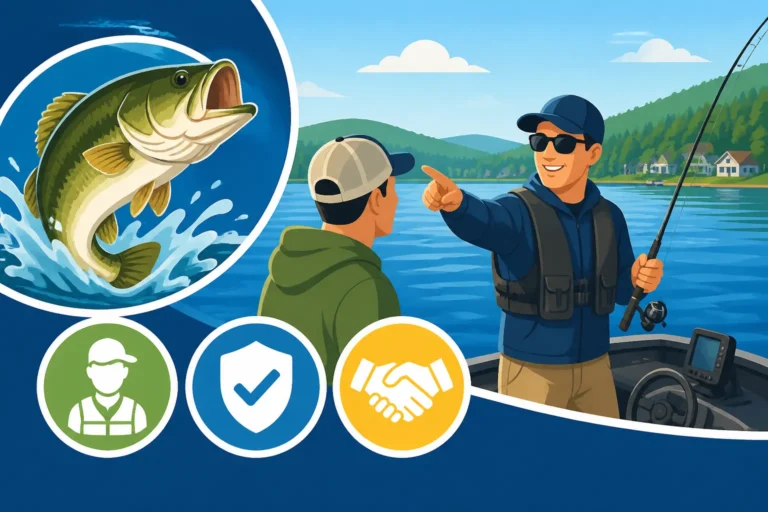
Choosing the right freshwater fishing guide in New Jersey is a lot like choosing a mechanic or any other service professional – you want someone competent, trustworthy, and who genuinely understands what they're doing. It’s not just about booking the first person you find; it’s about finding a guide who matches your expectations, targets, and fishing style. Making an informed decision upfront can truly make the difference between a memorable day on the water and a disappointing one.
Local Expertise and Experience
This is arguably the most crucial factor when selecting a freshwater guide. New Jersey boasts a diverse range of freshwater environments, and what makes someone an excellent guide on the Delaware River for smallmouth bass might not translate to success on Lake Hopatcong for muskie. You need a guide who has dedicated a significant portion of their career, or at least a substantial amount of time, to the specific lake or river you plan to fish.
Look for guides who not only fish the waters regularly but also live nearby and are truly embedded in the local angling community. They'll have a deep understanding of seasonal patterns, water levels, specific baitfish movements, and even subtle changes in weather that impact fish behavior. Ask about their years of experience on that particular body of water and their success rates for your target species. A guide who can tell you intricate details about the lake's history, its unique underwater structure, and where a specific species spawns is far more valuable than someone who just generally fishes "freshwater." You want someone who knows the hidden coves of Lake Hopatcong Bass Fishing Hotspots or the deep ledges of Round Valley Reservoir Lake Trout Fishing like the back of their hand.
Proper Licensing and Insurance
While it might seem obvious, ensuring your guide is properly licensed and insured is non-negotiable for your safety and peace of mind. Operating a fishing charter or guide service in New Jersey, or anywhere for that matter, requires specific federal and state certifications. This isn't just bureaucratic red tape; it's about confirming that your guide has met certain standards of competence, safety, and legal operation.
For example, a captain operating a for-hire vessel carrying passengers must possess a U.S. Coast Guard (USCG) Captain's License. This license ensures they have undergone rigorous training in navigation, safety, first aid, and emergency procedures. Additionally, a reputable guide will carry liability insurance to protect both themselves and their clients in the unlikely event of an accident. Don't be afraid to ask for proof of their USCG license and insurance. A professional guide will be happy to provide it, as it speaks to their legitimacy and commitment to safety. This is a critical aspect of ensuring a worry-free experience on the water, especially when dealing with unforeseen circumstances.
Equipment and Boat Quality
The quality and suitability of a guide's equipment can significantly impact your fishing experience. Imagine trying to chase muskie with flimsy ultralight gear, or drift-fishing for crappie from a massive offshore boat – it just doesn't work. A dedicated freshwater guide will have a boat specifically designed for lake and river fishing, equipped with modern electronics, a reliable motor, and comfortable seating.
Their tackle should be top-notch, well-maintained, and appropriate for the species you're targeting. This includes a variety of rods and reels for different techniques, a wide selection of lures and baits (both artificial and live), and all the necessary accessories like nets, pliers, and first-aid kits. A clean, organized boat that is regularly serviced is a sign of a professional operation. Pay attention to the details: are the rod guides intact? Are the reels smooth? Does the boat appear well-maintained and safe? While you don't need the absolute newest gear, everything should be in excellent working order, providing a comfortable and effective platform for your day of fishing.
Communication and Teaching Style
Beyond just putting you on fish, a truly great guide is also an excellent communicator and teacher. For many anglers, a guided trip isn't just about catching fish; it's about learning and improving their own skills. If you're looking to learn, you need a guide who is patient, articulate, and willing to share their knowledge without being condescending or impatient.
During your initial conversations, pay attention to how they explain their services, answer your questions, and discuss their approach to fishing. Do they seem eager to teach, or do they just want to get you on the water? On the trip itself, a good guide will explain why they're doing what they're doing, offer tips on casting or retrieve, and encourage questions. They should be able to adapt their teaching style to your experience level, whether you're a complete novice needing hands-on instruction or an experienced angler looking to refine specific techniques. Ultimately, you want a guide who is not only a great fisherman but also someone you enjoy spending several hours with on the water.
Top Freshwater Lakes in New Jersey and Their Guide Specialties
New Jersey's freshwater landscape might not be as vast as some states, but what it lacks in sheer size, it more than makes up for in variety and quality. From large, glacial lakes nestled in the northern mountains to sprawling reservoirs that feed our metropolitan areas, there are incredible opportunities for freshwater angling. Each of these bodies of water often attracts guides who specialize in its unique challenges and target species, making it crucial to know which lake aligns best with your fishing goals.
Lake Hopatcong
As the largest freshwater lake in New Jersey, Lake Hopatcong is an absolute gem, offering a truly diverse fishery. Located in Sussex and Morris counties, this expansive lake spans over 2,500 acres and is a popular destination for both recreational boaters and serious anglers. Because of its size and variety of habitats, it's a prime spot for hiring a guide. If you're looking for a guide on this lake, they'll likely specialize in a few key species.
Lake Hopatcong is renowned for its excellent largemouth and smallmouth bass fishing. Guides here are experts at navigating the lake's numerous coves, weed beds, rocky points, and docks, knowing exactly where the bass stage during different seasons. They'll use a range of techniques from flipping jigs into heavy cover to throwing crankbaits and topwater lures. Beyond bass, Lake Hopatcong also holds a healthy population of muskie, a true trophy fish that requires specialized heavy tackle and immense patience. Guides targeting muskie often employ large bucktails, crankbaits, or even live bait, spending hours meticulously casting to known muskie haunts. Walleye are another popular target, particularly in the deeper, open water sections, and guides will often use trolling or jigging techniques to find these elusive fish. For those interested, you can often find dedicated guides for Lake Hopatcong Bass Fishing Hotspots or even Greenwood Lake Muskie Fishing Guide if you want to expand your muskie search. Many guides who operate on Lake Hopatcong also list their services on platforms like FishingBooker, making it easier to compare their specialties and availability.
Round Valley Reservoir
Deep, clear, and strikingly beautiful, Round Valley Reservoir is a completely different beast from Lake Hopatcong. This hunterdon County reservoir is famous for its crystal-clear, deep waters and its unique cold-water fishery. If you're heading to Round Valley, your guide will almost certainly be focused on its prized inhabitants: lake trout and smallmouth bass.
Lake trout thrive in Round Valley's deep, cold environment, and guides here are masters of deep-water trolling, jigging, and downrigging techniques to target these powerful fish that often hold at considerable depths. They'll have specialized sonar to locate the thermocline and identify baitfish schools, guiding you to where the lake trout are feeding. Smallmouth bass also flourish in Round Valley's rocky, clear waters. Guides will often focus on the reservoir's extensive rocky points, drop-offs, and submerged structures, using finesse techniques like drop-shotting, or power fishing with crankbaits and jerkbaits to entice these hard-fighting bronzebacks. Fishing Round Valley with an experienced guide, especially for Round Valley Reservoir Lake Trout Fishing, is highly recommended due to the reservoir's challenging depths and the specialized techniques required.
Spruce Run Reservoir
Another fantastic option for freshwater guides, Spruce Run Reservoir in Hunterdon County offers a more diverse warm-water fishery, making it a great choice if you're looking for a wider variety of species beyond just bass and trout. This reservoir is known for its impressive populations of hybrid striped bass, along with catfish and a good number of panfish.
Guides operating on Spruce Run often specialize in targeting the hard-fighting hybrid stripers, which offer an incredible battle on lighter tackle. They'll employ methods like trolling with artificial lures, chunking bait, or even casting topwater baits during aggressive feeding frenzies. Catfish, particularly channel catfish, are abundant here, and guides will know the best deep holes and flats for setting up bottom-fishing rigs with stink baits or cut bait. Beyond these, the reservoir holds good populations of crappie and perch, providing excellent opportunities for lighter tackle fishing and a fantastic option for family-friendly trips. An experienced guide for Spruce Run Reservoir Fishing Guide can introduce you to the unique patterns of these species, ensuring you have a productive and enjoyable day exploring this versatile fishery.
Monksville Reservoir
Nestled in the picturesque Highlands region of Passaic County, Monksville Reservoir is a serene and often overlooked gem that offers excellent fishing, particularly for smallmouth bass and crappie. Its relatively undeveloped shoreline and clear waters provide a beautiful backdrop for a guided trip.
Guides on Monksville typically focus on its robust smallmouth bass population. They'll navigate the reservoir's rocky shorelines, submerged humps, and deep drop-offs, often employing finesse techniques like drop-shotting, tubes, or small jigs to entice the resident smallies. The clear water also makes sight fishing a possibility during certain times of the year. Crappie fishing is another highlight here, with guides knowing the locations of submerged brush piles, timber, and dock structures where these panfish congregate. Light tackle, small jigs, and live minnows are often the go-to for filling a cooler with tasty crappie. For an intimate smallmouth or crappie experience away from the crowds, a Monksville Reservoir Fishing Guide can offer a truly rewarding day.
Greenwood Lake
Straddling the border between New Jersey and New York, Greenwood Lake is a long, narrow lake known for its significant populations of muskie, bass, and walleye. It's a prime destination for anglers seeking a real challenge, particularly when it comes to the toothy predators.
Muskie guides are perhaps the most sought after on Greenwood Lake, given the lake's reputation for producing impressive specimens. These guides come prepared with heavy gear, massive lures, and an incredible amount of patience, targeting the lake's extensive weed lines, rocky points, and deep channels where muskie ambush their prey. You'll also find guides specializing in largemouth and smallmouth bass, who are adept at navigating the lake's varying depths and structures. Walleye are another popular target, particularly in the deeper sections and around the abundant baitfish schools. A guide familiar with Greenwood Lake Muskie Fishing Guide will significantly increase your chances of hooking into one of these freshwater giants, making it an unforgettable experience.
Delaware River Freshwater Sections
While the Delaware River is known for its immense length, the freshwater sections that border New Jersey offer incredible smallmouth bass and shad fishing opportunities, particularly from dingmans ferry down to Trenton. This is a riverine experience rather than a lake, presenting unique challenges and rewards.
Guides on the freshwater Delaware are typically focused on smallmouth bass, which are abundant and feisty throughout the river's rocky stretches, eddies, and current seams. These guides often operate out of jet boats or drift boats, allowing them to navigate the shallower, rockier areas that hold smallies. They'll use a variety of techniques, including throwing crankbaits, spinnerbaits, tube jigs, and soft plastics, often emphasizing precise casting into current breaks. During the spring, the Delaware River also experiences spectacular American shad runs, and guides can offer exhilarating trips targeting these acrobatic fish on light tackle and small darts or spoons. For a truly unique river fishing adventure, especially for Delaware River Smallmouth Bass Fishing, a specialized guide is invaluable for navigating the currents and understanding the river's dynamic ecosystem.
Different Types of Freshwater Guide Trips Available
When you decide to book a freshwater fishing guide in New Jersey, you'll quickly realize that "a fishing trip" isn't a one-size-fits-all experience. Guides often tailor their offerings to different durations, target species, and client experience levels. Understanding these various trip types can help you choose the perfect outing that aligns with your budget, energy levels, and angling aspirations. It's about finding the adventure that best suits what you're hoping to get out of your day on the water.
Half-Day vs. Full-Day Excursions
The most common distinction you'll encounter is between half-day and full-day trips. This choice often boils down to balancing your time, budget, and how much intensive fishing you're looking for. A half-day trip typically runs for 4-5 hours, while a full-day trip usually lasts 7-9 hours.
Half-day trips are fantastic for beginners, families with younger children, or those with limited time or budget. They provide a solid introduction to the lake and its fishing without being overly exhausting. You'll still get plenty of opportunities to catch fish and learn, but with a less intense schedule. They're often ideal for trying out a new lake or species without committing to a full day. On the other hand, full-day excursions are perfect for serious anglers, those looking to cover more water, or when targeting more challenging species like muskie or lake trout that require more time and patience. A full day allows the guide to explore different areas, adapt to changing conditions, and employ a wider range of techniques. It provides a more immersive experience and often increases your chances of landing a trophy. While more expensive, the extended time can be invaluable for both fishing and learning.
Specialized Species Trips
Many freshwater guides in New Jersey focus intensely on one or two specific species, honing their craft to consistently put clients on those particular fish. If you have a specific target in mind, such as a monster muskie or a limit of panfish, seeking out a guide with a specialized trip is the way to go.
For example, a "Muskie Madness" trip might involve extensive casting with heavy gear, covering vast amounts of water in search of that one elusive bite, often requiring a full day due to the nature of the beast. A "Bass Blitz" trip might involve targeting largemouth or smallmouth bass with various techniques, adapting to conditions to find the most active fish. Other guides might offer "Trout Trek" trips focusing on the stocked trout of the spring season or the more elusive holdover trout in deeper lakes. These specialized trips often mean the guide has all the necessary, high-end tackle, specific knowledge of seasonal patterns for that species, and a laser focus on achieving your particular angling goal. It's a highly efficient way to pursue a specific dream catch.
Family-Friendly and Beginner Trips
For many people, introducing children or new anglers to the sport is a primary goal, and for that, you need a patient and accommodating guide. Not all guides are wired for this, so it's important to specifically look for those offering "family-friendly" or "beginner" trips. These trips prioritize a fun, educational, and positive experience over simply catching the biggest or most fish.
A guide specializing in these trips will often choose locations where success is more likely, such as targeting abundant panfish like sunfish or crappie, which offer consistent action for kids. They'll also be equipped with lighter, easier-to-use tackle and be adept at teaching basic casting, baiting, and fish-handling skills. Patience is key, and a good family guide understands that a child's attention span might be shorter, incorporating breaks or other activities. They focus on creating a memorable outdoor experience, fostering a love for fishing, and ensuring everyone, regardless of skill level, feels successful and has a great time. These trips are less about trophy hunting and more about creating lasting memories and teaching the fundamentals.
Fly Fishing Guides
While often associated with trout streams, fly fishing isn't just for rivers in New Jersey; it can be incredibly effective on lakes for bass, pike, and even panfish. If you're a fly angler, or interested in learning the art, there are specialized New Jersey Fly Fishing Guide Services available. These guides offer a distinctly different experience from conventional spin or baitcasting trips.
Fly fishing guides will possess an intimate knowledge of entomology, understanding insect hatches and patterns, as well as the unique presentations required to fool fish with artificial flies. For trout, they'll guide you to specific runs, riffles, and pools on rivers like the Musconetcong or Pequest, teaching casting techniques, mend lines, and choosing the right fly. On lakes, they might focus on targeting bass with poppers and streamers along weed edges or rocky drop-offs, often from specialized shallow-water boats or even wading. A fly fishing guide will provide the appropriate rods, reels, and a vast selection of flies, and their instruction can be invaluable for honing your casting and presentation skills. It's a more nuanced, often more challenging, but incredibly rewarding way to fish, and a dedicated guide can unlock its secrets for you.
How to Find and Book a Reputable New Jersey Freshwater Guide
So, you're convinced a freshwater guide is the way to go. Excellent! Now comes the practical step: how do you actually find one that's reputable, available, and fits your needs? It can feel a bit overwhelming sifting through countless names and websites, trying to figure out who's legitimate and who's just got a shiny webpage. Thankfully, there are several reliable avenues and smart questions you can use to narrow down your search and book with confidence.
Online Platforms and Directories
In today's digital age, one of the most efficient ways to find a guide is through online booking platforms and specialized directories. These sites act as central hubs where guides list their services, availability, prices, and often include client reviews and photos. This is an excellent starting point for comparing options and seeing what's out there.
Platforms like FishingBooker are fantastic resources because they aggregate listings from many different guides across various locations in New Jersey, including specific freshwater lakes. You can filter by location, target species, trip duration, and even read verified reviews from previous clients. This transparency is incredibly valuable, as you get a sense of the guide's professionalism, teaching style, and success rate before you even pick up the phone. Many guides maintain detailed profiles, showcasing their boat, equipment, and expertise. Using such a platform streamlines the booking process, allows for secure payments, and provides a clear overview of what to expect, often including cancellation policies and what's included in the trip price. It's truly a one-stop shop for finding many options and helps you easily compare offerings.
Local Tackle Shops and Marinas
Before the internet made everything instantly accessible, local tackle shops and marinas were the absolute go-to for finding a good guide, and they remain an invaluable resource. These establishments are the pulse of the local fishing community, and the people who work there know virtually everyone who guides on their local waters.
When you walk into a tackle shop near Lake Hopatcong or Round Valley Reservoir, you're tapping into a network of firsthand knowledge. The shop owners and staff often hear direct feedback from clients, see the fish guides bring in, and can provide personal recommendations based on your specific goals. They might even have business cards or flyers from local guides prominently displayed. Similarly, marinas often have resident captains or know which guides launch from their ramps regularly. Don't be shy about striking up a conversation and asking for their honest opinions. They have a vested interest in anglers having positive experiences, so their recommendations are often highly reliable and tailored to local conditions.
Word of Mouth and Fishing Forums
There's something incredibly powerful about a personal recommendation, and the fishing community thrives on word-of-mouth referrals. If you know other anglers who have fished New Jersey's freshwater lakes with a guide, ask them about their experiences. What made their guide great? Were they patient? Did they put them on fish? Would they book with them again?
Online fishing forums and local social media groups dedicated to New Jersey fishing are also excellent places to gather recommendations. Pose a question about guides for a specific lake or species, and you'll often get a flood of responses from fellow anglers sharing their successes (and sometimes, their disappointments). Just remember to cross-reference any advice you receive with other sources, as personal preferences can vary widely. These informal networks can often unearth hidden gems – experienced guides who might not have a huge online presence but are highly respected within the local angling scene. This communal knowledge is a goldmine for finding a guide who truly excels.
Asking Key Questions Before Booking
Once you've identified a few potential guides, don't hesitate to reach out and ask a series of specific questions before you commit to booking. This conversation is crucial for setting expectations, clarifying details, and ensuring there's a good fit between you and the guide. A professional guide will welcome your questions and provide clear, direct answers.
Here are some essential questions to ask:
- What species do you primarily target on this lake/river? Ensure their specialty aligns with yours.
- What's your typical approach for a trip (e.g., trolling, casting, bait fishing)? This helps you understand the style of fishing.
- What's included in the trip price (e.g., tackle, bait, safety equipment, fish cleaning)? Clarify everything to avoid surprises.
- What kind of boat do you operate, and what safety equipment do you have? Reiterate the importance of safety.
- What is your cancellation policy, especially for weather? Important for planning.
- Do I need a fishing license, or does the boat cover it? This is critical. The answer is usually yes, you need your own. For more details, refer to New Jersey Fishing License Requirements on a Guided Charter.
- What should I bring on the trip (e.g., food, drinks, sunscreen, rain gear)? Be prepared.
- Are you licensed and insured? Don't be shy to ask directly.
These questions will give you a comprehensive understanding of the guide's operation and help you make an informed decision, ensuring a smooth and enjoyable trip from start to finish.
Preparing for Your Guided Freshwater Fishing Trip
You've picked your guide, confirmed your date, and the excitement is building! Now, before you jump in the car and head to the lake, a little preparation goes a long way. Being properly equipped and understanding the practicalities of a guided trip will not only make your day more comfortable but also allow you to focus entirely on the fishing experience. Think of it as setting yourself up for success before you even cast a line.
What to Bring (and What Not To)
Even though your guide will provide most of the fishing gear, there are essential personal items you should always bring along to ensure comfort and readiness for whatever the day throws at you. Forgetting a crucial item can quickly dampen spirits, especially if you're out on the water for hours.
Here’s a checklist of must-haves:
- Weather-appropriate clothing: Dress in layers! New Jersey weather can be unpredictable, especially on the water. Even on a warm day, mornings can be chilly, and rain can pop up unexpectedly. A waterproof jacket and pants are always a good idea.
- Sun protection: Sunglasses (polarized are best for spotting fish!), a wide-brimmed hat, and plenty of sunscreen are critical. The sun's reflection off the water intensifies its effects.
- Food and drinks: Pack snacks, a lunch, and plenty of water or other beverages. Most guides don't provide meals, and a full day of fishing works up an appetite. A small cooler is usually welcome.
- Camera: To capture those memorable catches and beautiful scenery!
- Motion sickness medication: If you're prone to seasickness (even on a lake, boat movement can affect some people), take medication before you get on the boat.
- Small personal bag: Keep essentials like wallet, phone, and keys in a waterproof bag.
What not to bring? Generally, avoid bringing your own fishing rods and tackle unless specifically discussed and approved by the guide. They typically have specialized, high-quality gear tailored for their waters and target species, and bringing your own can sometimes complicate things or take up valuable space.
Understanding Licensing Requirements
This is a point of confusion for many new anglers, and it's absolutely crucial to get right before your trip. In New Jersey, as in most states, you almost always need your own fishing license even when fishing with a licensed guide. The guide's license covers them as an operator, but it doesn't extend to cover every individual angler on their boat.
For freshwater fishing in New Jersey, every angler age 16 and over needs a valid freshwater fishing license. If you plan to specifically target trout, you'll also need a New Jersey Trout Stamp, regardless of your age, in addition to your freshwater license. It's your responsibility to purchase these beforehand. You can usually buy them online through the New Jersey Fish & Wildlife website or at authorized license agents like bait and tackle shops. Carry a physical copy or have it readily accessible on your phone, as conservation officers do conduct checks. Don't let a simple licensing oversight lead to a fine and ruin your day! For more detailed information, check out our New Jersey Fishing License Guide for 2026.
Tipping Etiquette
Just like in other service industries, tipping your fishing guide is standard practice and a meaningful way to show your appreciation for their hard work, expertise, and dedication. A good guide doesn't just drive the boat; they work tirelessly to put you on fish, rig baits, net catches, clean fish, and ensure your safety and enjoyment.
The generally accepted tipping range for fishing guides is 15-20% of the total trip cost. If your guide went above and beyond, was an excellent teacher, or simply made your day truly unforgettable, feel free to tip more. If there was a mate on board, it's customary to tip them separately, as they often do a lot of the rigging and grunt work. Present the tip discreetly and personally at the end of the trip. If you had a fantastic experience, a follow-up thank you note or a positive online review on platforms like FishingBooker or Google can also be a wonderful gesture that helps the guide's business thrive. For a deeper dive into this topic, our guide on New Jersey Charter Boat Tipping Etiquette provides more insights.
Safety First: Communication and Expectations
Before you even step on the boat, a brief conversation about safety and expectations with your guide is paramount. A professional guide will usually initiate this, but it’s good to be prepared. This isn't just about rules; it's about mutual understanding to ensure a smooth, safe, and enjoyable trip for everyone.
Discuss any health concerns you might have, such as motion sickness, allergies, or physical limitations. This allows the guide to make appropriate accommodations or be prepared for any situation. Listen carefully to their safety briefing, which will cover things like wearing life vests (especially for children), staying seated while the boat is in motion, and handling fish safely. Clarify expectations regarding the day's fishing goals – are you targeting a specific trophy, or just hoping for some consistent action? Communicating this beforehand helps the guide tailor the experience to your desires and ensures you're both on the same page. Remember, fishing is fun, but safety is always the top priority.
Making the Most of Your Guided Experience
So, you've done your homework, found a great guide, and are finally out on the water. This is your chance to really soak it all in, learn, and make some unforgettable memories. A guided trip isn't just about catching fish (though that's certainly a huge part of it!); it's an opportunity for growth as an angler. By being present, engaging, and respectful, you can elevate your experience from a simple fishing trip to a truly transformative learning adventure.
Active Listening and Learning
One of the biggest advantages of a guided trip is the sheer amount of knowledge your guide possesses. They've spent years, sometimes decades, on these waters, learning the intricate behaviors of fish and the nuances of various techniques. Don't be afraid to ask questions! Every retrieve, every bait choice, every boat adjustment has a reason behind it.
Pay close attention to how your guide works the boat, interprets the fish finder, or rigs a bait. Ask "why" they chose a particular lure or "how" they're presenting it. Observe their casting technique, how they fight a fish, or how they handle a net. A good guide loves to share their passion and knowledge, and the more engaged you are, the more you'll learn. Take mental notes, or even a small notebook to jot down key tips and tricks. This isn't just about catching fish today; it's about gaining insights that will make you a better angler on future trips, whether guided or on your own. For instance, if you're on a New Jersey Trout Fishing Techniques trip, every piece of advice from the guide is gold.
Adapting to Conditions
Fishing is an inherently unpredictable sport, and conditions on the water can change rapidly. Wind, current, temperature, and even barometric pressure all play a significant role in how fish behave. What worked an hour ago might not work now, and a flexible mindset is key to success. Your guide is constantly reading these changes and adjusting their strategy.
Trust your guide's expertise when they suggest switching baits, changing locations, or altering a retrieve. They have a deeper understanding of how these factors influence the bite on their specific body of water. Don't get fixated on one lure or technique if it's not producing; be open to trying new things. Sometimes the fish are just finicky, and it takes experimentation to crack the code. Your guide's ability to adapt is one of the primary reasons you hired them, so lean into their experience and embrace the dynamic nature of fishing.
Respecting Your Guide and the Environment
A guided trip is a partnership. Your guide is working hard to ensure you have a successful and enjoyable day, and showing respect for their time, effort, and equipment is crucial. This includes following their instructions promptly, handling their gear with care, and generally being a good sport.
Beyond the boat, remember that you're guests in a natural environment. Practice catch and release responsibly if that's the chosen method, especially for sensitive species or during certain seasons. Properly dispose of any trash, and be mindful of the local regulations and conservation efforts. Many guides are passionate conservationists and will appreciate your awareness. Treat the fish with care, handle them minimally, and ensure quick and safe releases if they aren't destined for the cooler. A respectful approach to both your guide and the environment ensures a positive experience for everyone and helps preserve our precious fishing resources for future generations.
Follow-Up and Future Trips
If you had a truly fantastic experience with your guide, don't let the relationship end when you step off the boat. A simple thank you text or email a day or two later is a nice touch. Consider leaving a positive review on their website, social media, or on the platform where you booked (like FishingBooker). These reviews are incredibly valuable for guides, helping them attract new clients and build their reputation.
If you enjoyed the trip and want to fish with them again, don't hesitate to inquire about future availability or different types of trips they offer. Many anglers develop long-term relationships with guides they trust, leading to annual trips or special outings. A good guide might even become a friend, sharing insights and tips even when you're not on their boat. Building this rapport can open doors to even better experiences down the line and ensure you always have a trusted expert to turn to for your freshwater fishing adventures in New Jersey.
New Jersey Freshwater Lake Guide Specialties
| Lake Name | Primary Target Species (Guide Specialty) | Typical Techniques Used | Best For |
|---|---|---|---|
| Lake Hopatcong | Largemouth Bass, Smallmouth Bass, Muskie, Walleye | Jigging, Crankbaits, Topwater, Trolling (Walleye/Muskie), Flipping | Diverse angling, trophy muskie, bass tournaments, families |
| Round Valley Reservoir | Lake Trout, Smallmouth Bass | Deep-water Trolling, Jigging, Drop-shotting, Finesse Lures | Deep-water specialists, challenging trout, clear water smallmouth |
| Spruce Run Reservoir | Hybrid Striped Bass, Catfish, Panfish | Trolling, Chunking Bait, Bottom Fishing, Light Tackle Jigs | Hybrid striper action, catfish, family panfish trips |
| Monksville Reservoir | Smallmouth Bass, Crappie | Finesse Jigs, Tubes, Drop-shotting, Live Minnows (Crappie) | Scenic smallmouth, excellent crappie, quieter experience |
| Greenwood Lake | Muskie, Largemouth Bass, Walleye | Large Bucktails, Crankbaits, Trolling, Topwater | Trophy muskie, powerful bass, cross-state fishing |
| Delaware River (Fresh) | Smallmouth Bass, American Shad | Crankbaits, Spinnerbaits, Tube Jigs, Shad Darts | River fishing, wade fishing, smallmouth action, spring shad run |
Disclaimer
This article is for general informational purposes only and does not constitute professional advice. Laws, prices and regulations vary by location and change over time. Consult a qualified professional for guidance on your specific situation.