Best Month for Shark Fishing Charters in New Jersey
If you've ever dreamt of battling a powerful Mako or feeling the sheer strength of a Thresher on the end of your line, New Jersey offers incredible shark fishing opportunities. However, knowing when to go can be a bit of a mystery, leading to frustrating trips if you hit the water at the wrong time. This guide is here to clear up that confusion, diving deep into the optimal months for shark fishing charters in New Jersey, so you can plan your adventure for maximum excitement and success.
Understanding New Jersey's Shark Season
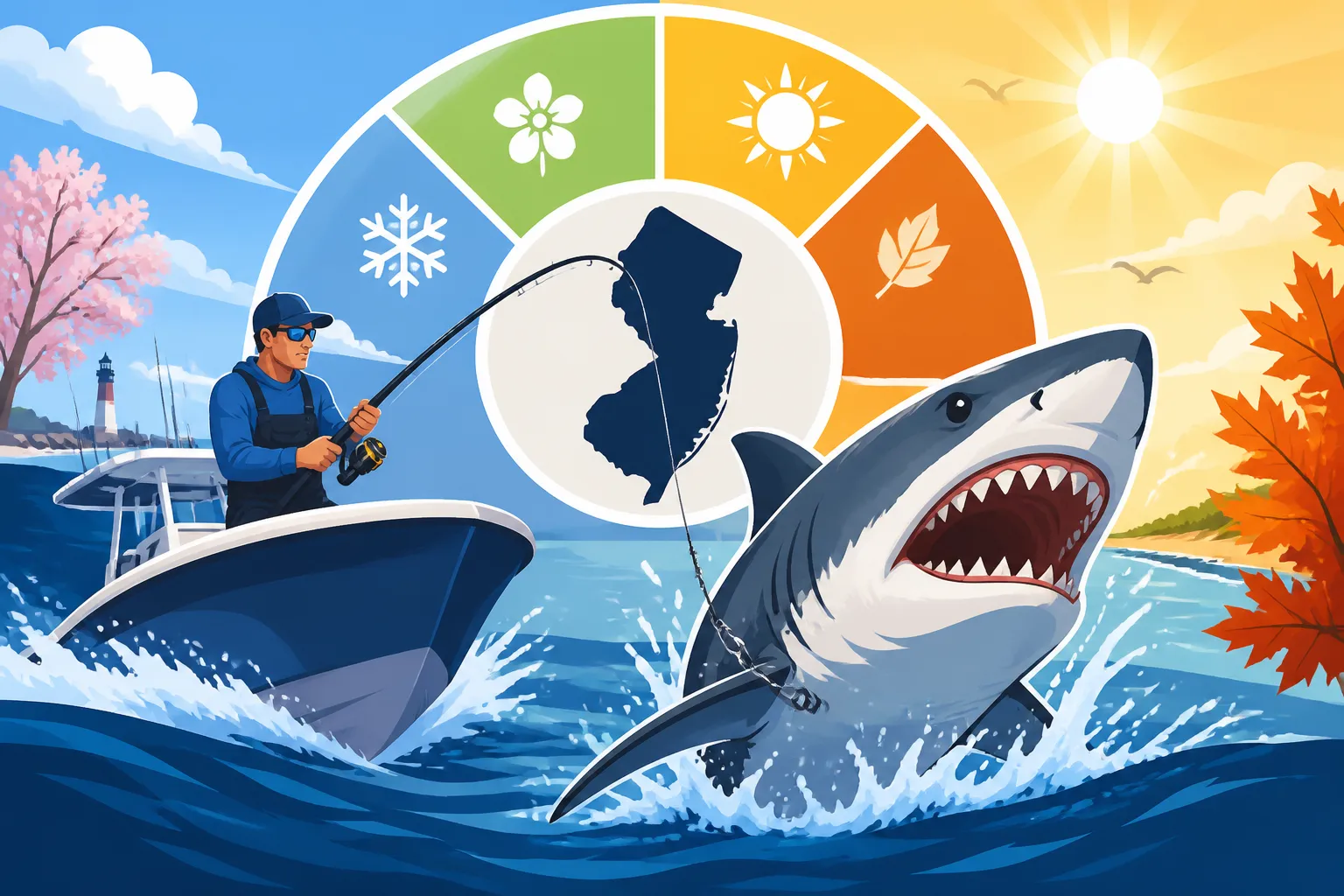
The idea of a single "best month" for shark fishing in New Jersey is a little misleading, primarily because New Jersey's offshore waters host several different shark species, and their migratory patterns and peak feeding times don't all align perfectly. Instead, it's more accurate to think of a "shark season" that spans several months, with certain periods being more productive for specific types of sharks. These apex predators are highly sensitive to water temperature and the presence of their food sources, both of which fluctuate throughout the year.
The real key to successful shark fishing in New Jersey isn't just picking a month at random, but understanding the broader warm-water window and how it influences where and when these powerful fish can be found. Without this understanding, you might find yourself out on the ocean on a charter, surrounded by beautiful scenery, but with very little action on the lines, leaving you wondering if you picked the right time.
The Warm Water Window: General Shark Activity
Generally speaking, New Jersey's shark fishing season kicks into gear as the ocean waters begin to warm up consistently, typically from late spring into early summer. This warming trend is what signals the arrival of baitfish, which in turn draws in the larger predatory sharks. You'll start to see charter boats making shark runs from late May, with activity steadily increasing through June. This initial push of warmer water offshore triggers a significant migration of various shark species into our region.
During this period, species like Mako and Thresher sharks, known for their incredible fighting abilities, start to move northward and closer to the New Jersey coastline. They follow the abundant schools of mackerel, bunker (menhaden), and squid that thrive in these temperate waters. The early season can offer some truly spectacular fishing as the sharks are often hungry after their migrations. It’s a dynamic time, and a good captain who understands these early season movements can put you on some truly memorable fish.
Key Factors Influencing Shark Presence
Beyond just the calendar month, several crucial environmental factors dictate the presence and activity of sharks in New Jersey waters. It's not just about the big picture of the season, but the intricate details that make a particular day or week shine. Think of it like this: the general season gives you the potential, but these specific factors unlock the actual opportunity. Ignoring these variables is a common mistake that can lead to disappointment, even if you’ve booked your trip in a traditionally good month.
Water temperature is paramount; each shark species has a preferred range, and they will follow those isotherms. If a cold eddy pushes in or a warm current lingers, it drastically affects where the sharks will be. The availability of baitfish, like bunker or mackerel, is another huge factor. Sharks go where the food is, so tracking bait schools, often visible on sonar or even on the surface, is critical. Lastly, oceanic currents, wind, and sea state play a role. Strong currents can concentrate bait and sharks, while rough seas can make fishing challenging and even push sharks further offshore. A skilled charter captain will be constantly monitoring these conditions to maximize your chances.
Peak Months for Specific Shark Species
While the broader summer season is excellent, if you have a particular shark species in mind, knowing their specific peak months can significantly increase your chances of success. It's not unlike targeting different freshwater species; bass bite best at certain times, and so do trout. Sharks are no different, each having their prime time when they are most abundant and actively feeding in New Jersey's waters. Planning your trip around these species-specific windows is a smart move for any dedicated angler.
When you're looking to book a New Jersey Shark Fishing Charters, it's always a good idea to chat with the captain about what they're primarily targeting during your chosen dates. Experienced captains often specialize or know the best areas for certain species at certain times, which can be invaluable. Websites like FishingBooker can help you find charters that highlight their target species and provide reviews, giving you a better idea of what to expect during different months.
Summer's Dominance: Makos and Threshers
For many New Jersey anglers, the Mako and Thresher sharks are the ultimate prize – and for good reason. Makos are legendary for their blistering runs and acrobatic leaps, while Threshers are known for their incredibly long tails and powerful fights. These highly sought-after species typically hit their peak in New Jersey from July through early September. This is when the offshore waters are warmest and the pelagic baitfish they feast on, such as bonito, mackerel, and even smaller tuna, are most prevalent.
During July and August, charter boats will often venture further offshore, sometimes 20 to 60 miles out, to target canyons and warmer water eddies where these sharks congregate. It's an exhilarating time to be on the water. A good charter, like those you can find listed on FishingBooker, will be equipped with specialized heavy-duty gear to handle these magnificent creatures. This period offers the best opportunity for a truly epic battle with one of the ocean's most formidable predators. Remember, these powerful fish demand respect and proper handling, especially if you're practicing Are New Jersey Shark Charters Catch and Release Only?.
Late Summer into Fall: Blues and Brown Sharks
As summer progresses into late August and September, and even into October, while Makos and Threshers might start their slow southward migration, other shark species become more prominent closer to shore and in the warmer bay waters. Blue sharks are magnificent, streamlined predators that typically peak in numbers from August through October. They often frequent cooler offshore waters but can be found closer to the continental shelf break during these months. They offer a fantastic fight, known for their endurance and graceful movements.
Alongside the blues, Brown sharks (Sandbar sharks) become a more common catch, especially in nearshore waters, around inlets, and even in some of the larger bays during late August, September, and October. These sharks are robust fighters and can be quite numerous. Many charters will offer trips specifically targeting these species, which can be a great option if you're looking for consistent action without necessarily venturing too far offshore. Their presence provides excellent opportunities for anglers looking for a strong pull on the line as the summer crowds thin out.
The Elusive Hammerhead Window
Hammerhead sharks, with their distinctive head shape, are a truly iconic catch, and while not as common as Makos or Blue sharks, they do make an appearance in New Jersey's warmer offshore waters. The best chance to encounter a Hammerhead is usually during the hottest parts of the summer, specifically late July and August, when the Gulf Stream currents are pushing the warmest water close to the New Jersey canyons. They are often found in the same offshore zones as Makos and larger pelagic fish.
Targeting Hammerheads specifically can be a bit more challenging, as their presence is less predictable than other species. They are often opportunistic catches when targeting other large pelagics. However, a dedicated captain who knows the subtle signs of their presence and the right areas to chum can sometimes put you on one of these incredible fish. If a Hammerhead is on your bucket list, planning your New Jersey Deep Sea Fishing Charters trip for the hottest summer months and communicating this desire to your captain will give you the best shot.
Here's a quick overview of the prime times for various shark species in New Jersey:
| Shark Species | Prime Months in New Jersey | Typical Location | Notes |
|---|---|---|---|
| Mako Shark | July, August, early September | Offshore canyons, warmer eddies (20-60 miles out) | Fast, acrobatic, powerful fighters. |
| Thresher Shark | July, August, early September | Offshore, continental shelf break | Known for long tail, strong fights. Often surface feeding. |
| Blue Shark | August, September, October | Offshore to nearshore canyons | Graceful, enduring fighters, often found in cooler areas. |
| Brown Shark | Late August, September, October | Nearshore, inlets, larger bays | Robust fighters, common catch, good for consistent action. |
| Hammerhead Shark | Late July, August | Offshore canyons, warmest water currents | Elusive, iconic, often an opportunistic catch. |
Factors Beyond the Calendar
While knowing the best months is a fantastic starting point, successful shark fishing in New Jersey is also heavily influenced by several dynamic environmental factors. The ocean is a constantly changing environment, and what works one day might not the next, even within the prime season. A good New Jersey Charter Fishing Guide will always be adjusting their strategy based on these elements. It's about being adaptable and understanding that the fish don't always read the calendar.
This is why having an experienced captain is so invaluable. They're not just driving the boat; they're reading the water, monitoring reports, and making decisions that directly impact your chances of hooking up. Thinking that just picking the "best month" guarantees success without considering these variables is a common trap for new anglers.
Water Temperature and Ocean Currents
I can't stress this enough: water temperature is arguably the single most important factor for shark fishing. Sharks are cold-blooded creatures, and their activity levels, metabolism, and migratory patterns are directly tied to the temperature of the water. Each species has a comfortable temperature range, and they will follow those thermal boundaries. For instance, Makos and Threshers prefer warmer, clearer water, often found in offshore eddies and along the edge of the continental shelf. If a strong cold upwelling occurs in a typically warm area, the sharks might temporarily move elsewhere.
Ocean currents also play a huge role. Currents can concentrate baitfish, creating feeding frenzies that attract sharks. They can also create temperature breaks and nutrient-rich zones where sharks prefer to hunt. A charter captain uses satellite imagery and local knowledge to track these currents and temperature shifts, allowing them to pinpoint potential hotspots. Understanding these invisible forces beneath the surface is key to consistently finding the fish. You can even learn some basics yourself by looking at How to Read Tide Charts for Better Fishing in New Jersey, which indirectly relates to current movements, though offshore currents are on a much larger scale.
Baitfish Abundance and Migrations
It's a simple truth of predator-prey relationships: where there's food, there will be predators. Sharks are no exception. The availability and migration of baitfish are critical drivers of shark presence in New Jersey waters. Species like Atlantic Mackerel, Menhaden (bunker), squid, and even smaller bonito and false albacore are primary food sources for many of the sharks we target. If these bait schools are abundant in certain areas, the sharks will follow.
The challenge is that baitfish migrations aren't always perfectly consistent year after year. Some years see massive bunker schools close to shore, while others they might be further out. Charters often spend time looking for these bait schools, either visually (birds diving, rips on the surface) or with advanced sonar. Having fresh, lively bait is also crucial for shark fishing. Many charters will spend part of their morning catching fresh bait before heading to the shark grounds. Without a healthy population of baitfish, even the "best month" can be slow.
Weather Conditions and Sea State
You might have the perfect month picked out, the water temperature is ideal, and baitfish are everywhere, but if Mother Nature isn't cooperating, your trip might be a wash. Weather conditions, particularly wind and sea state, have a direct impact on whether a charter can even safely leave the dock, and how comfortable and productive your fishing experience will be. High winds can create rough seas, making it difficult to spot fish, deploy baits effectively, and frankly, make for an unpleasant ride for passengers.
Even if a charter can go out in less-than-ideal conditions, extreme winds or choppy water can scatter bait, make it hard for sharks to hunt, or simply put the fish down. Conversely, calm seas can make it easier for sharks to see your baits and for the captain to spot signs of activity. Always check the marine forecast before your trip, and trust your captain's judgment regarding cancellations or rescheduling due to weather. Safety and enjoyment are paramount, and no fish is worth risking either.
Choosing a Charter and Preparing for Your Trip
Once you've got a good handle on the best months and conditions, the next step is finding the right charter and getting yourself ready for the adventure. This isn't just a regular fishing trip; shark fishing requires specialized knowledge, gear, and safety protocols. Taking the time to prepare will not only make your trip more enjoyable but also increase your chances of a successful and responsible catch.
Finding the right captain who understands the nuances of shark fishing in New Jersey can make all the difference. Don't just pick the first name you see; do a little homework. Websites like FishingBooker are fantastic resources for comparing different charters, reading reviews from other anglers, and seeing what specific species captains specialize in. Remember, a New Jersey Fishing License Guide for 2026 is essential, and ensure you're aware of the New Jersey Saltwater Registry Explained too.
Researching Reputable Charters
Choosing the right shark fishing charter is critical. Not all charters are created equal, and for something as specialized as shark fishing, you want a captain with proven experience and a strong commitment to responsible angling. Start by looking for charters that explicitly advertise shark trips and have a track record of success. Ask about the captain's experience, their typical target species, and their approach to catch and release. Many sharks, especially the larger pelagic species, are increasingly managed with conservation in mind.
Look for reviews online, especially on platforms like FishingBooker, which often include specific feedback on shark trips. Pay attention to how the captain handles fish, their knowledge of local regulations, and the quality of their gear. A reputable charter will have well-maintained boats, top-of-the-line rods and reels designed for heavy tackle, and a crew that prioritizes safety and customer experience. Don't hesitate to call and ask questions before booking; a good captain will be happy to share their expertise. You can also read more about How to Choose a New Jersey Fishing Charter for broader advice.
Essential Gear and What to Bring
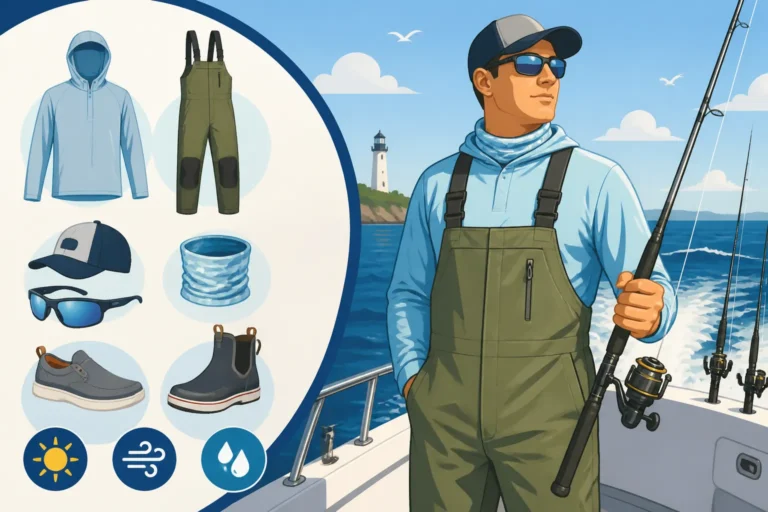
When you book a shark charter, most of the heavy-duty gear—rods, reels, bait, and tackle—will be provided by the boat. That's one of the big advantages of a charter! However, there are still some essential items you should bring to ensure your comfort and safety. Dress in layers, as offshore temperatures can fluctuate. Even on a hot day, it can be significantly cooler offshore, and the wind can have a bite. Waterproof outer layers are always a good idea, as you'll be dealing with spray and potentially messy fish.
Sun protection is non-negotiable: sunglasses, a wide-brimmed hat, and plenty of high SPF sunscreen. The sun's reflection off the water can be intense. Don't forget non-slip shoes, as boat decks can get wet and slippery. Bring plenty of water and snacks, and if you're prone to seasickness, take preventative measures well before the trip. A small cooler for your personal items and any fish you might be keeping (within legal limits) is also a good idea. What Should You Bring on a New Jersey Party Boat Trip? has some general advice that applies to charters too.
Understanding Catch and Release Practices
Shark fishing, perhaps more than any other type of fishing, often involves a strong emphasis on catch and release, especially for protected or regulated species. Many charters operate on a strict catch and release policy for all sharks, or for specific species that are either not good table fare, heavily regulated, or part of conservation efforts. It's important to understand and respect these practices. The goal is often the thrill of the fight and the opportunity to see these magnificent creatures up close, rather than bringing them home for dinner.
Your captain and crew are experts in proper shark handling techniques, which minimize stress on the fish and ensure a healthy release. This includes techniques like proper de-hooking, careful unhooking, and avoiding bringing the shark fully onto the deck unless absolutely necessary for a quick photo and immediate release. Always follow the crew's instructions precisely. Responsible angling ensures that these incredible fish continue to thrive in New Jersey's waters for future generations of anglers. You can learn more about specific rules and the importance of conservation in Are New Jersey Shark Charters Catch and Release Only?.
Disclaimer
This article is for general informational purposes only and does not constitute professional advice. Laws, prices and regulations vary by location and change over time. Consult a qualified professional for guidance on your specific situation.