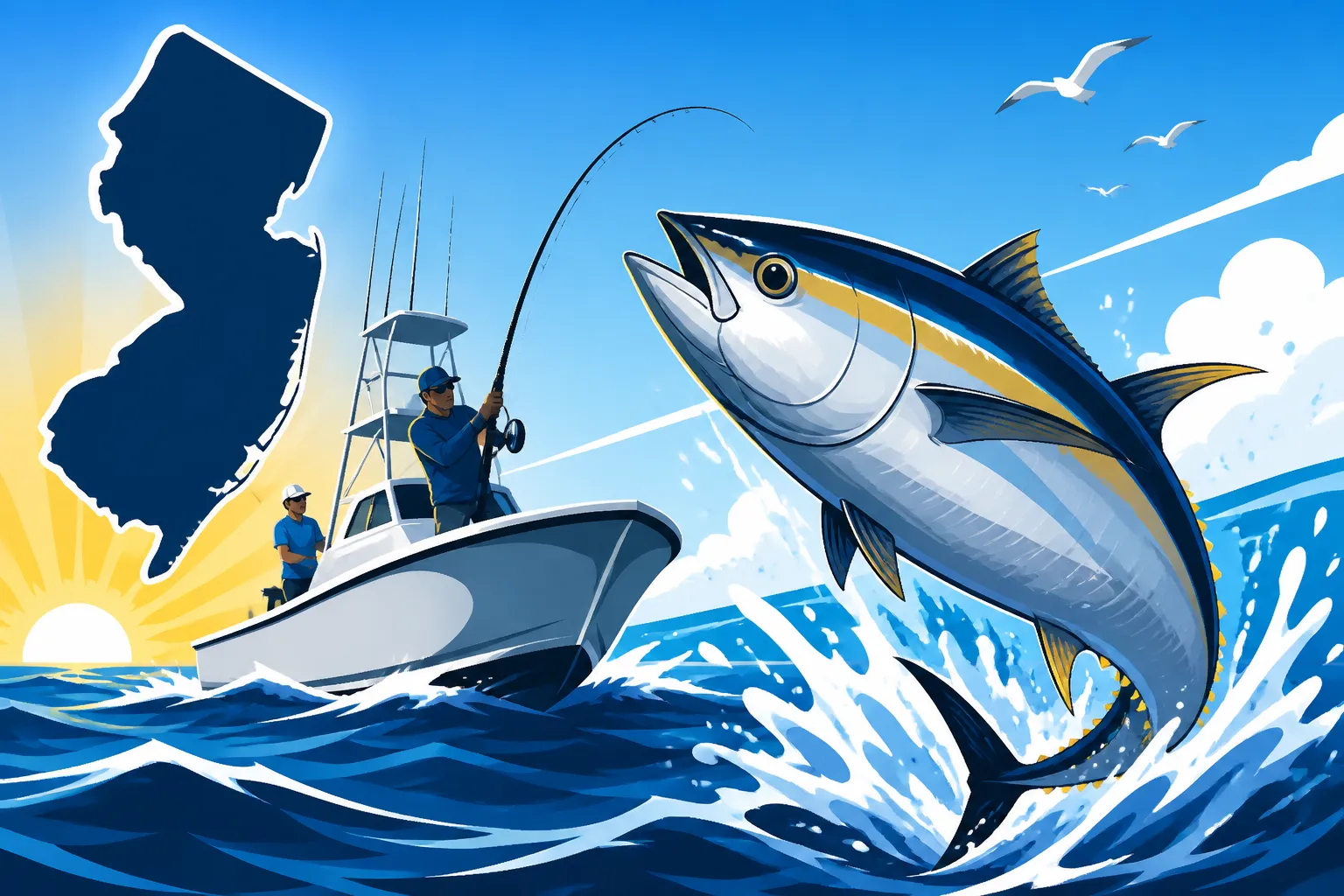
New Jersey Offshore Tuna Charters
Dreaming of hooking into a powerful tuna off the coast of New Jersey? It's an incredible experience that many anglers long for, but the sheer scale of offshore fishing can feel daunting, from figuring out the right time to go to finding a reliable boat. This guide is here to demystify the world of New Jersey offshore tuna charters, helping you understand exactly what's involved, how to prepare, and what to expect when you chase these magnificent pelagic giants.
Understanding New Jersey Offshore Tuna Charters
Venturing far out into the Atlantic to target tuna is a whole different ballgame compared to the inshore fishing many of us are familiar with. It demands specialized vessels, seasoned crews, and a deep understanding of ocean dynamics and fish behavior. These aren't your typical bay trips; they are serious expeditions into the deep blue.
What Sets Offshore Tuna Trips Apart
Offshore tuna charters depart from various New Jersey ports, like Manasquan Inlet, Barnegat Light, or Cape May, heading anywhere from 30 to over 100 miles out into the open ocean. This considerable distance means longer travel times, often starting in the pre-dawn hours and extending well into the evening, sometimes even overnight. The boats themselves are robust, designed to handle open ocean conditions, and equipped with powerful engines, advanced navigation, and sophisticated fish-finding electronics. Unlike a casual day of bottom fishing, every aspect of a tuna charter is geared towards pursuing highly migratory, powerful fish that can put up an epic fight. The equipment is heavy-duty, from stout rods and reels capable of holding hundreds of yards of heavy line, to specialized lures, teasers, and bait.
The crew on an offshore tuna charter isn't just there to drive the boat; they are highly skilled professionals. They possess an intimate knowledge of submarine canyons, temperature breaks, and bait concentrations – all critical factors for finding tuna. Their expertise in everything from reading radar for bird activity (a key indicator of bait and tuna) to setting up complex trolling spreads or kite-fishing rigs is invaluable. This level of specialization and the sheer distance covered make these trips a significant investment, but the potential reward of landing a powerful tuna makes it all worthwhile for many anglers seeking the ultimate challenge.
The Allure of Tuna Fishing in New Jersey Waters
For many anglers, tuna fishing represents the pinnacle of offshore sportfishing. The sheer power of a hooked tuna, whether it's a nimble skipjack, a bruising yellowfin, or a massive bluefin, is legendary. These fish are built for speed and endurance, and battling one can test an angler's strength and resolve for hours. Beyond the fight, there's the thrill of the chase itself – scanning the horizon for signs of life, watching the sonar light up, and the sudden, explosive strike of a fish on a trolled lure. New Jersey Deep Sea Fishing Charters often highlight the pursuit of these magnificent fish as a primary draw.
New Jersey's offshore waters are remarkably productive, sitting at the confluence of cold northern currents and warmer southern waters, creating a rich feeding ground for pelagic species. The proximity to areas like the Hudson Canyon, Block Canyon, and the various lumps and ridges makes the state a prime jumping-off point for targeting tuna. The anticipation of a trip, the camaraderie with fellow anglers, and the fresh, delicious table fare that tuna provide all contribute to the enduring appeal of these offshore adventures. It’s an experience that truly connects you with the vast, wild nature of the ocean.
Prime Time: New Jersey's Tuna Seasons and Species
Knowing when and where to find tuna off New Jersey is crucial for planning a successful trip. The availability of different tuna species is highly seasonal, dictated by water temperature, bait migrations, and spawning cycles. It's a dynamic environment, and the best captains are constantly tracking these variables.
Key Tuna Species Targeted Off New Jersey
Anglers chartering boats out of New Jersey can typically target several species of tuna, each offering a unique challenge and reward.
- Yellowfin Tuna: These are perhaps the most popular target due to their abundant numbers, impressive size (often 50-150 lbs, sometimes larger), and excellent table quality. They are fast, strong, and put up a fantastic fight.
- Bluefin Tuna: The most coveted by many, bluefin range from smaller "schoolie" size (50-100 lbs) to true giants exceeding several hundred pounds. Landing a giant bluefin is a once-in-a-lifetime achievement, and they are protected by strict regulations regarding size and retention. You'll need to know the New Jersey Striped Bass Slot Limit Explained and similar rules for tuna.
- Bigeye Tuna: Often found in deeper, cooler waters, bigeye tuna are known for their massive eyes and impressive fighting ability. They can grow to sizes comparable to large yellowfin and are also highly prized for their meat.
- Longfin Albacore: Sometimes simply called "albacore," these tuna are characterized by their extremely long pectoral fins. They typically weigh 20-40 lbs, are excellent fighters for their size, and are renowned for their white, delicious meat.
- Skipjack Tuna: Smaller than other tuna, usually under 20 lbs, skipjack are incredibly fast and aggressive. While not typically the primary target of an offshore trip, they are often caught as bycatch and provide exciting action.
Each species has its peak season, and understanding these can help you book the right trip for your desired catch. What Tuna Species Do New Jersey Charters Target? dives deeper into this topic.
Seasonal Rundown for New Jersey Tuna
The tuna season off New Jersey generally kicks off in late spring and can extend well into the fall, with various species peaking at different times.
- Late Spring (May-June): This often marks the beginning of the offshore season. Early bluefin tuna might show up closer to shore, sometimes even within 20-30 miles, often feeding on mackerel or herring. Yellowfin and bigeye might start to appear in the canyons as water temperatures rise.
- Summer (July-August): This is prime time for yellowfin and bigeye tuna in the offshore canyons. Water temperatures are at their warmest, and baitfish are abundant. This period often sees charters making overnight trips to fish the canyons around the full moon. Longfin albacore also become more prevalent further offshore.
- Fall (September-November): The fall run is a highly anticipated time, especially for bluefin tuna. As baitfish migrate south, bluefin follow, often moving closer to shore. Yellowfin and bigeye are still present in the canyons, and some of the largest fish of the season can be caught as they aggressively feed before winter. The weather can become more unpredictable, but the fishing can be phenomenal.
The "best" time depends on what you're hoping to catch. If big yellowfin are your dream, summer canyon trips are ideal. If you're chasing a giant bluefin, the fall run might be your best bet.
Understanding Tuna Migration Patterns
Tuna are highly migratory fish, and their presence off the New Jersey coast is directly linked to their annual movements up and down the Atlantic seaboard, largely driven by food availability and water temperature. As spring progresses and the ocean warms, baitfish such as mackerel, herring, and squid move north, drawing hungry tuna with them. In the summer, the warm waters of the Gulf Stream push north along the edge of the continental shelf, creating thermal breaks and eddies in the deep-water canyons. These areas become superhighways for pelagic fish, with concentrations of bait, leading to fantastic tuna fishing.
As fall approaches, the water temperatures begin to drop, and many bait species start their southward migration. The tuna follow this abundant food source, often moving closer to the coast and providing excellent opportunities for anglers. Captains closely monitor sea surface temperature charts, chlorophyll levels (indicating bait presence), and satellite imagery to predict where the tuna will be. These complex migrations are what make offshore tuna fishing a constant puzzle, but also what makes it so rewarding when all the pieces come together. Knowing when to book your trip to align with these patterns is key, and guides often share insights on When Is the Best Time to Book a Tuna Charter Out of New Jersey?.
Selecting Your Ideal Tuna Charter
Choosing the right charter is paramount for a successful and enjoyable offshore tuna trip. With varying boat sizes, amenities, and crew experiences, it can feel like a big decision. This section will guide you through the process, helping you find a charter that fits your expectations and budget.
Private Charter vs. Open Boat for Tuna
When considering a New Jersey offshore tuna trip, you'll generally have two main options: a private charter or an "open boat" (also known as a party boat, though "party boat" usually refers to inshore bottom fishing, offshore open boats are less common for tuna but do exist for longer range trips).
- Private Charters: This is the most common and often preferred option for tuna fishing. You book the entire boat for your group, typically 1 to 6 anglers. This allows for a completely customized experience. You can discuss target species, fishing methods, and trip duration directly with the captain. The focus is entirely on your group, meaning more personalized attention from the crew, more rod time, and a greater say in the fishing strategy. It's often more expensive per person than an open boat, but if you have a group, the cost can be split, making it a competitive option. For a deep dive, check out New Jersey Party Boat vs Private Charter: What's the Difference?.
- Open Boats (Party Boats): While less common for dedicated offshore tuna runs due to the specialized nature and distance, some larger party boats may offer specific long-range tuna trips. On an open boat, you pay per person and share the deck with many other anglers. This is generally a more budget-friendly option for solo anglers or small groups, but you sacrifice personalization and deck space. The captain makes all the decisions, and you're one of many, which can mean less individual attention. However, it can be a great way to experience offshore fishing without the full private charter expense.
For tuna, most serious anglers and groups opt for private charters because the personalized attention and flexibility significantly increase the chances of success and overall enjoyment.
Key Factors to Evaluate When Choosing a Boat
When you're ready to pick your vessel, there are several crucial aspects to scrutinize. After all, you'll be spending a long day (or even overnight) far from shore, so comfort, safety, and capability are key.
- Boat Size and Type: Offshore tuna boats are typically 35-60 feet, designed for stability and speed in open ocean conditions. Look for a well-maintained vessel with ample deck space, a comfortable cabin, and proper safety equipment. A larger boat generally provides a smoother ride in rougher seas, which is a big plus on a long run offshore.
- Captain's Experience: This is perhaps the most critical factor. An experienced captain with a proven track record in offshore tuna fishing knows the local waters, understands tuna behavior, and can make crucial decisions on the fly regarding location, tactics, and safety. Don't be shy about asking about their years of experience targeting tuna.
- Equipment: The charter should provide top-of-the-line rods, reels, and terminal tackle suitable for tuna. Heavy-duty gear is a must. Ask if bait and lures are included in the price or if there are additional charges.
- Reputation and Reviews: Check online reviews and testimonials from previous clients. Platforms like FishingBooker can be excellent resources for this, allowing you to see what other anglers say about the captain, crew, and overall experience. A consistent positive reputation speaks volumes.
- Amenities: Consider what amenities are important to you for a long trip. Air-conditioned cabin, clean restroom (head), sleeping bunks for overnight trips, and a galley can significantly enhance comfort.
- Safety Record: While all legitimate charters adhere to Coast Guard regulations, ask about their safety protocols, emergency equipment, and crew's first aid training. Safety should always be a top priority.
- Communication: A good captain will be communicative before, during, and after the trip, setting clear expectations regarding weather, fishing conditions, and any potential changes. This is important to ensure everyone is on the same page.
Remember, finding a charter is more than just finding an available date; it's about matching your expectations with a reputable and well-equipped operation. For more general advice, consider How to Choose a New Jersey Fishing Charter.
The Role of an Experienced Captain and Crew
The success of a New Jersey offshore tuna charter largely hinges on the expertise of the captain and crew. These are not just individuals who drive a boat and help you net a fish; they are highly skilled professionals with specialized knowledge. A seasoned captain possesses an encyclopedic understanding of the constantly changing offshore environment. They interpret complex satellite imagery to find temperature breaks, identify subtle color changes in the water that indicate bait, and know the bathymetry of the canyons and lumps like the back of their hand. They can read weather patterns, anticipate sea conditions, and make critical decisions about where to go and when to move, often covering vast distances to put you on fish.
The crew works seamlessly with the captain, setting up intricate trolling spreads that might involve a dozen lines with various lures and teasers, deploying specialized kite fishing rigs, or preparing live bait. During a hook-up, their coordination is key: clearing other lines, coaching the angler through the fight, and safely gaffing and bringing a powerful tuna aboard. They are also responsible for the boat's maintenance, ensuring all equipment is in working order, and most importantly, prioritizing the safety of everyone on board. Their experience directly translates to a better chance of catching fish and an overall safer, more enjoyable experience. Don't underestimate the value of a professional, hardworking, and knowledgeable team when heading How Far Offshore Do New Jersey Tuna Charters Travel?.
Onboard Experience: What to Expect During Your Trip
So, you've booked your charter and the day is finally here! What's it actually like out on the deep blue chasing tuna? It's an adventure, often long and demanding, but incredibly exhilarating.
Typical Trip Duration and Structure
Offshore tuna charters from New Jersey are generally not short affairs. They demand significant travel time to reach the productive fishing grounds in the canyons or along the continental shelf.
- Full Day Trips: While some charters may advertise full-day trips for tuna, these are often at the shorter end of the offshore spectrum, perhaps 10-14 hours. They typically target closer grounds or bluefin tuna that are pushed nearer to shore during certain seasons. Expect an early morning departure, often before sunrise, to maximize fishing time.
- Long-Range Day Trips: Many dedicated tuna trips fall into this category, lasting 16-20 hours. These allow the boat to travel further offshore to the prime canyon areas. You'll depart very early and return late at night.
- Overnight Trips: These are very popular for canyon tuna fishing, especially during the peak summer months. An overnight trip usually lasts 24-30 hours. You'll depart in the afternoon, steam out to the canyons, fish into the night (tuna often feed actively at night, especially bigeye), sleep briefly (if you can!), and continue fishing through the next morning before heading back to shore. Overnight trips offer more fishing time and a chance to experience different feeding windows.
Regardless of duration, the structure usually involves a long run to the fishing grounds, deploying lines (often trolling), actively searching for signs of fish, battling any hooked fish, and then the long steam back to the dock. It's a marathon, not a sprint, but the payoff can be huge. New Jersey Offshore Tuna Charters often vary their trip duration based on target species and fishing grounds.
Gear, Bait, and Techniques Used
Offshore tuna fishing employs specific gear and techniques designed for powerful, fast-swimming fish in a vast ocean environment. You'll typically find the charter provides all the necessary heavy-duty equipment.
- Rods and Reels: Expect stout rods, often 5' to 7' long, paired with large conventional reels spooled with heavy monofilament or braided line (e.g., 50-130 lb test). These setups are built to withstand immense pressure and prolonged fights.
- Bait: Live bait, such as bunker (menhaden), mackerel, or squid, can be incredibly effective when tuna are finicky. Dead bait, like butterfish, sardines, or chunks of bunker, is also commonly used for chunking or drift fishing.
- Lures: A huge array of artificial lures is employed, including:
- Trolling Lures: Spreader bars, daisy chains, skirted lures (often "Green Machines," "Joe Shutes," or various cedar plugs), and lipped diving plugs are trolled at specific speeds to imitate bait schools.
- Jigs: Heavy metal jigs are dropped deep and retrieved aggressively (jigging) when tuna are marked on sonar or feeding vertically.
- Poppers and Stickbaits: These topwater lures are cast to breaking fish or used when tuna are feeding aggressively on the surface.
- Techniques:
- Trolling: The most common method, involving multiple lines pulled behind the boat at various distances and depths.
- Chunking: Anchoring or drifting and consistently throwing small pieces of bait (chum) into the water to attract tuna to the boat, then presenting hooked baits within the chum slick.
- Kite Fishing: Using a kite to suspend live bait or dead bait on the surface, making it look irresistible and allowing for a subtle presentation.
- Jigging/Popping: More active techniques, often used when tuna are located and feeding aggressively.
The captain and crew will decide which techniques are best for the conditions and target species of the day.
Safety Protocols and Emergency Preparedness
Safety is paramount on any offshore fishing trip, and reputable New Jersey tuna charters prioritize it above all else. Before leaving the dock, the captain will typically conduct a safety briefing, pointing out emergency exits, life preservers, and other essential equipment. Modern offshore boats are equipped with a comprehensive array of safety gear, far beyond what's required for inshore trips.
This includes:
- Personal Flotation Devices (PFDs): Enough for every person on board, often with additional offshore-grade vests.
- Emergency Position Indicating Radio Beacons (EPIRBs) and Satellite Phones: For communication and distress signaling when out of cell range.
- Life Rafts: Inflatable rafts capable of holding the entire crew and passenger complement.
- VHF Radios: Multiple radios for communication with other vessels and the Coast Guard.
- First Aid Kits: Extensive kits to handle common injuries or medical emergencies.
- Fire Extinguishers: Strategically placed throughout the vessel.
- Navigation Equipment: Redundant GPS, radar, and charting systems to ensure safe passage.
- Trained Crew: The crew is often CPR and first aid certified, and practiced in emergency procedures.
The captain also constantly monitors weather forecasts, often making difficult decisions to cancel or postpone trips if conditions are deemed unsafe. While an offshore trip carries inherent risks, a professional charter minimizes these through meticulous preparation, proper equipment, and experienced personnel.
Preparing for Your Offshore Tuna Adventure
A successful tuna trip isn't just about the boat and the fish; it's also about how well you prepare. Being ready for the physical demands and the specific conditions will make your experience much more enjoyable and productive.
Physical and Mental Preparation
Tuna fishing is physically demanding, especially when battling a large fish for an extended period. It's not uncommon for a fight to last an hour or more, requiring strength, stamina, and mental fortitude.
- Physical Fitness: Regular exercise, especially focusing on core strength, back, and arm muscles, will be a huge advantage. Holding a heavy rod under extreme pressure can be exhausting. Even if you're not an athlete, being in reasonably good shape will make the experience much better.
- Hydration and Nutrition: Make sure you're well-hydrated and have eaten a good, non-greasy meal before your trip. Pack plenty of water, sports drinks, and easy-to-eat snacks for the boat. Dehydration can exacerbate seasickness and fatigue.
- Mental Toughness: Tuna fishing can involve long periods of waiting, followed by sudden, intense bursts of action. Be patient, stay positive, and be prepared for the possibility of no bites, or the frustration of a lost fish. The ocean is unpredictable, and a good attitude goes a long way.
Remember, this is an endurance sport at times, and being prepared physically and mentally will allow you to savor the moments of triumph and handle any setbacks with grace.
Essential Items to Pack for the Trip
Packing smart is key for a comfortable offshore trip. You'll be exposed to the elements, and conditions can change rapidly.
- Layered Clothing: Offshore temperatures can fluctuate wildly. Dress in layers that you can easily add or remove. Think moisture-wicking base layers, a fleece or wool mid-layer, and a waterproof and windproof outer shell. Even in summer, nights can be chilly far offshore.
- Waterproof Gear: High-quality rain gear (jacket and pants) is essential, not just for rain, but for protection against sea spray and wind.
- Non-Slip Footwear: Deck boots or boat shoes with good grip are crucial for safety on a wet, moving deck.
- Sun Protection: The sun's intensity is amplified on the water. Bring a wide-brimmed hat, polarized sunglasses (essential for spotting fish and structure), and high SPF waterproof sunscreen.
- Seasickness Medication: If you're prone to seasickness, take preventative measures before you board the boat. Patches, pills, or wristbands can make a huge difference. Don't wait until you feel sick.
- Food and Drink: While some charters might offer drinks, it's always wise to bring your own ample supply of water, sports drinks, and snacks. Sandwiches, fruit, nuts, and granola bars are good options.
- Cooler: A personal cooler with ice is great for keeping your drinks and snacks cold, and for bringing your cleaned catch home. Make sure it's clearly labeled.
- Camera: You'll want to capture the memories! A waterproof camera is ideal.
- Towel and Change of Clothes: For a fresh feeling on the ride home.
Consider reviewing What Should You Bring on a New Jersey Party Boat Trip? for additional general packing advice, though tailor it for the offshore environment.
Seasickness Prevention and Management
Seasickness can turn an exciting tuna trip into a miserable ordeal if not addressed proactively. It's a common affliction, and even experienced anglers can be susceptible in rough conditions. The key is prevention.
- Medication is Key: If you're even slightly prone to seasickness, take an over-the-counter medication like Dramamine or Bonine the night before the trip and again in the morning, or use a prescription patch (Scopolamine) as directed by your doctor. These medications are most effective when taken before symptoms begin.
- Ginger Remedies: Some people find relief with ginger, either in candy, chewable, or capsule form.
- Stay Hydrated and Eat Lightly: Avoid greasy or acidic foods before and during the trip. Stick to bland, easy-to-digest foods. Stay well-hydrated with water or clear sports drinks.
- Stay on Deck and Focus on the Horizon: Try to stay in the fresh air on deck, looking at the distant horizon. Avoid going below deck and reading or focusing on small objects, which can worsen symptoms.
- Avoid Strong Odors: Fuel fumes, strong food smells, or even certain perfumes can trigger nausea.
- Rest Up: Being well-rested can help your body cope better with the motion.
If you do start to feel sick, inform the crew. They've seen it all and can offer advice or assistance. Don't let the fear of seasickness deter you; with proper preparation, you can often manage it effectively.
Navigating Costs and Booking Your New Jersey Tuna Charter
Booking an offshore tuna charter involves a significant investment, but understanding the costs and the booking process can help you plan effectively and get the best value.
Understanding the Investment in a Tuna Charter
Offshore tuna charters are among the most expensive fishing trips you can book, and for good reason. The costs reflect the specialized nature of the endeavor.
- Boat Operating Costs: Fuel is a massive expense for a fast, long-distance trip. A large offshore boat burns a substantial amount of diesel covering 100+ miles. Maintenance, insurance, dockage, and general upkeep of a highly specialized vessel also contribute significantly.
- Crew Salaries: A skilled captain and mate are professionals whose expertise is vital. Their wages are factored into the charter price.
- Equipment and Bait: Top-tier rods, reels, tackle, and a constant supply of fresh bait and specialized lures are expensive to purchase, maintain, and replace.
- Duration: As discussed, these are long trips, often 16-30 hours, which naturally commands a higher price than a 4-hour inshore trip.
The actual cost for a New Jersey offshore tuna charter can vary widely based on boat size, trip duration (day vs. overnight), time of year, and what's included (bait, tackle, fish cleaning). It's important to clarify all inclusions and potential additional fees when booking. For a ballpark idea, How Much Does a Private New Jersey Fishing Charter Cost? and How Much Does an Offshore Tuna Charter Cost in New Jersey? can give you some figures, but always confirm directly with the charter operator. While it's a considerable expense, it's often viewed as an investment in a potential trophy fish and an unforgettable experience.
Booking Process and Best Practices
Booking an offshore tuna charter requires some planning, especially during peak seasons. Charters often fill up months in advance, so don't wait until the last minute.
- Research Reputable Charters: Start by researching charters known for their tuna fishing success out of New Jersey ports like Point Pleasant, Brielle, Barnegat Light, or Cape May. Look at their websites, social media, and read reviews. FishingBooker is a popular platform that consolidates many charter options, allowing you to compare boats, check availability, and read feedback from other anglers, which can be incredibly helpful for narrowing down choices for New Jersey Offshore Tuna Charters.
- Contact and Inquire: Once you have a few options, contact the captains directly. Ask about their availability, pricing, what's included, specific target species for your chosen dates, and their cancellation policy (especially important for weather-related issues).
- Be Clear About Your Expectations: Communicate what kind of trip you're looking for – day trip or overnight, specific tuna species, trolling, chunking, etc. A good captain will help manage your expectations based on current conditions.
- Confirm Deposit and Payment: Most charters require a deposit to secure your booking, with the balance due on the day of the trip. Understand their payment methods.
- Review the Contract: Some charters might have a simple verbal agreement, while others use a formal contract. Read any documentation carefully.
- Stay in Touch: As your trip date approaches, stay in contact with the captain, especially for weather updates. They will keep you informed of any necessary changes.
Booking through platforms like FishingBooker can streamline this process, providing a centralized place to manage inquiries and reservations. Always ensure you understand the details of your trip before committing.
Tipping Etiquette for Offshore Tuna Charters
Tipping the crew on an offshore tuna charter is not just customary; it's an essential part of the fishing industry and a reflection of appreciation for their hard work. The mate, in particular, works tirelessly throughout the trip, from setting lines and rigging baits to gaffing fish, cleaning the boat, and assisting anglers. The captain also works hard to put you on fish and ensure your safety.
- Standard Gratuity: A common guideline for tipping is 15-20% of the total charter price. If you have an exceptional trip with outstanding service, a higher tip is always welcome and well-deserved.
- How to Tip: It's generally recommended to give the tip directly to the mate, who will then typically share a portion with the captain if it's a private charter, or with other crew members if it's a larger vessel.
- Consider Effort, Not Just Catch: Even if the fish aren't biting, or you don't land a trophy, if the crew worked hard, provided excellent service, and made every effort to put you on fish and ensure your safety, they deserve to be tipped appropriately. Their effort and professionalism are what you're primarily tipping for, not solely the number of fish caught.
Understanding New Jersey Charter Boat Tipping Etiquette is part of being a respectful and responsible angler, acknowledging the demanding nature of the crew's job.
Table: Common New Jersey Offshore Tuna Species Overview
To give you a quick glance at the main targets off the Jersey coast, here's a breakdown of the tuna species you're likely to encounter.
| Species | Typical Weight Range (lbs) | Peak Season (NJ) | Fight Characteristics | Table Quality |
|---|---|---|---|---|
| Yellowfin Tuna | 50 – 150 | July – September | Fast, strong, deep dives, long runs | Excellent |
| Bluefin Tuna | 50 – 100 (schoolie), 200+ (giant) | May – June (early), Sept – Nov (fall run) | Brutal, powerful, sustained pull, often near surface | Excellent |
| Bigeye Tuna | 80 – 200 | July – October | Deep, powerful dives, strong endurance | Excellent |
| Longfin Albacore | 20 – 40 | August – October | Quick runs, respectable fight for size, good endurance | Excellent |
| Skipjack Tuna | 5 – 20 | July – September | Extremely fast, aggressive, often caught incidentally | Good (stronger flavor) |
Disclaimer
This article is for general informational purposes only and does not constitute professional advice. Laws, prices and regulations vary by location and change over time. Consult a qualified professional for guidance on your specific situation.