What Do You Catch on a New Jersey Winter Wreck Trip?
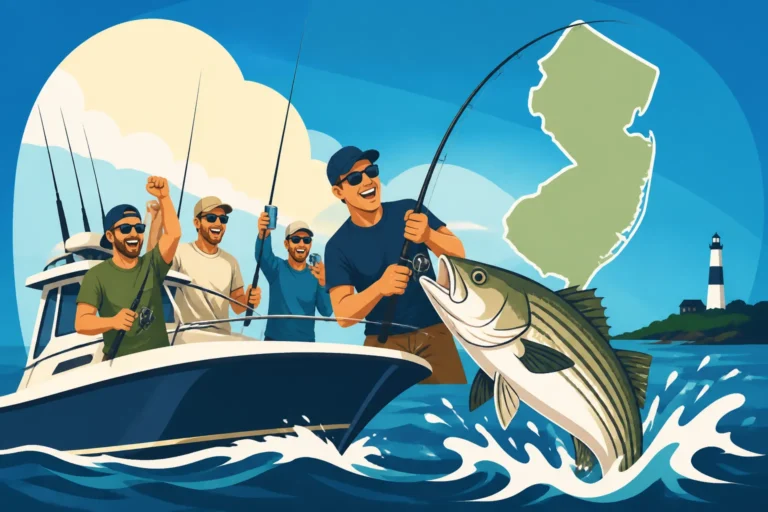
For many anglers, the thought of fishing in New Jersey during the depths of winter might seem like a frozen-over pipe dream, imagining empty waters and shivering hands. But if you think winter means packing away your gear until spring, you're missing out on some of the most thrilling and rewarding fishing the Jersey Coast has to offer: winter wreck trips. This guide is dedicated to pulling back the icy curtain on this often-overlooked season, showing you exactly what amazing fish species you can target and bring home when you brave the cold to fish New Jersey's offshore wrecks and reefs.
The Unique Allure of New Jersey Winter Wreck Fishing
When the brutal winds of winter sweep across the Atlantic, many of our favorite inshore species either migrate south or become dormant. But for those hearty souls willing to bundle up and head offshore, a different world of fishing opens up around New Jersey's countless submerged structures. These wrecks, reefs, and rocky bottom areas become magnets for specific species of fish seeking refuge, food, and stable temperatures in the colder months. It’s a completely different game from summer fluking or spring striped bass fishing, offering a unique challenge and incredibly rewarding catches.
Why Wrecks and Reefs are Winter Fish Magnets
Think of these underwater structures – sunken ships, artificial reef deployments, or natural rock formations – as underwater cities. In the summer, fish are scattered, with baitfish plentiful everywhere, but as temperatures drop, these structures become vital hubs. They provide shelter from currents, a complex habitat for smaller organisms, and thermal stability that fish crave. Predators follow this food source, congregating in dense schools that can make for some truly incredible fishing action. Instead of chasing widely dispersed fish, winter wreck fishing often involves dropping baits or jigs directly into these concentrated pockets of marine life.
The deeper waters around these wrecks also tend to have more stable temperatures. While the surface might be a frigid 38 degrees, the bottom waters around a 100-foot wreck might hold a slightly warmer, more tolerable temperature for many species. This thermal stratification, coupled with the abundant hiding places and food sources, makes these structures irresistible to a variety of cold-water species, turning what seems like an unlikely fishing venture into a highly productive one.
Braving the Elements for Big Rewards
Let's be real: winter fishing isn't for the faint of heart. You'll face colder temperatures, often choppier seas, and the need for serious layering. But the payoff can be immense. Not only are the fish often larger in winter, but the sheer numbers you can encounter on a good wreck can lead to limits being filled quickly. It’s a testament to the resilience of both the fish and the anglers who pursue them. The experience is also different – often less crowded than summer fishing spots, offering a sense of solitude and a deeper connection to the raw power of the ocean.
Plus, the fish you catch on a winter wreck trip are almost universally excellent table fare. These are prime, firm-fleshed fish that have been feasting in cold, clean water. There's a satisfaction that comes from battling the elements and landing a cooler full of delicious fish that you won't find during a casual summer outing. It's a true angler's adventure, a test of dedication that yields significant culinary and sporting rewards.
The Star Species of New Jersey Winter Wrecks
While you might encounter a surprise here and there, New Jersey winter wreck trips are primarily focused on a few key species that thrive in the cold, structure-rich environment. These are robust, hard-fighting fish that provide both sport and delicious meals. Knowing your targets helps you prepare with the right gear and techniques, ensuring a successful outing.
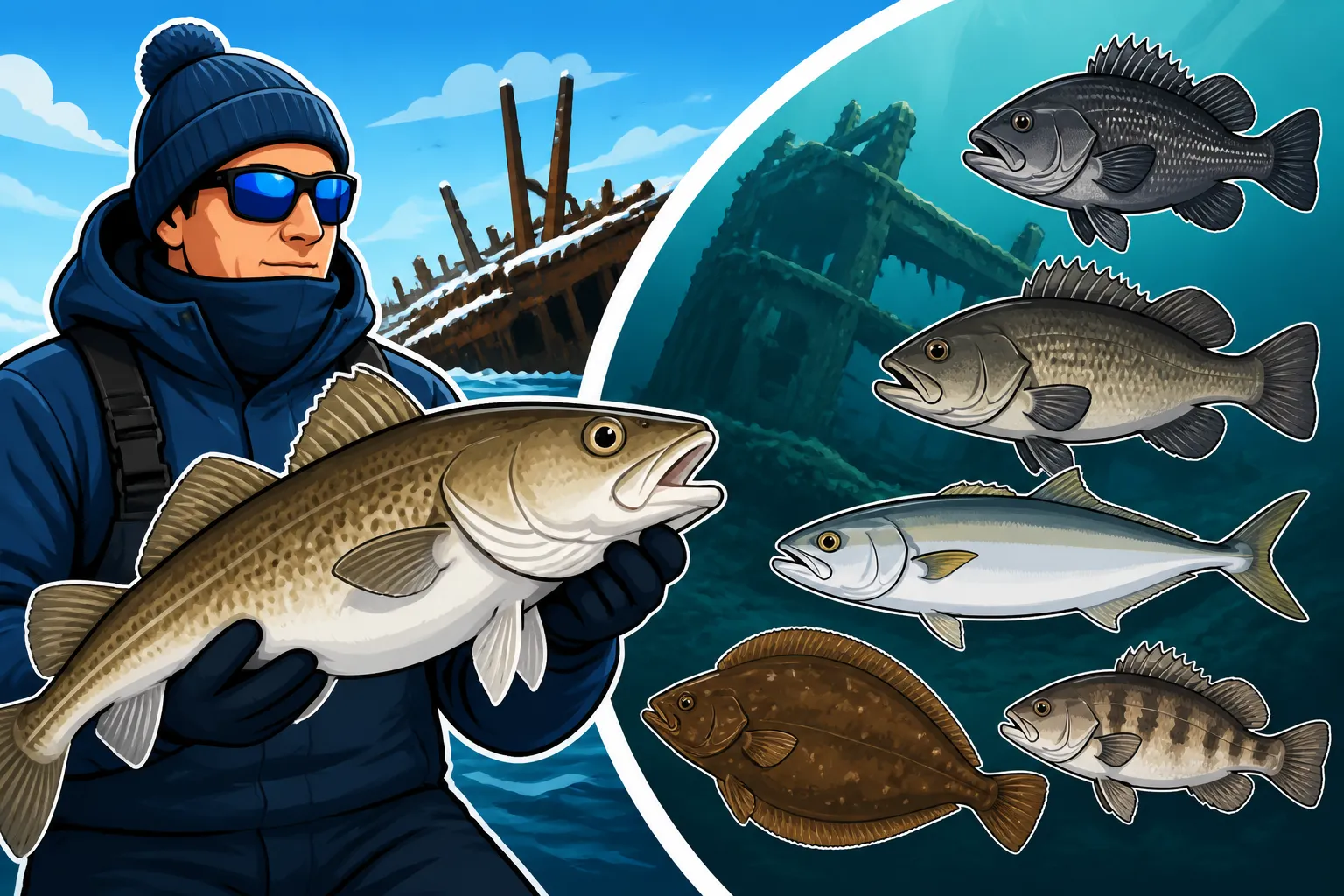
Black Sea Bass: The Undisputed Winter King
If there's one fish synonymous with winter wreck fishing in New Jersey, it's the black sea bass. These aggressive, bottom-dwelling beauties absolutely love structure, and during the colder months, they stack up on wrecks and reefs in impressive numbers. They might not be the biggest fish in the ocean, but a decent-sized sea bass (often called "humpbacks" due to the pronounced dorsal hump on larger males) puts up a surprisingly strong fight on light to medium tackle.
Black sea bass are also incredibly delicious, with firm, white, flaky meat that's perfect for baking, frying, or grilling. Many anglers consider them one of the best-eating fish in the Atlantic. On a good day, you can catch your boat's limit relatively quickly, making for a very productive trip. They respond well to both bait and artificial lures, making them a versatile target. When you drop down to a wreck, it's not uncommon for your bait or jig to be hit almost instantly by a hungry sea bass. New Jersey Black Sea Bass Season and Limits provides more details on the specific regulations you need to know.
Tautog (Blackfish): The Smart and Stubborn Structure Specialist
Tautog, affectionately known as blackfish, are another primary target for winter wreck anglers. These fish are legendary for their stubborn refusal to leave structure and their incredibly hard bite, which often feels like a gentle tap before they pin your bait to a rock or piece of wreckage. Hooking a tautog requires patience, quick reflexes, and a strong hookset, but once you do, prepare for a serious tug-of-war. They'll try to dive back into the structure, and if you let them, they'll often break you off.
Tautog are also exceptional eating, with a delicate, white flesh that many compare to lobster. They primarily feed on crabs and shellfish, which is reflected in their bait preference. Winter is a prime time to target tautog because they become less active and concentrate heavily on structure, making them more accessible to anglers who know their habits. Successfully landing a tautog from a deep wreck is a badge of honor for any New Jersey angler, and you'll find plenty of opportunities for this challenge on winter wreck trips. You can learn more about specific tactics in How to Fish for Tautog Around Structure.
Cod and Pollock: Deep-Water Bonuses
While black sea bass and tautog are the bread and butter of most New Jersey winter wreck trips, especially on trips closer to shore, venturing to deeper, more offshore wrecks can sometimes yield bonus catches of cod and pollock. These are true cold-water species, often found in deeper, cooler waters farther out into the Atlantic. Cod, known for their iconic white flesh and delicious flavor, are a prized catch, offering a strong, sustained fight. Pollock are also excellent fighters and great eating, often mistaken for cod by less experienced anglers.
Catching cod and pollock usually requires heavier tackle and fishing techniques that allow you to effectively work the deeper water. They might not be as abundant on every wreck as sea bass or tautog, but when you find them, they can provide exhilarating action and add significant weight to your cooler. These species are particularly common on the longer range, deep-water trips that some charters offer during the coldest months.
Other Occasional Catches
Sometimes, the ocean throws a curveball, and you might land something unexpected. Dogfish are a common bycatch, and while not desired for eating, they can provide a fight. Ling, also known as hake, are also frequently caught on deep wrecks, especially when bait fishing. They're good eating and often caught in good numbers. Depending on the exact location and water temperature, you might even encounter the occasional large porgy or even a winter flounder, though these are less common on dedicated wreck trips. The diversity of the ecosystem around these wrecks means you never quite know what might grab your bait.
Here's a quick comparison of the main winter wreck targets:
| Species | Typical Size Range (NJ) | Preferred Bait | Primary Technique | Eating Quality | Fight Character |
|---|---|---|---|---|---|
| Black Sea Bass | 1-5 lbs (up to 9 lbs) | Clams, squid, jigs, crabs | Bottom fishing, Jigging | Excellent | Aggressive, head-shaking |
| Tautog (Blackfish) | 3-10 lbs (up to 20 lbs) | Green crabs, white leg crabs, clams | Bottom fishing, "Feel" fishing | Excellent | Stubborn, strong pulls, dives into structure |
| Cod | 5-20 lbs (can be larger) | Clams, jigs, Gulp! | Deep jigging, Bait | Excellent | Strong, steady pull, powerful head shakes |
| Pollock | 5-15 lbs (can be larger) | Jigs, teasers, clams | Jigging, Drifting | Very Good | Fast runs, strong pulls, acrobatic |
| Ling (Hake) | 1-5 lbs | Clams, squid, strips | Bottom fishing | Good | Moderate pull, often soft bite |
Essential Gear and Techniques for Winter Wreck Success
Successfully fishing New Jersey's winter wrecks isn't just about finding the right spot; it's about having the right tools and knowing how to use them. The environment demands heavier tackle, specific baits, and an understanding of how these fish behave in cold, deep water.
Rods, Reels, and Line: Built for Battle
For wreck fishing, you're going to need a sturdy setup. A medium-heavy to heavy conventional rod, typically 6 to 7 feet long, with a fast action tip and a strong backbone is ideal. This allows you to feel the subtle bites of tautog while still having the power to lift heavy sinkers and battle powerful fish away from snags. Paired with a conventional reel that has a smooth drag system and good cranking power, you'll be well-equipped. Many anglers prefer conventional reels because they offer better control when dropping straight down and fighting fish from the bottom.
When it comes to line, braid is king. A 40 to 60-pound braided main line is common, offering superior sensitivity and incredible strength for its diameter. The lack of stretch in braid means you can feel every bump and nibble, crucial for tautog, and it helps you detect when your weight hits the bottom accurately. Always use a monofilament or fluorocarbon leader, typically 30 to 50 pounds, tied to your braid. This leader provides abrasion resistance against the jagged structure and is less visible to the fish. Best New Jersey Fishing Gear for Beginners might offer some foundational advice, but for wrecks, you'll need to step up your game.
Baits, Jigs, and Rigs: What They're Eating
The choice of bait is critical. For black sea bass, fresh clams are a top choice, as are strips of squid or cut pieces of bunker. Small jigs, especially bucktail jigs tipped with a Gulp! shrimp or a strip of squid, are also incredibly effective. The key is to get your bait or jig right on the bottom, where the fish are holding tight to the structure.
Tautog are a bit more discerning. Their absolute favorite baits are crabs: green crabs, fiddler crabs, or white leg crabs. These baits are tough and can withstand their picking bites. Rigging a small piece of crab on a snelled hook and presenting it directly in their faces is the most effective method. For cod and pollock, fresh clams are excellent, and diamond jigs or other heavy metal jigs can also be very productive, especially when fished with a bouncing motion near the bottom.
Rigs for wreck fishing are often simple but robust. A standard two-hook high-low rig with a heavy sinker (often 8 to 16 ounces, depending on current and depth) is effective for sea bass and ling. For tautog, a single hook snelled directly to your leader, with a sinker loop at the bottom, is preferred, allowing the crab bait to sit naturally. You might want to refer to How to Tie a Fluke Rig for some basic rig principles, but remember to adapt for heavier weights and tougher species.
Fishing Techniques: Precision and Patience
Wreck fishing demands precision. Most of the time, you'll be anchored directly over or slightly upcurrent from a wreck. Your goal is to drop your bait or jig straight down to the structure and hold it there. You want to feel your sinker making contact with the bottom occasionally, indicating you're in the strike zone. If you don't feel the bottom, you're either too light on weight or drifting away.
For black sea bass and cod, a slow jigging motion or simply holding your bait steady a foot or two off the bottom can be effective. For tautog, it's a game of patience and quick reactions. They'll often peck at the bait first. You need to wait for that solid pull before setting the hook hard. It's not uncommon to miss several bites before finally connecting with a tautog. Learning how to fish for New Jersey Tautog Season Dates will really help you nail down these subtle techniques.
The Winter Wreck Charter Experience
While experienced anglers with their own boats can certainly tackle winter wrecks, for most, a charter or party boat trip is the way to go. These trips are specifically designed to put you on the fish, with captains who know the wrecks intimately and mates who are there to help you every step of the way.
Why a Charter is Your Best Bet for Winter Wrecks
Winter offshore fishing can be challenging and sometimes dangerous, especially for those unfamiliar with the waters. Charter captains have decades of experience navigating these conditions, reading the weather, and locating the most productive wrecks. They have specialized electronics to pinpoint structures and schools of fish, and they carry all the necessary safety equipment. Furthermore, they provide the heavy-duty tackle, specialized rigs, and often the fresh bait required for successful wreck fishing.
Booking through platforms like FishingBooker allows you to browse various New Jersey deep sea fishing charters and compare their offerings for winter wreck trips, ensuring you find a captain whose expertise aligns with your fishing goals. They'll handle the complex navigation and positioning, leaving you free to focus on fishing. Plus, charter boats typically have enclosed, heated cabins, which can be a lifesaver on a freezing winter day.
Preparing for Your Winter Adventure
Dressing warmly is paramount. Think layers – lots of them. Thermal underwear, fleece, waterproof and windproof outer layers are non-negotiable. Waterproof boots and gloves are also essential to protect against spray and cold. Bring a thermos of hot coffee or soup, plenty of water, and snacks. Seasickness can be worse in winter due to choppier conditions, so if you're prone to it, take medication before you leave the dock. What to Wear on a New Jersey Fishing Charter offers some excellent general advice, but for winter, double down on warmth.
Don't forget a cooler for your catch! These fish are excellent eating, and you'll want to get them on ice quickly to maintain their quality. Most charters offer fish cleaning services for a small fee, which is a great convenience after a long day of battling fish in the cold. Winter wreck fishing is truly an amazing experience, offering some of the best fishing of the year for those who embrace the challenge. If you’re serious about putting fresh fish on your dinner table during the colder months, a New Jersey winter wreck trip is definitely worth exploring. Many anglers find it helpful to read reviews and check availability on sites like FishingBooker before committing to a trip.
Disclaimer
This article is for general informational purposes only and does not constitute professional advice. Laws, prices and regulations vary by location and change over time. Consult a qualified professional for guidance on your specific situation.