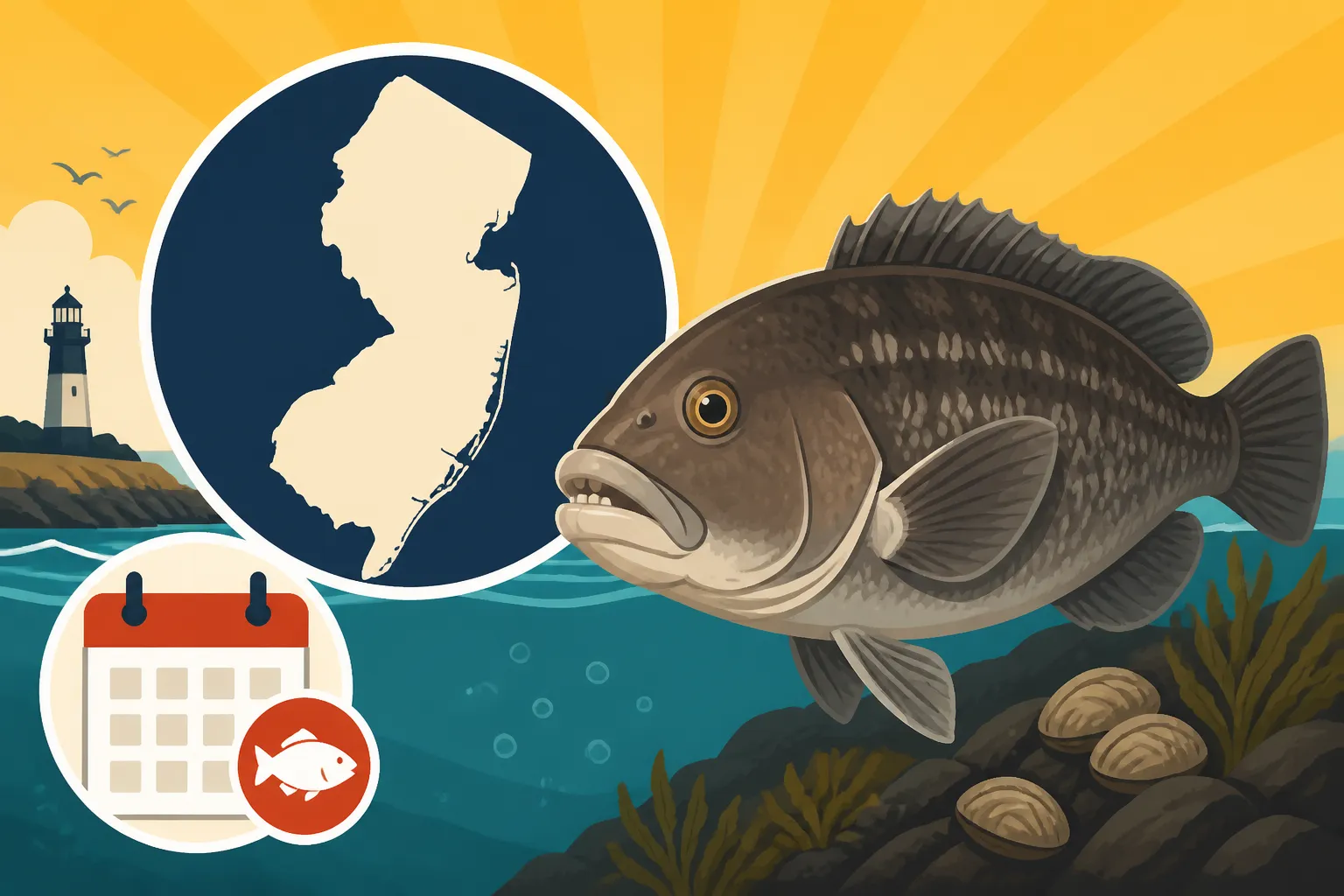
New Jersey Tautog Season Dates
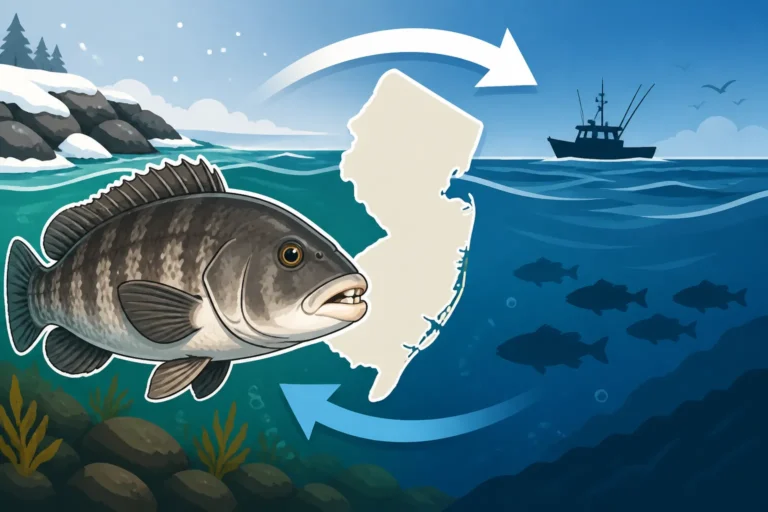
Trying to figure out the exact dates for tautog (blackfish) season in New Jersey can feel like navigating a constantly shifting maze. One year it's open, the next it's a few weeks shorter, and the bag limits seem to change with the tide! It’s enough to make even the most seasoned angler scratch their head and wonder if they’ll ever get their favorite wreck-dwelling species dialed in. This guide will walk you through the typical tautog season structure, explain why the dates fluctuate, and show you exactly where to find the most current and reliable information so you can plan your next trip with confidence.
Understanding New Jersey's Tautog Regulations
Tautog, often affectionately called blackfish by local anglers, are a highly sought-after species in New Jersey's marine waters. Their delicious white meat and strong fighting spirit make them a prized catch, but also one that requires careful management. The regulations surrounding their season dates, bag limits, and size restrictions are designed to ensure their populations remain healthy for future generations.
Why Tautog Seasons Shift
It's natural to feel a bit frustrated when the regulations for a species like tautog seem to change from year to year, or even within a single year. These shifts aren't arbitrary decisions made to complicate your life; they're based on scientific data and conservation efforts. Tautog populations are carefully monitored, and regulatory bodies, like the Atlantic States Marine Fisheries Commission (ASMFC), work with state agencies to set quotas and seasons. Factors like spawning success, fishing pressure, stock assessments, and environmental conditions all play a role. If a specific year shows a dip in the population, or if fishing pressure has been particularly high, regulators might shorten a season or reduce bag limits to protect the breeding stock and allow the species to recover. This dynamic approach is essential for long-term sustainability, even if it means we, as anglers, have to stay on our toes.
The Importance of Knowing Current Dates
Imagine waking up early, grabbing your green crabs, gassing up the boat, and heading out to your favorite rocky patch, only to find out the tautog season closed yesterday. It’s a gut punch, right? Or worse, you catch a limit of beautiful blackfish, only to have a New Jersey Conservation Police officer pull up and inform you that you were fishing out of season, or that your fish are all undersized. Penalties for fishing without proper knowledge of the rules can range from fines to confiscation of gear, and nobody wants that. Knowing the current season dates is paramount. It allows you to plan your trips effectively, book a spot on a popular party boat, or coordinate with friends for a successful day on the water. It also speaks to a broader respect for the resource and the efforts made to preserve it. Being informed isn't just about avoiding trouble; it's about being a responsible angler.
Typical Structure of New Jersey's Tautog Season
New Jersey's tautog season often feels like a series of opening and closing acts, designed to balance angler opportunity with conservation needs. While the exact dates and limits are subject to change annually, there's a general rhythm to how the season typically unfolds.
The Fall and Winter Bites
For many tautog enthusiasts, the late fall and early winter represent the prime time to target these hard-fighting fish. As the water temperatures begin to drop, tautog become more active, feeding heavily to build up reserves for the colder months. This often translates into excellent fishing. You'll typically find an extended season running through much of November and December, sometimes even into the first week of January. This period is when the fishing can be most consistent, with fish congregating around wrecks, reefs, and rocky structures in both the bays and nearshore ocean. Anglers often brave the colder temperatures for the chance to hook into some impressive "white chins" during this robust part of the season. Once this window closes, there's usually a complete closure for a period, giving the fish a much-needed break from angling pressure during the coldest parts of winter when they are less active.
The Spring Opportunities
After a winter hiatus, a shorter, often more restrictive spring tautog season usually opens, much to the delight of anglers who've been longing for the tug of a blackfish. This spring season typically occurs sometime in March or April, sometimes extending into May, and is often characterized by tighter bag limits compared to the fall. The spring bite can be fantastic, especially as the tautog move into shallower waters for their spawning activities. However, because this is a critical time for reproduction, regulators often implement stricter rules to protect the fish during this vulnerable period. It's a balancing act: allowing anglers to enjoy some early season action while ensuring enough fish can successfully spawn. These spring windows can be relatively short, sometimes just a few weeks, which is why paying close attention to the official dates is so important.
Key Factors Beyond Season Dates: Bag and Size Limits
While knowing when you can fish for tautog is half the battle, understanding how many you can keep and how big they need to be is equally crucial. These regulations work hand-in-hand with season dates to manage the stock sustainably.
Decoding Daily Bag Limits for Tautog
The daily bag limit for tautog specifies the maximum number of fish an individual angler can keep in a single day. This limit is one of the primary tools used by fisheries managers to control harvest and is often adjusted based on the health of the tautog population and the specific season. For instance, you might find that the daily bag limit is more generous during the bustling fall and early winter seasons, when fish are plentiful and actively feeding. Then, come the spring spawning season, that limit might be significantly reduced to protect the reproductive stock. It's not uncommon for the daily limit to be just one or two fish per person during spring, while it could be higher, perhaps three to five, during the peak fall bite. Always double-check the current New Jersey Daily Bag Limits by Species before you head out, as these numbers are perhaps the most frequently adjusted regulations. Failing to adhere to bag limits can lead to serious consequences, and ignorance is rarely an excuse in the eyes of law enforcement.
The Minimum Size Requirement
Along with bag limits, a minimum size requirement is in place for tautog, meaning any fish you catch must measure at least a certain length from the tip of its snout to the end of its tail (often referred to as total length) to be legally kept. This rule is designed to ensure that most tautog have had the opportunity to spawn at least once, contributing to the next generation before being harvested. Catching "shorts" – fish that don't meet the minimum length – is an almost unavoidable part of tautog fishing. You'll often hook into many smaller fish while targeting the keepers, especially when fishing around structure. This is why having a tape measure or a designated fish ruler on board or with you at the jetty is non-negotiable. If a fish doesn't measure up, it must be immediately and carefully released back into the water. Proper handling of these undersized fish is critical for their survival; minimizing their time out of water and using de-hooking tools can make a big difference. For the most precise measurement rules and current minimum lengths, always consult the New Jersey Tautog Season and Size Limit section in the latest official regulations.
| Season Period | Typical Bag Limit (per person) | Typical Minimum Size | Common Characteristics |
|---|---|---|---|
| Fall/Early Winter | 4-5 fish | 15 inches | Often the most generous season, good for larger fish. Peaks around November/December. |
| Winter Closure | 0 fish | N/A | Period of no harvest, usually from early January through February, allowing fish to rest and conserve energy. |
| Spring | 1-2 fish | 15 inches | Shorter, more restrictive season, often in March/April, sometimes extending to May. Focuses on post-spawn opportunities. |
| Summer | 0 fish | N/A | Typically closed during the warmer months when fish are less concentrated and to reduce pressure on recovering stocks. |
Note: The dates, bag limits, and size limits listed above are for illustrative purposes only and represent common patterns. These are subject to change annually. Always consult the current New Jersey Fish and Wildlife Digest for the most up-to-date and legally binding regulations.
Accessing the Most Up-to-Date Tautog Information
Given that tautog regulations can, and often do, change, relying on outdated information is a recipe for disappointment or even a citation. Knowing exactly where to find the current rules is paramount for any responsible New Jersey angler.
The New Jersey Fish and Wildlife Digest
When it comes to official and current fishing regulations in New Jersey, the undisputed authority is the New Jersey Fish and Wildlife Digest. This comprehensive publication is released annually and covers everything you need to know about fishing in the state, from freshwater to saltwater, including all the specific species regulations like those for tautog. It details season dates, bag limits, minimum size requirements, gear restrictions, and any special regulations for specific bodies of water. Think of it as your fishing bible for the year. You can access the digest in a few ways:
- Online: The easiest and most current method is to download the digital version directly from the New Jersey Division of Fish and Wildlife's official website. This ensures you're seeing the very latest updates.
- Print: Many tackle shops, sporting goods stores, and even some county clerk offices will have free printed copies available at the start of the fishing season. While these are handy, remember that emergency rule changes can happen, so the online version is always the most reliable for real-time adjustments.
Make it a habit to check the Reading the New Jersey Fish and Wildlife Digest every year, and even mid-season if you hear rumblings of potential changes. It’s the single best way to ensure you're always fishing legally and responsibly.
Other Reliable Sources
While the official digest is your ultimate source, there are other avenues that can help you stay informed, especially for quick updates or local insights.
- Official State Websites and Social Media: Beyond the digest, the New Jersey Division of Fish and Wildlife often posts critical updates, news releases, and emergency regulation changes directly on their website and sometimes through their social media channels. Following these can give you timely notifications about a season opening early, closing unexpectedly, or a limit being adjusted.
- Reputable Local Tackle Shops: Your local tackle shop is a goldmine of information. The owners and staff are often passionate anglers themselves, intimately familiar with local conditions and regulations. They're usually among the first to know about regulation changes and can offer practical advice on how to adapt your fishing strategy. Don't be shy about asking questions when you pick up your bait or some new hooks for your next How to Fish for Tautog Around Structure trip.
- Experienced Charter Captains and Guides: If you're fishing with a charter or party boat, the captain and crew are legally obligated to know and follow all current regulations. They are excellent sources of real-time information and can often explain the nuances of the rules in practical terms.
- Online Fishing Forums and Communities: While these can be great for sharing tips and techniques, exercise caution. Always cross-reference any regulation information you find on forums with official sources. Rumors can spread quickly, and what one angler thinks is the rule might not actually be correct. Use them for discussion and general insight, but verify, verify, verify.
Planning Your Tautog Trip Around Regulations
Once you have a handle on the tautog season dates, bag limits, and size requirements, you can start putting together a plan for a successful outing. Regulations aren't just hurdles; they're guides that help you fish smarter and contribute to conservation.
Gear and Bait Considerations for Tautog Seasons
Tautog fishing is a specialized pursuit, requiring specific gear that can withstand their powerful runs and the rugged, snag-filled environments they inhabit. You'll need a stout rod with a sensitive tip, paired with a robust reel spooled with strong braided line – often 30 to 50 lb test – to pull these fish out of heavy structure. Terminal tackle is crucial: strong snelled hooks, heavy bank sinkers (sometimes 8-16 oz or more depending on current and depth), and fluorocarbon leaders are all essential.
When it comes to bait, tautog are notoriously picky, but certain offerings are almost universally effective. Green crabs are the classic choice, followed closely by white leg crabs (fiddlers), clams, and sometimes even pieces of conch. You might find yourself needing to restock regularly if you're hitting those hot spots. Many anglers find it convenient to source some of their gear online, from specialized hooks to braided lines. For instance, Amazon can be a great place to find specific tackle items that might not be readily available in every local shop, especially if you're looking for particular brands or sizes of hooks that excel in Best Bait for Tautog: Green Crab or White Leg Crab? scenarios. Just make sure you're buying quality gear that can stand up to the challenge of a big blackfish.
Tautog Charters and Party Boats
For many anglers, especially those without their own boat or extensive experience in tautog fishing, booking a spot on a charter or party boat is an excellent option. During the open tautog seasons, many of New Jersey's party boats and private charters specialize in targeting blackfish, heading to known wrecks, reefs, and rocky bottom areas where these fish congregate. The advantages are numerous:
- Expert Knowledge: Captains and mates are intimately familiar with the regulations, the best spots, and the most effective techniques. They'll ensure you're fishing legally and with the best chance of success.
- Convenience: Most party boats and charters provide rods, reels, bait, and all the necessary terminal tackle, taking the guesswork out of gear selection. While you might want to bring your lucky rod, it's often covered. This can be especially appealing for beginners.
- Safety: Fishing offshore for tautog can be challenging, and a professional crew ensures a safe and comfortable trip.
Before you book, always confirm the specific dates the boat will be targeting tautog and ask about their specific bag and size limit policies, especially if the state regulations are complex or have just changed. Remember that while the boat covers its own licensing, you, as an individual angler, typically still need to adhere to personal licensing requirements. Check the details on Do You Need Your Own Fishing License on a New Jersey Charter?. Considering a trip? Check out a New Jersey Tautog Charter Guide for insights into specific operations.
Conservation and Responsible Tautog Fishing
Beyond simply following the rules, responsible angling means actively participating in the conservation of tautog. Every angler plays a role in ensuring that this species thrives for generations to come.
Best Practices for Catch and Release
Even when fishing in season, you'll inevitably catch fish that are either undersized, over the bag limit, or simply not what you want to keep. How you handle these fish significantly impacts their survival rate. Tautog are particularly susceptible to barotrauma (injury from changes in pressure) when brought up from deep water, so careful release is essential. Here are some best practices:
- Minimize Air Exposure: Keep the fish in the water as much as possible. If you must bring it aboard, have your measuring device and de-hooking tool ready.
- Handle With Care: Avoid touching the fish's gills or eyes. Support its body horizontally, especially if it's a larger fish.
- Use De-hooking Tools: Long-nose pliers, hook removers, or specialized de-hooking tools can extract hooks quickly and cleanly, minimizing damage to the fish's mouth.
- Vent or Descend if Necessary: If fishing in deep water (typically over 30 feet) and a fish shows signs of barotrauma (e.g., bulging eyes, distended stomach), you may consider using a venting tool to release trapped gas or a descending device to return the fish to depth. Be sure you know how to use these tools properly, or avoid deep-water tautog fishing if you're unsure.
- Release Quickly: Once measured and de-hooked, gently lower the fish back into the water headfirst, allowing it to swim away on its own power. For more general guidelines, refer to Catch and Release Rules in New Jersey.
Reporting Violations and Supporting Conservation
Being a responsible angler also means being an advocate for the resource. If you witness someone violating tautog regulations – whether it's keeping undersized fish, exceeding bag limits, or fishing out of season – it's important to report it. These violations undermine all the hard work put into conservation efforts and can negatively impact the future of the fishery. You can discreetly contact the New Jersey Conservation Police. Information on how to do so, including contact numbers, can often be found in the New Jersey Fish and Wildlife Digest or on the state's official website. Your anonymity is typically protected.
Furthermore, every time you purchase a New Jersey Fishing License Guide for 2026 or other related permits, a portion of those funds goes directly towards conservation programs, scientific research, and enforcement efforts that benefit tautog and other species. It's a small but significant way we all contribute to the health and longevity of New Jersey's incredible fishing opportunities. Learning about the role of New Jersey Conservation Police and License Checks can give you a better understanding of how these regulations are upheld.
This article is for general informational purposes only and does not constitute professional advice. Laws, prices and regulations vary by location and change over time. Consult a qualified professional for guidance on your specific situation.