Trout Stocked Lakes Stay Open During New Jersey’s Preseason Closure
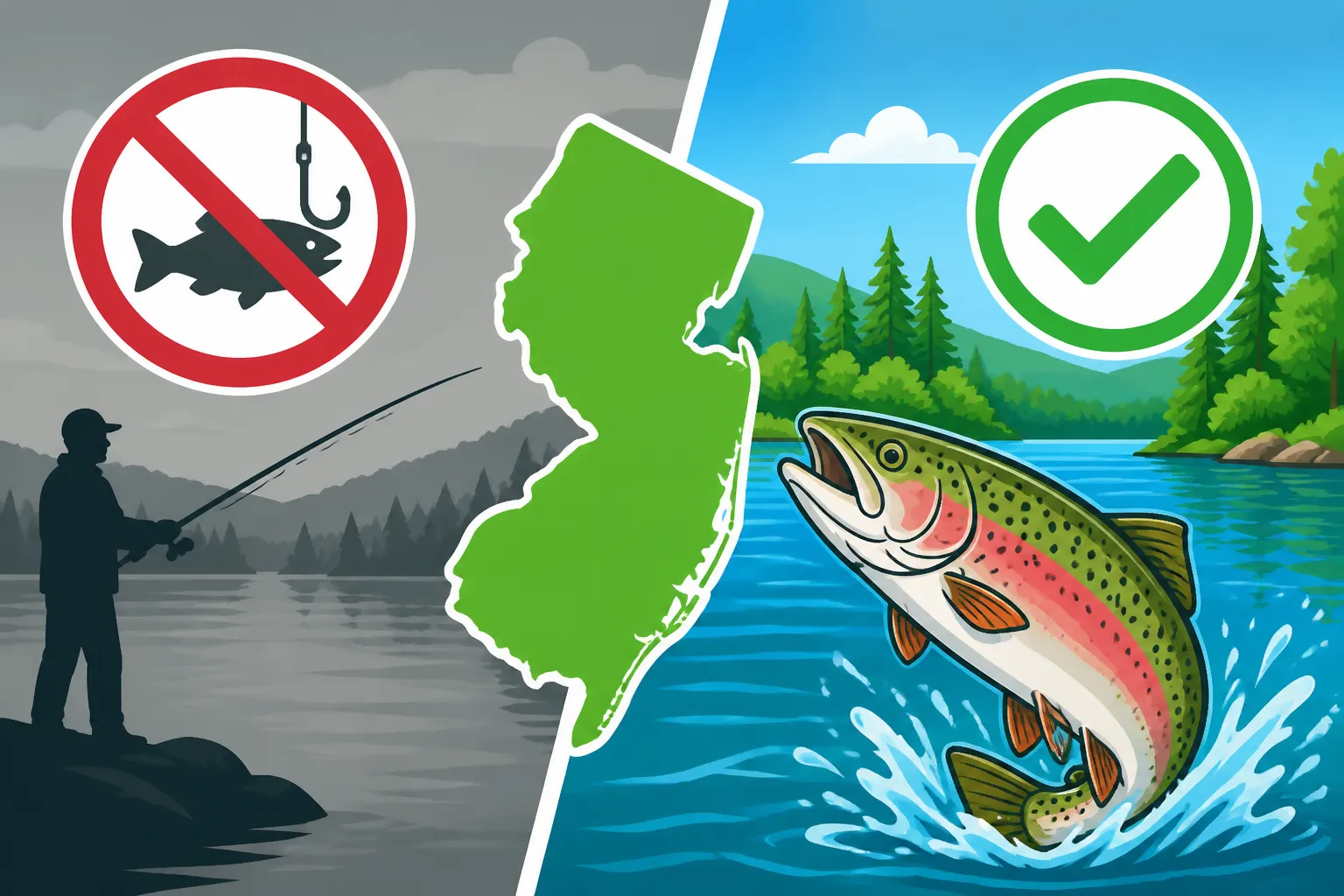
It's a frustrating annual puzzle for so many anglers in New Jersey: the dreaded preseason trout closure. Just when you're itching to get out on the water after a long winter, streams and rivers slam shut, leaving many wondering where they can even cast a line. The good news is, while many prime trout waters are indeed closed for stocking, there's a crucial distinction that often gets overlooked: many of New Jersey's trout-stocked lakes and ponds actually remain open for fishing. This guide will clear up that confusion and show you exactly how to take advantage of these early season opportunities.
Understanding New Jersey's Trout Preseason Closure
The concept of a "preseason closure" can feel like a contradiction, especially when all you want to do is fish. But there's a method to the madness, even if it sometimes feels like the New Jersey Fish and Wildlife is just trying to keep us off the water. Understanding the why behind the rules for streams versus lakes is key to navigating these regulations without getting a ticket.
The Purpose of the Annual Stream Closure
For many of New Jersey's most popular trout streams and rivers, an annual preseason closure is absolutely essential. The main reason is quite simple: it allows the state to stock these waters with thousands of trout, giving the fish time to acclimate and spread out before the chaos of opening day. Imagine if anglers were lined up shoulder-to-shoulder, catching fish as soon as they hit the water. It wouldn't be much of a sport, and it certainly wouldn't be fair. This closure, typically from around mid-March until the first Saturday in April, ensures that everyone gets a more equitable shot at catching freshly stocked trout once the season officially opens. It's a period of enforced rest, allowing the trout to settle in and providing a brief reprieve for the waterways themselves. Without this closure, the pressure on these delicate stream ecosystems, particularly during the peak stocking period, would be immense, potentially disrupting natural processes and making for a far less enjoyable angling experience for everyone. If you want to dive deeper into the specifics, check out our guide on the New Jersey Trout Season Preseason Closure Explained.
The Unique Case of Trout-Stocked Lakes and Ponds
Now, here's where the nuance comes in, and it's a game-changer for early birds. Unlike streams and rivers, many of New Jersey's designated trout-stocked lakes and ponds remain open to fishing year-round, even during the general preseason closure for streams. This isn't an oversight; it's a deliberate management strategy by the New Jersey Fish and Wildlife. The rationale is multifaceted. First, lakes are generally larger and more stable environments than streams, making them less susceptible to the immediate impacts of heavy angling pressure after stocking. The fish can disperse more easily. Second, many of these lakes are designed to offer year-round trout opportunities, providing a different type of fishery than the stream-specific "opening day" tradition. Think of it as a continuous opportunity rather than a sudden burst. This means you can often find fantastic trout fishing in these open lakes throughout the preseason, as long as you adhere to the specific regulations for that body of water. It's a crucial distinction that can mean the difference between sitting at home wishing you could fish and actually being out on the water, reeling in some beautiful early-season trout.
Navigating the Rules for Open Trout-Stocked Lakes
Just because these lakes are open doesn't mean it's a free-for-all. Every body of water in New Jersey has its own set of rules, and ignorance is definitely not bliss when it comes to fishing regulations. Understanding the specific guidelines for these open trout-stocked lakes is paramount to having a successful and compliant fishing trip during the preseason.
Specific Lake Rules and Exceptions
While many trout-stocked lakes generally stay open, it's vital to remember that each lake can have its own quirks. For instance, major bodies of water like Lake Hopatcong, Round Valley Reservoir, and Merrill Creek Reservoir are often prime examples of places where trout fishing continues through the preseason closure. These larger reservoirs are managed to sustain a year-round fishery, often holding larger, holdover trout alongside fresh stockings. However, you'll need to confirm the specific rules for the lake you plan to visit. The official New Jersey Fish and Wildlife Digest: Where to Find the Current Rules is your absolute best friend here, as it provides the most up-to-date information on seasonal closures, special regulations, and specific lake listings. Some smaller ponds or those within state parks might have slightly different rules, so never assume. Always consult the digest or the NJ Fish & Wildlife website directly before heading out. Also, it's important to remember that while the lake might be open, access points might be restricted in certain state parks or private areas, so plan your trip carefully. For instance, understanding What New Jersey Fishing License Do You Need for Round Valley Reservoir is just as important as knowing the specific trout regulations for that incredible body of water.
To help visualize the difference, here's a quick comparison:
| Feature | Trout-Stocked Streams/Rivers (Preseason) | Trout-Stocked Lakes/Ponds (Preseason) |
|---|---|---|
| Status | Closed to all trout fishing | Open to trout fishing and other species |
| Purpose of Closure | Allow stocking, fish acclimatization, fair start | Not applicable; continuous access is allowed |
| Trout Stocking | Occurs during closure, prior to opening day | Can occur at various times, including preseason |
| General Species | No fishing permitted for trout | Trout and other legal species allowed |
| License Required | Valid fishing license (and trout stamp on opening day) | Valid fishing license + New Jersey Trout Stamp Requirements Explained |
| Key Resource | NJ Fish & Wildlife Digest (preseason closure dates) | NJ Fish & Wildlife Digest (year-round waters list) |
When you're out on these open lakes, the general trout regulations for size and bag limits still apply. Currently, for most open waters, the daily creel limit for trout is four fish, with a minimum size of 9 inches. However, these numbers can change annually, so always double-check the latest regulations in the digest. Penalties for exceeding bag limits or keeping undersized fish can be steep, so it's not worth the risk.
What You Can and Can't Fish For During the Preseason
The great thing about these open trout-stocked lakes is that they often hold a variety of other species besides trout, offering diverse angling opportunities even during the trout preseason. While you're specifically targeting trout, you might also hook into largemouth bass, pickerel, perch, or various panfish, depending on the lake. The critical thing to remember is that while trout are fair game, all other species are subject to their specific statewide or regional regulations regarding season dates, minimum size limits, and daily bag limits. You absolutely cannot just keep any fish you catch.
For example, if you're fishing a lake that holds both trout and largemouth bass, and it's during a time when bass season is closed or catch-and-release only, then you must release any bass you catch immediately and carefully. It's not uncommon for anglers to go out specifically for trout and end up having a great day catching a mix of species, but you need to be dialed into the specific rules for each one. This is why having a copy of the New Jersey Freshwater Fishing Regulations Every Angler Should Know either digitally on your phone or a physical copy from a tackle shop is non-negotiable. Don't let the excitement of a trout bite make you forget about the black bass rules!
Maximizing Your Preseason Trout Lake Experience
Fishing during the trout preseason in open lakes offers a unique quietude and a chance to hone your skills before the crowds descend on opening day. It's a chance to enjoy the peace of the water and potentially land some beautiful fish. But like any specialized angling, there are ways to increase your chances of success and ensure you're doing everything by the book.
Recommended Gear and Tactics for Early Season Lake Trout
Trout in lakes, especially freshly stocked ones, can be a bit more predictable than their wild stream counterparts. They're often cruising shallower waters, especially where there's recent oxygenation or food sources. When it comes to gear, you don't need anything overly complex. A light to medium-light spinning rod and reel combo, spooled with 4-6 pound test monofilament or fluorocarbon, is perfect. This setup allows for sensitive bites and offers good casting distance for shore anglers.
For bait, traditional options like Berkley PowerBait (in bright colors like chartreuse or rainbow) or scented dough baits are highly effective. Live baits such as garden worms, mealworms, or small shiners, if legal in the lake, can also be irresistible. Present these on a small hook (size 8 or 10) with a light split shot a foot or two above it, allowing the bait to suspend just off the bottom or drift naturally. If you prefer lures, small inline spinners (like Panther Martins or Mepps Aglia) in silver, gold, or bright colors can trigger aggressive strikes. Small spoons or even micro jigs tipped with a grub can also produce. When fishing these, a slow, steady retrieve is often all it takes. Many of these items are easily found on platforms like Amazon, where you can quickly compare different brands and read reviews before making your purchase. Remember, trout often respond well to scent and visual triggers, so having a variety of options in your tackle box from brands available on Amazon can really make a difference on a slow day. Don't be afraid to experiment with different depths and retrieve speeds until you find what the fish are keying in on.
Best Practices for Success and Compliance
Being a successful angler isn't just about catching fish; it's about being responsible and respectful of the resource and other anglers. This is especially true during the unique preseason period. First and foremost, always, always, verify the most current regulations. The New Jersey Fish and Wildlife website and the annual digest are your authoritative sources. Remember, regulations can change, and what was legal last year might not be this year. This includes checking for any specific rules for the lake you intend to fish, as well as general statewide regulations on How Bag and Size Limits Work in New Jersey for trout and other species.
Next, ensure you have all your necessary paperwork in order. This means a valid New Jersey Fishing License Guide for 2026 is essential, and if you plan to keep trout from these waters, a valid New Jersey Trout Stamp Requirements Explained is also required. These are not optional! Conservation is also key: if you plan to release fish, handle them with care, minimizing their time out of the water. Consider using barbless hooks to make releasing fish easier and less stressful for them. Pack out everything you pack in, leaving no trace behind. This preserves the natural beauty of the fishing spot and shows respect for the environment. Finally, if you're using public access points, be mindful of others. Give fellow anglers space, especially if they're already set up in a spot. A little courtesy goes a long way in making everyone's time on the water more enjoyable. Many experienced anglers often find their preferred fly fishing gear or ultralight spinning rods on Amazon, especially if they are looking for specific brands or models not readily available locally.
Disclaimer
The information provided in this guide is for general informational purposes only and is subject to change. Fishing regulations, license requirements, and season dates are determined by the New Jersey Department of Environmental Protection, Division of Fish and Wildlife, and can be updated at any time. Always consult the most current official New Jersey Fish and Wildlife Digest or their official website before engaging in any fishing activities. Compliance with all applicable laws and regulations is the sole responsibility of the angler.