New Jersey Trout Season Preseason Closure Explained
It's a familiar sting for many New Jersey anglers: the excitement of spring, the promise of fresh trout, only to remember that many of our favorite rivers and streams suddenly close before opening day. This frustrating period, known as the preseason closure, can feel like a cruel tease, halting your angling plans just as the weather turns nice. However, it's a vital component of our state's trout management strategy. This guide will demystify why these waters close, what specific rules are in play, and how you can navigate the regulations to make the most of New Jersey's fantastic trout fishing opportunities.
Understanding the New Jersey Trout Season Preseason Closure
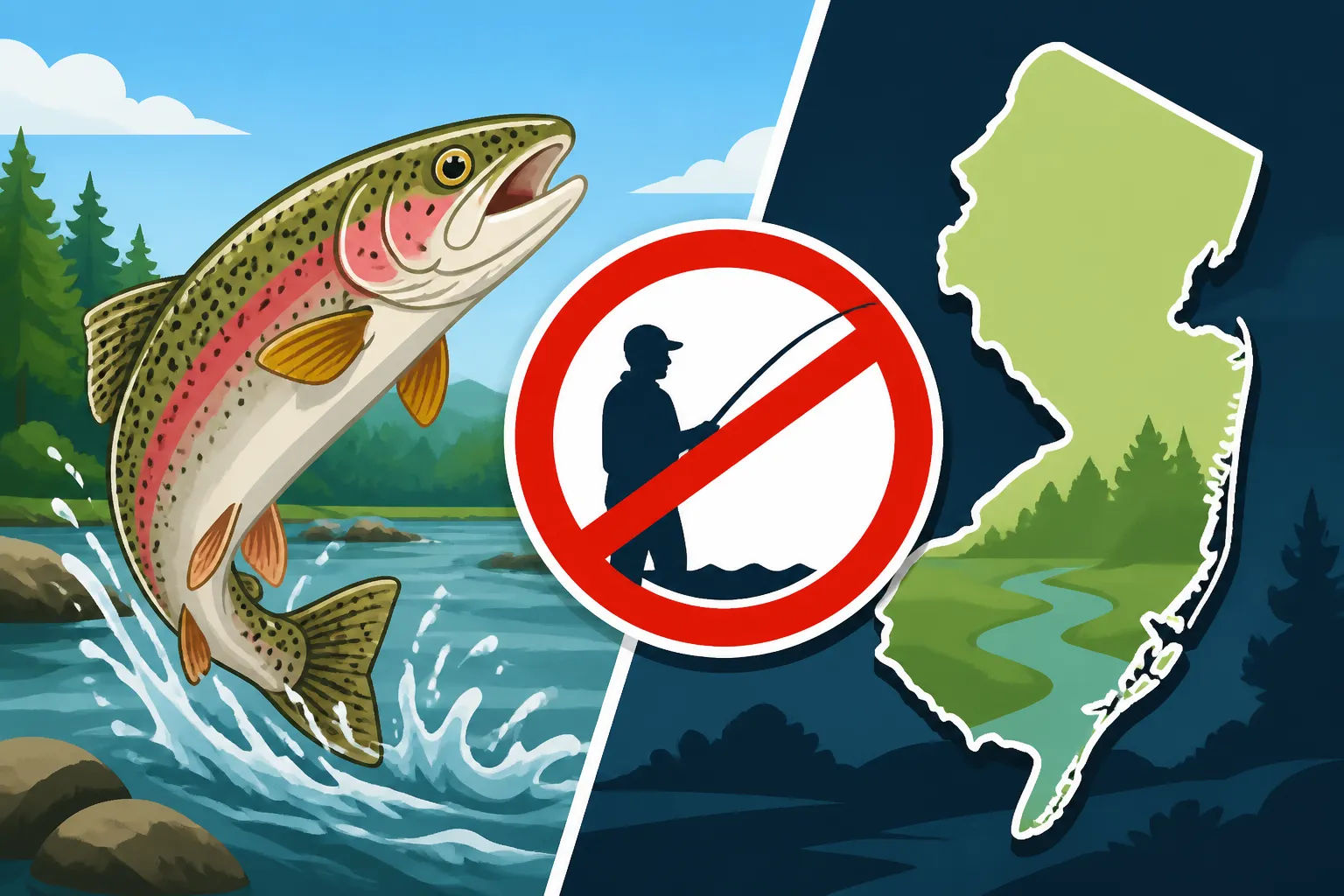
For those new to trout fishing in the Garden State, or even seasoned anglers who just haven't paid close attention to the dates, the preseason closure can be a bit of a head-scratcher. Essentially, it's a period each spring when most of New Jersey's trout-stocked waters, particularly rivers and streams, are closed to all fishing. This isn't just a suggestion; it's a strict regulation enforced by the New Jersey Department of Environmental Protection (NJDEP) Division of Fish and Wildlife.
Defining the Closure Period
The preseason closure typically begins a few weeks before the much-anticipated statewide opening day of trout season. For example, in 2026, the closure is set to commence on March 17th. From this date until 8:00 AM on the official opening day (which is usually the second Saturday in April), these designated waters become off-limits to anglers. During this time, you cannot fish for trout, or any other species, in these specific locations. It's a blanket ban on angling activity to facilitate the state's extensive stocking efforts. If you're ever unsure about the exact timing, you can always refer to the official New Jersey Trout Season Dates and Closures outlined in the annual Fish and Wildlife Digest.
This closure is distinctly different from the general "off-season" where fishing might still be permitted for non-trout species or in non-stocked waters. The preseason closure is a very specific, intensive management period. Imagine you've been gearing up, perhaps even buying some new fishing line or a fresh batch of PowerBait from Amazon, only to realize your favorite stream is temporarily shut down. It's a bummer, but it serves a crucial purpose, ensuring a robust and fair opening day for everyone.
Identifying Affected Waters
Not every single body of water in New Jersey closes during the preseason. The closure specifically applies to waters that are actively stocked with trout by the state. These are generally the rivers, streams, and some lakes that receive a fresh injection of hatchery-raised rainbow, brown, and brook trout in the weeks leading up to opening day. The NJDEP publishes a list of these "Trout Stocked Waters" annually. It's not just a general guideline; these lists are quite precise, often specifying exact river sections or lake boundaries.
You might think that if you're not targeting trout, you should still be able to fish. However, in these specific closed waters, the regulation prohibits all fishing. This means you can't even cast for bass, sunfish, or pickerel in a section of a stream that is designated as a trout-stocked water during the closure. The logic behind this is simple: preventing accidental catches of newly stocked trout or disturbance of the stocking process itself. Understanding New Jersey Freshwater Fishing Regulations Every Angler Should Know is crucial here, as penalties for violating these closures can range from fines to license suspension.
The Rationale Behind the Closure
So, why does New Jersey implement such a strict closure? It’s not to annoy anglers, though it can certainly feel that way when you’re itching to get out on the water. The reasons are rooted in sound fishery management principles, aiming to enhance the trout fishing experience for everyone and to protect the substantial investment the state makes in its stocking program.
Protecting Newly Stocked Trout
The primary reason for the preseason closure is to protect the vast numbers of trout that are stocked into New Jersey's waterways during the weeks leading up to opening day. The NJDEP stocks hundreds of thousands of trout annually across the state, a monumental effort that ensures there are plenty of fish for anglers to pursue. When these fish are first introduced into a new environment, they can be vulnerable. They might be disoriented, less wary of predators, and still adjusting to their new surroundings.
If fishing were allowed during this critical stocking period, many of these newly introduced trout would be caught immediately, significantly reducing the number available for the official opening day. This would negate the purpose of stocking and lead to a much less rewarding experience for the thousands of anglers who participate in the opening day tradition. By closing the waters, the state gives these trout a chance to acclimate and disperse, ensuring a more equitable distribution and a higher density of fish when the season finally opens. This management strategy helps ensure that the state's investment in its hatchery program truly benefits the maximum number of anglers.
Ensuring Fair and Equal Opportunity
Another significant aspect of the preseason closure is to promote fairness and equal opportunity for all anglers. Without a closure, a small number of anglers who have the time and resources to fish frequently could potentially "clean out" easily accessible areas long before opening day, leaving little for others. The closure creates a level playing field, ensuring that everyone, from families introducing their kids to fishing to dedicated trout fanatics, has a fresh chance at catching fish on opening day.
Imagine the frustration of showing up on opening day, only to find that your favorite spot has been heavily fished for weeks, with sparse fish remaining. The preseason closure prevents this scenario. It builds anticipation and creates a shared, celebratory event each year when the season officially opens, drawing communities together around the tradition. This shared experience is a cornerstone of New Jersey's angling culture, and the closure plays a critical role in preserving it. The collective excitement of When Does New Jersey Trout Season Open in 2026? is a direct result of this preseason management.
Logistical Support for Stocking Operations
Let's not forget the practical side of things. Stocking hundreds of thousands of trout across dozens of waterbodies is a massive logistical undertaking. It involves specialized trucks, personnel, and precise timing to ensure the fish are delivered healthy and ready for release. Having anglers present on the water during these operations could create safety hazards, impede access for stocking vehicles, and add unnecessary stress to the process.
By closing the waters, the NJDEP can conduct its stocking operations efficiently and safely, without interference. This ensures that the fish are handled with care and released into the waters in the best possible condition, maximizing their survival rate and their availability for anglers. It's a complex dance of conservation and recreational opportunity, and the closure provides the necessary space for the choreography to unfold smoothly. If you've ever watched a stocking truck release fish, you'd appreciate the need for clear access and minimal disturbance.
Where You Can Still Fish During the Preseason Closure
While many popular trout waters are off-limits during the preseason, it’s not a complete shutdown of all angling in New Jersey. There are specific exceptions and designated areas where you can still wet a line. Knowing these spots is key to avoiding frustration and keeping your fishing skills sharp before opening day.
Trout Stocked Lakes and Ponds
One of the most important exceptions to the preseason closure rule involves New Jersey’s trout-stocked lakes and ponds. Unlike rivers and streams, many of these larger impoundments remain open to fishing throughout the preseason period. This is fantastic news for anglers who prefer stillwater fishing or want an alternative during the closure. The NJDEP typically stocks these lakes and ponds simultaneously with the streams, but due to their larger size and different hydrological characteristics, the impact of early angling is less concentrated.
These open lakes often include popular spots like Lake Hopatcong, Lake Aeroflex, and many of the smaller municipal and county ponds that receive trout. While you won't be fishing for the same wild, stream-dwelling trout, the stocked fish in these lakes provide excellent opportunities. Just remember that daily creel limits and minimum size requirements for trout still apply, even during the preseason. It's always a good idea to consult the latest regulations for specific lake rules. For a comprehensive list of these accessible waters, check out our guide on Trout Stocked Lakes Stay Open During New Jersey's Preseason Closure. You might even find some excellent deals on lake-specific tackle on Amazon while researching your next outing.
Holdover Trout and Other Species in Unstocked Waters
Beyond the designated trout-stocked lakes and ponds, there are countless other freshwater bodies in New Jersey that are never stocked with trout by the state. These include many rivers, streams, and lakes that might hold native fish populations, warmwater species like bass, pickerel, and panfish, or even "holdover" trout from previous stockings that have survived in suitable conditions. These unstocked waters generally remain open to fishing year-round, provided they are not otherwise protected or privately owned.
For instance, many sections of larger rivers, or smaller streams that aren't part of the state's stocking program, can be fished for smallmouth bass, largemouth bass, catfish, or crappie. This is a perfect opportunity to switch gears and target different species. You might even discover some hidden gems! Just be absolutely certain the waterbody you choose is not on the official list of preseason closed trout waters. A casual misidentification could lead to a fine. It’s also important to remember that any trout you might accidentally catch in these unstocked waters should generally be released immediately and unharmed, unless local regulations explicitly permit their harvest.
Special Management Zones and Catch-and-Release Areas
New Jersey also has various special regulation areas, often called "Trophy Trout Lakes" or "Seasonal Trout Conservation Areas." Some of these unique zones might have different rules regarding fishing during the preseason. For example, some trophy trout lakes or specifically designated catch-and-release fly-fishing-only sections might have extended seasons or different closure periods, or in some rare cases, might even be open to catch-and-release fishing during parts of the general closure.
However, these are very specific exceptions and require careful study of the current year's regulations. You cannot assume these areas are open without confirming. The default rule for trout-stocked rivers and streams is closure. Always check the official NJDEP Fish and Wildlife Digest for the most up-to-date and detailed information on these special areas. The digest is your best friend when it comes to understanding all the nuances of New Jersey Trout Stamp Requirements Explained and other specific regulations.
Here's a quick reference table for clarity:
| Waterbody Type | Preseason Status (General Rule) | What You Can Do During Closure | Important Note |
|---|---|---|---|
| Trout-Stocked Rivers/Streams | CLOSED | No Fishing Allowed | Opens 8:00 AM on official opening day |
| Trout-Stocked Lakes/Ponds | OPEN | Fish for Trout and Other Species | Check specific bag/size limits; some exceptions may apply |
| Non-Stocked Freshwater | OPEN | Fish for Warmwater Species (Bass, Perch, etc.) | No trout stocking by state; may hold wild or holdover trout |
| Trophy Trout Lakes | Varies by specific lake | Check official digest for details | May have different season dates or special rules |
| Saltwater | OPEN | Fish for Saltwater Species | Requires Saltwater Registry; separate rules apply |
Preparing for Opening Day and Beyond
The preseason closure isn't just a waiting period; it's an opportunity. While you can't be out on your favorite trout stream, you can certainly be preparing, planning, and getting everything in order for a successful opening day and the weeks that follow. This proactive approach can make all the difference in your angling success.
Gear Check and Maintenance
This quiet period before the season bursts open is the absolute best time to go through all your fishing gear. Think about it: once opening day hits, you'll want to be on the water, not untangling old line or realizing your waders have a leak. Take out your rods, check for any broken guides, and make sure your reels are properly cleaned and lubricated. Replacing old, brittle fishing line is a must, especially if you're targeting those feisty opening day trout. You can often find great deals on bulk spools of line on Amazon, getting you ready for the season without breaking the bank.
Beyond rods and reels, inspect your tackle box. Are your hooks sharp? Are your lures in good condition, or do you need to replenish your supply of Best Bait for Opening Day Trout like PowerBait, worms, or spinners? This is also a good time to ensure you have all your accessories, like a net, forceps or pliers for hook removal, and a reliable stringer or creel. Don't forget your fishing vest and waders; check them for tears and ensure they’re ready for action. Being prepared means less stress and more actual fishing time when the season arrives.
Studying Regulations and Planning Your Attack
Use the preseason closure to become an expert on the current year's fishing regulations. The New Jersey Fish and Wildlife Digest is your bible here, detailing all the ins and outs of size limits, bag limits, and specific rules for different waterbodies. You might be surprised at how often regulations change, so relying on last year's knowledge can get you into trouble. Take the time to really dive into Reading the New Jersey Fish and Wildlife Digest and understand every nuance, from New Jersey Trout Stamp Requirements Explained to catch-and-release rules.
Beyond the statewide regulations, research specific waters you plan to fish. What are the typical stocking schedules? Are there any special rules for that particular stream or lake? Knowing where to find the fish once they're stocked is half the battle. This planning phase can involve poring over maps, checking online forums for local insights, or even driving by potential spots to scout access points (just remember, no fishing in closed waters!). Thinking about New Jersey Trout Fishing Techniques you'll employ, whether it's bait fishing, spin fishing, or fly fishing, can also give you a leg up.
Exploring Alternative Fishing Opportunities
While the preseason closure can be frustrating if trout are your main target, it's also a fantastic opportunity to broaden your angling horizons. Remember those trout-stocked lakes and ponds that remain open? They can offer some excellent fishing for trout, bass, or panfish. Alternatively, seek out those non-stocked rivers and lakes where warmwater species like largemouth bass, pickerel, or even catfish are active. Early spring can be a prime time for these species as they shake off winter dormancy.
Consider targeting species you don't usually pursue. If you're a dedicated trout angler, perhaps try some crappie fishing with small jigs or minnows, or cast for pre-spawn bass in local lakes. This can be a great way to learn new techniques, discover new fishing spots, and keep your casting arm limber. A quick search on Amazon for "freshwater fishing lures" might even inspire you with new ideas for different species. Expanding your skills now will make you a more versatile and successful angler throughout the year.
The Long-Term Benefits of the Preseason Closure
While the preseason closure might feel like a temporary inconvenience, its benefits are far-reaching, contributing to the health of New Jersey's trout fishery and the overall enjoyment of the angling community. It's a testament to responsible resource management and a commitment to providing a quality recreational experience.
Sustaining a Vibrant Trout Fishery
The primary long-term benefit of the preseason closure is its crucial role in sustaining a vibrant and accessible trout fishery across New Jersey. Without it, the state's intensive stocking program would be far less effective. By protecting newly stocked fish and allowing them to acclimate and disperse, the closure ensures that a healthy population of catchable trout is available not just for opening day, but also for several weeks afterward as How Many Weeks Does New Jersey Stock Trout After Opening Day? is a common question. This extended availability is vital for anglers who can't make it out on opening day or prefer to fish when the crowds have thinned.
This management approach helps distribute fishing pressure, preventing overfishing in easily accessible areas and providing a more natural and rewarding experience throughout the spring season. It's about thinking beyond immediate gratification to foster a sustainable resource for years to come. The collective effort, including the temporary closure, pays off with a much more robust and enjoyable fishing season.
Enhancing the Opening Day Experience
There's an undeniable magic to opening day of trout season in New Jersey. The anticipation, the camaraderie, the sheer number of anglers lining the banks – it's a tradition steeped in excitement. The preseason closure directly contributes to this special atmosphere. Because the waters have been "rested" and heavily stocked, opening day often presents some of the best fishing opportunities of the year. This helps ensure that both seasoned veterans and brand-new anglers, especially kids, have a high chance of success, creating positive memories and fostering a love for the sport.
Imagine the disappointment if opening day was just another day, with few fish to be found. The closure builds up to this crescendo, creating an event that families and friends look forward to annually. It's not just about catching fish; it's about the tradition, the shared experience, and the celebration of spring in the outdoors. This collective enjoyment is a huge win for the angling community, making the temporary closure a worthwhile sacrifice.
Promoting Conservation and Responsible Angling
Finally, the preseason closure serves as a consistent reminder of the importance of conservation and responsible angling. It underscores that our fisheries are managed resources, requiring careful stewardship. By adhering to the closure, anglers actively participate in this conservation effort, even if it's just by staying off the water for a few weeks. This practice cultivates a deeper appreciation for the regulations and the scientific basis behind them.
It encourages anglers to think about the bigger picture: the health of the ecosystem, the sustainability of fish populations, and the enjoyment of future generations. This mindset extends beyond the closure, promoting responsible catch-and-release practices, proper handling of fish, and adherence to all regulations throughout the year. Ultimately, the preseason closure is more than just a closed sign; it's a fundamental pillar of New Jersey's successful trout management program, ensuring fantastic fishing for all.
Disclaimer
The information provided in this guide is for general informational purposes only and does not constitute legal advice. Fishing regulations in New Jersey are subject to change by the NJDEP Division of Fish and Wildlife. It is the responsibility of every angler to consult the most current official New Jersey Fish and Wildlife Digest or the NJDEP website for the precise and up-to-date regulations before engaging in any fishing activity. Non-compliance with fishing regulations can result in fines and penalties.