New Jersey Fishing License for College Students From Out of State
Navigating the ins and outs of fishing regulations can feel like trying to untangle a particularly stubborn bird's nest of fishing line, especially when you're an out-of-state college student trying to enjoy some of New Jersey's fantastic waterways. Many students arrive here, enroll in a university, and assume they automatically qualify for a resident fishing license, only to find out it's not quite that simple. This comprehensive guide is here to clear up all that confusion, helping you understand exactly what kind of New Jersey fishing license you need as an out-of-state student and how to get it, so you can spend less time worrying about rules and more time on the water.
Understanding Residency for Out-of-State College Students in New Jersey
When it comes to fishing licenses, New Jersey has its own specific definition of what constitutes a "resident," and it often differs significantly from how a university or your tax forms might define your residency. This can be a real head-scratcher for students who live in the state for most of the year, attend school, and feel like a local, but legally remain a non-resident for licensing purposes. It's crucial to grasp this distinction to avoid accidentally breaking the rules and facing potential fines.
Defining "Resident" for Fishing Purposes
For the New Jersey Division of Fish and Wildlife, true residency for a fishing license isn't just about where you lay your head for nine months out of the year while classes are in session. The state generally requires an individual to have continuously resided in New Jersey for six months immediately prior to applying for a license, and, perhaps most importantly, they must demonstrate a bona fide intent to remain a New Jersey resident permanently. This "intent to remain" clause is often where out-of-state college students hit a snag.
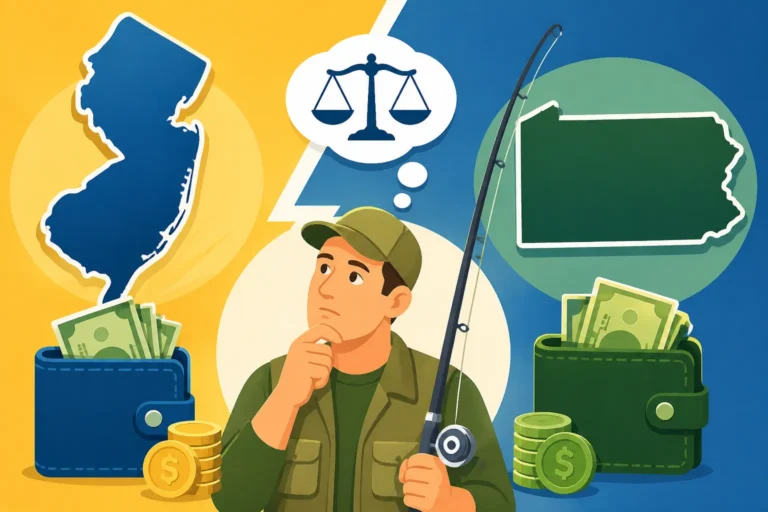
Consider this common scenario: you’re attending Rutgers University in New Brunswick, living in a dorm or off-campus apartment for your four years of study. You might be here from September to May, year after year. While that's a significant portion of the year, if your permanent home address is still in Pennsylvania, New York, or any other state, and your plan after graduation is to return to your home state or move elsewhere, then New Jersey doesn't view you as a permanent resident for fishing license purposes. The intent is key. If your legal domicile, driver's license, vehicle registration, and voter registration are all still tied to your home state, you're likely considered a non-resident by NJ Fish and Wildlife, regardless of your student status. For a deeper dive into the specific criteria, you might find our guide on What Counts as New Jersey Residency for Licensing particularly helpful. It really breaks down the legalities.
Why Out-of-State Students Typically Remain Non-Residents
The main reason why most out-of-state college students are classified as non-residents for fishing licenses boils down to that "intent to remain" clause. While you might be enjoying your time at The College of New Jersey or Stockton University, your primary goal is typically to complete your degree and then move on. Your presence in the state is temporary, even if it spans several years. You're here for an education, not necessarily to establish a new permanent home.
The state looks at a combination of factors to determine residency. They might consider where you file your state income taxes, where your car is registered, where you're registered to vote, and where you hold a valid driver's license. For most college students, these ties remain firmly with their home state. Even if you secure a part-time job in New Jersey while studying, it generally won't override the larger picture of your temporary educational stay. Unless you've taken deliberate steps to establish New Jersey as your permanent legal domicile – such as getting a New Jersey driver's license, registering to vote here, and truly intending to make New Jersey your long-term home after school – you'll likely need to purchase a non-resident fishing license. It’s not a slight, it's just how the regulations are structured to ensure fairness and proper funding for conservation efforts across state lines.
Essential Fishing License Requirements for Non-Resident Students
So, since most out-of-state college students will indeed be classified as non-residents for fishing license purposes, it’s vital to understand exactly what licenses and stamps you’ll need before you cast a line. The requirements vary slightly depending on whether you’re planning to fish in freshwater or saltwater, and whether you’re targeting specific species like trout. Getting it right ensures you can enjoy your time on the water without any unwelcome surprises from a conservation officer.
Freshwater Fishing License Needs
If your plan is to hit up some of New Jersey's beautiful freshwater spots – perhaps Lake Hopatcong for bass, the Musconetcong River for trout, or a local pond for panfish – you'll need a New Jersey Nonresident Annual Fishing License Requirements. This is the basic permit that allows you to fish in any of the state's public freshwater lakes, rivers, and streams. It's a year-long license, valid from January 1st to December 31st, regardless of when you purchase it during the year. The cost for non-residents is naturally higher than for residents, reflecting the fact that residents' taxes also contribute to the state's fish and wildlife programs.
It's also crucial to remember that if you plan on targeting trout, a standard freshwater license isn't enough. You'll need to purchase an additional New Jersey Trout Stamp Requirements Explained. This stamp is mandatory for anyone, resident or non-resident, who is 16 years or older and intends to fish for or possess trout in any of the state's freshwaters. Many college towns, especially those in central and northern New Jersey, are close to excellent trout streams that get heavily stocked each spring and fall. Forgetting this extra stamp is a common mistake that can lead to a summons and a fine, so always double-check your intentions before heading out. Make sure you have both if trout are on your agenda!
Saltwater Fishing and the New Jersey Saltwater Registry
Now, if your passion leans towards the vast opportunities of the Jersey Shore – thinking of surf fishing for striped bass, heading out on a party boat for fluke, or dropping crab traps in Barnegat Bay – the requirements shift a bit. Surprisingly, New Jersey does not require a traditional "saltwater fishing license" in the same way it does for freshwater. Instead, the state implemented the New Jersey Saltwater Registry Program Requirements. This program is a mandatory, but free, registration for anyone (resident or non-resident, including college students) who plans to fish, take, or attempt to take any marine fish, shellfish, or crustacean in New Jersey's marine and estuarine waters.
You might be wondering, "Why a registry instead of a license?" The registry helps the state and federal governments track angler participation, which is crucial for managing fish stocks and securing federal funding for conservation efforts. It replaced a federal registry system, making it more localized and responsive to New Jersey's specific needs. The process is simple and can be completed quickly online. So, even as an out-of-state student, if you're planning a trip to a shore town like Point Pleasant Beach or Cape May for some ocean fishing, make sure you complete your saltwater registry. It’s an essential, no-cost step that ensures you’re fishing legally. You can find detailed instructions on How to Register for New Jersey's Saltwater Registry Program.
Where and How to Purchase Your License
Once you've figured out what licenses you need, the next step is actually getting them in hand. Thankfully, New Jersey has made the process quite straightforward, offering both online and in-person options. Whether you prefer the convenience of your dorm room or the expertise of a local bait shop, you have choices to fit your schedule.
Online Purchase Through the NJDEP Website
For many college students, the easiest and most convenient way to purchase a New Jersey fishing license is directly online through the New Jersey Division of Fish and Wildlife's website. This method allows you to buy your license 24/7 from anywhere with an internet connection – perfect for when inspiration strikes late at night or you suddenly have a free afternoon to hit the water. The process is usually very user-friendly. You'll typically be asked for some basic personal information, including your full name, address (your permanent home state address, as you are a non-resident), date of birth, and a valid form of identification, like your home state's driver's license number.
Once you complete the purchase with a credit card, you'll receive a printable temporary license immediately. This acts as your valid permit until your official license card (if applicable) arrives in the mail, or more commonly, you can just keep this printed version or save a digital copy on your phone. This instant access means there’s no waiting around; you can literally buy your license moments before heading out to your favorite fishing spot. For a comprehensive walkthrough, our article on How to Buy a New Jersey Fishing License Online can guide you step-by-step.
In-Person Purchases at Authorized Agents
If you prefer a more traditional approach, or simply like the idea of chatting with a local expert, you can purchase your New Jersey fishing license in person at various authorized license agents across the state. These agents are typically bait and tackle shops, sporting goods stores, and sometimes larger retailers like Walmart. Places like TackleDirect in Egg Harbor Township or even your local mom-and-pop bait shop near your college campus are excellent places to not only buy your license but also pick up some local knowledge. The staff at these locations are often experienced anglers themselves and can offer invaluable advice on what's biting, where to go, and what bait or lures are working best.
When purchasing in person, you'll still need to provide the same personal identification information, so be sure to bring your valid driver's license or state ID from your home state. The benefit here is the immediate physical license, and the opportunity to stock up on any gear you might need. Speaking of gear, while you can't buy your license on Amazon, it's a fantastic resource for all your fishing tackle, from new rods and reels to a wide array of lures and lines that you might want to have before heading to the checkout counter at a local tackle shop. Many anglers find it convenient to order their bulk supplies or specialized items from Amazon and then get their local bait from the shop when they buy their license. For a list of specific places, check out Retailers That Sell New Jersey Fishing Licenses, Including Walmart.
Temporary and Combination Options for Non-Residents
Beyond the annual non-resident freshwater license, New Jersey also offers a few other options that might be particularly appealing to out-of-state college students, especially if your fishing trips are sporadic or short-term.
For those quick weekend trips or when you're home from school for a short break and want to fish in New Jersey, consider the New Jersey 7-Day Vacation Fishing License Explained or even the New Jersey 2-Day Vacation Fishing License Explained. These short-term licenses are often more cost-effective than an annual non-resident license if you only plan to fish for a few days out of the year. They offer great flexibility, allowing you to pay for just the time you need, making them perfect for spontaneous fishing excursions or when friends come to visit and you want to introduce them to New Jersey's fishing scene without a huge financial commitment.
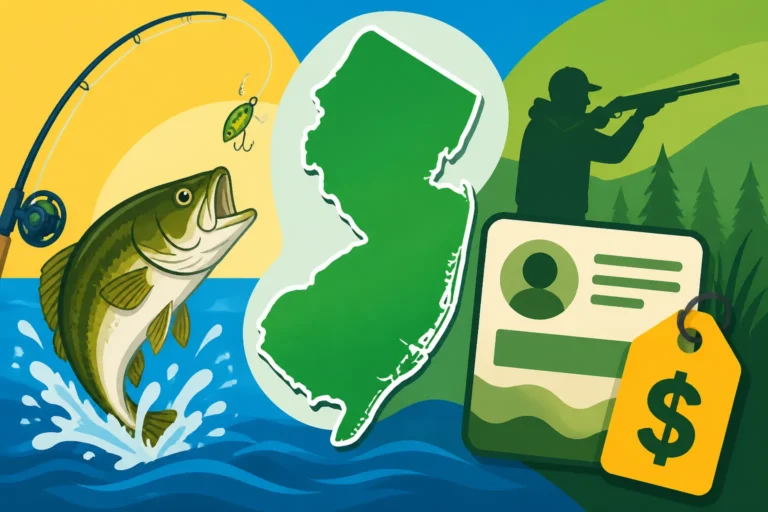
Additionally, while less common for casual anglers, New Jersey also offers New Jersey Combination Hunting and Fishing Licenses. If you happen to be a student who enjoys both hunting and fishing, purchasing a combination license might save you some money compared to buying each license separately. However, like the annual fishing license, this would still be a non-resident version, and all the same residency rules would apply. Always compare the costs to see which option truly makes the most sense for your individual fishing habits and budget.
Navigating Common Questions and Potential Pitfalls
Even once you've secured your New Jersey fishing license, there are still a few nuances that can trip up even experienced anglers, let alone an out-of-state college student who's new to the state's regulations. Understanding how to carry your proof, what to expect in border waters, and specific age requirements will ensure your fishing adventures remain enjoyable and hassle-free.
Carrying Proof and Digital Options
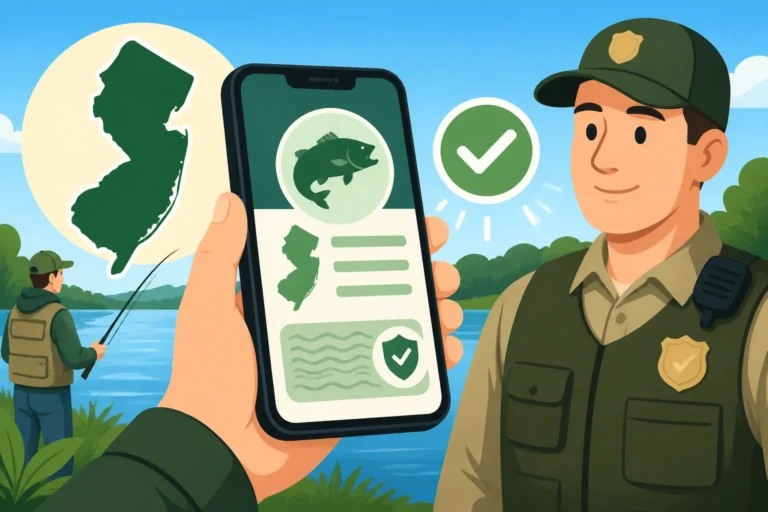
One of the most critical aspects of responsible fishing is always having proof of your valid license on hand. It sounds simple, but it's easy to forget in the excitement of a fishing trip. The state requires you to be able to present your valid New Jersey fishing license and any required stamps (like the trout stamp) upon demand by a conservation officer. Our guide on Carrying Proof of Your New Jersey Fishing License covers this in detail, but the gist is: don't leave home without it.
Thankfully, New Jersey is quite modern in its approach. While a printed physical copy is always a reliable choice, showing a digital copy on your smartphone is generally accepted. Many anglers prefer this method for convenience. Just imagine you're fishing along the Raritan River, and a New Jersey Conservation Police and License Checks officer approaches. Being able to quickly pull up your license on your phone is perfectly fine. However, a word of caution: make sure your phone is charged! A dead battery won't fly as an excuse. Some anglers even take a screenshot of their digital license, just in case they lose cell service in a remote area, which can happen in some of New Jersey's beautiful but less connected wilderness spots. Having a physical backup in your tackle box or wallet is never a bad idea.
Understanding Reciprocity and Border Waters
New Jersey shares borders with several states, and this can create confusion regarding fishing licenses, especially on shared waterways like the Delaware River or Greenwood Lake. It's a common misconception that if you have a license from a neighboring state, it automatically applies to New Jersey's side of a shared body of water. Unfortunately, that's rarely the case for general state licenses.
For instance, when fishing the Delaware River, the rules are quite specific. If you are physically fishing from the New Jersey bank, or actively fishing in the New Jersey waters of the river, you need a New Jersey fishing license. If you're on the Pennsylvania side, you need a Pennsylvania license. The middle section of the river, however, often has reciprocal agreements for certain species, meaning a valid license from either state might be honored. But this is a complex area, and it's always safest to check the latest regulations for specific border waters. Our article, Do You Need Two Licenses to Fish the Delaware River Between New Jersey and Pennsylvania?, offers a much more detailed explanation that every angler planning to fish there should read carefully. The general rule of thumb for out-of-state college students is to assume you need a New Jersey license for New Jersey waters unless you have explicitly verified a specific reciprocal agreement for your exact location and target species.
Age Requirements and Exemptions
Another common question, particularly among younger college students, revolves around age requirements for fishing licenses. In New Jersey, anyone 16 years of age or older needs a valid fishing license (and a trout stamp if applicable) to fish in freshwater. For saltwater, anyone 16 years or older needs to register with the free New Jersey Saltwater Registry. This applies equally to residents and non-residents, including out-of-state college students. So, if you're 16 or older and attending school here, you definitely need to be licensed or registered.
For those younger than 16, great news! Do Kids Under 16 Need a License to Fish in New Jersey? The answer is no, they are exempt from needing a freshwater license or the saltwater registry. This makes fishing a fantastic, accessible activity for younger siblings or friends who might visit you at college.
It's also worth noting that New Jersey does offer exemptions for seniors, specifically residents aged 70 and older, who can fish without a license. However, this exemption only applies to New Jersey residents who meet the age criterion. As an out-of-state college student, even if you are over 70 (which, let's be real, is probably not the case for most college students!), you would still be considered a non-resident and would need to purchase the appropriate non-resident license. Always double-check the New Jersey Fishing License Age Requirements to ensure you're in compliance.
Quick Reference for Non-Resident College Students
To help you quickly determine your licensing needs, here’s a handy table outlining the common scenarios for out-of-state college students fishing in New Jersey.
| Scenario | License Required | Cost (Approx. Non-Resident 2026) | Notes |
|---|---|---|---|
| Freshwater Fishing (Annual) | Non-Resident Annual Freshwater Fishing License | ~$35.00 | Covers all public freshwater bodies. Valid Jan 1 – Dec 31. Purchase online or at agents. |
| Freshwater Fishing for Trout (Annual) | Non-Resident Annual Freshwater + Trout Stamp | ~$45.00 | If fishing for or possessing trout in freshwater. Add-on to your freshwater license. |
| Saltwater Fishing (Annual) | NJ Saltwater Registry | FREE | Required for all marine/estuarine fishing/crabbing. Free to register online. No physical "license" needed beyond registration. |
| Short Freshwater Trip (e.g., 7 days) | Non-Resident 7-Day Vacation Fishing License | ~$20.00 | Great for short visits or specific fishing trips. Cost-effective if not fishing frequently. |
| Short Freshwater Trip (e.g., 2 days) | Non-Resident 2-Day Vacation Fishing License | ~$10.00 | Even more specific for very brief fishing excursions. |
| Fishing under 16 years old | None (Freshwater) / None (Saltwater Registry) | FREE | No license or registration required. |
| Reciprocal Waters (e.g., Delaware River) | Check specific agreements; often both states needed | Varies | Highly specific. Always verify current rules for the exact location you plan to fish. Often, if you're in NJ waters, you need an NJ license. |
This table should give you a clear overview of the costs and requirements. Always remember to verify the latest fees and regulations with the New Jersey Division of Fish and Wildlife, as they can sometimes change year to year.
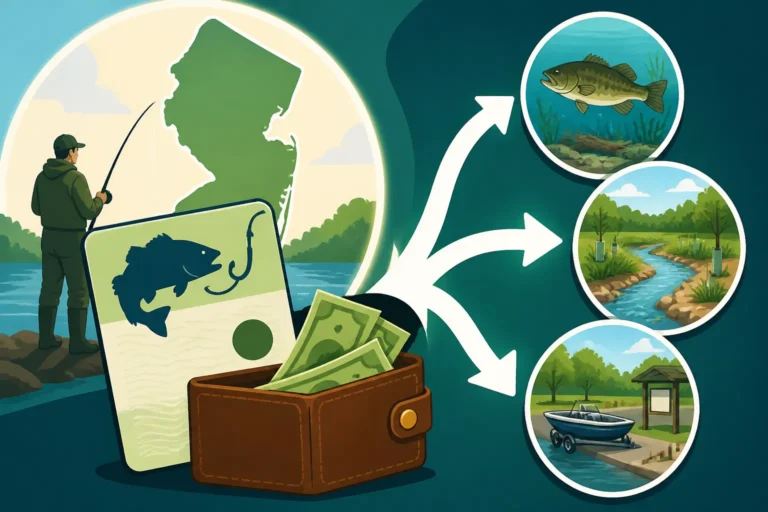
Remember, understanding these rules isn't about bureaucracy; it's about supporting the incredible conservation efforts that keep New Jersey's waters vibrant and full of fish for everyone to enjoy. So grab your gear, get your license squared away, and enjoy all the fantastic fishing opportunities that the Garden State has to offer!
Disclaimer
The information provided in this guide is intended for general informational purposes only and is subject to change. While we strive to provide accurate and up-to-date information, fishing regulations, license requirements, and fees are determined by the New Jersey Division of Fish and Wildlife and can be modified. It is always the angler's responsibility to consult the most current New Jersey Fish and Wildlife Digest or visit the official NJDEP Fish & Wildlife website before engaging in any fishing activities to ensure full compliance with all applicable laws and regulations.