What Happens to Unused New Jersey Fishing License Fees?
It's a question many of us New Jersey anglers ponder as we click "purchase" or hand over our hard-earned cash for an annual fishing license: where does that money actually go? It can feel like just another fee, another hurdle to enjoying our beloved waterways, but those funds are critical. This comprehensive guide will pull back the curtain on the journey of your New Jersey fishing license fees, explaining how they are used to support the fisheries and habitats we all cherish, ensuring our state remains a prime destination for anglers for years to come.
The Foundation: Where Your Fishing License Money Goes
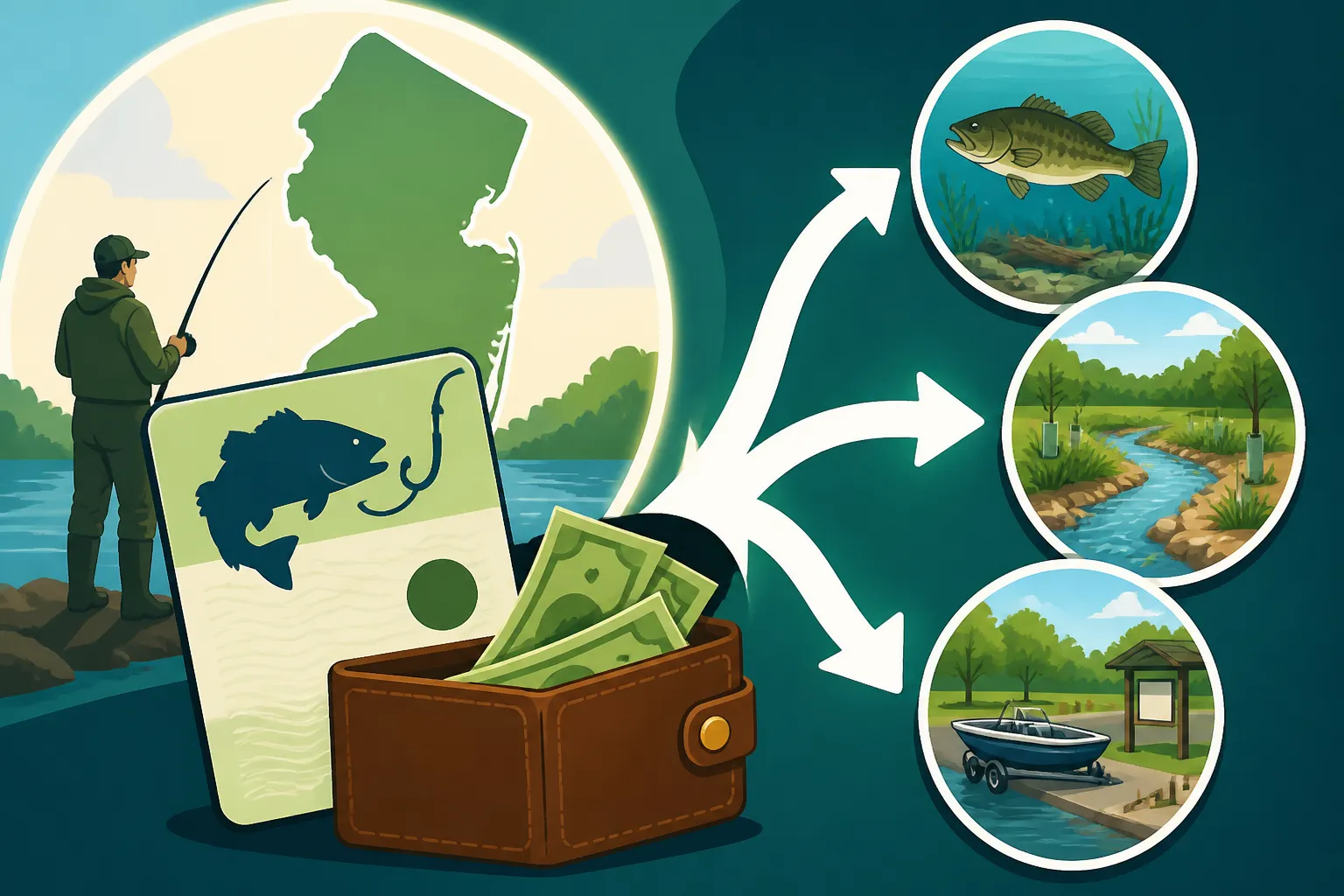
When you buy a New Jersey fishing license, whether it's your annual resident freshwater license or a short-term vacation license for a trip down the shore, that money doesn't just vanish into a general state fund. Far from it! These fees are specifically earmarked and managed to support the vast and complex world of fisheries management and conservation efforts across the state. It's a system designed to ensure that the people who benefit most from healthy fish populations are directly contributing to their sustainability.
The New Jersey Fish and Wildlife Budget Cycle
Think of your license fee as a direct investment in the state's natural resources. The funds generated from fishing license sales, along with hunting licenses and various stamps like the New Jersey Trout Stamp Requirements Explained, form a significant portion of the budget for the New Jersey Division of Fish and Wildlife (NJDFW). This agency is the steward of our state's fish and wildlife populations and their habitats. Each year, they develop a detailed budget that outlines how these funds will be allocated. This isn't a free-for-all; it’s a carefully planned process, often with public input, to address the most pressing conservation needs. The budget covers everything from salaries for biologists and conservation officers to the costs of operating hatcheries and maintaining public access sites. It’s a year-round cycle of planning, expenditure, and reporting to ensure accountability.
Distinguishing Freshwater and Saltwater Funds
It might seem like all fishing money just goes into one big pot, but there's an important distinction, particularly when it comes to how funds are generated and spent for different aquatic environments. Freshwater fishing licenses directly fund freshwater programs. If you're buying a license to fish Lake Hopatcong or the Pequest River, that money is primarily channeled into managing those specific resources. On the saltwater side, while there isn't a traditional "saltwater license" in New Jersey for recreational anglers, revenue from the New Jersey Saltwater Registry Explained (which is free) and other marine-related sources, including federal excise taxes on fishing tackle and motorboat fuel (we’ll get to that in a moment), contribute to marine fisheries management. This distinction helps ensure that resources are allocated appropriately to address the unique challenges and opportunities in each ecosystem. For instance, the challenges facing trout streams are very different from those facing our coastal estuaries and the open ocean.
What About the Federal Aid?
This is where things get really interesting and where your license fee gains even more power. New Jersey, like all other states, benefits immensely from federal aid programs established by landmark legislation such as the Dingell-Johnson Sport Fish Restoration Act (formally the Federal Aid in Sport Fish Restoration Act). This act channels a portion of federal excise taxes collected on fishing equipment, electric boat motors, and motorboat fuel back to state fish and wildlife agencies.
How does this connect to your license fee? The amount of federal aid a state receives is, in part, determined by the number of licensed anglers it has. So, when you buy a New Jersey Fishing License Guide for 2026, you're not just contributing state funds; you're also helping New Jersey qualify for a larger share of these crucial federal dollars. These federal funds are then used for approved projects like fisheries research, habitat improvement, and public access development. It's a brilliant example of how anglers nationwide are uniting to fund conservation, and New Jersey gets its piece of that pie thanks to its licensed fishing community. It’s a significant stream of income that magnifies the impact of your state license purchase.
Funding Conservation: How Fees Directly Support Fish and Wildlife
The primary purpose of your fishing license fees is to fund the conservation and management of New Jersey's fish populations and their critical habitats. Without these dedicated funds, many of the healthy fisheries we enjoy simply wouldn't exist or would be severely diminished. This isn't just about ensuring there are fish to catch; it's about maintaining ecological balance and biodiversity.
Habitat Restoration and Protection
One of the most vital uses of license fees is the protection and restoration of aquatic habitats. Fish need clean water, healthy spawning grounds, and intact ecosystems to thrive. In New Jersey, this means funds are used for projects like restoring riparian buffers along trout streams, improving water quality in lakes and rivers, and creating or enhancing artificial reefs in saltwater environments. For example, efforts to combat erosion on stream banks or remove invasive species that choke out native vegetation are often supported by these funds. Healthy habitats are the backbone of sustainable fisheries, and license fees are directly invested in ensuring these vital areas remain productive. You might not always see the direct impact, but every time you cast your line into a healthy New Jersey waterway, you're experiencing the fruits of these conservation efforts.
Fish Stocking Programs
For many anglers, especially those targeting species like trout, the direct impact of license fees is most visible in the state's extensive fish stocking programs. A significant portion of your freshwater fishing license fees goes directly into supporting the Pequest Trout Hatchery, which raises hundreds of thousands of trout each year. These fish are then stocked into rivers, streams, and lakes across the state, ensuring that there are ample opportunities for anglers, particularly during the popular spring New Jersey Trout Season Preseason Closure Explained and opening days. Without these fees, large-scale stocking programs would be impossible to maintain. Beyond trout, other species like hybrid striped bass and muskellunge are also stocked in various New Jersey lakes, broadening the fishing opportunities available to residents and visitors alike.
Research and Monitoring Efforts
How do biologists know if fish populations are healthy or if regulations need to change? The answer lies in ongoing research and monitoring, which are heavily funded by fishing license fees. Scientists at the NJDFW conduct surveys, track fish migrations, assess population sizes, and study the health of various species. This data is crucial for making informed decisions about How New Jersey Sets Its Fishing Regulations Each Year, setting New Jersey Striped Bass Slot Limit Explained, and determining How Bag and Size Limits Work in New Jersey. From tagging studies on striped bass in Raritan Bay to creel surveys at freshwater lakes, this scientific work is continuous and directly impacts the sustainability of our fisheries. Without these funds, our understanding of fish populations would be much more limited, making effective management nearly impossible.
Beyond the Fish: Programs and Services Funded by Your License
While conservation is paramount, your fishing license fees also support a broader range of services and programs that enhance the overall fishing experience and ensure the responsible enjoyment of New Jersey's natural resources. It’s about more than just the fish in the water; it's about the people who fish and the infrastructure that supports them.
Law Enforcement and Education
Ever seen a New Jersey Conservation Police Officer patrolling a lake or checking licenses at a boat ramp? Their salaries, equipment, and training are partially funded by your license fees. These officers play a critical role in enforcing fishing regulations, preventing poaching, and ensuring everyone adheres to the rules that protect our fisheries. This helps maintain fair chase and prevents overfishing, which benefits all anglers.
Beyond enforcement, education is another key area. The NJDFW conducts numerous outreach programs, including youth fishing clinics and workshops on responsible angling practices. These initiatives are essential for fostering a new generation of conservation-minded anglers. You might even find educational materials, like the Reading the New Jersey Fish and Wildlife Digest, available online or through retailers like Amazon, providing vital information about regulations and fish identification, all supported indirectly by these efforts.
Public Access and Infrastructure
What good are thriving fish populations if anglers can't get to them? Your license fees contribute to maintaining and improving public access points, boat ramps, fishing piers, and shoreline trails across the state. This means better parking, safer access to water bodies, and facilities that make fishing more enjoyable for everyone. Consider the investment in improving boat launches on lakes like Lake Hopatcong or ensuring well-maintained trails for shore anglers along the Delaware River. These infrastructure projects, though sometimes overlooked, are vital for providing equitable access to New Jersey's diverse fishing opportunities. These funds might also go towards acquiring new parcels of land to create even more public access points, expanding the areas where anglers can pursue their passion.
Youth and Recruitment Initiatives
Ensuring the future of fishing in New Jersey means engaging the next generation. Fishing license fees are often channeled into programs specifically designed to introduce young people to fishing and outdoor recreation. These can include youth fishing derbies, instructional programs, and even initiatives to provide loaner tackle at state parks. Organizations and the state work together to offer events like New Jersey Free Fishing Days Explained, which are perfect opportunities for families to try fishing without needing a license. By nurturing an interest in fishing among kids, we're not just creating new anglers; we're cultivating future conservationists who understand the value of protecting our natural heritage. Imagine a hypothetical scenario where a school group, using rods and reels acquired through a state-funded program, catches their first fish – that initial spark of joy and connection to nature is priceless and directly enabled by these funds.
Ensuring Accountability: Oversight and Transparency of License Funds
It's natural to wonder about the oversight of these funds. After all, nobody wants their money wasted. The good news is that New Jersey has mechanisms in place to ensure that fishing license fees are spent responsibly and transparently. This isn't a black box; there's a concerted effort to be accountable to the angling community.
Annual Reporting and Public Scrutiny
The New Jersey Division of Fish and Wildlife is required to publish annual financial reports detailing how license revenues are spent. These reports are often publicly available and provide a breakdown of expenditures across various programs and initiatives. This level of transparency allows interested anglers and citizens to review how their money is being used. It's a key part of the social contract: you pay your fee, and in return, the agency shows you how those funds are contributing to the resource. Organizations and individuals can access these reports, sometimes after a quick search on the NJDFW website or even by finding summary articles online or in publications purchased from retailers like Amazon. This process helps ensure that funds are directed towards actual conservation needs and not diverted for other purposes.
The Role of Advisory Committees
Anglers and outdoor enthusiasts aren't left out of the decision-making process. New Jersey has various advisory committees and councils, often made up of volunteer anglers, hunters, and conservationists, who provide input to the NJDFW on policy and budget matters. These committees serve as a vital link between the angling public and the agency, offering recommendations and acting as a sounding board for proposed programs and expenditures. This direct involvement helps ensure that the agency's priorities align with the needs and desires of the fishing community, acting as an additional layer of oversight for how license fees are allocated. For instance, discussions around New Jersey Freshwater Fishing Regulations Every Angler Should Know or specific stocking plans often pass through these advisory bodies.
Why Fee Increases Happen
Occasionally, you might see an announcement about a proposed increase in fishing license fees. This can be frustrating, especially when every dollar counts. However, understanding why these increases occur can help put them into perspective. Fee increases are typically proposed only when the costs of managing and conserving fisheries have risen, due to inflation, new environmental challenges, or the need for expanded programs. For example, if the cost of operating fish hatcheries goes up, or if new research is needed to address a declining fish population, an increase in fees might be necessary to maintain current service levels or implement new initiatives. These proposals usually go through a public review process, allowing anglers to voice their opinions. Ultimately, fee increases are intended to ensure that the dedicated conservation fund remains robust enough to protect New Jersey's invaluable aquatic resources for current and future generations. Without periodic adjustments, the value of those original fees would diminish, impacting the very programs designed to sustain our fishing future.
In conclusion, your New Jersey fishing license fee isn't just a cost of entry; it's a vital investment. It directly supports the scientific research, habitat restoration, fish stocking, law enforcement, and educational programs that keep our state's waterways healthy and teeming with life. So, the next time you're out on a lake, river, or ocean, reeling in a beautiful catch, know that your contribution played a significant role in making that moment possible.
| Category of Funding | Examples of Programs/Services Funded | Direct Impact on Anglers |
|---|---|---|
| Fisheries Management | Fish stocking (e.g., trout), population surveys, fish health monitoring, data collection for regulation setting | More fish to catch, sustainable populations, scientifically-based regulations |
| Habitat Conservation | Stream bank stabilization, artificial reef construction, water quality improvements, invasive species control | Healthy ecosystems, protected spawning grounds, improved water quality |
| Enforcement & Education | Conservation Police salaries, anti-poaching efforts, youth fishing clinics, educational materials, public outreach | Fair fishing practices, protection of resources, knowledgeable and responsible anglers |
| Public Access & Infrastructure | Boat ramp maintenance, pier repairs, trail development, land acquisition for new access points | Easier and safer access to fishing locations, more places to fish from shore or boat |
| Federal Aid Matching | Qualifying for Dingell-Johnson funds for research and restoration projects | Amplified impact of state license fees through additional federal dollars |
Disclaimer
Please remember that fishing regulations and policies can change. Always consult the most current New Jersey Fish and Wildlife Digest or visit the official NJDEP Fish and Wildlife website for the latest information before planning your fishing trips. This guide provides general information and should not be considered a substitute for official legal or regulatory guidance.