New Jersey Fishing Regulation Pamphlet: Print vs Online
Oh, the New Jersey fishing regulations! It’s enough to make your head spin sometimes, isn't it? One minute you're trying to figure out the striped bass slot limit, the next you're wondering if you need a trout stamp for that pond. Anglers across the Garden State constantly wrestle with staying compliant, and a big part of that is knowing where to find the most accurate and up-to-date rules. This guide is here to untangle the confusion, exploring the tried-and-true print pamphlet versus the increasingly popular online version of New Jersey's fishing regulations, so you can choose the best way to stay informed and avoid those frustrating fines.
Understanding the Official New Jersey Fish and Wildlife Digest
Before we dive into how you access them, let's talk about what these regulations actually are. The official source for all things fishing and hunting in the state is the New Jersey Fish and Wildlife Digest. It's more than just a pamphlet; it's a comprehensive document that lays out every single rule you need to know to fish legally and responsibly in New Jersey waters. Ignoring it is like trying to drive without knowing the speed limit – you're just asking for trouble.
What Exactly Is the Digest?
The Digest is essentially the bible for New Jersey anglers. It contains all the legal requirements, from statewide regulations to specific rules for certain bodies of water. You'll find everything from detailed explanations of the various types of licenses needed – like a standard New Jersey Fishing License Guide for 2026 or specific requirements for a New Jersey Trout Stamp: Who Needs One – to crucial information on fish identification, protected species, and even safe handling practices for catch and release. It’s packed with tables, charts, and often small diagrams to help clarify complex rules, like how to properly measure a fish or distinguish between similar species.
Beyond just the basic rules, the Digest also covers broader topics essential for ethical angling. It touches on conservation efforts, contact information for the New Jersey Department of Environmental Protection (NJDEP) Fish & Wildlife, and even details about youth fishing programs. When you’re trying to understand specific requirements, such as How Bag and Size Limits Work in New Jersey, this is your definitive source. It’s not just about what you can’t do; it’s about equipping you with the knowledge to make informed decisions and contribute to the health of New Jersey's fisheries.
Why Every Angler Needs to Read It
Look, nobody enjoys sifting through dense legal text, but trust me, understanding the Digest is non-negotiable for anyone who casts a line in New Jersey. The consequences of not knowing the rules can be severe, ranging from hefty fines to the confiscation of your gear, and in some cases, even legal action. We've all heard stories of someone getting caught unaware, maybe with an undersized fluke or a striped bass outside the slot limit, and trust me, those interactions with a New Jersey Conservation Police officer are much smoother if you can demonstrate you've made an effort to understand the rules. For a detailed look at what can happen, you might want to check out What Happens If You Get Caught Fishing Without a License in New Jersey.
Beyond avoiding penalties, a thorough read of the Digest ensures you’re fishing sustainably. It provides insight into why certain regulations exist, such as limits designed to protect spawning populations or maintain healthy fish stocks. For instance, understanding New Jersey Fishing Season Dates and Closures helps you respect critical periods for fish reproduction. Plus, it often includes information on special programs or opportunities, like free fishing days, which you might miss otherwise. Ultimately, it empowers you to be a responsible steward of our natural resources, ensuring that future generations can enjoy the same incredible fishing opportunities we have today.
How Regulations Are Determined and Published
It's not like these rules are just pulled out of thin air. The process behind setting New Jersey's fishing regulations is complex and involves a lot of scientific research, public input, and coordination with regional and federal agencies. Biologists from NJDEP Fish & Wildlife constantly monitor fish populations, track migration patterns, and assess the health of our aquatic ecosystems. They use this data, along with input from recreational and commercial anglers, to propose changes that ensure sustainability. You can learn more about this detailed process by reading How New Jersey Sets Its Fishing Regulations Each Year.
These proposals then go through various review stages, including public hearings where anglers and other stakeholders can voice their opinions. This democratic process allows for adjustments based on real-world angling experiences and local knowledge. Once finalized, the new or updated regulations are then published in the official Fish and Wildlife Digest, typically released annually in the late winter or early spring. It’s a continuous cycle, with New Jersey Fishing Regulation Changes for 2026, or any given year, often reflecting the latest scientific findings and management goals. So, when you pick up that pamphlet or open the PDF, know that a lot of thought and effort has gone into protecting our precious fisheries.
Navigating the Online New Jersey Fishing Regulation Pamphlet
In this digital age, it's no surprise that the official New Jersey Fish and Wildlife Digest is readily available online. This is often the first, and sometimes only, stop for many anglers, especially those who prefer quick access and up-to-the-minute updates. It's truly a game-changer for staying informed while you're out on the water.
Instant Access and Up-to-Date Information
One of the biggest advantages of the online Digest is its immediacy. As soon as a regulation change is approved, or an update needs to be disseminated, the digital version on the NJDEP Fish & Wildlife website can be updated almost instantly. This is crucial because, as many experienced anglers know, regulations can sometimes change mid-season, especially for highly managed species like striped bass or fluke. Relying solely on a print copy you picked up months ago could lead you astray if an emergency regulation has been put into effect. The online version offers peace of mind, knowing that you’re always viewing the most current information.
Think about it: you’re standing by the water, maybe a question pops into your head about a specific species' size limit, or you suddenly remember needing to understand the New Jersey Saltwater Registry Explained. Instead of rummaging through your tackle box for a crumpled paper copy, you can pull out your smartphone, navigate to the official site, and find the answer in seconds. This accessibility makes on-the-spot verification incredibly easy, which is why many anglers now prefer it.
Where to Find the Official Digital Digest
Finding the official online Digest is straightforward, but it's important to go to the right source to ensure accuracy. The New Jersey Department of Environmental Protection (NJDEP) Division of Fish and Wildlife website is your primary and most reliable hub. A quick search for "NJDEP Fish and Wildlife Digest" will usually take you directly to the relevant page. On their site, you'll typically find links to download the current year's digest as a PDF. This PDF is an exact digital replica of the printed version, complete with all the charts, maps, and detailed text.
While other sites might reference New Jersey regulations, always prioritize the official NJDEP Fish & Wildlife website for the definitive document. Many fishing forums or blogs might offer summaries, but they might not always be updated or complete. Downloading the PDF to your device means you have it even if you lose internet service while out in a remote area, which is a fantastic backup. For those looking to obtain their necessary permits, the NJDEP website is also the place where you can learn How to Buy a New Jersey Fishing License Online.
Tips for Using the Online Version Effectively
Having the digital Digest at your fingertips is fantastic, but maximizing its utility requires a few smart moves. First, once you download the PDF, save it somewhere easily accessible on your phone, tablet, or laptop. Create a dedicated fishing folder for quick retrieval. Most PDF viewers have a search function (often a magnifying glass icon or Ctrl+F/Cmd+F), which is incredibly useful. Instead of scrolling through dozens of pages, you can simply type in "fluke," "striped bass," or "trout" to jump directly to the relevant sections. This saves precious time when you're on the water and need an answer fast.
Consider investing in a rugged, waterproof case for your smartphone or tablet if you plan to rely on the digital version heavily while actively fishing. You can find excellent options for protective gear on platforms like Amazon that can withstand splashes and drops, which are inevitable when you're out on the boat or wading a stream. Another tip is to bookmark the direct link to the Digest page on the NJDEP website in your browser. This way, if you forget to download the latest version, you're just one click away from refreshing your knowledge. For those who frequently refer to specific pages, screenshotting important charts like the New Jersey Marine Fish Size Chart 2026, and saving them to your device’s photo gallery, can offer even faster access.
The Tangible Benefits of a Print Fishing Regulation Pamphlet
Despite the undeniable convenience of digital information, there’s still a strong case to be made for the traditional, physical print version of the New Jersey Fish and Wildlife Digest. For many anglers, there’s simply no substitute for having a paper copy in hand, especially when out in the elements.
Durability and Reliability in the Field
Let's face it: fishing isn't always a clean, dry activity. Rain, humidity, sand, and the occasional dunk in the water are all common occurrences. Your phone's battery can die, or you might lose signal in a remote spot. This is where the print pamphlet truly shines. It doesn't rely on Wi-Fi, cell service, or a charged battery. As long as you keep it relatively intact, it's always there, ready to provide the information you need. Many seasoned anglers will even slip their paper copy into a Ziploc bag or a dedicated waterproof pouch (easily found on Amazon or at local tackle shops) to protect it from the elements, ensuring it remains legible throughout the season.
The tactile experience of flipping through pages can also be surprisingly beneficial. For some, it's easier to absorb information when they can highlight key sections, dog-ear important pages, or even scribble notes in the margins. This personal interaction with the document can help with retention and create a more personalized resource. Imagine trying to explain complex Freshwater vs Saltwater Fishing Rules in New Jersey, or showing someone a specific fish identification diagram on a tiny phone screen compared to a larger, more durable paper page. The print version offers a robustness that digital just can't always match in real-world fishing scenarios.
Where to Obtain a Physical Copy
Getting your hands on a physical copy of the New Jersey Fish and Wildlife Digest is usually quite simple. The most common places are local tackle shops, bait stores, and sporting goods retailers. These businesses often receive bulk shipments of the new Digest each year and make them readily available, often near the counter where you might pick up bait or fishing line. This is also where you'll find retailers that sell New Jersey Fishing Licenses, Including Walmart. Don't be shy about asking for one – they're usually free!
Beyond private retailers, you can often find print copies at official state locations. This includes regional NJDEP Fish & Wildlife offices, state parks and forests with fishing access, and sometimes even at municipal clerks’ offices, especially in towns with a strong angling presence. It's a good practice to grab a fresh copy each year, even if you primarily use the online version, just to have as a backup and to easily share with fishing buddies who might not be as tech-savvy. Sometimes, you might even find laminated, third-party reference cards summarizing key regulations on sites like Amazon, which can be a handy supplement to the official digest, though never a replacement.
When a Physical Pamphlet Shines Brightest
There are specific situations where a physical print pamphlet proves invaluable, even in our digital age. Consider those times you venture into truly remote areas of New Jersey, perhaps deep in the Pinelands or a secluded spot along the Delaware River. Cell service can be spotty to non-existent, making your fancy smartphone nothing more than a camera. In these scenarios, a tangible Digest is your only reliable source for regulations. No bars? No problem.
Similarly, when you're out on a boat, whether it's a small john boat on a freshwater lake or a larger vessel offshore, splashes and sun glare can make reading a screen difficult or risky. A laminated or protected print copy can be easily referenced without worrying about water damage or struggling with reflections. It's also fantastic for group outings. You can pass around the pamphlet to discuss rules, point out specific diagrams, or help a novice angler understand bag limits without everyone huddling around a single small device. For example, if you're explaining the nuances of New Jersey Striped Bass Slot Limit Explained, a physical diagram can be much clearer than a phone screen. It’s about practicality and reliability when you need it most.
Print vs. Online: Making the Right Choice for Your Fishing Style
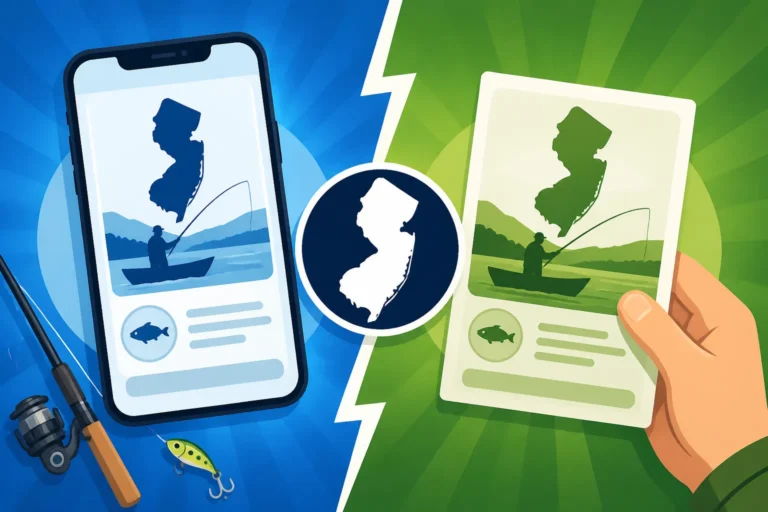
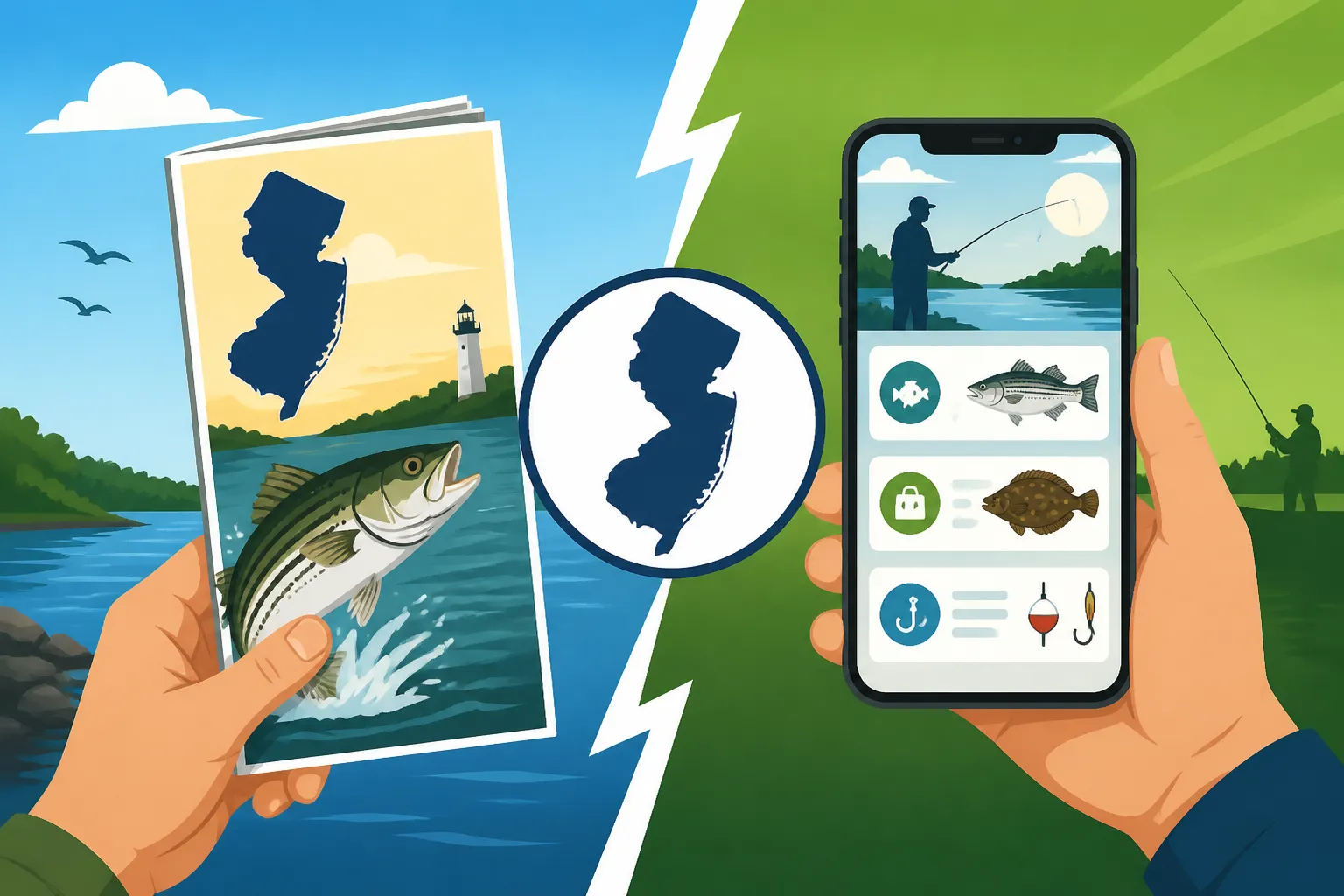
So, which one is better – the physical pamphlet or the digital download? The truth is, there's no single "best" option. It really depends on your personal preferences, where and how you typically fish, and what makes you feel most confident and prepared on the water. Many savvy anglers opt for a hybrid approach, leveraging the strengths of both formats.
A Side-by-Side Comparison
To help you decide, let's look at the key differences in a straightforward comparison. This table should give you a clearer picture of what each format brings to the table.
| Feature / Aspect | Online (Digital PDF) | Print (Physical Pamphlet) |
|---|---|---|
| Accessibility | Instant, anywhere with internet/downloaded | Available at tackle shops, state offices |
| Up-to-Date Info | Most current, can be updated immediately | Annual publication, can become outdated mid-season |
| Durability | Reliant on device (battery, water resistance) | Physical, no power needed, can be protected by lamination |
| Ease of Search | Excellent search function (Ctrl+F, etc.) | Manual page-flipping, index/table of contents only |
| Portability | Highly portable on smartphone/tablet | Lightweight, easy to tuck into a tackle box or bag |
| Cost | Free to download | Free at distribution points |
| Offline Use | Yes, if downloaded prior to losing service | Always accessible, no signal required |
| Environmental Impact | Low (no paper, printing, transportation) | Higher (paper, ink, distribution logistics) |
As you can see, both have distinct advantages and disadvantages. If you're someone who spends a lot of time in areas with good cell service, is comfortable with technology, and prioritizes having the absolute latest information, the online version is a clear winner. However, if you're a traditionalist, fish in remote locations, or simply prefer the tangible feel of paper, the print copy remains a reliable choice.
Blending Both for Maximum Preparedness
The smartest approach for any New Jersey angler is to utilize both the print and online versions of the Digest. Think of it as having redundant systems – a backup plan for your backup plan! Here’s how you can seamlessly integrate both into your fishing routine:
- Download and Save Annually: At the beginning of each fishing season, make it a habit to visit the NJDEP Fish & Wildlife website and download the latest PDF version of the Digest to your smartphone and perhaps a tablet. Keep it in a prominent folder on your device. This ensures you always have the most current information, even when you're connected.
- Grab a Physical Copy: Simultaneously, make a point to pick up a free physical pamphlet from your local tackle shop or a license vendor when you're renewing your New Jersey Fishing License Renewal Rules. Keep this copy in your tackle bag, boat, or vehicle. It serves as an invaluable backup for those times when your device runs out of battery or you lose signal.
- Cross-Reference: If you ever have a doubt about a regulation, especially one that might have changed recently, cross-referencing between your physical copy and the online version (if you have service) is an excellent practice. This helps confirm the details and ensures you're fully compliant.
- Protect Your Print Copy: Invest in a simple waterproof bag or even a large Ziploc to keep your print pamphlet dry and intact. This small step greatly extends the life of your physical resource, making it more reliable when you need it most.
- Utilize External Resources: Remember that the Digest contains general rules. For hyper-local details or specific conditions, you might still consult local tackle shop owners or online forums. However, always verify critical regulatory information with the official Digest, whether print or digital.
By combining the instant, always-updated nature of the online Digest with the rugged, reliable presence of the print pamphlet, you'll be well-equipped to navigate the complexities of New Jersey's fishing regulations with confidence, season after season. It's about being smart, being prepared, and ultimately, enjoying your time on the water without unnecessary stress.
Disclaimer
Please remember that while this guide provides comprehensive information, fishing regulations can change. It is always the angler's responsibility to consult the most current official New Jersey Fish and Wildlife Digest before fishing to ensure compliance with all state laws and regulations.