New Jersey Recreational Fishing Survey: Why You Might Get a Call
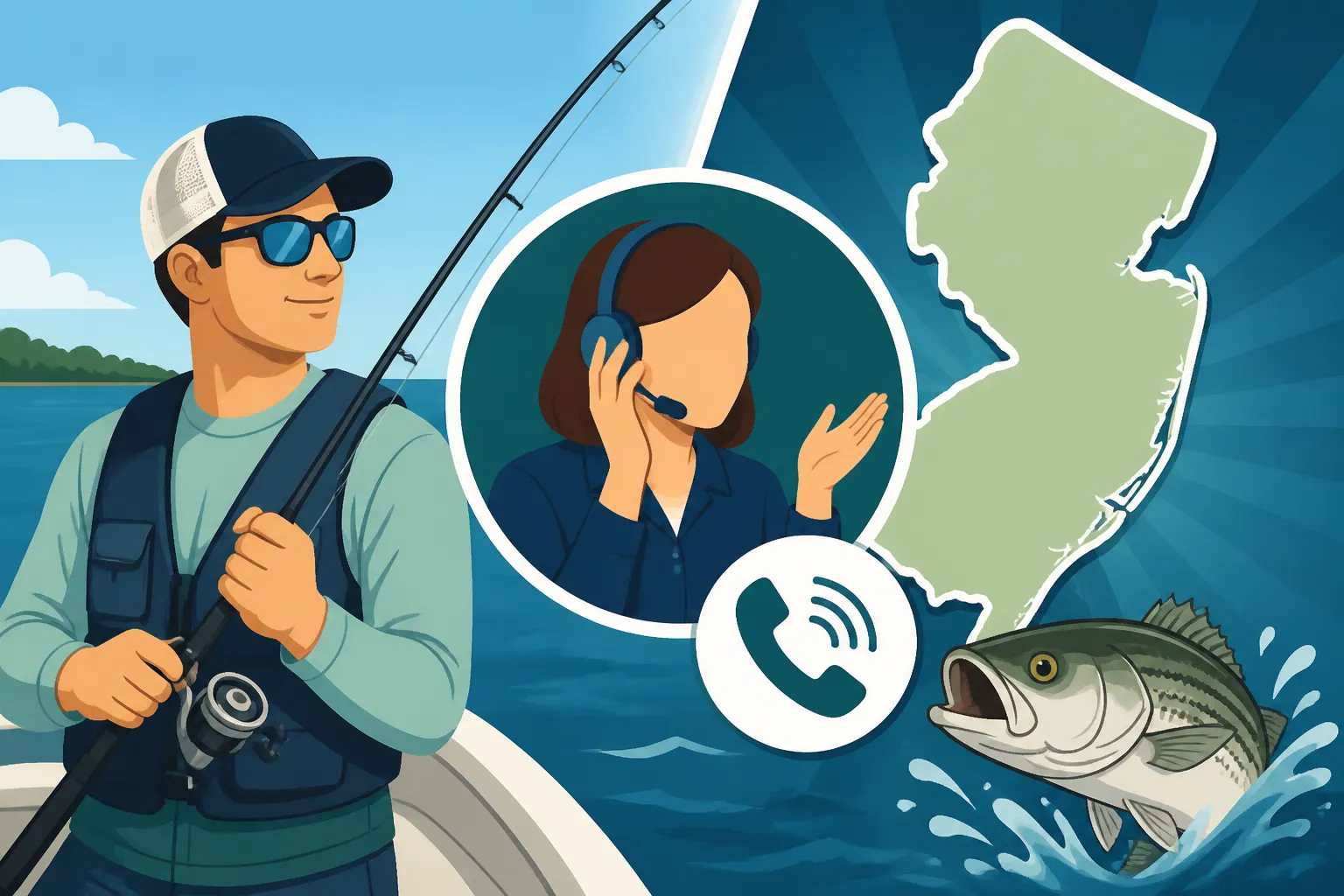
It can be a little jarring when your phone rings and it’s not a friend, family member, or even a telemarketer, but someone asking about your recent fishing trips. Many New Jersey anglers have received these calls, often wondering if they did something wrong or why they were singled out. This guide is here to shed light on the New Jersey Recreational Fishing Survey, explaining why these calls happen, what they mean, and why your participation is incredibly valuable for the future of fishing in our beautiful state.
What is the New Jersey Recreational Fishing Survey?
Let's face it, when you're out on the water, the last thing you're thinking about is government surveys. But these calls are a crucial part of how fisheries management works, both here in New Jersey and across the nation. They're not designed to catch you doing something wrong; rather, they're a vital tool for understanding what's happening on the water.
The Importance of Accurate Data Collection
Think about it: how can wildlife managers possibly know how many fish are being caught, what species are popular, or how much effort anglers are putting in without asking? It's simply impossible to count every single fish or observe every single angler. This is where the surveys come in. They are essentially a snapshot, a way for biologists and policymakers to estimate the total recreational harvest and fishing effort. Without this data, decisions about bag limits, size restrictions, and fishing seasons would be made in a vacuum, relying on guesswork rather than scientific understanding.
The information gathered from these surveys directly impacts the health of our fish populations and the regulations that govern our sport. If the data is sparse or inaccurate, regulators often err on the side of caution, which can lead to more restrictive regulations than might be necessary. This means fewer opportunities for anglers, shorter seasons, or smaller bag limits. So, while a phone call might seem like an intrusion, it's actually an opportunity for you to contribute to keeping our fisheries healthy and accessible for everyone.
Who Conducts These Surveys?
These surveys aren't just a New Jersey thing; they're part of a larger federal effort. The primary federal agency involved is NOAA Fisheries, which oversees saltwater fisheries across the United States. They work in conjunction with state agencies, like the New Jersey Department of Environmental Protection's Division of Fish and Wildlife, to collect comprehensive data.
This partnership ensures that both federal and state regulations are based on the best available science. You might receive calls from different survey programs, sometimes directly from a federal contractor or from a state representative. Beyond phone calls, these surveys can also involve mail questionnaires or even dockside intercepts where an interviewer might approach you directly at a boat ramp or fishing pier after your trip to ask about your catch. The goal is always the same: to collect consistent, reliable data across different fishing modes and locations.
Why You Might Get a Call: Understanding the Selection Process
It's natural to wonder, "Why me?" when you get one of these calls. Rest assured, it's almost certainly not because you've been flagged for any reason. These surveys rely on a very specific statistical method to ensure their results are representative of the entire angling community.
How Anglers Are Selected for Participation
The selection process for these surveys is typically a random sampling approach. This means that a pool of potential participants is generated randomly from various lists. For saltwater anglers, this often includes names and phone numbers associated with the federal angler registry or, more commonly in New Jersey, the New Jersey Saltwater Registry Program Requirements. If you've ever registered for the free New Jersey Saltwater Registry, your name could be in the mix. For freshwater anglers, the pool might come from those who have purchased a New Jersey Fishing License Guide for 2026.
It's crucial to understand that getting a call doesn't mean you're being targeted. It simply means your contact information was randomly selected, much like pulling names out of a hat. This random selection is what allows the collected data to be statistically extrapolated to represent the entire angler population of New Jersey. So, don't sweat it; you haven't been 'watched' or 'reported.' You're just part of the scientific process.
What Information Are They Looking For?
When you do get that call, the questions will usually revolve around your recent fishing activity. They're not trying to pry into your personal life or your secret fishing spots, but rather to gather data points related to your fishing effort and success. Expect questions about:
- Effort: How many times did you go fishing? On what dates? What specific type of fishing were you doing (e.g., surf fishing, party boat, private boat)? This helps quantify the total amount of time and resources anglers are dedicating to the sport.
- Location: Generally, where did you fish? They might ask for broad areas like "Barnegat Bay" or "offshore Cape May," not your specific GPS coordinates.
- Species Caught: What did you catch? This includes everything, even if you released it. For example, if you were targeting striped bass, they'd want to know how many you caught and released, not just the one legal fish you might have kept within the New Jersey Striped Bass Slot Limit Explained.
- Numbers and Sizes: How many of each species did you catch? For those you kept, what were their approximate sizes? For released fish, they might still ask for an estimated size range. This is particularly important for species with strict regulations like the New Jersey Fluke Size Limit: 18 Inches.
- Gear: What type of bait or lures did you use? This helps understand fishing methods and their effectiveness.
Remember, they're looking for honest, factual answers about your recent trips, whether they were wildly successful or a total skunk. Every bit of information, positive or negative, contributes to a clearer picture.
Your Role in the Survey: Why Participating Matters
It's easy to dismiss a survey call, especially if you're busy or just not in the mood. However, your participation in the New Jersey Recreational Fishing Survey is more impactful than you might realize. It’s not just about providing data; it’s about actively shaping the future of fishing in our state.
The Direct Impact on Fishing Regulations
The data you provide, combined with that from thousands of other anglers, forms the backbone of fisheries management decisions. Every season, every bag limit, and every size restriction — like those you find in the New Jersey Freshwater Fishing Regulations Every Angler Should Know or How Bag and Size Limits Work in New Jersey — is influenced by the harvest and effort estimates derived from these surveys.
Consider a scenario where a particular fish stock appears to be declining. If anglers consistently underreport their catches or simply don't participate in surveys, the data will present an incomplete and potentially alarming picture. This can lead to overly conservative measures being implemented, such as significantly reduced bag limits or even season closures, which directly impact your ability to enjoy fishing. Conversely, if you're consistently catching and releasing fish, that effort and success, even without harvest, needs to be recorded. Without your participation, the management agencies are essentially operating with one hand tied behind their back, trying to make critical decisions without all the pieces of the puzzle. Your voice, through your data, matters.
Ensuring Sustainable Fisheries for the Future
Beyond immediate regulations, these surveys are fundamental to the long-term sustainability of our aquatic resources. When biologists have robust data on fishing pressure and stock health, they can make informed decisions that ensure fish populations remain healthy for generations to come. This includes everything from setting annual quotas to identifying areas where habitat restoration might be needed, or understanding the success of stocking programs.
By participating, you're contributing to a legacy of healthy fisheries, allowing your children and grandchildren to enjoy the same, if not better, fishing opportunities that you do. It's about more than just catching fish today; it's about protecting the entire ecosystem and the recreational activity we all love. It's a key part of How New Jersey Sets Its Fishing Regulations Each Year actually works, involving both scientific assessment and public input.
Addressing Common Concerns and Misconceptions
It’s completely understandable to have questions or even be a bit wary when you receive an unexpected call about your fishing habits. Let's tackle some of those common concerns to put your mind at ease.
Is This Call Legitimate? Verifying the Survey
In today's world, scam calls are unfortunately common, so it's wise to be cautious. However, these recreational fishing surveys are legitimate. They are usually conducted by reputable research firms contracted by NOAA Fisheries or the New Jersey Division of Fish and Wildlife.
How to verify legitimacy:
- Identify the Caller: They should clearly state they are calling on behalf of NOAA Fisheries, the Marine Recreational Information Program (MRIP), or the New Jersey Division of Fish and Wildlife.
- No Sensitive Information: They will never ask for your Social Security number, bank account details, credit card numbers, or any other highly sensitive personal financial information. They might ask for basic demographic information to ensure the survey is representative, but nothing that could compromise your finances.
- Call-back Number: If you're unsure, politely tell the interviewer you'd like to verify their legitimacy and ask for a toll-free number for the agency or survey contractor that you can call back. You can then independently look up that number to confirm it's legitimate before returning their call.
- Context: The questions will be exclusively about fishing trips. If the conversation veers off into unrelated topics, it's a red flag.
Be polite but firm in your caution. It's your right to verify the caller's identity before proceeding.
What If I Didn't Catch Anything?
This is a common misconception that often discourages anglers from participating. Many people feel that if their trip was unsuccessful, their data isn't valuable. This couldn't be further from the truth! In fact, reporting "zero catch" is just as, if not more, important than reporting a successful trip.
Think of it this way: fisheries managers need to understand the total fishing effort that goes into catching fish. If hundreds of people go fishing and catch nothing, that tells a story about fishing pressure and potentially fish availability. If only successful trips were reported, the data would be skewed, making it seem like fish are more abundant or easier to catch than they actually are. So, please, if you get a call and your last trip was a bust, still share that information. It's vital data!
How to Prepare for a Survey Call
You can't predict when you'll get a call, but you can make it easier on yourself if and when you do. Trying to remember the details of your last few trips on the spot can be tricky, especially if you fish frequently.
A simple solution is to keep a quick log of your fishing excursions. You don't need to be a meticulous record-keeper; just jot down a few key points:
- Date(s) of trip(s)
- Location(s) (e.g., "Barnegat Bay, near Double Creek," or "Delaware River, upriver from Frenchtown")
- Species targeted
- Species caught (and how many), noting if they were kept or released.
- Approximate size of kept fish, and maybe a general size range for released fish.
- Type of fishing (e.g., "surf fishing with bait," "trolling on private boat," "kayak fishing").
This could be a small, waterproof notebook you keep with your tackle, readily available from online retailers like Amazon, or even a simple note on your phone. Even keeping a mental tally for your last week or two of fishing can be incredibly helpful. This preparation will not only make the survey call quick and easy for you but will also ensure the accuracy of the data you provide. Plus, it's a great way to track your own fishing success over time! Maybe grab a waterproof pen and notebook from Amazon and stash it in your tackle bag.
Understanding Survey Information Needs
To summarize the types of questions you might encounter during a recreational fishing survey, here's a handy table:
| Information Type | Specific Examples | Why It's Collected |
|---|---|---|
| Effort | Dates fished, hours fished, type of fishing (boat, shore) | Estimates total fishing pressure; critical for stock assessments. |
| Location | General area (e.g., "Sandy Hook," "Lake Hopatcong") | Identifies key fishing grounds and potential regional differences in catch. |
| Target Species | What fish were you hoping to catch? | Helps understand angler preferences and species-specific pressure. |
| Catch Data | Species caught, number kept, number released | Essential for estimating total harvest and release mortality. |
| Fish Size/Weight | Length/weight of kept fish (estimated for released) | Monitors population health, growth rates, and compliance with size limits. |
| Gear Used | Rod & reel, bait, lures, nets | Informs about fishing methods and their impact on different species. |
| Demographics | Age range, gender, residency (optional) | Ensures survey representation across different angler groups (e.g., New Jersey Resident Fishing License Requirements vs. non-resident). |
Remember, all this information is compiled anonymously. Your individual responses are never tied back to you for any regulatory enforcement. It's purely for statistical analysis. This means you don't have to worry about the survey leading to a visit from a New Jersey Conservation Police and License Checks officer!
Final Thoughts on Your Contribution
In the world of fisheries management, data is king. Without accurate, comprehensive data, the decisions made can be arbitrary, leading to either overfished stocks or unnecessarily restrictive regulations that penalize law-abiding anglers. By taking a few minutes to participate in the New Jersey Recreational Fishing Survey, you are providing invaluable insights that directly contribute to sound management practices. You're helping ensure that fish populations thrive, and that you, and future generations, can continue to enjoy the incredible fishing opportunities New Jersey has to offer. So, if you get that call, consider it your opportunity to make a real difference for the sport you love.
Disclaimer
The information provided in this guide is for general informational purposes only and does not constitute legal advice. Fishing regulations and survey protocols can change, so always refer to the official New Jersey Department of Environmental Protection, Division of Fish and Wildlife, and NOAA Fisheries websites or digests for the most current and accurate information.