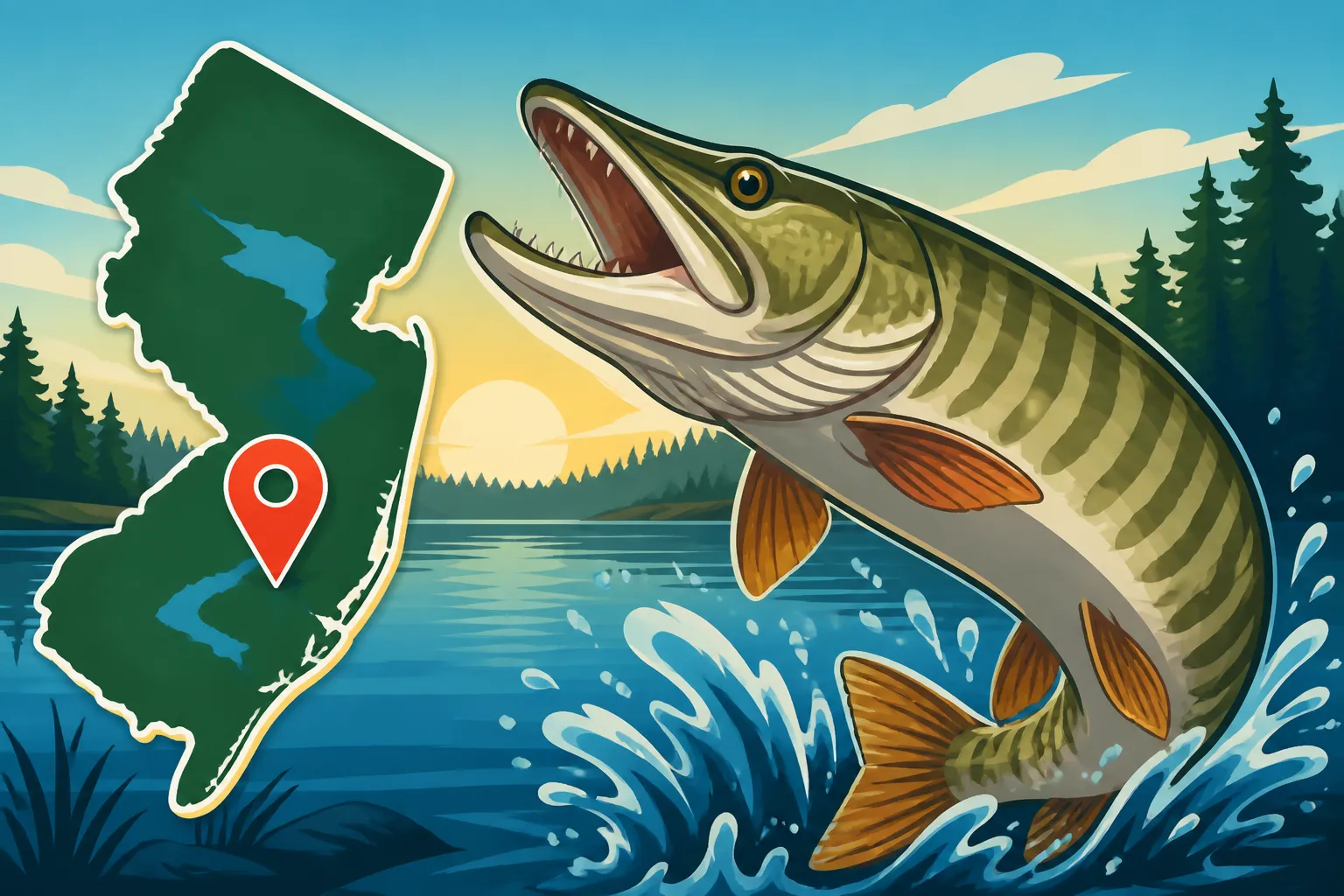
New Jersey’s Best Lakes for Trophy Muskie
Anglers in New Jersey often dream of landing a true trophy muskie, but let's be honest, these elusive predators are notoriously difficult to find, let alone catch. It can feel like searching for a needle in a haystack, especially with so many beautiful but ultimately muskie-less bodies of water across the state. This guide is here to cut through the noise, revealing the prime locations where you actually stand a chance of encountering one of New Jersey's freshwater giants.
New Jersey's Premier Muskie Hunting Grounds
Muskies aren't just in any lake; they require specific habitats to thrive and reach trophy sizes. New Jersey, while not traditionally known as a muskie mecca like some Midwestern states, does harbor several fantastic fisheries where these toothy titans lurk. The key is understanding where to focus your efforts. These aren't just good fishing spots; they're muskie spots, which is a whole different ballgame requiring a unique blend of patience, skill, and the right gear.
Lake Hopatcong: The Undisputed King of New Jersey Muskie
When you talk about muskie in New Jersey, Lake Hopatcong immediately springs to mind. It's not just New Jersey's largest freshwater lake; it's also arguably the state's best muskie fishery. Many dedicated anglers spend countless hours here, sometimes for days on end, just for a single encounter with one of these magnificent fish. The lake's vastness, diverse forage base of perch, shiners, and alewives, and ample structure like weed beds, rock piles, and submerged timber make it an ideal environment for muskie to grow large. We're talking about fish that regularly push into the 40-inch range, with reports of even larger specimens making an appearance. The New Jersey Division of Fish and Wildlife actively stocks tiger muskie (a sterile hybrid of muskellunge and northern pike) and purebred muskie here, ensuring a sustained population for anglers to target.
The challenges here are real: navigating considerable boat traffic during peak season, understanding the immense and varied structure across nearly 2,700 acres, and simply having the sheer patience required to connect with a fish known for its elusiveness. But the reward – a true trophy muskie from an iconic New Jersey lake – is precisely why so many anglers keep coming back to these waters. Catching bass, walleye, or panfish on Lake Hopatcong is one thing, but intentionally targeting muskie requires a completely different mindset and strategy. For specific details on fishing this iconic body of water, you might want to check out our comprehensive guide on Fishing Lake Hopatcong: New Jersey's Largest Lake.
Monksville Reservoir: A Northern New Jersey Gem
Tucked away amidst the rugged beauty of Ringwood, Passaic County, Monksville Reservoir offers another fantastic opportunity for muskie anglers, particularly those residing in northern New Jersey. This beautiful, clear-water reservoir is renowned for its deep waters and extensive rocky structures, which provide perfect ambush points and hiding spots for apex predators like muskie. While perhaps not boasting the sheer numbers of muskie that Lake Hopatcong might, Monksville consistently produces some very healthy, robust muskie, including impressive tiger muskie. It generally offers a bit of a quieter, more serene fishery compared to the bustling Lake Hopatcong, providing a different kind of angling experience for those who prefer solitude.
Fishing Monksville demands precision and often a subtle approach. You'll frequently be targeting muskie that are holding tight to submerged timber, abrupt rock ledges, or deep weed lines. It’s not uncommon for anglers to spend an entire day casting large baits without a single follow, only to have a monstrous muskie appear out of nowhere right at the boat, leading to a heart-stopping moment. This reservoir also holds good populations of smallmouth bass and walleye, which can be an enjoyable bonus, but muskie are undeniably the true, coveted kings here. If you're particularly interested in hybrid species and their presence in New Jersey, our post on What Is a Tiger Muskie and Is It Stocked in New Jersey? provides more valuable context.
Mercer Lake: Central Jersey's Surprise
For anglers situated in Central Jersey, Mercer Lake, nestled within Mercer County Park in West Windsor, offers a more accessible muskie fishery. While it might not produce the same frequency of truly gigantic muskie as its northern counterparts like Hopatcong or Monksville, Mercer Lake is regularly stocked with muskie and maintains a healthy, growing population of sizable fish. This lake is generally shallower than the deep northern reservoirs, characterized by more expansive weed beds and scattered areas of submerged structure, which presents a distinct set of challenges and opportunities for anglers. You'll often find muskie cruising the edges of these weed lines, lurking in pockets within the vegetation, or holding in slightly deeper channels within the lake.
Mercer Lake is a popular spot for a variety of recreational activities and species, so you'll be sharing the water with not only bass and crappie anglers but also kayakers and rowers. This means adapting your approach, often focusing your efforts during early mornings or late evenings when boat traffic is minimal and the lake is quieter. The relatively easy accessibility of Mercer Lake makes it a great spot for those looking to get into muskie fishing without having to travel extensively to the northern reaches of the state.
The Elusive Nature of the Muskie Hunt
Muskies earned their infamous nickname "the fish of 10,000 casts" for a very real reason. They are famously difficult to catch, often requiring immense patience, highly specialized techniques, and, let's be honest, a healthy dose of luck. Successfully landing one is a true test of an angler's dedication and perseverance. But when that magical moment finally arrives, when a monstrous muskie slams your bait or follows it right to the boat in an electrifying encounter, the adrenaline rush is absolutely unmatched and makes every single cast worthwhile.
Best Times and Seasons for Muskie Fishing
While muskie can technically be caught year-round in New Jersey (provided open water conditions exist), certain seasons tend to offer significantly higher chances for hooking into those elusive, trophy-sized fish. Understanding these seasonal patterns is key to planning a successful muskie expedition.
- Spring (Post-Spawn): Following their spawn, typically in late spring as water temperatures begin to rise, muskie become incredibly hungry and aggressive as they recover their energy reserves. This period can be a fantastic time to target them, especially around shallower spawning flats and the adjacent drop-offs where they will be looking for an easy meal. Water temperatures rising into the low to mid-60s tend to activate them. However, it's crucial to remember to handle these post-spawn fish with extreme care during this vulnerable recovery period, as their health is paramount.
- Summer: During the peak heat of summer, muskie often retreat to deeper, cooler waters or dense, thick weed beds to escape the warmth and find thermal comfort. Targeting them effectively during this time requires anglers to use heavier gear, larger, more robust baits, and often to meticulously work deep structures like submerged points, humps, or distinct thermal breaks. Early morning and late evening bites can often be the most productive, as the fish may move shallower to feed under lower light conditions.
- Fall (The Prime Time): This is arguably the most anticipated and celebrated season for dedicated trophy muskie anglers in New Jersey. As ambient temperatures drop and water temperatures begin to cool, muskie enter a crucial feeding frenzy, actively bulking up for the lean winter months ahead. They become incredibly aggressive, often found in shallower waters chasing large schools of baitfish. This is the period when those truly enormous, personal-best fish are most likely to strike with reckless abandon. Many experienced anglers dedicate their entire fall season exclusively to muskie fishing, understanding that it represents their absolute best shot at a trophy. Our guide on New Jersey Fishing Season Dates and Closures can help you align your muskie trips with broader state regulations and seasonal patterns.
Essential Gear and Techniques
You simply cannot show up to a muskie lake with a light panfish rod and expect to land one of these powerful, aggressive predators. Muskies have mouths full of razor-sharp teeth and incredible fighting strength, necessitating specialized, heavy-duty tackle.
- Rods and Reels: You'll absolutely need heavy-duty baitcasting setups. Think stout, fast-action rods that are typically 8 to 9 feet long, specifically designed for casting massive lures. These should be paired with robust, high-quality baitcasting reels that possess a strong gear ratio, exceptional cranking power, and, critically, a very smooth and powerful drag system. Your main line will typically be heavy braided line, ranging from 65 to 100 lb test, capable of handling the force of these fish and the weight of the lures.
- Lures: Muskie lures are a world unto themselves, often dwarfing lures used for other freshwater species. We're talking about baits that are commonly 8 to 15 inches long and weigh several ounces, sometimes even over a pound. Popular categories include giant bucktails, large jerkbaits, glide baits, soft plastics that mimic large baitfish, and aggressive topwater lures designed to draw explosive strikes. Color patterns should often mimic local baitfish species such as perch, shad, or sunfish, but bright, flashy colors can also trigger reaction strikes. If you're looking for more specific recommendations to stock your tackle box for these giants, our article on Best Lures for Muskie Fishing could be a game-changer.
- Leaders: Forget about using standard fluorocarbon or monofilament leaders for muskie; their teeth will bite right through them almost instantly. Heavy-duty fluorocarbon leaders (typically 100-150 lb test) or, more commonly, steel or titanium leaders are absolutely essential. This isn't an optional accessory; it's a critical safety measure for both landing the fish and preventing the loss of your expensive lures.
- Tools: Beyond your rod and reel, a few crucial tools are mandatory for safe muskie fishing. You'll need long-nosed pliers, heavy-duty hook cutters (in case a hook is deeply set or needs to be cut for fish safety), and a very large, knotless landing net with rubberized mesh. The rubberized mesh is important to protect the fish's delicate slime coat and fins. Muskie are delicate fish, despite their formidable appearance, and proper handling is crucial for their survival and for your own safety from their sharp teeth.
Many experienced muskie anglers, especially on larger lakes like Hopatcong, also incorporate trolling into their strategy. Trolling allows you to cover vast expanses of water more efficiently and present large baits at consistent depths for extended periods, which can be incredibly productive, often yielding impressive fish that might not respond to traditional casting methods.
Navigating the Waters and Finding Expert Help
Successfully targeting muskie, especially trophy-sized ones, can be an incredibly daunting task for even seasoned anglers. It's a different league compared to dropping a worm for a sunfish; it often requires intimate knowledge of the specific fishery, highly specialized techniques, and the right, often expensive, equipment. For those new to muskie fishing in New Jersey or visiting from out of state, leveraging local expertise can dramatically increase your chances of success and make the entire experience much more rewarding.
Why Consider a Fishing Guide for Muskie
Let's be realistic: muskie fishing represents a significant investment of time, money, and personal effort. Enlisting the services of a professional fishing guide can cut down the steep learning curve significantly. These guides possess invaluable local knowledge; they know the specific lakes like the back of their hand, they understand the current fish patterns, and they come equipped with all the specialized gear necessary for a successful muskie hunt. Booking a guide for muskie isn't just about catching fish; it's often an immersive educational experience. They will teach you proper casting techniques for oversized lures, how to effectively read structure and interpret electronics, and, crucially, the best practices for safe fish handling to ensure the muskie's survival. For instance, finding a reputable guide on challenging waters like Monksville Reservoir or the vast Lake Hopatcong who specializes exclusively in muskie can transform what could be a frustrating, fruitless week into a memorable and successful day.
When you're ready to explore options for booking a guide, platforms like FishingBooker can be an invaluable resource. You can easily search for guides specializing in freshwater big game fishing in New Jersey, meticulously read through detailed reviews from other anglers, and find charters or guided trips that are perfectly equipped and experienced for a muskie hunt. This kind of upfront planning and research can save you a tremendous amount of trial and error once you're out on the water. For more general advice on selecting a skilled guide, check out our article on How to Choose a New Jersey Fishing Charter. While that piece focuses primarily on saltwater charters, many of the fundamental principles for vetting and selecting a quality guide apply equally to freshwater expeditions.
Maximizing Your Chances: Local Knowledge and Resources
Even if a guided trip isn't in your immediate plans, there are still effective ways to tap into valuable local knowledge. Engaging with local forums, visiting well-stocked bait and tackle shops in the area, and even joining online groups dedicated specifically to New Jersey muskie fishing can offer a wealth of insights. Respectfully engaging with experienced anglers can provide crucial tips on recent patterns, successful lure choices, or specific areas of a lake to focus your efforts.
The New Jersey Division of Fish and Wildlife (NJFW) is also an absolutely fantastic resource for muskie anglers. They regularly provide public stocking reports, detail current state fishing regulations, and offer scientific data on muskie populations within New Jersey. Knowing the New Jersey Freshwater Fishing Regulations Every Angler Should Know is critically important, as muskie often have unique and specific size limits and possession rules that differ from other species.
Table: New Jersey's Top Muskie Lakes at a Glance
| Lake/Reservoir | County | Primary Muskie Type | Key Characteristics | Average Muskie Size (inches) | Record Potential |
|---|---|---|---|---|---|
| Lake Hopatcong | Sussex, Morris | Purebred, Tiger Muskie | NJ's largest, diverse structure, can be busy | 30-45+ | High |
| Monksville Reservoir | Passaic | Purebred, Tiger Muskie | Clear, deep, rocky structure, often quieter | 30-40+ | Moderate-High |
| Mercer Lake | Mercer | Purebred, Tiger Muskie | Central NJ, shallower, weed beds, easily accessible | 25-35+ | Moderate |
| Echo Lake | Passaic | Tiger Muskie | Smaller, more urban setting, occasional trophy reports | 25-35 | Low-Moderate |
Note: "Average Muskie Size" refers to frequently reported catches; larger fish are always possible but less common and require exceptional dedication.
Conservation and Catch & Release
Muskie are notoriously slow-growing and long-lived fish, and their populations, particularly in New Jersey, are heavily sustained by diligent stocking efforts by the state. This means that proper catch-and-release practices are not just a good idea, they are absolutely paramount for ensuring the health and future viability of New Jersey's muskie fisheries for generations to come.
- Minimize Fight Time: Always use heavy-duty gear and appropriate tackle to bring the fish in as quickly and efficiently as possible, thereby minimizing the stress and exhaustion placed on the muskie during the fight.
- Stay in the Water: Whenever it is safely possible, unhook the fish while it is still fully submerged in the landing net or in the water. Avoid bringing the fish into the boat unless absolutely necessary for a quick photo, and even then, keep it out of the water for the shortest possible duration.
- Proper Handling: If you must lift the fish for a quick photograph, always support its body horizontally with both hands, using one hand under the gill plate (but never in the gills themselves!) and the other under its belly. Never ever hold a muskie vertically by the jaw or lip, as this can cause severe, often fatal, damage to its spine and internal organs.
- Revive the Fish: After unhooking and any quick photo, gently hold the muskie in the water, facing it into a gentle current, until it regains its strength and swims away under its own power. Do not rush this process; a proper revival is critical to the fish's post-release survival.
By practicing responsible and ethical angling, we collectively ensure that these magnificent, apex predators continue to grace New Jersey's freshwater systems, providing thrilling challenges and unforgettable experiences for future anglers.
Beyond Muskie: Other Freshwater Giants
While the laser-focused pursuit of muskie is often the primary goal for anglers seeking freshwater giants in New Jersey, it’s worth remembering that the state's diverse freshwater systems are also home to other impressive predatory species. Sometimes, while meticulously hunting for muskie, you might just stumble upon another kind of trophy, or you might find yourself exploring waters where these other formidable giants dominate the ecosystem.
Northern Pike and Pickerel
Closely related to muskies, northern pike also offer incredibly exciting big-fish opportunities in many of New Jersey's lakes and rivers. They share similar predatory habits and can grow to considerable sizes, although generally not quite as large as the muskie found in New Jersey waters. Lakes like Hopatcong and the scenic Greenwood Lake are particularly well-known for their robust pike populations. Often, muskie and pike occupy similar habitats and feed on similar prey, so if you’re diligently fishing for one, there’s a distinct possibility you might encounter the other. Understanding New Jersey Northern Pike Waters can significantly expand your big-game freshwater horizons, providing even more options for a thrilling and productive day on the water. These fish are also incredibly aggressive, offering a fantastic and memorable fight on the end of your line.
Chain pickerel, a much smaller but equally feisty cousin of both pike and muskie, are considerably more widespread across the state and can provide consistent, exciting action, particularly for those looking for a "toothy critter" experience without the extreme, sometimes frustrating, challenge of muskie. They’re excellent for honing your casting skills with larger lures, and a big, aggressive pickerel can be surprisingly feisty and a joy to catch.
Walleye and Lake Trout Opportunities
Many of the same deep, clear, coldwater lakes and reservoirs that hold thriving muskie populations also support healthy and often impressive populations of walleye and, in certain specialized instances, lake trout. Round Valley Reservoir, for example, is justly renowned for its fantastic lake trout fishing and offers a deep, clear water challenge that shares some significant characteristics with ideal muskie habitat. While lake trout might not possess the same aggressive, toothy reputation as muskie or pike, they are powerful, deep-dwelling fish that can reach truly impressive sizes and offer a formidable fight, often requiring specialized techniques.
Anglers meticulously targeting muskie with large trolling setups might sometimes be pleasantly surprised to hook into a large walleye, especially if their presentation appeals to both species' feeding preferences. This overlap in habitat and feeding behaviors means that your specialized muskie gear might do double duty, allowing for unexpected and exciting catches. FishingBooker, a popular booking platform, also lists guides who specialize in these other trophy freshwater species, offering diverse options for memorable angling adventures throughout the Garden State. For valuable tips on a truly unique freshwater fishing experience, learning about Trolling Techniques for New Jersey Lake Trout could be an incredibly interesting read, as many of the principles of effectively covering large expanses of water with big baits can directly cross over and be applied to muskie fishing.
Ultimately, whether you're laser-focused on the singular pursuit of a trophy muskie or you're open to what else New Jersey's incredible freshwater systems have to offer, the dedicated pursuit of these larger, more elusive fish adds an incredible layer of excitement, challenge, and immense satisfaction to your overall angling journey. It's truly about the hunt, the continuous learning, and that unparalleled feeling of finally bringing a true freshwater giant to the net after countless casts and unwavering determination.
Disclaimer
Please remember that fishing regulations, including bag and size limits, seasons, and licensing requirements, are dynamic and subject to frequent change by the state. Always consult the most current New Jersey Fish and Wildlife Digest or their official website (njfishandwildlife.com) before heading out on any fishing trip. This guide is provided for informational purposes only and does not supersede official state regulations, which you are legally obligated to follow.