Swartswood Lake Trout Fishing Conditions
There's nothing quite like the crisp air of a New Jersey morning, the quiet ripple of water, and the anticipation of a trout tugging at your line. But for those of us who cherish the pursuit of trout in Swartswood Lake, figuring out the exact conditions can feel like trying to solve a puzzle with missing pieces. This isn't some small, predictable stream; Swartswood is a sprawling, dynamic glacial lake, and knowing when, where, and how to chase those elusive trout makes all the difference. This comprehensive guide is here to unravel those mysteries, helping you understand Swartswood Lake's trout fishing conditions so you can plan your next successful outing.
Unpacking Swartswood Lake's Unique Trout Habitat
Swartswood Lake, nestled in Sussex County, isn't just another pretty body of water; it’s New Jersey's first state park and a genuine glacial lake, giving it a distinct character that deeply influences its trout populations. Its significant depth and unique thermal properties create ideal conditions for trout, but also present challenges if you don't know where to look.
Lake Characteristics and Trout Species You'll Encounter
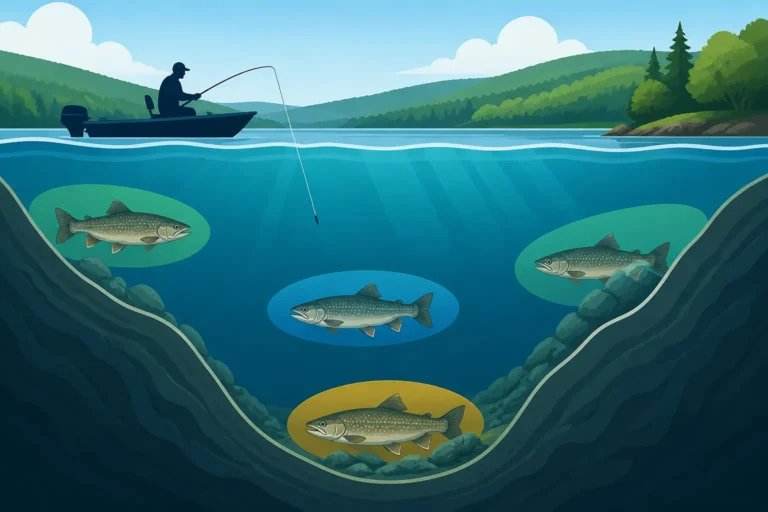
Swartswood Lake is one of New Jersey's deeper lakes, reaching depths of over 40 feet in some areas. This depth is absolutely crucial for trout survival, especially as the summer months roll in. Trout, by nature, prefer cooler, well-oxygenated water. In a shallower lake, these conditions quickly vanish as temperatures rise, pushing trout into stress or making them inaccessible. But Swartswood's deep pockets act as natural sanctuaries.
The lake is regularly stocked by the New Jersey Division of Fish and Wildlife with Rainbow Trout and Brown Trout, providing ample opportunities for anglers. While wild populations are less common due to the lake's warm-water species dominance, some holdover trout from previous stockings can grow to impressive sizes, offering a true trophy potential. You might also encounter an occasional Brook Trout, though they are typically more prevalent in colder, upstream tributaries. The lake’s diverse bottom structure, with areas of rock, gravel, and submerged vegetation, provides both feeding grounds and hiding spots for these cold-water species. Understanding this underwater landscape is key to locating concentrations of trout.
Water Quality and Oxygen Levels: A Trout's Lifeline
The overall health and productivity of Swartswood Lake's trout population are intrinsically linked to its water quality and dissolved oxygen levels. As a spring-fed lake, Swartswood generally boasts good water clarity and quality, which is vital for trout. Clear water, however, also means fish can be more wary, especially during bright conditions.
During the warmer months, a phenomenon known as thermal stratification occurs. The lake develops distinct layers: a warm surface layer (epilimnion), a rapidly cooling middle layer (thermocline), and a cold, deep layer (hypolimnion). Trout will seek out the thermocline and hypolimnion, where temperatures are stable and oxygen levels remain high. Monitoring these conditions, often through a good fish finder or even simply by understanding seasonal patterns, can dictate your success. If oxygen levels deplete in the deeper waters (a common issue in some lakes during late summer), trout might be forced into shallower, warmer waters, making them stressed and less likely to bite, or even causing fish kills. Fortunately, Swartswood generally maintains healthy oxygen levels in its deeper sections, allowing for better summer trout survival and angling opportunities.
Seasonal Trout Fishing Conditions in Swartswood Lake
Fishing for trout in Swartswood Lake is a year-round affair, each season presenting its own unique set of challenges and rewards. Knowing what to expect with the changing weather and water temperatures is critical for success.
Springtime Boom: The Post-Stocking Frenzy
Ah, spring in New Jersey! This is undeniably prime time for trout fishing in Swartswood Lake, especially right after the annual stockings commence. The water temperatures are cool and invigorating, typically in the 40s and 50s, which is exactly what trout love. They’re active, hungry, and often spread out across the lake as they adjust to their new surroundings.
The New Jersey Division of Fish and Wildlife starts its intensive New Jersey Spring Trout Stocking Start Date program, sometimes lasting for several weeks after opening day. Initially, these freshly stocked trout will often stick close to their release points, typically near public access areas. They’re usually less wary, making them easier to catch. Common spots that see a lot of activity include the areas around the boat launch and public swimming beach, as well as the shallower coves where they might find easy forage.
During this period, almost any traditional trout bait or lure can be effective. PowerBait in bright colors (chartreuse, rainbow, orange), corn, and live worms are consistent producers. Small spinners like Mepps, Panther Martins, and Rooster Tails, as well as Kastmaster spoons, can also be deadly when retrieved at a slow-to-moderate pace. Fly anglers can find success with nymphs and small streamers mimicking baitfish or emerging insects. The key here is to fish near the bottom in shallower areas (5-15 feet) or along the edges of drop-offs, as trout will be actively cruising for food. Don't be afraid to move around if a spot isn't producing, as these fish are actively exploring.
Summer Strategies: Deeper and Cooler Retreats
Once the temperatures climb and the dog days of summer arrive, trout fishing in Swartswood Lake transforms dramatically. Surface water temperatures can easily hit the 70s or even 80s, forcing the trout to retreat to their thermal sanctuaries in the deeper, cooler sections of the lake. This is where that valuable deep-water habitat comes into play. If you're wondering about Trout Survival Through Summer in New Jersey Lakes, Swartswood's depth certainly helps.
During summer, you'll need to focus your efforts on the thermocline layer and the deepest holes. This typically means fishing anywhere from 15 to 30 feet, sometimes even deeper depending on the specific conditions. Anglers with boats and fish finders have a distinct advantage, as they can accurately pinpoint these cooler zones and even mark fish holding in them. Trolling becomes an incredibly effective technique, allowing you to cover vast amounts of water at specific depths. Small spoons, stickbaits like Rapalas, or even weighted flies pulled behind a downrigger or with lead core line can entice strikes.
For those without a boat, targeting trout from shore in summer can be more challenging but not impossible. Focus on areas with immediate access to deep water, such as points or areas near the main lake basin. Long casts with heavy Kastmaster spoons or bottom-fished PowerBait rigs can sometimes reach these deeper zones. Early morning and late evening hours, when surface temperatures are slightly cooler and trout might venture shallower to feed, are also crucial times for shore anglers.
Autumn Revival: Fall Stocking and Renewed Activity
Just as the leaves start to change, Swartswood Lake experiences another exciting phase for trout anglers: the fall stocking. This injection of fresh fish, combined with gradually cooling water temperatures, brings a renewed burst of activity. Like spring, the cooler water invigorates the trout, making them more aggressive feeders and spreading them throughout the lake once more. This can be an incredibly rewarding time to fish, often with fewer crowds than in spring.
The New Jersey Fall Trout Stocking Dates are eagerly anticipated by many anglers. The newly stocked fish behave similarly to their spring counterparts, often holding near stocking points and being relatively easy to catch. As the water continues to cool into the 50s and 40s, trout become very active, feeding heavily to build up reserves for the coming winter. This means they'll respond well to a variety of presentations.
Spinners, spoons, and PowerBait remain excellent choices. Fly anglers can find great success with larger streamers mimicking baitfish, as well as various nymph patterns. Trolling continues to be effective as fish spread out, but shore fishing also becomes productive again as trout move into shallower coves and along drop-offs. The fall bite can often be more consistent than the spring, as fish are less pressured and the weather can be incredibly pleasant. Pay attention to structure—rocky points, submerged humps, and weed line edges are all prime locations where trout will ambush baitfish.
Winter Ice Fishing Opportunities
When the ice gets thick enough, Swartswood Lake can offer some excellent hardwater opportunities for trout. This isn't always a guaranteed season due to unpredictable freezes, but when conditions are right and the ice is safe (at least 4 inches of clear, solid ice), anglers can find success. For those interested in ice fishing, it's paramount to understand How Cold Does It Need to Be to Ice Fish in New Jersey? and always prioritize safety, checking ice thickness frequently.
Trout under the ice are typically found suspending at various depths or holding near structure. Small jigs tipped with a grub or wax worm, tiny spoons, or even small shiners under a tip-up can be very effective. Look for drop-offs, submerged humps, and the deeper areas of the lake. A good flasher or fish finder is invaluable for identifying fish and their preferred depth. The challenge in winter is often finding the schools of fish, but once located, action can be fast and furious. Remember to dress in layers and carry appropriate safety gear, as winter conditions on a large lake can be unforgiving.
Essential Tactics and Gear for Swartswood Lake Trout
Having the right approach and equipment can significantly elevate your trout fishing experience on Swartswood Lake, transforming a hopeful outing into a memorable success.
Recommended Baits and Lures for Swartswood Trout
Choosing the right bait or lure is often the most debated topic among anglers, and for good reason—it can make or break your day!
- Live Baits: Without a doubt, live worms (especially nightcrawlers) are a universal trout magnet. Fished on a simple bottom rig with a small hook, they are irresistible. PowerBait (marshmallow or dough varieties) in vibrant colors like chartreuse, rainbow, or even basic white, is another staple, especially for freshly stocked trout. These float off the bottom, presenting a tempting target. Some anglers also find success with corn or salmon eggs, particularly for stocked rainbows.
- Spinners: For active, cruising trout, especially in spring and fall, small inline spinners such as Mepps Aglias, Panther Martins, or Rooster Tails are phenomenal. Sizes #0 to #2 are usually perfect. Their flashing blades and vibrations mimic small baitfish or aquatic insects, triggering aggressive strikes. Vary your retrieve speed until you find what the fish prefer.
- Spoons: Casting spoons like Kastmasters or Little Cleos are excellent for covering water, especially if you need to cast a good distance from shore or want to target deeper fish. Their erratic wobbling action on the retrieve or flutter on the fall can be deadly. Silver, gold, or brass finishes are classic, but experiment with bright colors like firetiger too.
- Stickbaits and Jerkbaits: For trolling or targeting larger, more aggressive holdover trout, small stickbaits or jerkbaits (like Rapala Original Floaters or Husky Jerks) can be very effective. They imitate baitfish like alewives, which are present in Swartswood Lake. Troll them at a slow speed or twitch them when casting to mimic a struggling baitfish.
- Jigs and Soft Plastics: During colder water periods, or when fish are less active, small jigs (1/32 oz to 1/8 oz) tipped with soft plastics (like tiny tube jigs or grubs) can be productive. Work them slowly along the bottom or jig them vertically if fishing from a boat or through the ice.
Effective Fishing Techniques for Swartswood Lake
Beyond just the bait, how you present it is paramount.
- Still Fishing (Bait Fishing): This is a go-to for many anglers, especially with PowerBait or worms. Use a light to medium-light spinning rod, a small bobber (if fishing shallower), or a slip sinker rig to present your bait near the bottom. Cast out and let your bait sit, waiting for a bite. This is particularly effective in spring and fall near known trout hangouts.
- Casting and Retrieving: For spinners, spoons, and stickbaits, constant casting and retrieving is the name of the game. Experiment with different retrieve speeds, pauses, and depths until you find the sweet spot. A steady retrieve often works, but sometimes a twitch-and-pause action can trigger reluctant fish. This is a great technique for covering water from shore or a small boat.
- Trolling: For boat anglers, especially in summer and fall, trolling is incredibly efficient. Use small spoons, stickbaits, or even weighted flies. Vary your speed and depth using lead core line, downriggers, or simply by adding weight to your line until you locate fish in the water column. Often, a slow, consistent speed around 1.5 to 2.5 mph is ideal for trout. Pay attention to contours and drop-offs.
- Vertical Jigging (Ice Fishing/Boat): When ice fishing or fishing from a stationary boat, vertical jigging with small jigs or spoons is effective. Drop your lure to the desired depth and impart a subtle jigging motion. Watching a fish finder can tell you if fish are reacting to your presentation.
- Fly Fishing: While challenging on a large lake like Swartswood, fly fishing from a float tube or kayak can be very rewarding. In spring and fall, target shallower coves and shorelines with streamer patterns or nymphing techniques. During hatches, dry flies might tempt rising fish, though this is less common for the deeper-dwelling trout. If you're looking for more general fly fishing advice, our guide on New Jersey Fly Fishing Techniques might offer some broader insights.
Access Points and Best Spots
Swartswood Lake offers several public access points that are key for anglers.
- Swartswood State Park Boat Launch: Located on the north side of the lake, this is the primary access point for boats. It offers ample parking and is often a popular spot for trout stocking. The surrounding areas, especially near the main channel and drop-offs, are good places to start.
- Public Swimming Beach Area: Near the state park boat launch, the public beach area offers shore access. While not always ideal for deep-water trout, it can be productive in spring and fall for freshly stocked fish that hug the shorelines.
- Private Marina and Lakeside Properties: Many private residences line the lake, and if you know someone with private access, this can open up numerous less-pressured fishing spots.
- Kayak and Canoe Launch Points: Beyond the main boat launch, smaller, less formal launch spots around the perimeter might be available for smaller watercraft, allowing you to quietly explore coves and quieter areas where trout might hold. Kayak fishing provides excellent stealth and access to areas larger boats can't reach.
When scouting for trout, always look for structure. Rocky points, sudden depth changes, and the edges of submerged weed beds are all prime ambush points. In summer, focus on the deepest parts of the lake. In spring and fall, the shallower coves and main lake points where baitfish congregate are excellent choices. Using a platform like FishingBooker to browse local guides often reveals their preferred spots and techniques, giving you a valuable head start.
Navigating Regulations and Maximizing Your Catch
Successful trout fishing is as much about understanding the fish and the lake as it is about knowing and following the rules. New Jersey's fishing regulations are designed to protect our natural resources and ensure everyone has a fair chance at a good catch.
New Jersey Trout Regulations Specific to Swartswood Lake
While Swartswood Lake is a popular trout destination, the regulations generally align with statewide New Jersey Freshwater Fishing Regulations Every Angler Should Know. However, it's crucial to consult the latest New Jersey Fish and Wildlife Digest, which you can usually find online or at any licensed vendor. Key regulations often include:
- Season Dates: There are specific New Jersey trout season dates and closures, including an opening day in spring, and often a fall season. During the preseason closure, specific waters might be closed to trout fishing to allow for stocking.
- Size and Bag Limits: Trout typically have a minimum size limit and a daily creel (bag) limit. These can vary slightly by species or location, but usually, a 9-inch minimum and a daily limit of 3 or 4 fish are common. Always double-check the current year's digest for exact numbers.
- Trout Stamp: If you are between the ages of 16 and 69, you will almost certainly need a New Jersey Fishing License, and a separate New Jersey Trout Stamp Requirements Explained is mandatory to fish for or possess trout. This revenue goes directly back into the state's trout stocking program, supporting the very fishing opportunities we enjoy. Even if you have a general fishing license, without the trout stamp, you're not legally allowed to target or keep trout. This is an important distinction that many new anglers overlook, so don't get caught without it. You can purchase your license and stamp easily online or at various retailers; consider checking our guide on Where and How to Buy a New Jersey Fishing License for more details.
Monitoring Stocking Schedules and Local Reports
Staying informed is one of the best ways to maximize your chances of success. The New Jersey Division of Fish and Wildlife provides detailed trout stocking schedules online. Keep an eye on these schedules, especially for Swartswood Lake. Knowing when fish are stocked can help you time your trips for optimal action, particularly during the spring and fall frenzies. You can often track How Many Weeks Does New Jersey Stock Trout After Opening Day? to plan subsequent visits.
Beyond official channels, local bait shops around Swartswood Lake are invaluable resources. Shop owners and employees are often avid anglers themselves and hear firsthand reports. They can tell you what baits are currently working, where fish are being caught, and any specific conditions to be aware of. Online fishing forums and social media groups dedicated to New Jersey fishing can also provide real-time updates and tips from fellow anglers. Sometimes, reading reviews from guides listed on FishingBooker can give you invaluable insights into recent catches and patterns, helping you decide on the best approach for your trip.
Conservation and Responsible Angling
As responsible anglers, it's our duty to practice conservation and ensure the sustainability of Swartswood Lake's trout fishery.
- Catch and Release: While keeping a limit of trout for the table is perfectly fine and encouraged, consider practicing catch and release, especially for larger, wilder-looking, or holdover trout. These fish contribute to the gene pool and provide future angling opportunities. If you do catch and release, handle the fish minimally, keep it in the water as much as possible, and use de-barbed hooks to reduce harm.
- Leave No Trace: Always pack out everything you pack in. This includes fishing line, bait containers, and any other trash. Keeping Swartswood Lake clean benefits both the environment and fellow anglers.
- Respect Private Property: Be mindful of private property around the lake. Always ensure you are fishing from public access points or with permission on private land.
- Know Your Limits: Adhere strictly to bag and size limits. These regulations are set based on scientific data to manage fish populations sustainably. You can learn more about how these limits are determined in our article on How Bag and Size Limits Work in New Jersey.
By understanding the lake's unique characteristics, adapting to seasonal changes, using effective tactics and gear, and adhering to regulations, your Swartswood Lake trout fishing experiences will undoubtedly be more productive and enjoyable.
| Season | Typical Water Temperature | Best Depth Range | Recommended Baits/Lures | Key Techniques |
|---|---|---|---|---|
| Spring | 40s – 50s F | 5 – 15 feet | PowerBait, worms, small spinners, spoons | Still fishing, casting & retrieving |
| Summer | 70s+ (surface), 50s (deep) | 15 – 30+ feet (thermocline) | Stickbaits, spoons, weighted flies, deep PowerBait | Trolling, deep still fishing |
| Autumn | 50s – 60s F | 10 – 25 feet | PowerBait, worms, spinners, spoons, stickbaits | Still fishing, casting & retrieving, trolling |
| Winter | 30s – 40s F (under ice) | Varied, often suspended or near structure | Small jigs, spoons, live shiners (tip-ups) | Ice jigging, tip-up fishing |
Disclaimer
Fishing conditions can change rapidly due to weather, water levels, and stocking schedules. Always consult the most current New Jersey Fish and Wildlife regulations before heading out. Safety should always be your top priority, especially when fishing from a boat or on ice.