New Jersey’s Best Lakes for Walleye
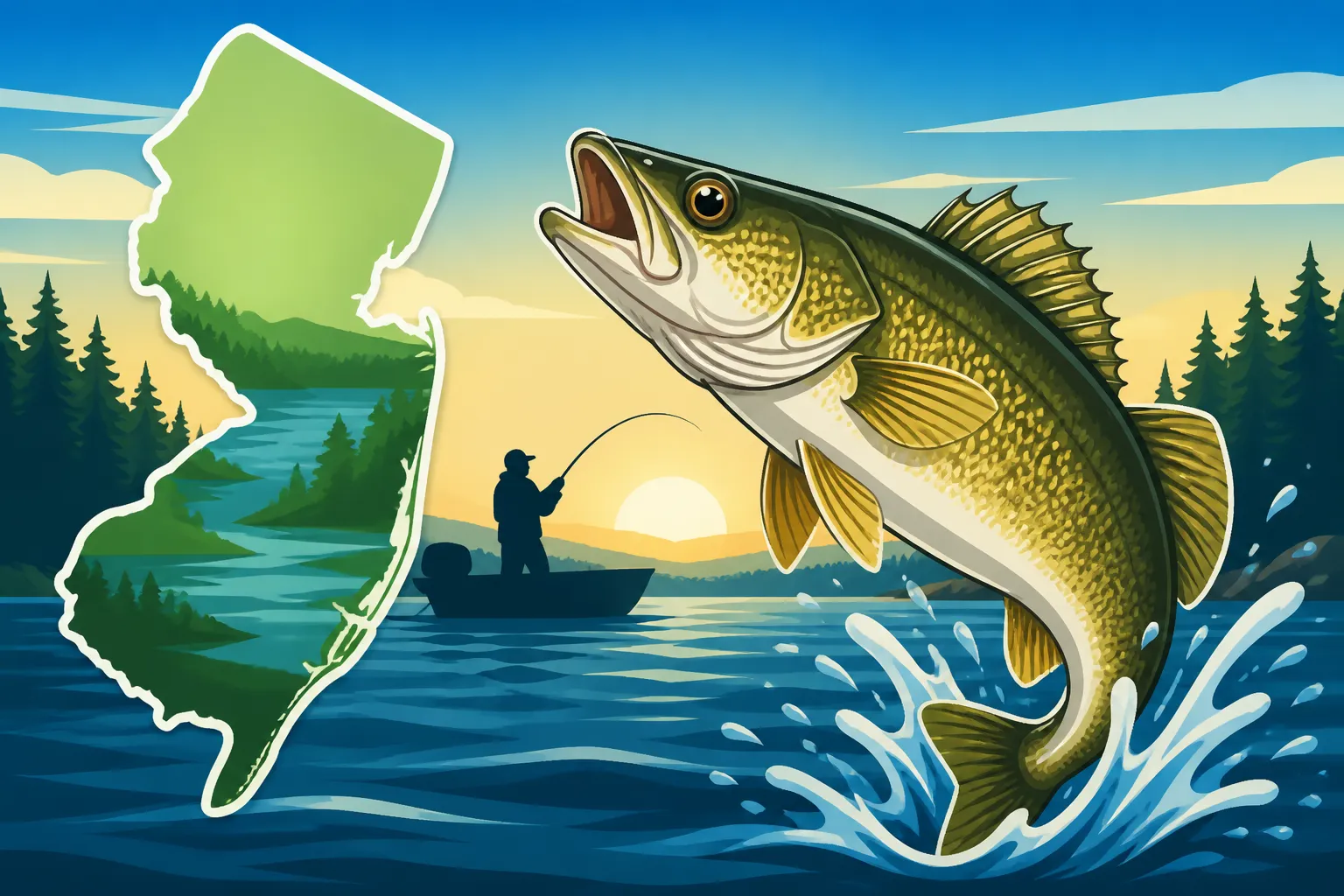
For many anglers in New Jersey, the walleye feels like a bit of a mystery, a whispered legend among the more commonly targeted bass and trout. It can be incredibly frustrating to hear tales of these delicious, elusive fish but never quite know where or how to reliably catch them yourself. This comprehensive guide is here to cut through the guesswork, spotlighting the top lakes in the Garden State where walleye thrive and equipping you with the knowledge to finally land one of these prized catches.
Uncovering New Jersey's Premier Walleye Lakes
While New Jersey might not be as famous for walleye as some of the Great Lakes states, we do have several fantastic fisheries where these predatory fish can be found, and sometimes in impressive numbers. It's all about knowing where to focus your efforts, because not every lake holds a viable walleye population. The state has done a commendable job in stocking and managing specific bodies of water to foster these populations, creating some truly rewarding opportunities for dedicated anglers.
Lake Hopatcong: The Walleye Kingpin
If you ask any seasoned New Jersey walleye angler where to start, Lake Hopatcong will almost always be at the top of their list. As New Jersey's largest freshwater lake, it boasts a robust walleye population that has been carefully managed for decades. This expansive lake offers diverse habitat, from deep channels and rocky points to weed beds and submerged structures, all of which appeal to walleye at different times of the year. The sheer size of Lake Hopatcong means that finding walleye can still be a challenge, demanding patience and a good understanding of their seasonal patterns, but the potential rewards are significant. Anglers frequently report catching legal-sized walleye here, and trophy fish are definitely a possibility, with some reaching impressive lengths.
The popularity of walleye fishing on Lake Hopatcong means there’s a community of dedicated anglers and even local tournaments centered around these fish. Local bait and tackle shops around the lake are often the best source of real-time information on what’s biting and where. If you’re not familiar with the lake, considering a guided trip, perhaps found through platforms like FishingBooker, can give you a massive head start. A seasoned guide can quickly put you on fish, teach you the nuances of the lake, and save you countless hours of searching.
Monksville Reservoir: A Northern Gem
Nestled in Passaic County, Monksville Reservoir is another fantastic location for walleye fishing, offering a different experience than the sprawling Lake Hopatcong. This beautiful, deep reservoir is known for its clear waters and abundant forage, making it a healthy environment for walleye. Monksville is a bit less crowded than Hopatcong at times, providing a more serene angling experience, though its reputation as a walleye hotspot is certainly growing.
The deep, clear water of Monksville means that walleye can often be found holding to structure in considerable depths, especially during brighter days. Targeting them effectively here requires good electronics to locate submerged humps, drop-offs, and points. The walleye in Monksville tend to be healthy and strong, offering an excellent fight. While perhaps not yielding the same numbers as Hopatcong on every trip, the quality of fish can be exceptional, and it’s a truly picturesque place to spend a day on the water. Keep an eye on local reports; fishing conditions, especially for walleye, can change quickly.
Merrill Creek Reservoir: Deep Water Challenges
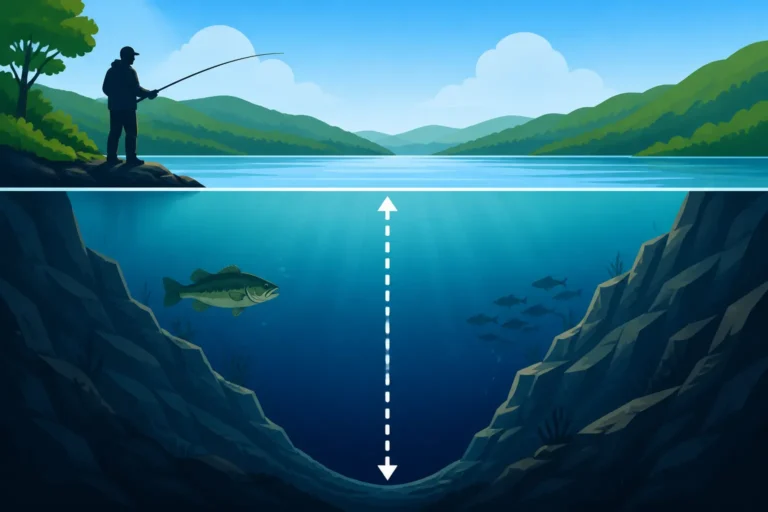
For those who love a challenge and the chance at a truly massive walleye, Merrill Creek Reservoir in Warren County deserves your attention. This pump-storage reservoir is characterized by its incredibly deep, clear waters and steep drop-offs. It's not for the faint of heart, as locating walleye here often means fishing very deep, sometimes 40 feet or more, and understanding the subtleties of how these fish relate to thermoclines and current.
Merrill Creek is primarily a cold-water fishery, making it excellent for species like lake trout and smallmouth bass, but its walleye population, though perhaps not as dense as Hopatcong's, produces some absolute giants. Anglers often employ trolling techniques with deep-diving crankbaits or downriggers to reach the depths where walleye patrol. The pristine nature of Merrill Creek also means strict regulations apply, including restrictions on motor types, so always check the latest rules before heading out. This reservoir is a true test of skill, but the reward of a huge Merrill Creek walleye is an unforgettable experience.
Greenwood Lake: Shared Waters, Shared Opportunity
Straddling the New Jersey-New York border, Greenwood Lake offers another exciting walleye opportunity. While a significant portion of the lake lies in New York, the New Jersey side is just as productive. This long, narrow lake has a good mix of shallow and deep water, with plenty of rocky structure and weed beds that provide ideal walleye habitat. Its popularity means it can get busy, especially on weekends, but the fishing can be fantastic.
Greenwood Lake's walleye population benefits from stocking efforts from both states, leading to a healthy and active fishery. Anglers often find success here by targeting the deeper channels, especially where they meet rocky points or submerged humps. The lake also has a good panfish and baitfish population, ensuring the walleye have plenty to eat, which contributes to their healthy growth. Exploring a large body of water like Greenwood can be daunting, but services found on platforms like FishingBooker can help you connect with local guides who specialize in these shared waters, giving you an edge.
Strategies for Successful Walleye Angling in New Jersey
Catching walleye is often described as a thinking angler's game. These fish are light-sensitive and can be incredibly finicky, but with the right approach and a keen understanding of their habits, you can significantly increase your success rate. It's not just about being in the right lake; it's about being in the right spot at the right time with the right presentation.
Seasonal Tactics: Adapting to Walleye Movements
Walleye movements are heavily influenced by water temperature, light conditions, and spawning cycles. Understanding these seasonal shifts is crucial.
- Spring: As the ice recedes and water temperatures climb into the 40s and 50s Fahrenheit, walleye move into shallower areas to spawn. This is a prime time to target them, often in less than 10 feet of water, around rocky shorelines, river mouths, and gravel flats. Jigging with live bait like shiners or minnows, or slow-rolling small crankbaits, can be incredibly effective. Don't overlook low-light conditions like dawn, dusk, or even night fishing during this period.
- Summer: Once spawning is complete and water temperatures rise, walleye typically retreat to deeper, cooler waters. They'll often be found near the thermocline (the layer where warm surface water meets cooler deep water), relating to submerged humps, points, and deep weed lines. Trolling with crankbaits, spoons, or worm harnesses is a popular and productive method during summer. Fishing during low-light hours or on cloudy days can also yield better results, as walleye are less bothered by bright sun in shallower areas. Understanding How to Read Tide Charts for Better Fishing in New Jersey is more for saltwater, but the principle of understanding fish movement based on environmental factors is similar.
- Fall: As water temperatures begin to drop again, walleye become very active feeders, bulking up for winter. They'll often move shallower, especially during overcast days, but can still be found in deeper areas relating to structure. This can be a fantastic time for both jigging and trolling. Many anglers find success using larger baits and lures as walleye are looking for substantial meals. The fall bite can be incredible, lasting well into late autumn.
- Winter (Ice Fishing): For those brave enough to venture out onto the hard water, ice fishing for walleye can be incredibly rewarding. Walleye remain active under the ice, often congregating in deeper basins or along drop-offs. Jigging with spoons tipped with a minnow head, or using tip-ups with live shiners, are common and effective techniques. Just remember to prioritize safety on the ice and always know How to Ice Fish in New Jersey responsibly.
Choosing the Right Baits and Lures
Walleye are opportunistic feeders, but they do have preferences. Matching the hatch – or at least offering something appealing – is key.
- Live Bait: Minnows (shiners, fatheads, suckers) are arguably the king of walleye baits. They can be presented on a simple jig head, under a bobber, or trolled on a worm harness. Nightcrawlers are another incredibly effective bait, especially when drifted or trolled. Leeches are fantastic, particularly in clear water, though they can be harder to find locally in New Jersey. How to Store Live Bait Overnight is a useful skill to keep your bait fresh and lively.
- Jigs: Lead-head jigs, often tipped with live bait or soft plastic trailers, are a versatile walleye lure. Colors like chartreuse, white, black, and orange are perennial favorites. Jigging presentations can range from aggressive snaps to subtle lifts and drops, depending on fish mood.
- Crankbaits: Trolling or casting crankbaits is highly effective, especially for covering water. Choose models that dive to the depth where walleye are holding. Examples include Rapala Shad Raps, Berkley Flicker Shads, or custom walleye plugs. Colors that mimic local baitfish or have a bold, contrasting pattern work well.
- Blade Baits & Spoons: These lures can be deadly, especially when vertically jigged over schooling walleye. Their flash and vibration can trigger aggressive strikes. Silver, gold, and fire tiger patterns are often good starting points.
Mastering Structure and Depth
Walleye are highly structure-oriented fish, always looking for cover, ambush points, or areas that hold baitfish.
- Drop-offs and Ledges: These are classic walleye haunts. Fish will often sit on the deeper side of a drop-off, looking up for passing prey, or patrol the top of a ledge. Use your fish finder to identify these contours.
- Humps and Submerged Islands: Any elevated structure on the lake bottom can act as a magnet for baitfish, and therefore, walleye. Pay close attention to these isolated pieces of structure.
- Rocky Points and Shoals: Especially during spring and fall, these areas provide excellent ambush points. Walleye will often hug the bottom near these structures.
- Deep Weed Lines: In lakes like Hopatcong, walleye will often relate to the edges of deep weed beds, using the cover to ambush baitfish. Finding these healthy weed lines can be a game-changer.
- Boat Docks and Pilings: While often overlooked, deeper docks can hold walleye, especially during low light, as they provide shade and structure. Don't be afraid to try fishing around these, particularly in the larger lakes with significant boating infrastructure.
Learning How to Read a Fish Finder for Beginners is absolutely essential for consistently locating walleye in New Jersey's deeper lakes. Without good electronics, you're essentially fishing blind.
Essential Gear and Techniques for New Jersey Walleye Hunters
Having the right tools for the job can make a world of difference when targeting walleye. They're often subtle biters, and the right tackle can help you detect those gentle takes and successfully land the fish.
Rods, Reels, and Line: Building Your Walleye Arsenal
- Rods: A medium-light to medium power spinning rod, typically 6'6" to 7'6" in length, with a fast action tip, is ideal for most walleye applications. The fast action allows for quick hook sets, while the sensitive tip helps detect those subtle bites. If you're trolling, a medium power casting rod, often a bit shorter and more stout, can be more suitable. For those looking to get started, checking out guides on Best New Jersey Fishing Gear for Beginners can provide a good foundation before specializing.
- Reels: A reliable 2000-3000 size spinning reel with a smooth drag is perfect for jigging and casting. For trolling, a baitcasting reel with a line counter can be invaluable for replicating successful presentations.
- Line: Many walleye anglers prefer braided line (10-20 lb test) for its sensitivity and lack of stretch, which helps detect light bites in deep water. However, it's almost always paired with a fluorocarbon leader (6-10 lb test) for its invisibility and abrasion resistance. Monofilament (6-10 lb test) is also a good option for certain presentations, especially when using live bait. Consider the regulations on How Many Fishing Rods Can You Use at Once in New Jersey to ensure you're compliant, especially if you plan to troll multiple lines.
Electronics and Accessories: Tools for Success
- Fish Finder/Sonar: As mentioned, this is non-negotiable for serious walleye fishing. A good unit with down imaging and side imaging capabilities can reveal baitfish schools, individual walleye, and crucial bottom structure.
- GPS/Chartplotter: Essential for marking productive spots (way-points) and navigating larger lakes like Hopatcong and Greenwood. Many modern fish finders integrate GPS functionality.
- Electric Trolling Motor: A bow-mount electric trolling motor with GPS Spot-Lock feature is a game-changer. It allows you to precisely hold over structure, follow contours, or slowly troll without constantly manipulating the main engine.
- Landing Net: Walleye have sharp teeth and can be surprisingly feisty at the boat. A rubberized landing net helps protect the fish and prevent hook tangles.
- Headlamp/Lantern: Crucial for early morning, late evening, or night fishing sessions.
The Art of Presentation: Jigging, Trolling, and Live Bait
- Jigging: This is an active technique. Drop your jig to the bottom, then lift it a foot or two, letting it fall back on a semi-slack line. The bite often occurs on the fall. Experiment with jig weight and retrieve speed until you find what the fish prefer.
- Trolling: This involves pulling lures behind a boat at a slow, consistent speed. Pay close attention to your speed and the depth of your lures. Using planer boards can help spread out your lines and cover more water, especially useful on a platform like FishingBooker where a guide might teach you these advanced techniques.
- Live Bait Rigs: A simple live bait rig often consists of a walking sinker, a swivel, and a snelled hook. This allows your minnow or nightcrawler to swim naturally just above the bottom. When fishing live bait, resist the urge to set the hook too quickly; give the walleye time to fully engulf the bait.
Preserving Walleye Fishing for Future Generations
The availability of walleye fishing in New Jersey is a testament to dedicated conservation efforts and responsible management by the New Jersey Division of Fish and Wildlife. As anglers, it's our duty to understand and adhere to regulations, ensuring these fisheries remain healthy and productive for years to come.
Understanding Regulations and Limits
Walleye, like many game fish, are subject to specific regulations regarding size limits, creel limits (bag limits), and open seasons. These rules can vary by water body and are regularly updated based on scientific assessments of fish populations.
- Size Limits: New Jersey generally imposes a minimum size limit on walleye, meaning any fish caught below this length must be immediately released. This protects juvenile fish and allows them to grow to maturity and reproduce.
- Creel (Bag) Limits: There's also a daily limit on how many walleye an angler can keep. This prevents overfishing and ensures a sustainable population.
- Seasons: While many lakes are open year-round, specific seasons might be in place, particularly around spawning times, to protect fish during vulnerable periods.
It is absolutely vital to consult the current New Jersey Freshwater Fishing Regulations Every Angler Should Know or the New Jersey Fish and Wildlife Digest before every fishing trip. Regulations can change, and ignorance is not an excuse. You can often find the full digest online or at local bait shops. Knowing the New Jersey Fishing Season Dates and Closures is also a key component of responsible angling.
Here's a generalized table for New Jersey Walleye Regulations (always check current digest for precise, up-to-date rules):
| Regulation Type | Typical New Jersey Walleye Rule (Always Verify!) |
|---|---|
| Minimum Size | 18 inches |
| Daily Bag Limit | 2 fish |
| Season | Generally open year-round |
| License Req. | Yes, state freshwater fishing license required |
Remember, these are typical rules. Always check the official New Jersey Fish and Wildlife Digest for the most current information, as changes can and do occur. You'll also need a valid New Jersey Fishing License Guide for 2026 to legally pursue walleye in any of the state's public waters.
Conservation Efforts and Responsible Angling
New Jersey's walleye fisheries exist thanks to ongoing stocking programs and habitat protection. As anglers, we can contribute to these efforts:
- Catch and Release: While walleye are excellent table fare, consider practicing catch and release, especially for larger breeding-size fish. If you do keep fish, only keep what you'll eat, and stick to the legal limits.
- Proper Fish Handling: If you plan to release a fish, handle it carefully. Minimize its time out of water, use wet hands, and support its body fully. Use appropriate tools like de-hookers if the fish is deeply hooked.
- Reporting Violations: If you witness illegal fishing activity, such as exceeding bag limits or fishing out of season, report it to the New Jersey Conservation Police. Protecting our resources is a community effort.
- Clean Angling Practices: Pack out all your trash, including fishing line and bait containers. Leave no trace, so others can enjoy the beauty of New Jersey's lakes as much as you do.
- Support Stocking Programs: A portion of your fishing license fees goes directly towards managing and stocking fish populations. Consider supporting conservation organizations that work to improve freshwater fisheries.
By understanding the regulations, employing effective strategies, and committing to responsible angling, you can enjoy the thrill of catching walleye in New Jersey and help ensure that these fantastic fishing opportunities remain for generations to come.
Disclaimer
The information provided in this guide is for general informational purposes only and is not intended as legal advice regarding fishing regulations. Fishing regulations in New Jersey are subject to change, and it is the sole responsibility of the angler to consult the most current New Jersey Fish and Wildlife Digest or official state resources for up-to-date and accurate rules and laws before engaging in any fishing activity. Always prioritize safety when on or near the water.