Where to Fish for Catfish in New Jersey
Many anglers in New Jersey get caught up chasing the glory of striped bass along the coast or the thrill of trout in our pristine streams, often overlooking one of the state's most accessible and rewarding freshwater targets: catfish. If you've ever felt intimidated by complex rigs or expensive gear, or just want a relaxing day by the water with a high chance of a fight, catfish are your answer. This comprehensive guide will steer you straight to the best catfishing spots across the Garden State, making your next outing a memorable one.
Why Catfish are New Jersey's Unsung Heroes of Freshwater Fishing
Catfish might not have the flashy reputation of a largemouth bass or the delicate beauty of a brook trout, but they are tenacious fighters, often abundant, and thrive in a variety of New Jersey waters. They're perfect for anglers of all skill levels, from families with young kids looking to catch their first fish to seasoned veterans seeking a robust tug on the line. What's more, they're typically less pressured than other popular game species, making for a more peaceful fishing experience.
The Different Whiskered Species You'll Encounter
In New Jersey, you'll primarily be targeting two main species: Channel Catfish and various types of Bullheads. While flathead catfish exist in some other states, they are not commonly found or targeted in New Jersey's public waters, though a stray report isn't unheard of.
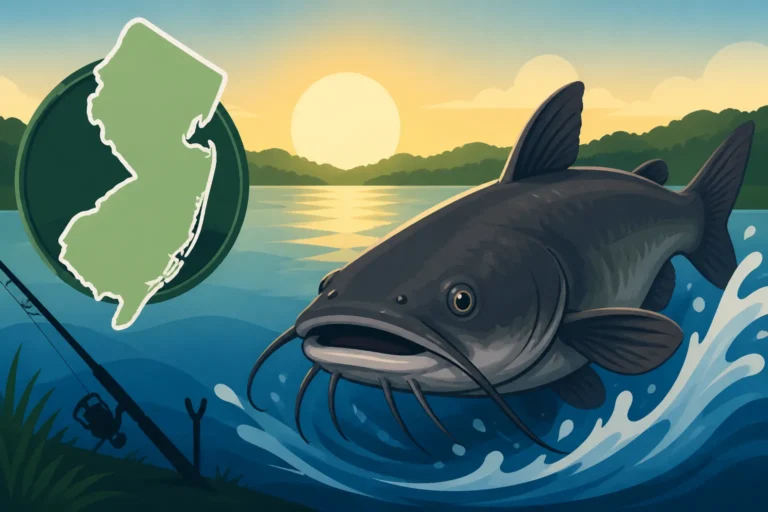
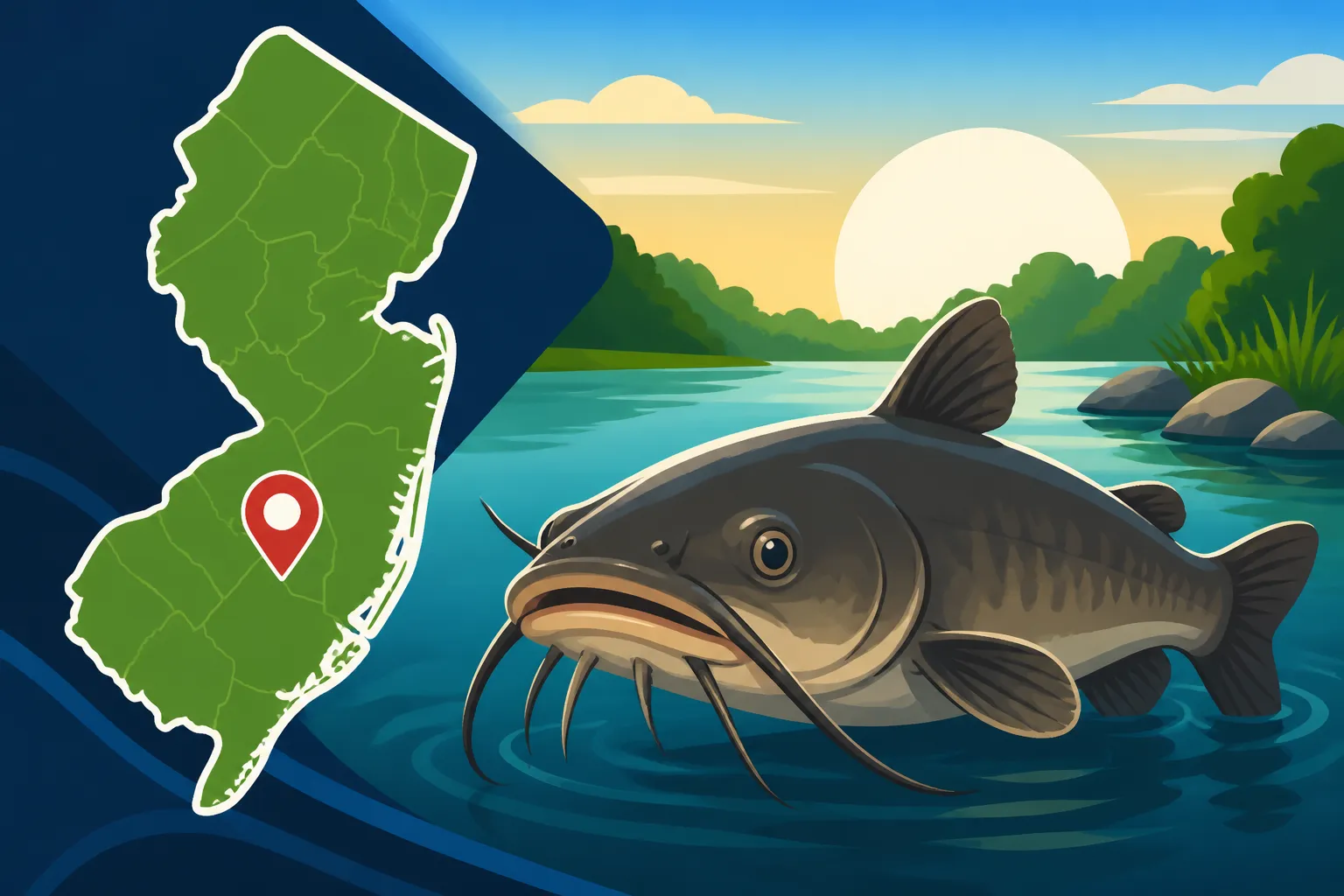
- Channel Catfish: These are the largest and most sought-after catfish species in New Jersey. They have a distinct forked tail, smooth skin, and usually a light brown or olive green coloration, often with scattered dark spots, especially when young. Channel cats are known for their strong fighting ability and can grow quite large, with fish in the 5-15 pound range being common, and even larger specimens pushing 20 pounds not out of the question in some of our bigger lakes and rivers. They prefer warmer, deeper waters with moderate current or abundant structure, often lurking near submerged logs, drop-offs, or weed beds.
- Brown, Yellow, and Black Bullheads: These smaller, more compact catfish species are often found in shallower, murkier waters, particularly ponds and slow-moving streams. They have a squared-off or slightly rounded tail, and their coloration varies depending on the species and environment, from mottled brown to yellowish or dark olive. While they don't reach the impressive size of channel catfish, bullheads are incredibly feisty for their size and provide excellent action for lighter tackle. They're also incredibly tough, able to tolerate lower oxygen levels and higher temperatures than many other fish. Many childhood fishing memories in New Jersey involve catching a stringer full of bullheads from a local pond.
The Appeal of Catfishing for Every Angler
Whether you're new to fishing or just looking for a change of pace, catfishing offers a unique set of advantages. For starters, the gear doesn't have to be expensive or complicated. A medium-action spinning rod, some 10-20 lb monofilament or braid, and a simple bottom rig are often all you need. They're also not particularly picky eaters, readily taking a variety of natural baits, which makes them an ideal target for beginners who might struggle with lure presentation.
Furthermore, catfish are often most active during the low-light hours of dawn, dusk, and especially at night. This opens up a whole new dimension of fishing, offering a peaceful, often cooler experience under the stars. Imagine setting up your camp chair, casting out a few lines, and listening to the sounds of nature as you wait for that tell-tale tap, tap, pull on your rod. It’s a truly relaxing and deeply satisfying way to spend time outdoors, and their willingness to bite after dark means you don't have to compete with daytime crowds.
Prime Freshwater Catfish Destinations Across New Jersey
New Jersey boasts a surprising array of lakes, rivers, and ponds that are absolutely teeming with catfish. While some spots are better known for other species, these whiskered bottom-dwellers are often present in good numbers, just waiting to be discovered.
Central New Jersey Hotspots
Central New Jersey offers a fantastic mix of larger lakes and accessible river sections that hold substantial catfish populations.
- Lake Hopatcong: New Jersey's largest freshwater lake, Lake Hopatcong, is not just for bass and muskie. While it's famed for its sportfish, the deeper, warmer sections and coves around structures like docks and submerged timber are prime real estate for robust Channel Catfish. Anglers often find success fishing off points or in bays after dark, using heavier sinkers to keep bait on the bottom in deeper water. The sheer size of the lake means there's plenty of room to explore, and for those interested, you can even explore the broader fishing opportunities available in the lake with a comprehensive guide to Fishing Lake Hopatcong: New Jersey's Largest Lake.
- Assunpink Lake: Located within the Assunpink Wildlife Management Area in Monmouth County, Assunpink Lake is a fantastic destination for channel catfish. This lake is managed for warmwater species and consistently produces good numbers of catfish, along with largemouth bass and crappie. Its relatively shallow nature and abundant cover make it a comfortable habitat for these fish. Shore access is excellent, with numerous spots to set up your gear, and boat access is also available for those wanting to explore further. Fishing around the edges of weed beds or near submerged brush piles can be particularly effective here.
- Farrington Lake: Situated in Middlesex County, Farrington Lake is another popular spot that consistently yields good channel catfish catches. It's a long, narrow lake with a good mix of shallow and deeper areas, providing diverse habitat. Look for deeper channels and drop-offs, especially where the bottom transitions from soft mud to firmer structure. The lake is easily accessible, and you'll find plenty of spots for shore fishing. Don't be surprised if you hook into some respectable-sized fish here, particularly in the warmer months.
Northern New Jersey's Hidden Gems
The northern part of the state, with its network of reservoirs and smaller lakes, also holds some excellent catfishing opportunities, especially for bullheads and decent channel cats.
- Round Valley Reservoir: While primarily known for its deep, clear waters holding lake trout and smallmouth bass, the shallower, warmer coves and the upper reaches of Round Valley Reservoir can also hold surprisingly good populations of channel catfish. They tend to stick to the areas with more structure and slightly less current. It's a challenging but rewarding lake, and for those interested in its unique characteristics, understanding How Deep Is Round Valley Reservoir? can be quite helpful in locating fish. Fishing near the boat launch areas or where submerged trees are present can increase your chances.
- Greenwood Lake: Straddling the New Jersey and New York border, Greenwood Lake is a large, diverse fishery that offers some fantastic catfishing. Its ample size and varied depths provide excellent habitat for both channel catfish and bullheads. Look for them in the deeper, muddier sections of the lake, especially near inflows or areas with accumulated debris. Night fishing from a boat or accessible shoreline spots can be particularly productive here.
- Monksville Reservoir: This picturesque reservoir in Passaic County is a popular spot for trout and muskie, but its deeper sections and the lower parts of the reservoir can also be home to channel catfish. They might not be as abundant as in some other dedicated catfish waters, but the fish here tend to be larger and healthier, offering a good fight in a beautiful setting. Focus on fishing near submerged timber or rocky ledges.
Southern New Jersey's Abundant Waters
Southern New Jersey, with its extensive network of rivers, creeks, and smaller lakes, is a bullhead paradise, but also offers some great channel cat opportunities.
- Delaware River (New Jersey side): The mighty Delaware River, forming the western border of New Jersey, is a fantastic catfish factory. From Trenton down to the Delaware Bay, the river's slower, deeper pools, especially those with muddy or rocky bottoms, are prime habitat for large Channel Catfish. You'll also find plenty of bullheads closer to shore and in tributaries. Fishing from accessible banks, piers, or a boat can yield excellent results. For general regulations on this expansive waterway, familiarizing yourself with New Jersey Freshwater Fishing Regulations Every Angler Should Know is a must. Many anglers target catfish in the river's tidal sections, where the ebb and flow of the water bring ample food sources.
- Maurice River: Flowing through Cumberland County, the Maurice River and its tributaries are excellent for both channel catfish and bullheads. This river system features a mix of slow-moving stretches, deeper holes, and abundant natural structure like fallen trees and lily pads. It’s a quintessential Southern New Jersey freshwater system, offering a tranquil setting for a day of catfishing. Access can be found at various public points and boat launches.
- Union Lake: Located in Millville, Union Lake is known for its excellent largemouth bass fishing, but it also supports a healthy population of channel catfish. Its numerous coves, submerged stumps, and varying depths provide ideal cover and feeding grounds. Night fishing on Union Lake can be particularly productive for bigger cats. The lake is generally accessible from several points, making it a convenient option for many anglers in the area.
- Menantico Sand Wash Pond: Famous for producing New Jersey's state record largemouth bass, this pond in Cumberland County also offers good catfishing, particularly for bullheads, and some channel catfish. It's a smaller, more intimate water body perfect for family outings or a quiet afternoon.
- State Park Ponds: Don't overlook the many smaller ponds within New Jersey's state parks and wildlife management areas. While often stocked with trout in spring and fall, these waters often hold robust populations of bullheads and smaller channel catfish year-round. They're often easily accessible and can be perfect for introducing kids to fishing. Many of these ponds are specifically designed to be family-friendly.
Here's a quick overview of some top catfish spots:
| Location | Primary Catfish Species | General Location | Key Features for Catfish | Access Considerations |
|---|---|---|---|---|
| Lake Hopatcong | Channel Catfish | Northern NJ | Deep water, submerged structures, coves | Boat access dominant, some shore spots |
| Assunpink Lake | Channel Catfish, Bullheads | Central NJ | Shallow, weed beds, brush piles | Excellent shore access, boat ramps |
| Farrington Lake | Channel Catfish | Central NJ | Deeper channels, drop-offs, soft/firm bottom | Good shore access, boat ramps |
| Delaware River | Channel Catfish, Bullheads | Western NJ | Deep pools, muddy/rocky bottoms, tidal flow | Extensive shore and boat access along the border |
| Maurice River | Channel Catfish, Bullheads | Southern NJ | Slow stretches, deep holes, natural structure | Public access points, boat launches |
| Union Lake | Channel Catfish | Southern NJ | Coves, submerged stumps, varying depths | Multiple shore points, boat ramps |
| Menantico Sand Wash Pond | Bullheads, Channel Catfish | Southern NJ | Smaller, intimate pond, good cover | Limited shore access, popular for family fishing |
Essential Gear and Techniques for New Jersey Catfish
Catching catfish in New Jersey doesn't require a lot of fancy equipment, which is part of its charm. A simple, sturdy setup and the right bait will put you in a great position for success.
Your Basic Catfishing Arsenal
You don't need to break the bank to get started. Here's what you'll want to have on hand:
- Rod and Reel: A medium to medium-heavy spinning or baitcasting rod, about 6.5 to 7.5 feet long, is ideal. Pair it with a reliable reel spooled with 10-20 pound test monofilament or braided line. Braided line offers superior sensitivity and strength, which can be a real advantage when fishing in heavy cover or for larger fish. For those considering their first setup, understanding what kind of gear is considered Best New Jersey Fishing Gear for Beginners can be helpful.
- Hooks: Circle hooks are your best friend for catfishing. Sizes 2/0 to 6/0 are good for most New Jersey channel catfish, while smaller #6 or #4 hooks work well for bullheads. Circle hooks greatly reduce gut-hooking, making for healthier releases and a better fishing experience overall.
- Sinkers: You'll need an assortment of weights to hold your bait on the bottom, especially in current. Egg sinkers, pyramid sinkers, or even bank sinkers in weights from 1/2 ounce to 2 ounces are common.
- Swivels and Leaders: A barrel swivel can prevent line twist, and a 12-18 inch leader of slightly lighter monofilament or fluorocarbon (to protect your main line from abrasion) is a good idea, especially when fishing near snags.
- Bait: This is where catfishing gets fun! Catfish are opportunistic scavengers with an incredible sense of smell.
- Cut Bait: Fresh or frozen bunker (menhaden), herring, or even bluegill cut into chunks are deadly. The oilier the fish, the better. This is often the Best Bait for Channel Catfish.
- Chicken Liver: A classic catfish bait. It's messy but incredibly effective, especially for bullheads and smaller channel cats.
- Worms: Nightcrawlers or other large worms will catch bullheads consistently and can tempt smaller channel cats.
- Prepared Baits: Stink baits, dip baits, and various commercial dough baits are specifically formulated to attract catfish with strong odors. Brands like Catfish Charlie or Secret 7 are popular.
- Live Bait: Small live fish like shiners or sunfish can also be very effective for larger channel catfish, though check local regulations regarding the use of live bait.
- Tools: Pliers for hook removal (catfish can be slimy and have sharp spines!), a rag or towel, and a cooler with ice for any fish you plan to keep.
Effective Techniques for Catfish in New Jersey
Catfishing is generally about presenting bait on the bottom, but there are a few variations to maximize your success.
- Bottom Fishing with a Carolina Rig: This is perhaps the most popular and effective method. Thread an egg sinker onto your main line, then tie on a barrel swivel. To the other end of the swivel, tie your leader (12-18 inches), and finally, your circle hook. The sinker slides freely on the main line, allowing the fish to pick up the bait without feeling immediate resistance. Cast it out, let it sink, and wait for a bite. This setup is excellent in lakes and slower rivers.
- Three-Way Swivel Rig: In rivers with stronger currents, a three-way swivel rig can be more effective. Tie your main line to one eye of the swivel, a short leader (6-12 inches) with a sinker to the second eye, and a longer leader (18-36 inches) with your hook and bait to the third eye. This keeps your bait suspended slightly above the bottom, where catfish often feed, while the sinker holds it in place.
- Slip Bobber Rig (for Bullheads): For smaller bullheads in shallower ponds, a slip bobber rig can be fun. This allows you to set your bait at a precise depth off the bottom. Thread your line through a slip bobber, then add a bobber stop above it. Crimp a small split shot or two a foot or so above your hook to get the bait down.
- Night Fishing: As mentioned, catfish are often nocturnal feeders. Their superior sense of smell and lateral line system allow them to hunt effectively in the dark. Bring a headlamp, insect repellent, and glow sticks for your rod tips so you can see bites. The peace and quiet of night fishing are incredibly rewarding.
- Where to Cast: Look for natural congregation points: deeper holes, the edges of channels, points where current breaks, submerged timber, rock piles, and areas where smaller feeder creeks enter a larger body of water. Catfish love structure and places where food naturally accumulates.
Navigating Regulations and Ensuring a Safe Trip
Before you even wet a line for catfish in New Jersey, it's crucial to understand the rules and prioritize your safety. Ignoring these aspects can quickly turn a fun outing into a stressful one.
Understanding New Jersey Fishing Regulations
New Jersey, like all states, has specific rules to manage its fisheries, and catfish are no exception. While generally less restrictive than for other species, there are still important points to remember.
- Fishing License: If you are 16 years of age or older, you absolutely need a valid New Jersey fishing license to fish for catfish in freshwater. There are different types of licenses available, including resident and nonresident annual licenses. You can find all the details you need in the New Jersey Fishing License Guide for 2026. Make sure to carry proof of your license while fishing, whether it's a physical copy or a digital one on your phone.
- Bag and Size Limits: While most catfish species in New Jersey don't have stringent minimum size limits, there are daily bag limits. For Channel Catfish, the current statewide daily limit is 15 fish, with no minimum size. Bullheads usually have a generous limit or none at all, depending on the specific waterbody, but always consult the current New Jersey Fish and Wildlife Digest for the most up-to-date information, as regulations can change. A good resource to cross-reference is the New Jersey Daily Bag Limits by Species.
- Number of Rods: Generally, you are allowed to use up to three rods while fishing for most species in New Jersey freshwater, but it's always wise to confirm this in the current digest, especially if you're planning to set up multiple lines for catfishing. A quick check of "How Many Fishing Rods Can You Use at Once in New Jersey?" can clarify any doubts.
- Bait Restrictions: While natural baits are common for catfish, be aware of any restrictions on live bait usage in specific waters, particularly those that are managed for trout or have special protections. Also, the use of game fish as bait is usually prohibited.
Staying Safe on the Water
Fishing is a wonderful pastime, but safety should always be your top priority.
- Know Your Location: Whether you're fishing from shore or a boat, be aware of your surroundings. If fishing at night, scout the area during the day to identify potential hazards like steep banks, uneven terrain, or submerged obstacles.
- Weather Awareness: Check the forecast before you go. Sudden thunderstorms, extreme heat, or cold can be dangerous. Catfish thrive in warmer water, but prolonged exposure to high temperatures can be draining. If you're on a boat, be mindful of wind and potential for rough water.
- Personal Flotation Devices (PFDs): If you're fishing from a boat, canoe, or kayak, wear a PFD. It's not just a good idea; it's often legally required.
- Handling Catfish: Catfish have sharp pectoral and dorsal fin spines that can deliver a painful poke. Always use a towel or gloves to handle them, especially bullheads, and use pliers to remove hooks. Never grab a catfish by its mouth like a bass; it doesn't have teeth in the traditional sense, but can still clamp down.
- Respect Private Property: Always ensure you have permission or are on public land when accessing fishing spots. Trespassing can lead to fines and spoil your day.
- Inform Someone: Let a friend or family member know where you're going and when you expect to return, especially if you're fishing alone or in a remote area.
- Consider a Guide for New Waters: If you're venturing to a new lake or river, especially a large one like the Delaware, it can be beneficial to hire a local guide, even if they typically target other species. They know the water, access points, and can provide invaluable safety advice. While specialized catfish guides are less common, platforms like FishingBooker can help you find experienced freshwater guides who can offer local insights or direct you to prime catfishing zones within their areas of operation. Even a guide for bass or panfish in a particular lake can give you a lay of the land, which is invaluable. You might also find reviews on FishingBooker that mention anglers having success with catfish on certain trips.
Catching catfish in New Jersey is a fantastic way to enjoy our diverse freshwater environments. With a little knowledge of where to go and what to use, you'll be enjoying the fight of these whiskered warriors in no time.
Disclaimer
The information provided in this guide is for general informational purposes only and is not intended as legal advice. Fishing regulations in New Jersey can change frequently. Always consult the most current New Jersey Fish and Wildlife Digest or visit the official NJDEP Fish & Wildlife website for the latest and most accurate regulations before planning your fishing trip.