Best New Jersey Ponds for Crappie Fishing
It can be incredibly frustrating when you're itching to get out on the water, picturing a cooler full of delicious crappie, but have no idea where to even start looking in New Jersey. Crappie are notoriously elusive if you don't know their haunts, often hiding in plain sight in murky or weedy waters. This comprehensive guide is here to cut through that confusion, revealing some of the best crappie ponds across the Garden State and equipping you with the knowledge to find and catch these fantastic panfish.
Why Crappie are a Prized Catch in New Jersey Ponds
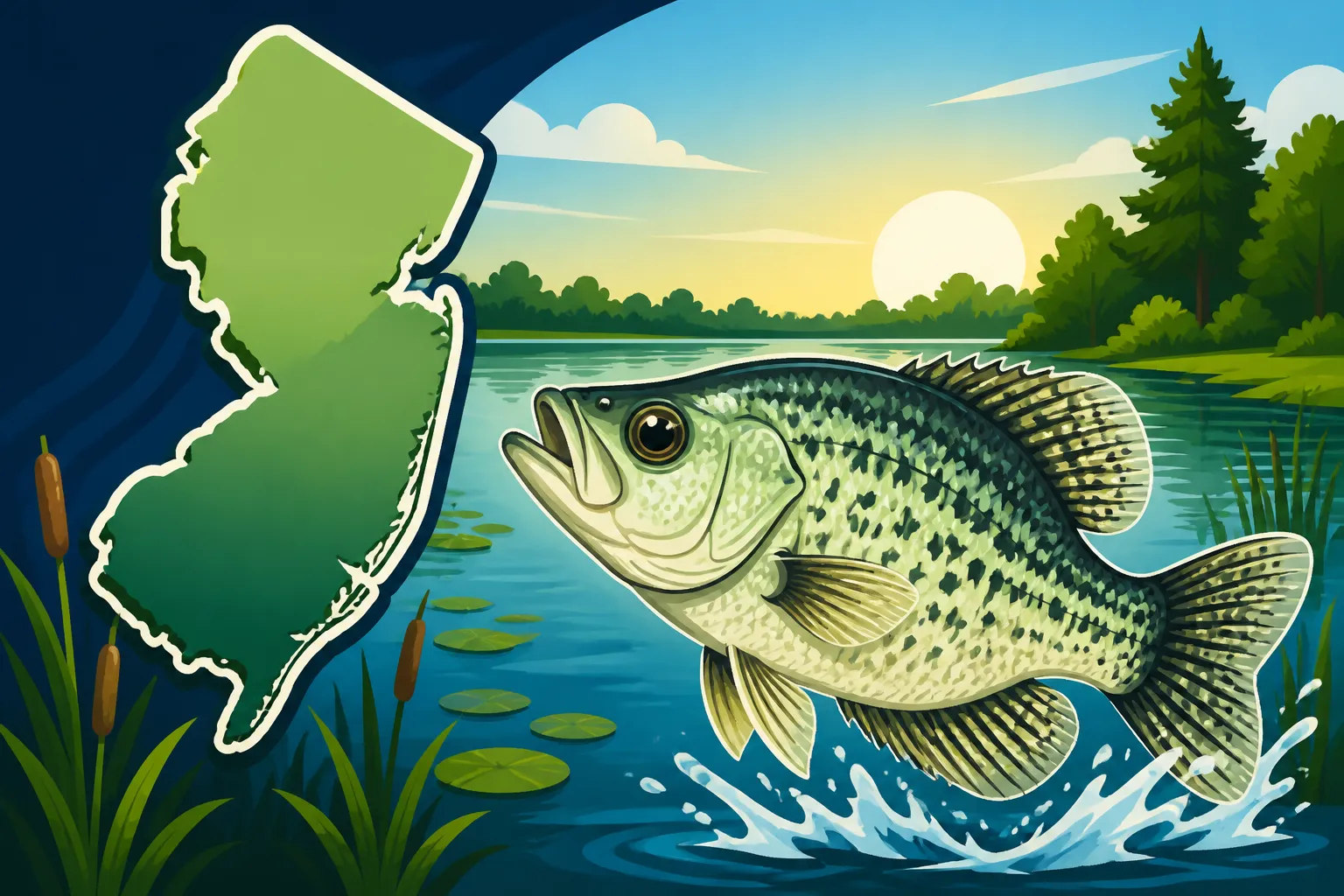
Crappie, whether black or white, are an absolute blast to catch and even better to eat. For many anglers, especially those just getting into the sport or looking for a relaxing day with the family, crappie offer consistent action and a rewarding experience. They don't typically grow to monstrous sizes, but their abundance and willingness to bite make them a perfect target for an enjoyable outing. In New Jersey, you'll primarily encounter black crappie in our ponds, though some lakes might hold white crappie as well. If you're curious about the subtle differences, our guide on Black Crappie vs White Crappie: What's the Difference? can help you tell them apart.
These fish are often found schooling, meaning when you find one, you've likely found a whole pile of them. This makes for exciting fishing, where you can sometimes pull in fish after fish from the same spot, making it an excellent species for teaching kids or just racking up a good count. Beyond the sport, crappie fillets are tender, flaky, and sweet, making them one of the most sought-after panfish for the dinner table. Their prevalence in many of our state's smaller, quieter ponds also means you can often enjoy a peaceful day away from the hustle and bustle of larger, more popular fishing destinations.
Top New Jersey Ponds Known for Quality Crappie Fishing
Finding the honey holes for crappie often means looking beyond the major lakes and reservoirs and delving into the network of smaller ponds that dot New Jersey's landscape. These lesser-known gems can hold surprisingly robust populations of crappie, offering fantastic opportunities for anglers willing to explore. Remember, always check the current New Jersey Freshwater Fishing Regulations Every Angler Should Know before heading out, as rules can change.
Prospertown Lake, Jackson Township
Located within the Prospertown Lake Wildlife Management Area in Jackson, Ocean County, Prospertown Lake is a fantastic crappie destination. This relatively shallow, 90-acre impoundment is well-known for its panfish, and crappie thrive here, particularly around the abundant submerged timber, lily pads, and brush piles. The lake's average depth is around 6-8 feet, but it features deeper channels and structures that crappie gravitate towards.
Anglers often report catching a good mix of crappie sizes here, with plenty of keepers and occasional larger specimens pushing towards the 12-14 inch mark. The shores are easily accessible in many areas, and there's a boat ramp for kayaks, canoes, and small electric-motor boats, which are perfect for navigating the lake's structure-rich environment. Early spring and late fall are prime times, as crappie move into shallower waters. The challenges here can be navigating the dense lily pads in summer, which can make shore fishing difficult, but also provide excellent cover for fish.
Assunpink Lake, Upper Freehold Township
Part of the expansive Assunpink Wildlife Management Area in Monmouth County, Assunpink Lake is a larger, 225-acre impoundment that often gets overlooked by crappie anglers focusing on its famed largemouth bass. However, Assunpink holds a thriving population of both black and white crappie, offering some excellent opportunities. The lake features extensive submerged structure, including old timber and varying depths, which provide ideal habitats for crappie.
Access is excellent with multiple boat ramps (trolling motors only for most areas) and ample shoreline fishing opportunities. The crappie here tend to be plentiful, with many in the 8-10 inch range, and a good chance at a few larger ones. Fishing the deeper edges of weed lines and around any standing timber is a solid strategy. During cooler months, crappie will often suspend over deeper water, making a fish finder invaluable. Like Prospertown, spring and fall are top seasons, but winter ice fishing can also be productive. For those interested in family outings, Assunpink is often listed among the Best New Jersey State Park Ponds for Family Fishing due to its diverse fishing opportunities.
Lake Shenandoah, Lakewood Township
Nestled in Lakewood, Ocean County, Lake Shenandoah is a smaller, more urbanized lake that sometimes surprises anglers with its crappie population. This 46-acre lake is easily accessible, making it a convenient spot for local anglers. While not always producing trophy crappie, it offers consistent action for panfish, including a decent number of crappie, especially in the 7-9 inch range.
The lake has decent shore access, and small boats, kayaks, and canoes are suitable. Focus your efforts around the downed trees, docks, and bridge pilings if you can find them. The crappie here will often hold tight to any form of cover. The best times are early morning or late evening, especially during spring and fall, when they are more actively feeding near the shallower margins. Public access is fairly straightforward, but always be mindful of local park rules and regulations.
Turn Mill Pond, Millville
Down in Cumberland County, Turn Mill Pond, located within the Turn Mill Pond Wildlife Management Area, is another excellent crappie locale. This beautiful, somewhat remote 60-acre pond is known for its serene setting and solid panfish populations. Crappie here can be abundant, often caught in good numbers, making it a great spot for quantity over pure size, though larger slabs certainly aren't out of the question.
The pond has a small, unimproved boat launch, suitable for canoes and kayaks, and decent shoreline access in several areas. The key to crappie success here often lies in finding submerged brush and weed lines. The water can be a bit stained, which crappie don't mind, as it offers them a sense of security. Like many other ponds, spring and fall are the most productive, but patient anglers can find them throughout the open water season. If you need to pick up a fishing license, many local retailers and online options are available, as detailed in our guide Where and How to Buy a New Jersey Fishing License.
Union Lake, Millville
While larger than a typical "pond" at nearly 900 acres, Union Lake in Millville, Cumberland County, is an essential inclusion for crappie fishing. Its vast size means diverse habitats, and it consistently produces excellent numbers of crappie, often larger than those found in smaller ponds. Union Lake is essentially a flooded cypress swamp, making it a crappie angler's paradise with endless submerged timber, stumps, and varying depths.
You'll definitely want a boat here, as the best crappie spots are often away from the immediate shore, nestled among the cypress trees and submerged structure. Look for crappie suspended around these structures, especially in 8-15 feet of water. They can reach impressive sizes here, with 12-15 inch fish being common and even larger ones possible. Union Lake offers both white and black crappie. If you're looking for specialized advice on larger bodies of water, platforms like FishingBooker can help you find local guides who are intimately familiar with Union Lake's crappie patterns and hidden hot spots. Early spring, when crappie move shallow to spawn, and late fall, as they school up before winter, are exceptionally productive.
Essential Crappie Fishing Techniques for Ponds
Crappie can be a bit finicky sometimes, but understanding their habits and employing the right techniques will drastically improve your success rate in these New Jersey ponds. They are structure-oriented fish, meaning they love to hide around anything that offers cover – fallen trees, brush piles, docks, weed lines, or even subtle changes in bottom contour.
Jigging and Bobber Fishing
These are arguably the two most effective methods for crappie in ponds. For jigging, a small, lightweight jig (1/16 oz to 1/8 oz is often perfect) tipped with a small plastic grub, tube, or a live minnow is incredibly effective. Cast it out near structure, let it sink, and retrieve it with a slow, gentle jigging motion. Crappie often hit on the fall, so pay close attention to your line for any subtle taps or pauses. Vertical jigging directly over submerged structure from a boat or kayak can also be deadly.
Bobber fishing is classic and works wonders, especially for beginners or when fishing with kids. Set your bobber so your bait (a live minnow or a small jig) hangs just above the crappie's suspected depth. Crappie often feed looking up, so presenting the bait slightly above them can trigger a strike. Still fishing with a bobber near brush piles or weed edges, especially in early morning or late evening, is a tried and true method. Our guide on Typical Size of a Crappie Caught in New Jersey Ponds can give you an idea of what to expect size-wise, helping you choose the right jig or hook size.
Trolling and Drifting
While less common in very small ponds, in larger pond-like lakes such as Union Lake or Assunpink Lake, slow trolling or drifting can be very productive. This involves moving slowly through the water, dragging a small jig or a minnow rig behind the boat. This technique allows you to cover more water and find schools of crappie, which might be suspended in open water or along subtle depth changes.
Using an electric trolling motor at a very slow speed (0.5 to 1.5 mph) with multiple rods rigged with different depths can help you quickly pinpoint where the crappie are holding. Once you get a bite, mark the spot on your GPS or a landmark, and then work that area more thoroughly with jigging or bobber setups. This is particularly effective in fall and winter when crappie often move into deeper, more open water and suspend.
Essential Gear and Bait for Pond Crappie Success
You don't need a massive investment to get into crappie fishing, which is part of its appeal! A simple, light setup is all you need, allowing you to feel even the most delicate bites these panfish deliver.
Rods, Reels, and Line
A lightweight spinning rod, usually 5 to 7 feet long with a fast or ultralight action, paired with a small spinning reel (size 1000 or 2000), is perfect. This setup allows for accurate casting of small lures and provides the sensitivity needed to detect those subtle crappie nibbles.
For line, 4 to 6-pound test monofilament or fluorocarbon is generally ideal. Monofilament is forgiving and easy to tie, while fluorocarbon offers excellent sensitivity and is nearly invisible underwater. Braided line can also be used, especially if you want maximum sensitivity, but it's wise to tie a fluorocarbon or monofilament leader (2-4 feet) to it for stealth and abrasion resistance. Remember, lighter line often gets more bites with crappie.
Baits and Lures
- Live Minnows: These are, without a doubt, the #1 crappie bait. Fished under a bobber or on a small jig head, live minnows are irresistible to crappie. Hook them lightly through the lips or just behind the dorsal fin.
- Small Jigs: Think 1/32 oz to 1/8 oz jig heads. Colors can vary based on water clarity and crappie mood, but black, white, chartreuse, pink, and various glitter combinations are popular. Tip them with:
- Plastic Grubs/Tubes: Small, soft plastic bodies (1-2 inches) that mimic minnows or aquatic insects.
- Marabou Jigs: These are fantastic, as the marabou feathers pulsate and breathe in the water, creating a lifelike action with minimal movement.
- Crappie Tubes: Tiny, soft plastic tubes, often 1-2 inches long, that are fished on small jig heads. They have a subtle swimming action.
- Small Spinnerbaits: Tiny spinnerbaits or "roadrunners" with an underspin blade can also entice aggressive crappie, especially in slightly stained water or when they are actively feeding.
- Small Spoons: For vertical jigging in deeper water, a small spoon (1/8 oz to 1/4 oz) can work well, especially during winter or when crappie are suspended.
When planning your outing, don't forget that most fishing in New Jersey requires a valid New Jersey Fishing License Guide for 2026. Even kids need to be aware of the rules, so check out Do Kids Need a Fishing License in New Jersey? to ensure everyone is properly covered.
Navigating Regulations and Practicing Responsible Angling
New Jersey has specific regulations designed to protect our fisheries and ensure sustainable angling for everyone. When crappie fishing in ponds, it's crucial to be aware of the statewide and sometimes site-specific rules.
Understanding Bag and Size Limits
For crappie, New Jersey usually has a generous daily bag limit, often 25 fish per person, with no minimum size limit in most waters. However, these regulations can vary from lake to lake, especially in certain managed waters. Always consult the latest New Jersey Fish and Wildlife Digest (available online or at license vendors) to confirm the rules for the specific pond you're fishing. Our guide on New Jersey Daily Bag Limits by Species provides a broader overview, but double-checking for crappie is always a good idea.
Ignoring these rules can lead to significant penalties, as the New Jersey Conservation Police and License Checks are a real thing, and they're out there protecting our natural resources. It's not just about avoiding fines; it's about ensuring future generations can enjoy the same great crappie fishing you do.
Catch and Release Practices
While crappie are excellent eating, practicing selective harvest is a key part of responsible angling. If you're catching a lot of small crappie, consider releasing the largest and healthiest ones to ensure a strong breeding population. For fish you intend to keep, dispatch them quickly and humanely, and keep them on ice to preserve their quality.
Always handle crappie gently if you plan to release them. Minimize their time out of the water, and use a de-hooking tool if the hook is deep. Crappie have delicate mouths, so being gentle is key to their survival.
Protecting Pond Ecosystems
When fishing New Jersey ponds, remember you're often in sensitive ecosystems. Pack out everything you pack in – no trash, no discarded line, no bait containers left behind. Avoid introducing any non-native species, whether baitfish or plants, as they can devastate a pond's natural balance. If you happen to come across an invasive species like a northern snakehead, do not release it. Report it to the New Jersey Division of Fish and Wildlife and follow their instructions.
By respecting the regulations and practicing ethical angling, we can all contribute to the health and vitality of New Jersey's crappie ponds, ensuring many more enjoyable days of fishing ahead. Sometimes, finding the best spots is just the first step; knowing how to keep them healthy is equally important. To stay current on any changes that might affect your crappie fishing plans, regularly check resources like New Jersey Fishing Season Dates and Closures and How to Find New Jersey's Best Fishing Spots Using the State Stocking Map.
| Crappie Pond | Location (County) | Size (Acres) | Key Features for Crappie | Primary Access |
|---|---|---|---|---|
| Prospertown Lake | Ocean | 90 | Submerged timber, lily pads, brush | Shore, small boat ramp |
| Assunpink Lake | Monmouth | 225 | Submerged structure, weed lines, varying depths | Multiple boat ramps, shore |
| Lake Shenandoah | Ocean | 46 | Docks, bridge pilings, downed trees | Shore, small boat access |
| Turn Mill Pond | Cumberland | 60 | Submerged brush, weed lines, stained water | Unimproved ramp, shore |
| Union Lake | Cumberland | 898 | Cypress trees, extensive submerged timber | Boat ramps, limited shore |
Disclaimer
Fishing conditions, regulations, and fish populations can change. Always consult the New Jersey Division of Fish and Wildlife's official regulations and resources before planning your fishing trip to ensure you have the most current information. The advice provided here is for informational purposes and should not be considered a substitute for official guidance.