Fishing Mercer Lake for Bass and Catfish
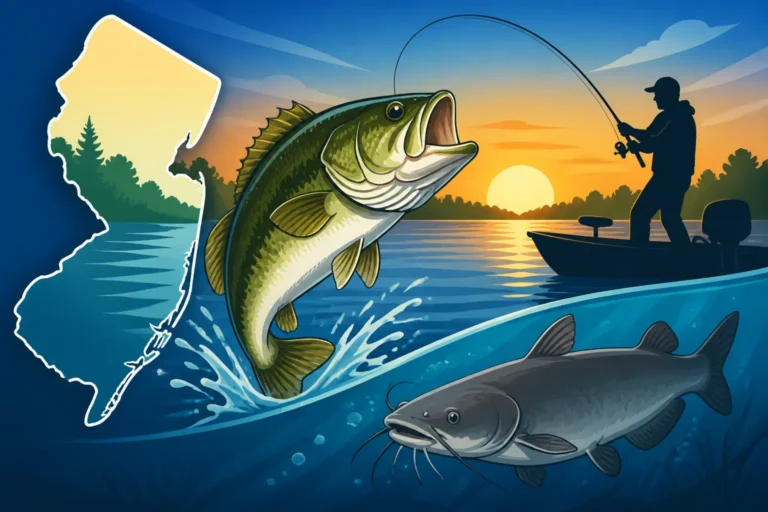
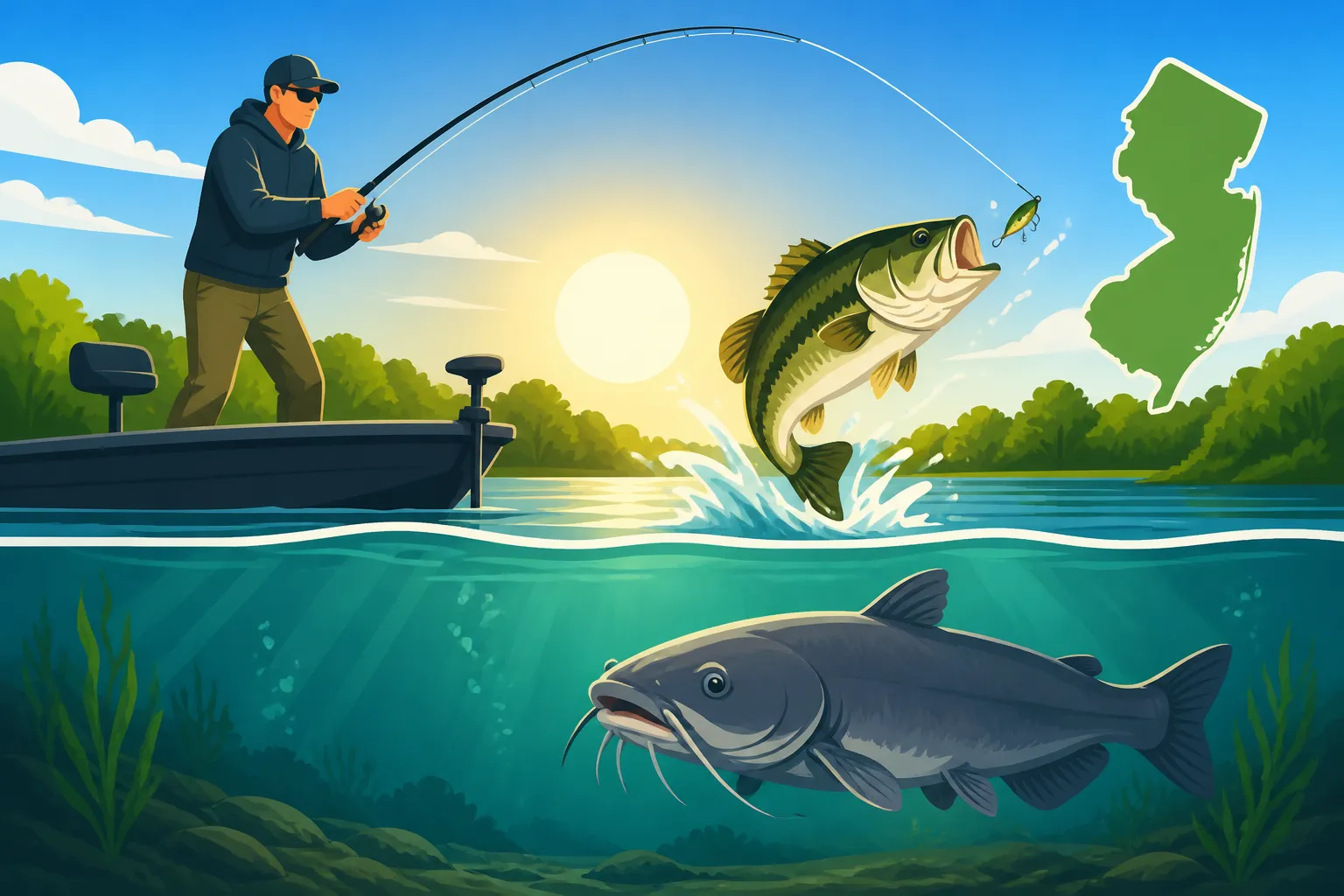
Trying to find a great freshwater fishing spot in Central Jersey that offers a solid chance at both hard-fighting bass and delicious catfish can sometimes feel like a wild goose chase. You hear about these legendary lakes, but getting the real scoop on where to go and what to use is tough. If you've been yearning to spend a productive day on the water, targeting some of New Jersey's most popular freshwater species, then you've come to the right place. This guide will walk you through everything you need to know about fishing Mercer Lake, focusing specifically on how to successfully pursue largemouth bass and various catfish species, ensuring your next outing is a memorable one.
Getting to Know Mercer Lake: A Prime Freshwater Destination
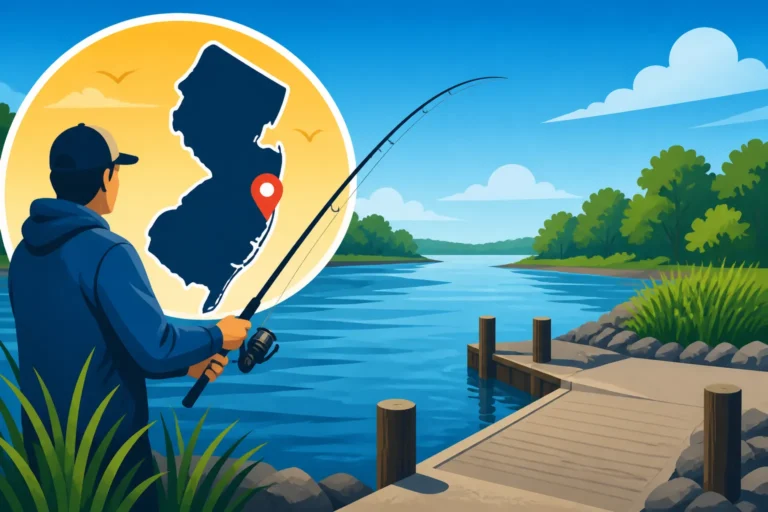
Mercer Lake, nestled within the expansive Mercer County Park in West Windsor, is a true gem for freshwater anglers in New Jersey. Spanning roughly 300 acres, this impoundment offers a diverse aquatic environment, making it a fantastic spot for a variety of species. What makes Mercer Lake particularly appealing is its accessibility combined with its rich fishery. It’s a place where you can launch a boat or simply cast from shore, making it suitable for anglers of all experience levels, from seasoned veterans to those just learning the ropes.
Location and Access Points for Anglers
Mercer Lake is incredibly well-appointed when it comes to angler access. Being part of a large county park means there are paved roads, ample parking, and well-maintained facilities. The primary access points for boaters include several launch ramps within Mercer County Park, such as the one off South Post Road. It’s important to remember that only electric motors are permitted on Mercer Lake, so leave the gas guzzlers at home. This restriction helps maintain the serene environment and prevents excessive disturbance to the fish and wildlife.
For those who prefer to keep their feet on solid ground, Mercer Lake offers extensive shore fishing opportunities. The park's paved pathways and open grassy areas provide numerous spots to cast a line without needing a boat. Popular areas include the banks near the rowing center, the bridges, and various coves accessible by walking. Exploring the perimeter of the lake on foot can often reveal hidden pockets where fish might be holding, especially during times of lower angler pressure. You might be surprised at how many great spots you can find by simply taking a stroll.
Permits and Regulations for Fishing Mercer Lake
Before you even think about wetting a line, it’s crucial to understand the rules and regulations specific to New Jersey fishing. First and foremost, anyone aged 16 or older needs a valid New Jersey fishing license. This is non-negotiable, and conservation officers do check regularly. You can easily purchase your license online or at authorized retailers, and it's always a good idea to keep proof of your license handy, whether it's a printed copy or on your phone. If you're unsure about specific requirements, our comprehensive guide, "New Jersey Freshwater Fishing Regulations Every Angler Should Know", can provide all the details you need.
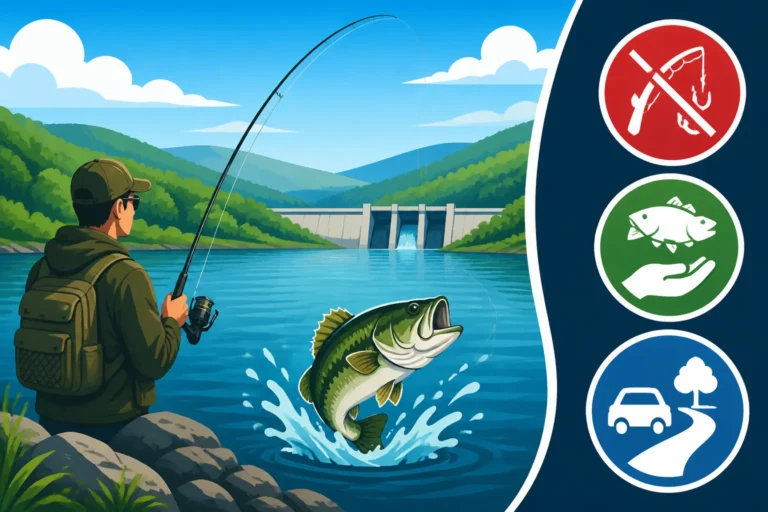
Beyond the general license, Mercer Lake adheres to the statewide regulations set by the New Jersey Department of Environmental Protection (NJDEP) Fish and Wildlife. This includes bag limits, size limits, and season dates for various species. While there are no special permits required beyond the standard fishing license for Mercer Lake itself, it’s always wise to consult the latest Fish and Wildlife Digest, which you can find on the state's official website. These regulations can change year to year, so staying informed is key to avoiding fines and protecting the fishery. Remember, even if you’re just enjoying "New Jersey Free Fishing Days Explained", you still need to follow all other rules regarding size and bag limits.
Targeting Largemouth Bass at Mercer Lake
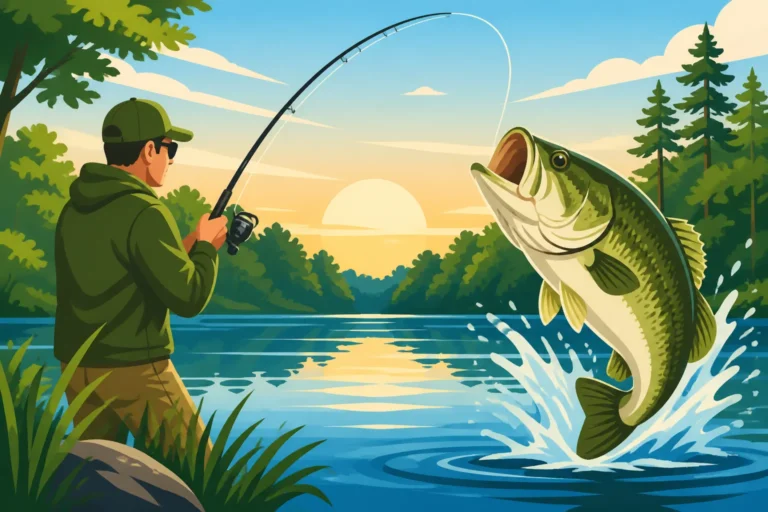
Mercer Lake has earned a reputation as a solid largemouth bass fishery. Anglers consistently report good catches, with some impressive trophy-sized fish occasionally making an appearance. The lake's diverse structure, including weed lines, submerged timber, and varying depths, creates ideal conditions for bass to thrive. If you're looking for that satisfying tug on your line and the thrill of a jumping bass, Mercer Lake is definitely a place to consider.
Prime Bass Habitats and Structures
Largemouth bass are ambush predators, and they love structure. At Mercer Lake, you'll find plenty of it. Look for areas with lily pads, cattails, and submerged weed beds, especially in the shallower coves and along the northern and southern banks. These aquatic plants provide cover for bass to hide and wait for unsuspecting baitfish. Docks, fallen trees, and even subtle changes in bottom contour can also hold significant numbers of fish. The bridges crossing sections of the lake create excellent current breaks and shade, which bass will often utilize.
Another key area to focus on for bass is the deeper drop-offs and channels, particularly those leading to the main lake basin. While bass are often associated with shallow cover, they'll retreat to deeper, cooler water during the hotter summer months or when pressured. Using your fishfinder, if you have a boat, to identify these transition areas can be incredibly productive. Don't overlook points that extend into the lake; these act as natural funnels for baitfish and offer bass multiple ambush points. For a broader understanding, you might also want to check out our detailed guide on "Largemouth Bass Fishing in New Jersey".
Effective Techniques and Lures for Bass
When it comes to tempting Mercer Lake largemouth, a variety of techniques can prove successful. For fishing around heavy cover like lily pads or thick weeds, Texas-rigged soft plastics like worms, craws, or creature baits are almost indispensable. Their weedless design allows them to penetrate cover without snagging, putting your bait right where the bass are hiding. Flipping and pitching these baits into tight spots can trigger aggressive strikes.
In more open water or along weed edges, spinnerbaits and chatterbaits are excellent for covering water and eliciting reaction strikes. Early mornings and late evenings, or on overcast days, topwater lures like frogs, poppers, and walking baits can be incredibly exciting. There's nothing quite like watching a largemouth blow up on a surface bait! For those curious about mastering these surface presentations, our article "How to Fish Topwater Lures for Largemouth Bass" provides excellent tips. Crankbaits and lipless crankbaits are also productive, especially when fished along drop-offs or over submerged structure, mimicking baitfish moving through the water column.
Seasonal Strategies for Largemouth Bass Success
Bass behavior at Mercer Lake is heavily influenced by the seasons. In spring, as water temperatures rise, bass move into shallower areas for spawning. This is an excellent time to target them with spinnerbaits, jigs, and slow-moving soft plastics near emergent vegetation and woody cover. After the spawn, they'll often be hungry and aggressive.
Summer fishing can be challenging during the heat of the day. Bass will often move to deeper, cooler water or seek dense shade. Early morning, late evening, or even night fishing can be highly productive using topwater lures, worms, or jigs fished slowly in deeper pockets. During fall, as water temperatures drop, bass become very active, feeding heavily in preparation for winter. This is a prime time for power fishing with crankbaits, spinnerbaits, and even jerkbaits as they chase baitfish. Finally, winter fishing is tough but not impossible; bass will be lethargic and hold tight to deep structure, requiring slow presentations with jigs or small finesse baits.
Pursuing Catfish in Mercer Lake's Waters
While largemouth bass often steal the spotlight, Mercer Lake is also home to a healthy population of catfish, primarily channel catfish. These powerful, whiskered bottom-dwellers provide excellent sport and, for many anglers, make for a fantastic meal. Catfish are generally less finicky than bass, making them a great target for anglers looking for consistent action, or even for families fishing with kids who want to feel a strong pull on their line.
Identifying Catfish Hotspots and Preferred Depths
Catfish, especially channel catfish, are often found in deeper, muddier areas of the lake, but they will also patrol shallower flats, particularly during low-light conditions or after a good rain. At Mercer Lake, target the main lake basin, deeper channels, and areas where creeks feed into the lake, as these currents can bring in food. Look for humps and depressions on the lake bottom, as catfish will often congregate in these areas.
Don't ignore the areas around boat ramps or the rowing center docks; catfish are scavengers and will often find food scraps or bait dropped by other anglers. Areas with soft, silty bottoms are often preferred by catfish because they are rich in benthic organisms, which are a major food source. When fishing from shore, casting out into the deeper sections from the accessible banks can be very effective. During the warmer months, catfish become more active and will roam more widely.
Baits and Rigs That Catfish Can't Resist
Catfish are opportunistic feeders and aren't generally picky, which is great news for anglers. The key is often using baits with a strong scent that can attract them from a distance. Classic choices include cut bait (like pieces of bunker, herring, or even hot dogs), chicken livers, and various prepared "stink baits" or dough balls. Worms, particularly nightcrawlers, are also incredibly effective, appealing to catfish of all sizes. For more specific recommendations on baits, our guide, "Best Bait for Channel Catfish", has some fantastic insights.
A simple bottom rig is usually all you need. A slip-sinker rig, where a sinker slides freely on the main line above a swivel and a leader with a hook, is a go-to. This allows the fish to pick up the bait and move off without feeling the resistance of the sinker, leading to more confident bites. Circle hooks are highly recommended for catfish as they typically hook the fish in the corner of the mouth, making for easier, safer release if you're not planning to keep them. You can learn more about "New Jersey Catfish Species Guide" to better understand the different types you might encounter.
Optimal Times and Conditions for Catfish Angling
Catfish are often most active during periods of low light, meaning early mornings, late evenings, and throughout the night. They have excellent senses of smell and touch, which they use to locate food in the dark or in murky water. Overcast days, or even periods just before a thunderstorm, can also trigger a feeding frenzy. If you're planning a trip during the summer, consider targeting them after dusk when they move into shallower water to feed.
Warm water temperatures generally make catfish more active, so the late spring through early fall are prime seasons for them at Mercer Lake. However, they can be caught year-round, just with slower action in the colder months. After a heavy rain, when runoff brings new food sources into the lake and slightly muddies the water, can also be a fantastic time to target catfish. These conditions often make them bolder and more willing to investigate baited offerings.
Essential Gear and Planning Your Mercer Lake Trip
Having the right gear makes all the difference for a comfortable and productive day on Mercer Lake. While you don't need a boatload of specialized equipment, a few key items will enhance your experience, whether you're chasing bass or patiently waiting for a catfish bite.
Recommended Rods, Reels, and Line for Mercer Lake
For largemouth bass, a medium to medium-heavy action spinning or baitcasting rod, typically 6'6" to 7'6" in length, will cover most situations. Pair this with a reliable spinning reel in the 2500-3000 size or a baitcasting reel suitable for casting various lure weights. Spool your reel with 10-15 pound braided line, which offers excellent sensitivity and strength, and use a fluorocarbon leader (8-12 pound test) for stealth and abrasion resistance. If you're fishing really heavy cover, you might even step up to 20-pound braid with a heavier leader.
For catfish, a medium-heavy to heavy action spinning or baitcasting rod, 7 to 9 feet long, is ideal. This extra backbone helps with casting heavier baits and sinkers, and provides the power needed to subdue larger catfish. A robust spinning reel (4000-6000 size) or a conventional reel spooled with 20-30 pound monofilament or braided line will serve you well. Monofilament is popular for its stretch, which can act as a shock absorber, while braid offers sensitivity and strength. Consider how many rods you plan to bring, as "How Many Fishing Rods Can You Use at Once in New Jersey?" details the state's regulations on this.
Beyond the Tackle Box: What Else to Bring
Beyond your rods, reels, and tackle, a few other items are essential for a successful day at Mercer Lake. A good pair of polarized sunglasses will help you spot structure and fish, and protect your eyes from the sun's glare. Sunscreen, a hat, and appropriate clothing for the weather are crucial, regardless of the season. Don't forget bug spray, especially during warmer months near the water.
A cooler with plenty of water and snacks is always a good idea, as a day of fishing can be tiring. If you plan to keep your catch, bring a measuring tape to ensure your fish meet "New Jersey Freshwater Fish Size Chart 2026" and a stringer or a livewell to keep them fresh. A pair of pliers or a hook remover is invaluable for safely unhooking fish. Lastly, always carry your valid New Jersey fishing license and any required identification, as showing a "New Jersey Fishing License Photo ID Requirement" is often part of a routine check.
Planning Your Trip: Local Resources and Guides
Planning your trip to Mercer Lake in advance can significantly improve your chances of success. Check the local weather forecast, paying attention to wind speed and direction, as strong winds can make boat control difficult and affect casting. If you're unsure about the conditions or need some local insights, talking to bait and tackle shops in the Mercer County area can provide invaluable, up-to-the-minute advice on what's biting and what baits are working best.
For those looking for an extra edge or a guided experience, especially if you're new to the lake or fishing in general, consider hiring a local guide. While Mercer Lake doesn't have a dedicated charter fleet like saltwater destinations, there are freshwater guides in the region who can offer tailored experiences for bass or catfish. Platforms like FishingBooker can sometimes help connect you with experienced guides who operate in Central New Jersey, ensuring you make the most of your time on the water. Even if you're just looking for "Best New Jersey Spots for Bank Fishing for Beginners", a little research goes a long way.
| Fish Species | Primary Baits/Lures | Preferred Habitat | Best Seasons | Recommended Gear |
|---|---|---|---|---|
| Largemouth Bass | Soft plastics (worms, craws), Spinnerbaits, Jigs, Topwater lures, Crankbaits | Weed lines, submerged timber, docks, drop-offs | Spring, Fall, Summer (low light) | Med-Hvy rod (6'6"-7'6"), 10-15lb braid, Fluorocarbon leader |
| Channel Catfish | Cut bait (bunker, chicken liver), Nightcrawlers, Stink baits | Deeper channels, silty bottoms, creek mouths, structure | Late Spring, Summer, Early Fall (night, low light) | Med-Hvy to Hvy rod (7'-9'), 20-30lb mono/braid, Slip-sinker rig |
For families looking for a relaxing day, Mercer Lake is very accommodating, and you might be wondering, "Do Kids Need a Fishing License in New Jersey?", which is important to clarify. Always remember to practice responsible angling by minimizing your impact on the environment, properly disposing of trash, and following catch-and-release guidelines for fish you don't intend to keep. With a little preparation and a good understanding of Mercer Lake's offerings, you're set for a fantastic fishing adventure.
Disclaimer
Fishing conditions and regulations in New Jersey can change. This guide is for informational purposes only. Always consult the official New Jersey Department of Environmental Protection (NJDEP) Fish and Wildlife regulations before fishing. It's your responsibility to know and follow all current laws and safety guidelines.