Sandy Hook Bay Fishing Access Without a Boat
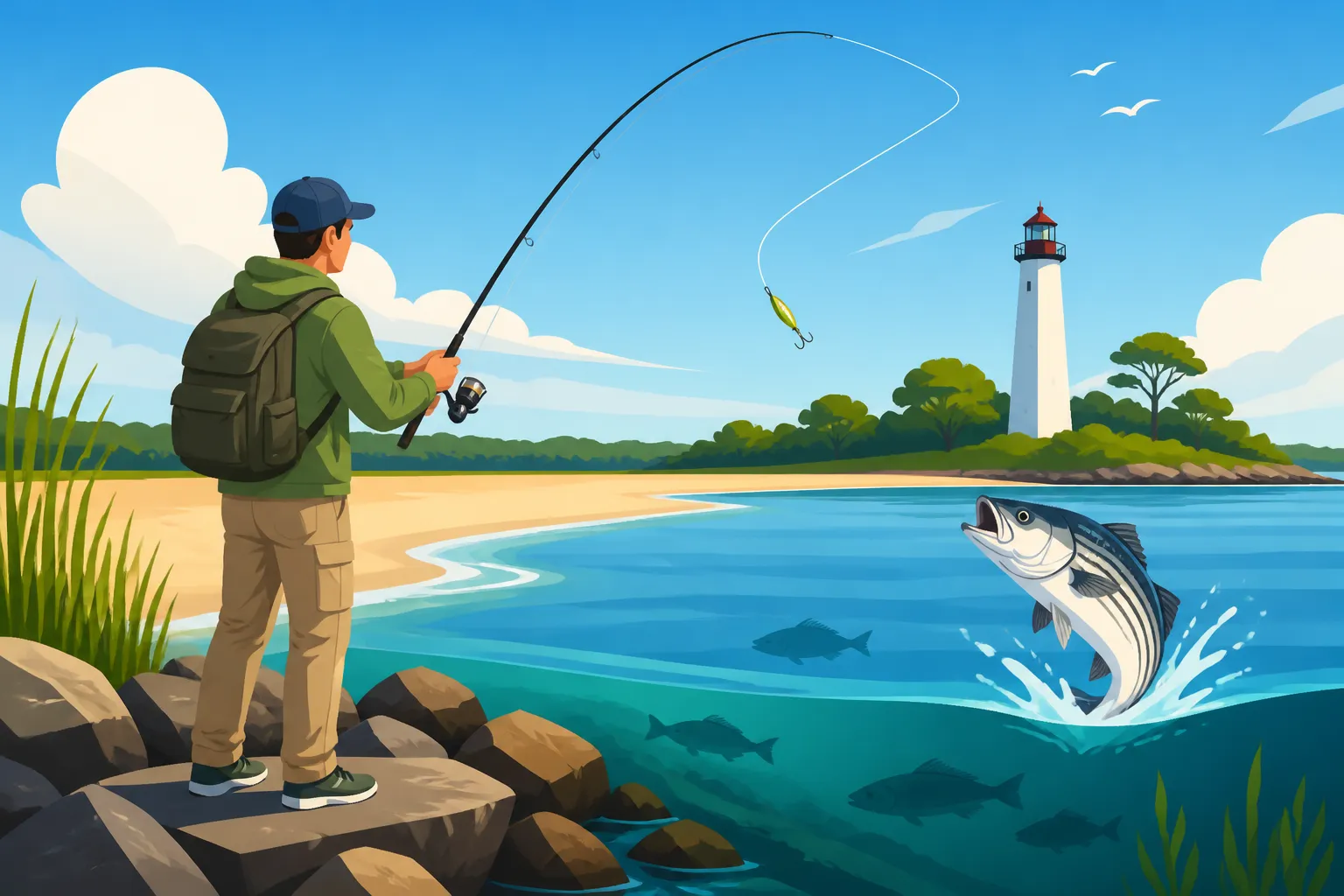
Many anglers dream of reeling in big fish from the abundant waters of Sandy Hook Bay, but the thought of needing a boat can feel like a major roadblock. It's frustrating to know prime fishing grounds are out there, yet feel limited by not owning a vessel. This comprehensive guide is here to assure you that a boat isn't always a prerequisite for success! We'll explore numerous fantastic shore-based fishing opportunities around Sandy Hook Bay, ensuring you can still enjoy incredible angling experiences and land impressive catches without ever stepping foot on a boat.
Navigating the Challenges of Shore Fishing in Sandy Hook Bay
It’s a common scenario: you’ve heard the tales of monster striped bass or abundant fluke in Sandy Hook Bay, you drive down to the coast with your gear, only to find endless stretches of private property, dense marshland, or confusing "no trespassing" signs. This feeling of being "locked out" from what feels like prime fishing real estate can be incredibly frustrating for the boatless angler. You might see boats out on the water, seemingly effortlessly pulling in fish, while you’re left wondering if there’s any viable access for you.
The Frustration of Limited Access Points
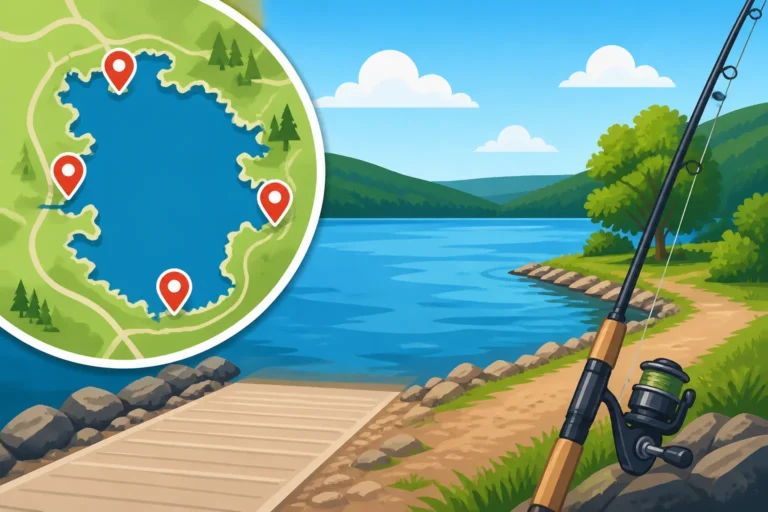
Indeed, public access along the New Jersey coastline, especially in densely populated areas, can be a real pain point. Many promising spots are either privately owned, part of commercial marinas, or simply don't have safe, legal parking nearby. This can lead to wasted time driving around, looking for an opening, and ultimately feeling discouraged before you even make your first cast. It's a valid concern, and it’s why knowing exactly where you can legally and safely access the water is crucial for a successful and stress-free trip.
Beyond just private property, natural barriers like thick reeds, muddy banks, or areas with extreme tidal fluctuations can also make shore fishing seem impossible. You might find a spot that looks promising on a map, only to arrive and discover it's completely inaccessible on foot, or that the water is too shallow to effectively fish during certain tides. This guide aims to cut through that frustration by pinpointing those specific spots where shore-based fishing is not only possible but genuinely productive, turning your "locked out" feeling into one of exciting opportunity.
Understanding Tidal Influences and Water Depth from Shore
Fishing Sandy Hook Bay from shore means you are at the mercy of the tides more so than someone in a boat who can chase the fish. The bay is a dynamic environment, and what might be a fantastic fishing spot during a high tide, with fish moving into shallower feeding grounds, could become a barren mud flat or an impassable stretch of exposed rocks at low tide. This isn't just an inconvenience; it can be the difference between a day of non-stop action and hours of staring at an empty horizon.
Understanding the tidal charts for Sandy Hook Bay is arguably the most critical piece of information for a shore angler. Fish, especially species like fluke and striped bass, use the moving water to ambush bait. A strong incoming or outgoing tide can bring food right to them, making certain points, channels, or drop-offs extremely productive. Conversely, slack tide can often mean a slowdown in bites. Learning to read these patterns, and knowing how the water depth at your chosen shore spot changes with the tide, will dramatically increase your chances of success. It's a skill that takes practice, but it's essential for anyone fishing without a boat. You can learn more about this by checking out our guide on how to read tide charts for better fishing in New Jersey.
Top Public Fishing Access Points Around Sandy Hook Bay
While challenges exist, Sandy Hook Bay offers some truly phenomenal shore fishing opportunities once you know where to look. The key is to target public lands and well-known access points that cater to anglers.
Gateway National Recreation Area Fort Hancock
One of the crown jewels for shore anglers in the Sandy Hook Bay area is without a doubt the Gateway National Recreation Area, specifically the Fort Hancock section. This sprawling park offers miles of diverse shoreline, from sheltered bay beaches to more exposed ocean-facing stretches and even remnants of old piers and jetties. It's a haven for various species and a fantastic place for a full day of exploration.
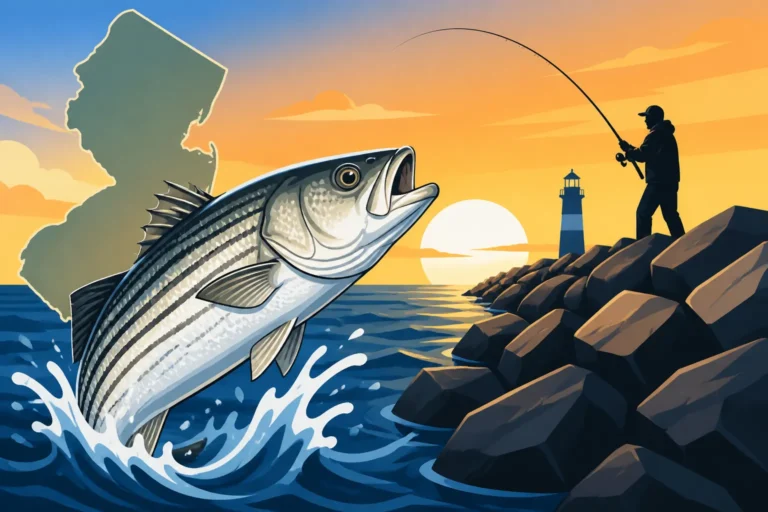
Accessing Fort Hancock means entering the Sandy Hook peninsula, which does have a seasonal entrance fee for vehicles, typically from Memorial Day to Labor Day. However, the fishing opportunities are well worth it. You can cast into the bay waters, targeting striped bass and bluefish, especially during their spring and fall migrations. The jetties, though sometimes requiring a decent walk, can be excellent for fluke, tog (blackfish), and even weakfish during the warmer months. Keep an eye out for submerged structures and current breaks that hold baitfish, as these are prime ambush points for predators. For more in-depth details on this specific area, our guide on Fort Hancock Fishing Access at Sandy Hook provides a wealth of information.
The beauty of Fort Hancock is its sheer variety. You can fish calm bay waters in the morning and then switch to the ocean side in the afternoon if conditions change. Parking lots are generally well-marked, though popular spots fill up quickly on weekends. Remember to pack everything you need, as amenities can be a bit spread out. This area truly allows for an expansive fishing experience even without a boat, letting you target different fish based on the specific micro-environments you find.
Spermaceti Cove and Horseshoe Cove Areas
Within the broader Sandy Hook unit of Gateway National Recreation Area, Spermaceti Cove and Horseshoe Cove represent more sheltered, bay-side options that are fantastic for specific types of fishing, especially for those who prefer calmer waters or are looking to target different species than those found in deeper channels. These coves offer a different kind of angling experience, often more tranquil and ideal for families or those focusing on finesse techniques.
Spermaceti Cove, on the ocean side but often calmer than the main beach, can be surprisingly productive for fluke as they move in and out with the tide, especially when schools of baitfish are present. Horseshoe Cove, facing the Raritan Bay directly, is known for its shallower, calmer waters, making it excellent for crabbing and catching smaller baitfish like spearing and killifish, which in turn attract juvenile striped bass and snapper blues. While you might not land a trophy striper here, it's a perfect spot for consistent action and for introducing kids to fishing.
Access to these areas usually involves parking in the designated lots within Sandy Hook and taking a short walk. The shallower waters mean you'll need to pay close attention to the tides; fishing here at dead low tide might leave you casting into very little water. However, during incoming and outgoing tides, these coves can really light up with activity as baitfish move around, attracting larger predators. These spots are fantastic examples of how understanding the nuances of a location can lead to great success, even without the mobility of a boat.
Bayshore Beaches and Piers (Atlantic Highlands, Leonardo, Keansburg)
Moving west along the northern New Jersey coastline, away from the tip of Sandy Hook, you'll find a series of Bayshore towns that offer excellent public access to Sandy Hook Bay. These locations are often more easily accessible, with town piers, bulkheads, and public beaches providing ample opportunities for boatless anglers. They tend to be vibrant community hubs, often with bait shops and other amenities nearby.
The Atlantic Highlands Municipal Harbor area, for instance, provides public access to bulkheads and nearby beaches where anglers can cast for fluke, snapper blues, and weakfish. The deeper water close to the harbor mouth can also hold larger striped bass, particularly during the spring and fall runs. While this area is also a major hub for charter boats (you can read more about them in our Atlantic Highlands Charter Fishing Guide), there are still plenty of spots for shore-bound anglers to enjoy. Further west, Leonardo State Marina offers additional bulkhead access, which is often a productive spot for similar species.
Perhaps one of the most iconic shore fishing destinations in the area is the Keansburg Fishing Pier. This long pier extends far out into the bay, giving anglers access to deeper waters and a wide array of species that might otherwise be out of reach from shore. Here, you can target everything from fluke and bluefish to striped bass, weakfish, and even some panfish. The pier often has lights at night, attracting baitfish and, consequently, larger game fish. These Bayshore spots are incredibly valuable for anglers without a boat, providing diverse options that cater to different fishing styles and target species.
| Access Point | Primary Target Species (Shore) | Best Seasons | Notes |
|---|---|---|---|
| Fort Hancock, Sandy Hook | Striped Bass, Bluefish, Fluke, Tog | Spring/Fall (Stripers, Blues), Summer (Fluke, Tog) | Diverse shoreline, jetties, bay & ocean access. Parking fee seasonal. |
| Spermaceti & Horseshoe Coves | Juvenile Stripers, Fluke, Snapper Blues | Summer (Fluke, Blues), Spring/Fall (Juvenile Stripers) | Calmer, shallower bay waters. Good for crabbing. |
| Atlantic Highlands Harbor Area | Fluke, Weakfish, Snapper Blues, Striped Bass | Spring/Fall (Stripers), Summer (Fluke, Weakfish) | Bulkhead access, nearby beaches, deeper water near harbor. |
| Keansburg Fishing Pier | Fluke, Bluefish, Striped Bass, Weakfish, Crabs | Spring-Fall (most species) | Long pier provides deep water access, amenities. |
Essential Gear and Techniques for Shore Anglers in Sandy Hook Bay
Having the right gear and understanding the specific techniques that work best from shore in Sandy Hook Bay can make all the difference. You don't need a boatload of expensive equipment, but a thoughtful selection will serve you well.
Recommended Rods, Reels, and Line for Bay Fishing
For the shore-bound angler tackling Sandy Hook Bay, versatility is key. You'll want a setup that can handle decent-sized game fish like striped bass and bluefish, yet still be sensitive enough to feel the subtle bite of a fluke or weakfish. A medium-heavy spinning rod, typically between 7 to 9 feet in length, is often the sweet spot. This length provides enough leverage for casting longer distances, which is crucial when you're limited to the shore, and it helps you steer fish away from structure.
Pair this rod with a durable spinning reel in the 4000 to 5000 size range. Look for models designed for saltwater, as they'll withstand the corrosive environment better. Spool your reel with 20 to 30 lb braided line. Braid offers superior casting distance due to its thin diameter, and its lack of stretch provides incredible sensitivity, allowing you to feel every bump and bite. To this, tie a 2-3 foot leader of 20-30 lb fluorocarbon. Fluorocarbon is nearly invisible underwater, which can be critical in the clear waters of the bay, and it's much more abrasion-resistant than braid, protecting your main line from sharp teeth or rough structure. This setup strikes an excellent balance between power, casting ability, and sensitivity, making it ideal for the diverse fishing opportunities Sandy Hook Bay offers from shore.
Best Baits and Lures for Sandy Hook Bay from Shore
Choosing the right bait or lure is paramount to success, and it often depends on the season and the target species. For live bait fishing, which can be incredibly effective, local baitfish like spearing, killifish, or peanut bunker (when available) are excellent choices. These can often be caught with a cast net in shallower areas or purchased from local bait shops. Small crabs, particularly green crabs, are dynamite for tautog around rocky jetties, though you'll need to check specific regulations for their use. For species like striped bass and bluefish, fresh cut bunker or clam is a perennial favorite, especially if you're targeting larger fish from a pier or a beach with some current. Our guide on Best Bait for Raritan Bay Striped Bass offers more specific advice for those powerful fish.
When it comes to artificial lures, a diverse tackle box will serve you well. Bucktail jigs are indispensable for fluke fishing, especially when tipped with a strip of Gulp! or natural bait. Soft plastic paddle tails and swim shads, rigged on jig heads, are incredibly versatile for striped bass and weakfish. They mimic baitfish and can be fished in various depths. Metal lures or poppers are fantastic for bluefish, particularly during a blitz when they're actively chasing bait on the surface. For deeper presentations or when current is strong, a simple bottom rig with an appropriate sinker and baited hooks can be deadly for fluke, seabass, and scup. For detailed fluke strategies, you might want to read our article on Best Bait for Fluke Fishing. Always remember to match your lure size and color to the prevalent baitfish in the area.
Reading the Tides and Water for Success
We touched on tides earlier, but it bears repeating: understanding them is a superpower for the shore angler. Beyond just knowing high and low tide times, it's about interpreting what the water is doing. A strong incoming tide will push baitfish into creeks, coves, and onto shallow flats, often bringing game fish with them. Conversely, an outgoing tide will pull bait out of these areas, congregating them in channels and along drop-offs where predators lie in wait.
Look for signs of life in the water – nervous baitfish jumping, diving birds, or even subtle ripples that indicate current lines or submerged structure. These are all clues that fish are present and actively feeding. From shore, you need to identify features like jetties, bridge pilings, submerged rocks, or even changes in the bottom contour (like a sudden drop-off) that can create current breaks or ambush points. These are the "structure" that fish relate to, just as they would relate to a shipwreck offshore. By casting to these areas during periods of moving water, you dramatically increase your chances. Pay attention to water clarity too; often, a little stain in the water can make fish less wary, while crystal clear conditions might require more subtle presentations. This skill of reading the water is honed with experience, so get out there and start observing!
Planning Your Boatless Fishing Trip to Sandy Hook Bay
A successful fishing trip, especially without a boat, requires a little planning. Knowing the rules, prioritizing safety, and understanding how to maximize your experience will ensure you have a great time on the water.
Permitting, Regulations, and Local Rules
Before you even tie a knot, make sure you're properly licensed and registered. In New Jersey, if you're 16 years or older, you'll need a valid New Jersey Fishing License Guide for 2026 for freshwater fishing, and if you're targeting saltwater species from shore in Sandy Hook Bay, you are required to register with the New Jersey Saltwater Registry Explained program. The saltwater registry is free, but it's mandatory. These regulations exist to help manage fish populations and fund conservation efforts, so abiding by them is not just a legal requirement, but a responsible angler's duty.
Beyond state-wide requirements, specific locations might have their own nuanced rules. For example, while Island Beach State Park has specific rules (which you can read about in New Jersey's Island Beach State Park Shore Fishing Rules), Gateway National Recreation Area at Sandy Hook generally follows state fishing regulations, but it’s always wise to check for any park-specific advisories, especially regarding vehicle access or sensitive environmental areas. Always know the current New Jersey Fishing Season Dates and Closures and specific bag and size limits for the species you are targeting. For instance, understanding the New Jersey Striped Bass Slot Limit Explained or the New Jersey Fluke Size and Bag Limits Explained is critical to avoid legal trouble and promote sustainable fishing. These rules can change annually, so consulting the New Jersey Fish and Wildlife Digest is a must before each season.
Safety Considerations for Shore Anglers
Fishing from shore, especially in a dynamic environment like Sandy Hook Bay, comes with its own set of safety considerations. First and foremost, always be mindful of the tides. Getting cut off by an incoming tide on a sandbar or having your path to shore suddenly submerged can turn a fun day into a dangerous situation. Wear appropriate footwear, ideally waterproof boots with good grip, especially if you're walking on slippery rocks or wet sand.
Sun protection is vital, even on cloudy days. A wide-brimmed hat, polarized sunglasses, and sunscreen will protect you from harmful UV rays. Always stay hydrated, particularly during warmer months. If you're fishing near boat traffic, like in marina channels or inlets, be aware of boat wakes and give vessels ample space. Never turn your back on the ocean, especially on the more exposed parts of Sandy Hook; rogue waves can be unpredictable. Finally, if you're fishing in isolated areas or unfamiliar territory, let someone know where you're going and when you expect to return. Being prepared and aware of your surroundings will ensure a safe and enjoyable outing.
Maximizing Your Experience without a Boat
While a boat offers mobility, fishing without one forces you to slow down, observe, and truly connect with the environment. Embrace the simplicity! Pack light but intelligently. A backpack with your essential tackle, water, snacks, a first-aid kit, and a small cooler for your catch (if you plan to keep fish) is usually sufficient. This minimalist approach allows you to cover more ground on foot, exploring different stretches of shoreline and discovering hidden gems that boaters might overlook.
Consider diversifying your activities. Sandy Hook Bay is also a fantastic spot for crabbing, especially for blue claws, during the warmer months. A simple hand line or trap from a pier can yield a delicious dinner. You can also explore different techniques; perhaps try fly fishing in the shallower bay waters for schoolie stripers, or focus on honing your surf casting skills. Remember that sometimes, the best part of fishing isn't just the catch, but the tranquility, the natural beauty, and the satisfaction of outsmarting a fish with your own two feet on solid ground. And if you ever do crave that boat experience, remember there are many party boats and charters operating out of nearby ports like Atlantic Highlands, which can provide a different kind of "boatless" experience to offshore waters.
Disclaimer
Please note that fishing regulations, season dates, and access rules in New Jersey can change frequently. It is the angler's responsibility to consult the latest New Jersey Fish and Wildlife Digest or visit the official NJDEP Fish & Wildlife website before heading out to ensure compliance with all current laws and regulations.