Fort Hancock Fishing Access at Sandy Hook
Finding those perfect fishing spots along the New Jersey coast that offer both ample opportunity and easy access can sometimes feel like searching for a needle in a haystack. Many of us just want a reliable place to cast a line without the hassle of a boat or a complicated trek. If you’ve ever felt that frustration, then you’re in luck, because Fort Hancock at Sandy Hook offers a fantastic blend of historical charm and diverse fishing access that’s often overlooked, and this guide is here to walk you through exactly how to make the most of it.
Unlocking the Historic Charm and Fishing Potential of Fort Hancock
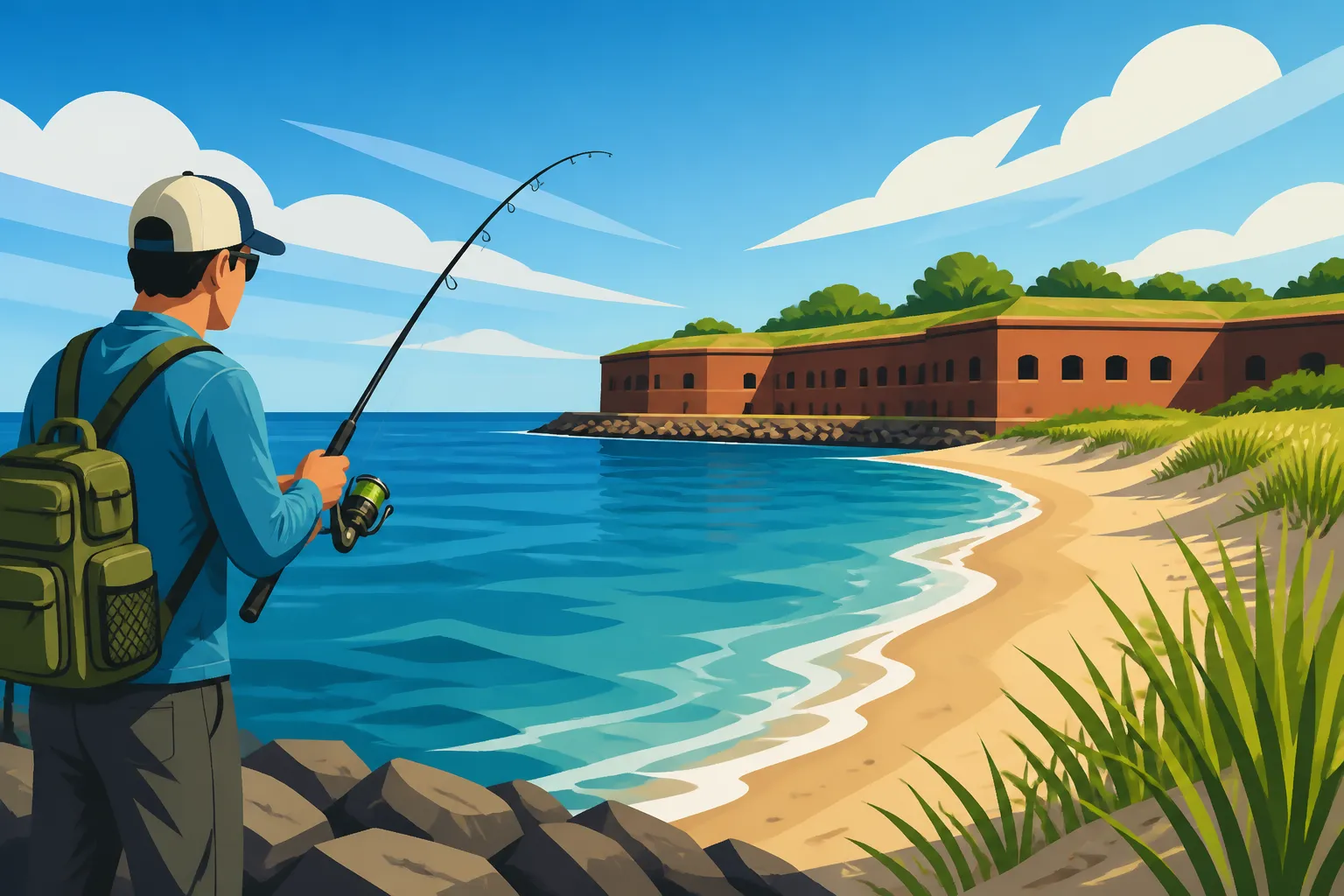
There’s something truly special about casting a line in a place steeped in history, and Fort Hancock at the very tip of Sandy Hook certainly delivers on that front. This isn't just another beach; it's a living museum where the remnants of coastal defense batteries stand as silent sentinels over some of New Jersey's most productive fishing grounds. The blend of old military installations and pristine natural beauty creates a unique backdrop for anglers, offering experiences you won't find at a typical park or beach access point.
A Glimpse into Fort Hancock's Unique Landscape for Anglers
Imagine walking past historic brick buildings and massive concrete bunkers, then stepping onto a quiet stretch of bay beach or a windswept oceanfront, rod in hand. That’s the reality at Fort Hancock. The presence of these old structures and the way the land was shaped by military use has inadvertently created fantastic fishing habitat and accessible spots. For instance, the remnants of old piers and jetties, while no longer fully intact, often create subtle structure in the water that attracts baitfish and, consequently, game fish. You might find yourself fishing alongside a 100-year-old battery, pondering the past while waiting for a bite.
The unique topography here means you have options. On one side, you have the calmer, protected waters of Sandy Hook Bay, ideal for those looking for a more relaxed experience, perhaps with lighter tackle or when the ocean is too rough. On the other, the open Atlantic Ocean beaches provide classic surf fishing opportunities, where you can feel the raw power of the ocean. This dual access within a relatively small area is a huge draw, accommodating everyone from families with young kids to seasoned surf casters looking for big stripers. This area truly exemplifies how diverse fishing can be along the New Jersey coast, a topic we dive into deeper in our guide to Freshwater vs Saltwater Fishing Rules in New Jersey.
Understanding Sandy Hook's Diverse Fishing Opportunities
The beauty of Fort Hancock and the surrounding Sandy Hook area lies in the sheer variety of fish you can target and the methods you can employ. It's not just a one-trick pony; this place truly offers something for every angler’s preference and skill level, throughout much of the year.
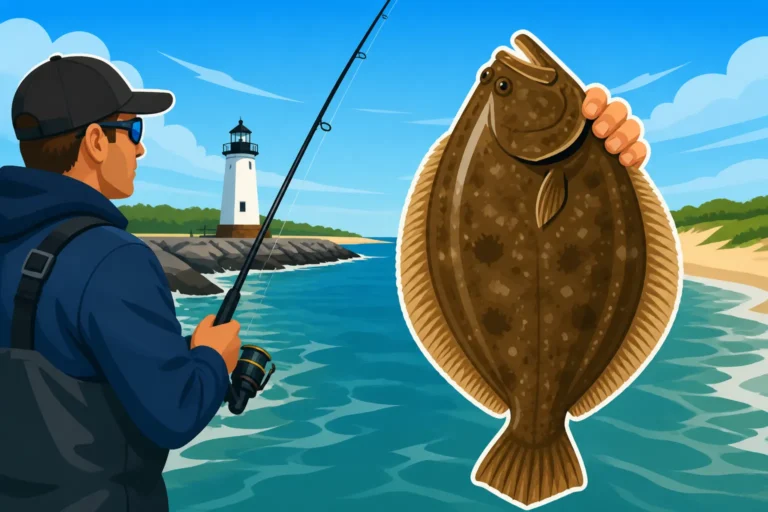
For many, the main draw here is the incredible striped bass fishing. During the spring and fall migrations, these powerful fish cruise the beaches and bay waters, chasing baitfish. You might find them right off the surf, especially during the fall run when they’re gorging themselves before heading south. But they’re also prevalent in the calmer bay waters, where they can be targeted with different techniques. Beyond stripers, fluke (also known as summer flounder) are a massive draw, particularly in the bay during the warmer months. These flatfish love to ambush bait from the sandy bottoms, making them a fun and tasty target. You can find more specific tips on How to Fish for Fluke in New Jersey if you’re looking to target these delicious fish.
And it doesn't stop there. Bluefish often make their presence known, especially in the summer, tearing through schools of bait with their aggressive nature and sharp teeth. You’ll also find opportunities for weakfish, particularly in the bay, which offer a softer fight but are highly prized for their beauty and delicate taste. Even black sea bass can be found around some of the deeper structures or wrecks just a short boat ride away, though shore anglers might pick up a few smaller ones. Depending on the season, you might even encounter species like false albacore, Spanish mackerel, or various panfish in the bay. This rich diversity is one of the many reasons why Sandy Hook, and Fort Hancock specifically, remains a beloved fishing destination.
Navigating Fort Hancock's Fishing Hotspots and Access Points
Once you arrive at Fort Hancock, the sheer size of Sandy Hook might seem a little daunting. The good news is that within the Fort Hancock area itself, there are several distinct and highly productive fishing spots that are relatively easy to locate. Knowing where to go and how to access these areas is key to a successful outing.
Popular Spots for Shore and Pier Anglers
When you're fishing from shore or looking for pier access at Fort Hancock, you’ve got a couple of prime areas to consider, each offering a slightly different experience and targeting different species. One of the most popular and generally easiest access points is along the bayside beaches within the fort grounds. These are the protected waters that face the Raritan Bay and Sandy Hook Bay. Here, the currents are usually gentler, making it a great spot for families or those who prefer a calmer environment. You can often find small striped bass, fluke, and weakfish here, especially during the tide changes. Casting a simple high-low rig with bait like bloodworms or clam, or even small bucktail jigs, can be very effective. Parking is typically available in designated lots, often within walking distance of the beach. These calmer bay waters are also excellent for kayak launching, which we'll get into shortly, and are covered extensively in our guide to Raritan Bay and Sandy Hook Bay Fishing Guide.
Another iconic spot, though perhaps more for its historical presence than its current state as a fully functional pier, are the remains of the old Fort Hancock pier. While the pier itself is largely gone, the pilings and surrounding debris still create excellent structure and habitat. Anglers often fish around these remnants from the nearby shore, casting out into the deeper water where fish like to congregate. This area can be particularly productive for striped bass and bluefish, especially during low light conditions or when baitfish are schooling. Always be mindful of submerged structures if wading or casting near these areas, as they can snag your line. For specific access details, you might want to check out information on Sandy Hook Bay Fishing Access Points.
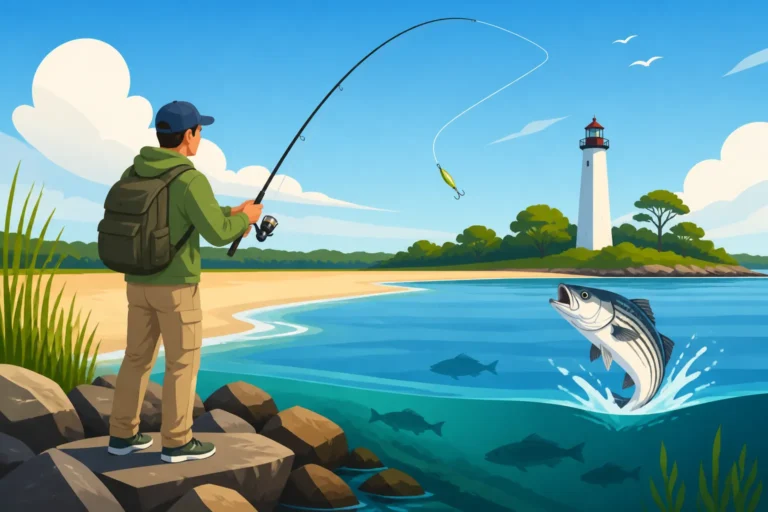
For those looking for classic oceanfront surf fishing, the beaches facing the Atlantic are your best bet. While Fort Hancock itself is more about the bay and historical structures, the ocean beaches just a short walk or drive away are prime surf casting territory. Here, you'll be targeting larger striped bass, bluefish, and sometimes even red drum or kingfish. You'll need sturdier gear for surf fishing compared to bay fishing, as you'll be contending with waves and strong currents. Look for features like sandbars, sloughs, and rips, which are natural highways for fish. These areas truly shine during the spring and fall migrations. Many anglers looking to explore beyond personal shore fishing often consider booking a local guide. Reputable services available through platforms like FishingBooker can connect you with experienced captains who know the best local spots and techniques for these migratory species, whether from a boat or even specialized surf fishing excursions.
Kayak and Small Boat Access for Inner Bay Exploration
While shore fishing at Fort Hancock is fantastic, bringing a kayak or a small car-top boat can truly unlock the full potential of Sandy Hook's inner bay waters. The protected nature of Sandy Hook Bay makes it a prime location for paddle craft, allowing you to reach spots that are inaccessible to shore anglers and too shallow for larger boats. This is where you can find some truly excellent opportunities for fluke, weakfish, and even some resident striped bass.
There are several spots along the bayside of Sandy Hook where you can launch a kayak or small boat. Within the Fort Hancock area itself, the calmer beaches offer easy entry points, though you might need to carry your craft a short distance from the parking areas. Always check the specific regulations for launching within Gateway National Recreation Area, as some areas might have restrictions or require permits, especially for vehicle access onto beaches. The main advantage of kayak fishing here is the ability to quietly navigate shallow flats, oyster beds, and marsh edges where baitfish congregate and larger predators lurk. You can effectively drift for fluke over sandy bottoms or paddle around the many smaller points and coves that dot the bay side, probing for hungry fish.
For those without their own craft, or who prefer the expertise of a local, guided kayak trips are also an option. Some guides specialize in exploring these unique bay environments, providing all the necessary gear and sharing their intimate knowledge of the area. You can often find these specialized guides through platforms like FishingBooker, which makes it easy to compare options and book an outing that suits your skill level and target species. Whether you’re paddling out yourself or going with a guide, exploring the inner reaches of Sandy Hook Bay by kayak or small boat offers a peaceful yet incredibly productive way to experience the fishing around Fort Hancock. Just remember to always prioritize safety, wear your personal flotation device, and be aware of boat traffic, especially in the main channels.
Essential Gear and Techniques for Fort Hancock Anglers
Having the right gear and knowing the most effective techniques can make all the difference when fishing Fort Hancock. The diverse environment, from calm bays to open ocean, means you might need to adapt your approach, but a few versatile setups can get you a long way.
Recommended Tackle for Multi-Species Success
When you're packing your gear for a trip to Fort Hancock, versatility is your friend. You'll likely encounter a mix of species, and being prepared for different scenarios will increase your chances of success.
For bayside and pier fishing, a medium-light to medium action spinning rod, around 7 to 8 feet in length, is usually perfect. Pair this with a 2500-4000 series spinning reel spooled with 10-20 pound braided line, and a fluorocarbon leader of 20-30 pounds. This setup is light enough to enjoy fighting smaller fish like weakfish or panfish, yet robust enough to handle a decent fluke or a feisty schoolie striped bass. For bait, you can’t go wrong with fresh clam, bloodworms (a particular favorite of fish in Sandy Hook Bay), or small pieces of cut bunker. Artificials like Gulp! swimming mullets or small bucktail jigs (1/2 to 1 oz) are also highly effective, especially for fluke. You can find more details on Best Bait for Fluke Fishing if you're targeting these flatfish.
If you’re planning on surf fishing the oceanfront, you'll need to step up your gear significantly. A medium-heavy to heavy action surf rod, anywhere from 9 to 11 feet long, is standard. Match this with a larger 6000-8000 series spinning reel, spooled with 30-50 pound braided line and a shock leader of 50-80 pound mono or fluorocarbon. This robust setup is necessary for casting heavy lures and baits long distances and for fighting larger striped bass and bluefish in the surf. Popular baits include whole or cut bunker, fresh clam, and sometimes even eels or live spot. Lures like poppers, metal lip swimmers, and large bucktail jigs are also go-to choices for surf-run stripers. Our comprehensive guide on New Jersey Surf Fishing Techniques offers a deeper dive into this exciting style of fishing. Don’t forget essential surf accessories like a sand spike, a headlamp for night fishing, and a sturdy pair of pliers.
Key Techniques for Maximizing Your Catch
Beyond the gear, understanding the prevalent techniques for these waters will truly set you up for a great day.
For surf fishing, the classic cast-and-wait method with bait is popular. Rig your bait on a fish-finder rig or a 3-way swivel rig to allow the bait to move naturally in the current. If you’re casting lures, vary your retrieve. For poppers, a chugging retrieve can mimic a struggling baitfish, while metal lip swimmers are best reeled in slowly and steadily. Pay close attention to the tide—often, the incoming or outgoing tide around structure is when fish are most active. Learning How to Read Tide Charts for Better Fishing in New Jersey is a critical skill for any shore angler.
When bayside fishing from shore or a kayak, drifting with bait or jigs is highly effective for fluke. Use a basic fluke rig with a bucktail jig on the bottom and a teaser hook above, tipped with a strip of Gulp! or natural bait. Let the current carry your offering naturally along the bottom. For striped bass in the bay, casting small soft plastics or swimming plugs around structure like old pilings or jetties can produce bites. Targeting low-light conditions (dawn, dusk, or night) can often yield the best results for stripers, as they become bolder hunters under the cover of darkness. Don’t be afraid to experiment with different presentations until you find what the fish are keying in on that day. And remember, the thrill of the catch isn't just about the fish, but about honing your skills.
Regulations, Safety, and Respecting the Environment
Fishing at Fort Hancock, like anywhere else in New Jersey, comes with a set of rules and responsibilities. Understanding these isn't just about avoiding a fine; it's about preserving the natural resources and ensuring everyone can enjoy these waters for years to come.
Crucial Fishing Regulations and Licensing
First and foremost, if you're planning to fish in New Jersey, you absolutely need to be aware of the licensing requirements. For freshwater fishing, a New Jersey Fishing License Guide for 2026 is essential. However, since Fort Hancock is a saltwater destination, you'll need to comply with specific saltwater rules. While a traditional "saltwater fishing license" isn't required in New Jersey for recreational anglers, you do need to register with the state's New Jersey Saltwater Registry Explained. This is a free, quick process that helps the state monitor fishing effort and obtain federal funding for conservation. Don't skip it! It's super easy to do online through the NJDEP Fish & Wildlife website.
Beyond the registry, you must adhere to all state and federal regulations regarding specific species. This includes things like minimum size limits, daily bag limits, and season dates. For example, striped bass in New Jersey currently have a specific New Jersey Striped Bass Slot Limit: 28 to 38 Inches, meaning you can only keep fish within that size range. Fluke also have specific size and bag limits, which can change year to year. It's your responsibility as an angler to check the most current regulations before you head out. The New Jersey Fish and Wildlife Digest is published annually and is your best friend for up-to-date information on New Jersey Daily Bag Limits by Species and all other regulations. Ignorance of the law is not an excuse, and Conservation Police Officers regularly patrol areas like Sandy Hook.
Safety Tips and Environmental Stewardship
Fishing, especially along the coast, can be an incredibly rewarding experience, but it's crucial to prioritize safety. The conditions at Sandy Hook can change quickly, so always be prepared. If you're surf fishing, be mindful of strong currents, undertows, and rogue waves. Never turn your back on the ocean, and be aware of the tide's movement so you don't get cut off from shore. When fishing from jetties or around old structures, rocks can be slippery, especially when wet or covered in algae. Wear appropriate footwear with good grip. A pair of Korkers or studded boots can be a lifesaver. Always tell someone where you're going and when you expect to return, especially if you're fishing alone.
Beyond personal safety, practicing environmental stewardship is paramount at Fort Hancock. As part of Gateway National Recreation Area, it’s a protected space that many people, and a lot of wildlife, enjoy. This means practicing "Leave No Trace" principles. Pack out everything you pack in, including all fishing line, bait containers, and food wrappers. Monofilament fishing line, in particular, is a deadly pollutant for birds and marine life. If you see discarded line, please do your part and pick it up. Be respectful of the historical structures; do not climb on them or disturb them. Handle fish with care, especially those you intend to release, to maximize their survival chances. Use circle hooks when bait fishing for striped bass, as they greatly reduce gut-hooking. By following these guidelines, you'll help ensure that Fort Hancock remains a pristine and productive fishing destination for generations to come.
| Fort Hancock Fishing Opportunities | Key Species | Primary Access | Recommended Gear | Best Seasons |
|---|---|---|---|---|
| Bayside Beaches & Structures | Striped Bass, Fluke, Weakfish | Shore, Kayak, Small Boat | Medium-light spinning, Bloodworms, Gulp! | Spring, Summer, Fall |
| Oceanfront Surf | Striped Bass, Bluefish | Shore | Heavy surf rod, Cut Bait, Poppers | Spring, Fall (Stripers), Summer (Blues) |
| Old Pier Remains | Striped Bass, Bluefish | Shore (casting near ruins) | Medium-heavy spinning, Jigs, Plugs | Spring, Fall |
Disclaimer
Please be aware that fishing regulations, season dates, and access rules can change frequently. Always consult the official New Jersey Department of Environmental Protection (NJDEP) Fish and Wildlife website or the current annual New Jersey Fish and Wildlife Digest before planning your trip to ensure you have the most up-to-date information. Local conditions, such as closures or advisories, may also apply.