Fishing Farrington Lake for Bass
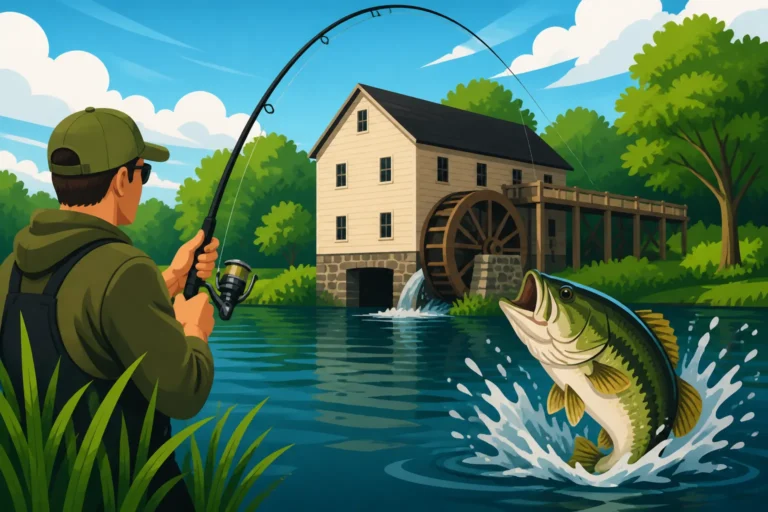
Finding a great bass fishing spot in the dense urban and suburban landscape of Central New Jersey can feel like a real challenge, leaving many anglers wondering if productive waters even exist. But let me tell you, tucked away in Middlesex County, Farrington Lake offers some fantastic opportunities for chasing largemouth bass, providing a welcome escape and a rewarding angling experience for those who know how to approach it.
Why Farrington Lake is a Bass Angler's Gem
Farrington Lake, a reservoir formed by a dam on the Lawrence Brook, isn't just another pretty face; it’s a legitimate bass factory, especially for those who appreciate a more intimate fishing experience. While it doesn't boast the expansive acreage of some of New Jersey's larger lakes, its unique characteristics make it a standout for largemouth bass. Many anglers are surprised by the consistent action they find here, making it a beloved spot for both seasoned locals and newcomers alike.
Understanding Farrington Lake's Ecosystem for Bass
This relatively shallow lake, with average depths hovering around 8-12 feet and only a few deeper spots, warms up nicely in the spring, which is fantastic for bass activity. The lake's nutrient-rich waters support a healthy forage base, including sunfish, shiners, and various aquatic insects, all of which contribute to the robust growth of its largemouth population. It’s this abundance of food and favorable habitat that allows bass to thrive, often reaching impressive sizes for a lake of its type. The balance of its ecosystem truly makes it a productive environment.
One of the great things about Farrington Lake is its consistent water levels, maintained by the dam. This stability creates predictable patterns for bass, making it easier to locate them once you understand the lake’s structure. The slightly tannic water color, often described as a dark tea stain, can also work in an angler's favor, making bass less wary of your presentation compared to crystal-clear waters. It's a healthy, vibrant environment that consistently produces good fishing.
Access and Regulations for Anglers
Access to Farrington Lake is quite good, though primarily limited to boat launches. There are several access points, with the most popular being the launch operated by the Middlesex County Parks and Recreation department. Parking is usually adequate, but it's always a good idea to arrive early on busy weekend mornings, especially during peak fishing seasons. Keep in mind that Farrington Lake has specific rules regarding boat motors: only electric motors are permitted, which helps maintain the peaceful atmosphere and prevents excessive disturbance to the fish. This restriction means you won't encounter roaring outboards, making for a more tranquil day on the water.
Shore access can be a bit more challenging due to private property surrounding much of the lake. However, there are a few designated park areas and some bridges that offer opportunities for bank fishing. Just be sure to respect private property boundaries and only fish from public access points. Of course, like all waters in New Jersey, you'll need a valid New Jersey fishing license to cast a line. It's always wise to review the New Jersey Freshwater Fishing Regulations Every Angler Should Know before heading out, as rules can change seasonally, and you want to ensure you're in compliance.
Key Fishing Spots and Structure in Farrington Lake
Farrington Lake is absolutely loaded with the kinds of structure that largemouth bass love to call home. Don't be fooled by its seemingly calm surface; beneath it lies a labyrinth of submerged cover that holds fish all year long. Knowing where to focus your efforts is half the battle, and Farrington provides plenty of prime real estate for bass to ambush their prey.
Weeds, Docks, and Submerged Timber
The margins of Farrington Lake, especially during the warmer months, are often choked with various types of aquatic vegetation, including lily pads, hydrilla, and milfoil. These weed lines are not just obstacles; they are vital bass habitats. Bass use them for cover, shade, and as ambush points to pounce on unsuspecting baitfish. Flipping and pitching jigs or Texas-rigged soft plastics into the thickest parts of these weeds can be incredibly effective, often eliciting aggressive strikes. Focus on the edges where the weeds meet open water or any pockets within the mats.
Another major draw for bass in Farrington Lake are the docks and piers that line certain sections of the shore. These man-made structures provide excellent overhead cover and attract baitfish, making them natural magnets for bass. Don't be shy about casting right up to and under these docks; many of the biggest bass will be tucked deep in the shade, waiting for an easy meal. Furthermore, scattered throughout the lake, particularly near the deeper channels of the old brook bed, you'll find submerged timber and brush piles. These hidden treasures are fantastic for bass, especially in cooler water, providing excellent cover and holding larger fish. Look for these areas on your fish finder or by carefully scanning the shoreline for clues like fallen trees or stumps.
The Old River Channel and Main Lake Points
The most significant piece of underwater structure in Farrington Lake is undoubtedly the old Lawrence Brook channel that runs through its center. This channel, though not always deep, offers a distinct change in depth and current flow, even with the dam in place. Bass will often patrol these deeper contours, especially during periods of high sun or when they're transitioning between spawning grounds and summer feeding areas. Following the twists and turns of this channel, particularly where it intersects with humps or submerged points, can lead to some exciting catches. Using crankbaits or Carolina rigs to probe these depth changes can be highly effective.
Additionally, Farrington Lake features several main lake points that extend out from the shoreline into deeper water. These points are prime locations for bass, serving as highways for fish moving from deeper holding areas to shallower feeding grounds, or vice-versa. During the spring and fall, when bass are most active, these points can be absolute hotspots. Anglers often find success by casting along the sides of these points, experimenting with different depths until they locate a school of fish. Don't overlook any adjacent cover like rocks or weeds that might be present on these points, as they only enhance their appeal to bass.
| Structure Type | Prime Season | Ideal Bait/Lure | Notes |
|---|---|---|---|
| Weed Lines | Spring, Summer, Fall | Jigs, Soft Plastics, Topwater | Flip into thick mats, target edges. |
| Docks/Piers | Spring, Summer, Fall | Wacky Worms, Jigs, Swim Jigs | Cast under structure, look for shade. |
| Submerged Timber | Year-round (esp. cooler) | Jigs, Spinnerbaits, Chatterbaits | Probe snags carefully; retrieve slowly. |
| Old River Channel | Spring, Fall, Winter | Crankbaits, Carolina Rigs, Blade Baits | Follow contours, target depth changes. |
| Main Lake Points | Spring, Summer, Fall | Spinnerbaits, Lipless Cranks, Finesse Rigs | Fish all sides, vary retrieve depth. |
Best Techniques and Baits for Farrington Lake Bass
Fishing Farrington Lake for bass is all about adapting your approach to the conditions and the abundant cover the lake offers. While there's no single magic bullet, certain techniques consistently produce, especially when paired with the right baits. It's a place where patience and presentation truly pay off, and sometimes the simplest methods are the most effective.
Flipping and Pitching Heavy Cover
Given the prevalence of dense weed mats, lily pads, and submerged timber, flipping and pitching are absolutely essential techniques for bass fishing on Farrington Lake. This isn't a lake where you'll typically be making long casts across open water; instead, you're often getting up close and personal with the thickest cover. Heavy cover calls for stout tackle – a beefy baitcasting rod, strong braided line, and a sturdy reel are your best friends here. You’ll want to be able to muscle fish out of the nastiest stuff before they can wrap you around a submerged log or burrow into a weed bed.
For baits, think compact and weedless. Jigs with a weed guard, Texas-rigged soft plastics like creature baits, or crawfish imitations are perfect. Use a heavy tungsten weight (3/8 oz to 1 oz or more) to punch through the vegetation. The key is to silently drop your bait into small openings in the cover, let it sink, and impart a few subtle twitches. Most strikes will happen on the fall or immediately after it settles. Remember that a lot of bass fishing on Farrington is about patience and precision; you're often fishing a very small target zone, but the reward can be a monster largemouth that other anglers miss. If you're looking for gear, many local tackle shops, or even larger retailers like Bass Pro Shops or Cabela's, will have an excellent selection of flipping and pitching setups.
Crankbaits and Spinnerbaits for Active Fish
While finesse techniques dominate in the heaviest cover, don't overlook power fishing with crankbaits and spinnerbaits, especially when bass are more active or feeding aggressively. These lures are fantastic for covering water and locating schools of fish, particularly around the main lake points, along the edges of weed lines, or over the old river channel. The vibrant colors and erratic actions of these baits can trigger instinctual strikes from bass that are on the hunt.
Medium-diving crankbaits that bump off the bottom in the 6-10 foot range are excellent for working the channel edges and submerged structure. Choose colors that mimic local baitfish or bright patterns in stained water. Spinnerbaits, especially those with tandem willow leaf blades for vibration and flash, are ideal for working through lighter weeds or around scattered timber without snagging too often. They also excel when fished along rip-rap shorelines or over grass flats. Early mornings, late evenings, or overcast days when bass are more willing to chase are prime times for these faster-moving presentations. For an even more detailed look at what works, consider exploring resources on Best Lures for Largemouth Bass in Summer Heat or How to Catch Largemouth Bass in Early Spring, as these principles apply well to Farrington's diverse bass habitats.
Topwater and Finesse Presentations
No bass fishing arsenal for Farrington Lake would be complete without considering topwater lures and finesse presentations. The lake's abundant shallow cover and fertile waters create fantastic opportunities for explosive topwater bites, especially during low light conditions or on calm, overcast days. Poppers, walk-the-dog baits, and hollow-body frogs (particularly over lily pads and dense mats) can deliver heart-stopping action. The thrill of a bass blowing up on your surface lure is hard to beat, and Farrington often provides plenty of those moments.
On the flip side, when the bite gets tough, or bass are pressured, finesse fishing can be the key to unlocking stubborn fish. Wacky-rigged Senkos, Ned Rigs, or drop shots presented to isolated cover, boat docks, or along subtle depth changes can coax strikes from even the most lethargic bass. These subtle presentations mimic natural forage and don't overwhelm wary fish. Remember, Farrington Lake sees a fair amount of angling pressure, so having a finesse option in your toolkit is crucial. Mastering How to Catch Largemouth Bass in Cold Water or understanding Best Time of Day for Bass Fishing will give you an edge, as finesse tactics often shine in those challenging conditions.
Seasonal Strategies for Success on Farrington Lake
Farrington Lake offers year-round bass fishing opportunities, but understanding the seasonal movements and behaviors of largemouth bass is absolutely paramount to consistent success. What works in spring won't necessarily be your best bet in the dog days of summer, and adapting your tactics to the time of year will dramatically improve your catch rates.
Spring: The Spawning Frenzy
Spring on Farrington Lake is a time of incredible excitement for bass anglers. As the water temperatures begin to rise, usually from the high 40s into the 60s Fahrenheit, bass move into shallower waters, first to stage for spawning, and then to actually spawn. This period, often from April through June depending on the weather, is arguably the best time to target Farrington's largemouth. They're hungry, aggressive, and often focused on protecting their nests.
During the pre-spawn, focus your efforts on transitional areas – points, humps, and the edges of the old river channel that lead to shallow spawning flats. Crankbaits, spinnerbaits, and even lipless crankbaits can be deadly as bass feed heavily to build energy for the spawn. Once the water hits the mid-50s to low 60s, bass move onto beds. Look for them in shallow coves, protected bays, and around thick weed beds. Sight fishing with soft plastics like tubes, Senkos, or creature baits can be incredibly effective when you can spot them on beds. Remember, while catching spawning bass is often easy, consider practicing catch and release to protect the fishery and ensure healthy populations for years to come. Anglers interested in more specific local requirements for the spawning season should consult the official New Jersey Fishing Season Dates and Closures.
Summer: Heat and Hydration
Summer fishing on Farrington Lake can present its own unique challenges, primarily due to rising water temperatures and increased recreational boat traffic. Bass become less active during the brightest, hottest parts of the day, often retreating to deeper, cooler water or seeking out the densest shade and cover they can find. This means your strategy needs to shift significantly from the spring.
Focus your efforts on early mornings, late evenings, and overcast days. During these times, bass will often move shallower to feed. Topwater lures can be absolutely explosive at dawn or dusk, especially over weed mats and around docks. As the sun climbs, target deeper structure such as the old river channel, submerged timber, and the darkest shadows under docks. Flipping and pitching jigs or heavy Texas-rigged plastics into thick weeds or under boat lifts can be highly productive. During the heat of the day, a slow, methodical approach with finesse baits like a Carolina rig or a drop shot in deeper areas can still entice bites. Remember to stay hydrated and take breaks when fishing in the summer heat. If you're considering hiring a local expert to navigate these challenges, services like FishingBooker can sometimes help connect you with guides, even for smaller lakes, although individual lake guides are more common.
Fall and Winter: Transition and Deep Holds
As the temperatures drop in the fall, Farrington Lake bass enter a "feeding frenzy" phase, actively fattening up for the lean winter months. This can be another fantastic time to fish, often rivaling spring in terms of productivity. Bass will often be found shallower than in summer, but deeper than in spring, actively chasing baitfish. Look for them on main lake points, along channel swings, and around remaining weed growth. Spinnerbaits, crankbaits, and even jerkbaits can be highly effective as bass actively pursue schooling bait. The cooler, crisper air of fall can make for a very enjoyable day on the water.
Winter fishing on Farrington Lake, especially if ice conditions are safe and legal, can offer unique opportunities. If open water remains, bass will typically hold in the deepest parts of the lake, often right on the bottom in the old river channel. Slow, vertical presentations with jigs, blade baits, or a Ned Rig can tempt sluggish bass. Ice fishing, when conditions permit, usually means targeting these deeper basin areas or working around submerged humps and channels. Small jigging spoons, vertically jigged plastics, or live minnows on tip-ups are popular and effective. Always prioritize safety when considering ice fishing; never venture onto ice that isn't at least 4 inches thick. For those who brave the cold, the reward can be a trophy bass that few others pursue.
Final Considerations for Your Farrington Lake Bass Trip
Before you head out to Farrington Lake, there are a few more things to keep in mind to ensure a safe, enjoyable, and successful bass fishing adventure. Being prepared and understanding the nuances of this specific fishery will make all the difference.
Essential Gear and Safety Tips
When packing for Farrington Lake, remember that electric-only motor rule. Ensure your trolling motor and battery setup are fully charged and reliable. A good quality fish finder is invaluable for identifying the old river channel, humps, and submerged timber, which are critical holding areas for bass. Since much of the fishing involves heavy cover, be sure to bring plenty of extra lures, hooks, and weights, as snags are an inevitable part of the game. A pair of polarized sunglasses will help you spot subtle changes in water color and depth, and even identify weed lines or shallow-holding bass.
Safety should always be your top priority. Wear a life jacket, especially if you're alone or fishing from a kayak or small boat. Let someone know your fishing plans and expected return time. Be mindful of changing weather conditions, as sudden storms can pop up quickly. If fishing from shore, be aware of your surroundings, especially if walking through brushy areas. Always carry a small first-aid kit and a fully charged cell phone. And please, leave no trace; pack out everything you pack in, and help keep Farrington Lake beautiful for everyone.
Respecting the Fishery and Local Community
Farrington Lake is a valuable natural resource, and it's up to all of us to help preserve its health and the quality of its fishing. Practicing catch and release, particularly for larger breeding bass, helps maintain a healthy population. Handle fish with care, using wet hands or a fish-friendly landing net, and release them quickly. Be mindful of Catch and Release Rules in New Jersey and any specific recommendations for bass.
Beyond the fish, respect the local community around Farrington Lake. Keep noise levels down, especially in residential areas, and always park in designated spots. Remember that much of the shoreline is private property, so always be aware of where you are and avoid trespassing. A cooperative and respectful approach ensures that anglers continue to have access to this wonderful fishery. Many local bait and tackle shops, like Tackle and Field in Wanaque or Fisherman's Headquarters in Ship Bottom, though further away, can provide current lake conditions and local advice. While these larger shops might not be immediately next to Farrington, their expertise on New Jersey's general bass fishing patterns can be very helpful.
Disclaimer
The information provided in this guide is for general informational purposes only and should not be considered legal advice. Fishing regulations, license requirements, and access rules in New Jersey can change frequently. Always consult the most current New Jersey Fish and Wildlife Digest or visit their official website before any fishing trip to ensure compliance with all applicable laws and regulations. Fishing involves inherent risks; always prioritize safety and exercise caution while on the water.