Fishing Turn Mill Pond in Cumberland County
It’s easy to feel overwhelmed trying to find those hidden gems in New Jersey's vast fishing landscape, especially when you're looking for a peaceful, productive freshwater spot away from the crowds. If you've been yearning for a quiet day on the water, battling feisty bass or pulling in a stringer of panfish, this comprehensive guide to fishing Turn Mill Pond in Cumberland County is exactly what you need to plan your next successful outing.
Uncovering Turn Mill Pond: A Quiet Gem in South Jersey
Turn Mill Pond often flies under the radar compared to some of New Jersey's larger, more famous lakes and reservoirs. But for those in the know, or those looking to escape the hustle and bustle, this little corner of Cumberland County offers a delightful and surprisingly productive freshwater fishing experience. It's the kind of spot where you can truly connect with nature, often finding yourself with more peace and quiet than anglers on more well-trodden waters. Its charm lies in its simplicity and accessibility, making it an excellent choice for a wide range of anglers, from seasoned pros seeking solitude to families introducing children to the joys of fishing.
Where Exactly is Turn Mill Pond?
Turn Mill Pond is nestled within the sprawling Peaslee Wildlife Management Area (WMA) in Cumberland County, specifically near the town of Buena. While it’s not smack dab in the middle of a major population center, it's conveniently located close enough to the main routes that crisscross South Jersey, making it an easy drive for many. You won't find it amidst bustling marinas or towering commercial developments; instead, it's surrounded by dense pine forests and natural wetlands, giving it that classic "hidden away" feel. The pond itself is part of the larger network of waterways that eventually feed into the Maurice River system, known for its rich biodiversity. For those using GPS, searching for Peaslee WMA will generally get you into the right vicinity, and then look for specific access points. It’s important to remember that WMAs are managed primarily for wildlife, so while fishing is permitted, the facilities are typically rustic and blend into the natural environment.
Public Access Points and Parking
One of the great things about Turn Mill Pond is its straightforward public access. While you won't find a paved, multi-lane boat ramp like on some of the larger lakes, there are well-established entry points for smaller craft and ample opportunities for shore fishing. The primary access is usually found off of local roads that run through the Peaslee WMA. There's often a designated unpaved parking area, which might just be a gravel turnout, but it's typically sufficient for a decent number of vehicles. From these parking areas, you'll usually find trails or clearings leading directly to the water's edge.
For kayak, canoe, or jon boat anglers, there's often a primitive launch site – essentially a spot where you can easily slide your small boat into the water. This lack of a formal ramp actually contributes to the pond's peaceful atmosphere, as it naturally limits the size and speed of boats on the water, making it a fantastic spot for paddle craft or electric trolling motor-only vessels. If you're planning on launching a larger boat, it's best to scout the location first, as trailer parking and maneuvering might be challenging. For those who prefer to fish with their feet firmly planted on solid ground, there are usually plenty of spots along the shoreline, especially near the access points, where you can cast a line without much trouble. Remember, since it's a WMA, facilities like restrooms or picnic tables are typically non-existent, so plan accordingly for a rustic outdoor experience.
The Diverse Aquatic Life of Turn Mill Pond
Turn Mill Pond, despite its modest size, harbors a healthy population of various freshwater species, making it an exciting destination for anglers of all skill levels. It's one of those places where you can go out knowing you've got a good chance of hooking into something, whether you're targeting a specific species or just enjoying whatever bites. The pond's relatively shallow nature and abundance of submerged structure and aquatic vegetation create an ideal habitat for many freshwater fish, supporting a robust food chain that keeps the resident fish well-fed and feisty.
Primary Game Fish: Bass, Pickerel, and Crappie
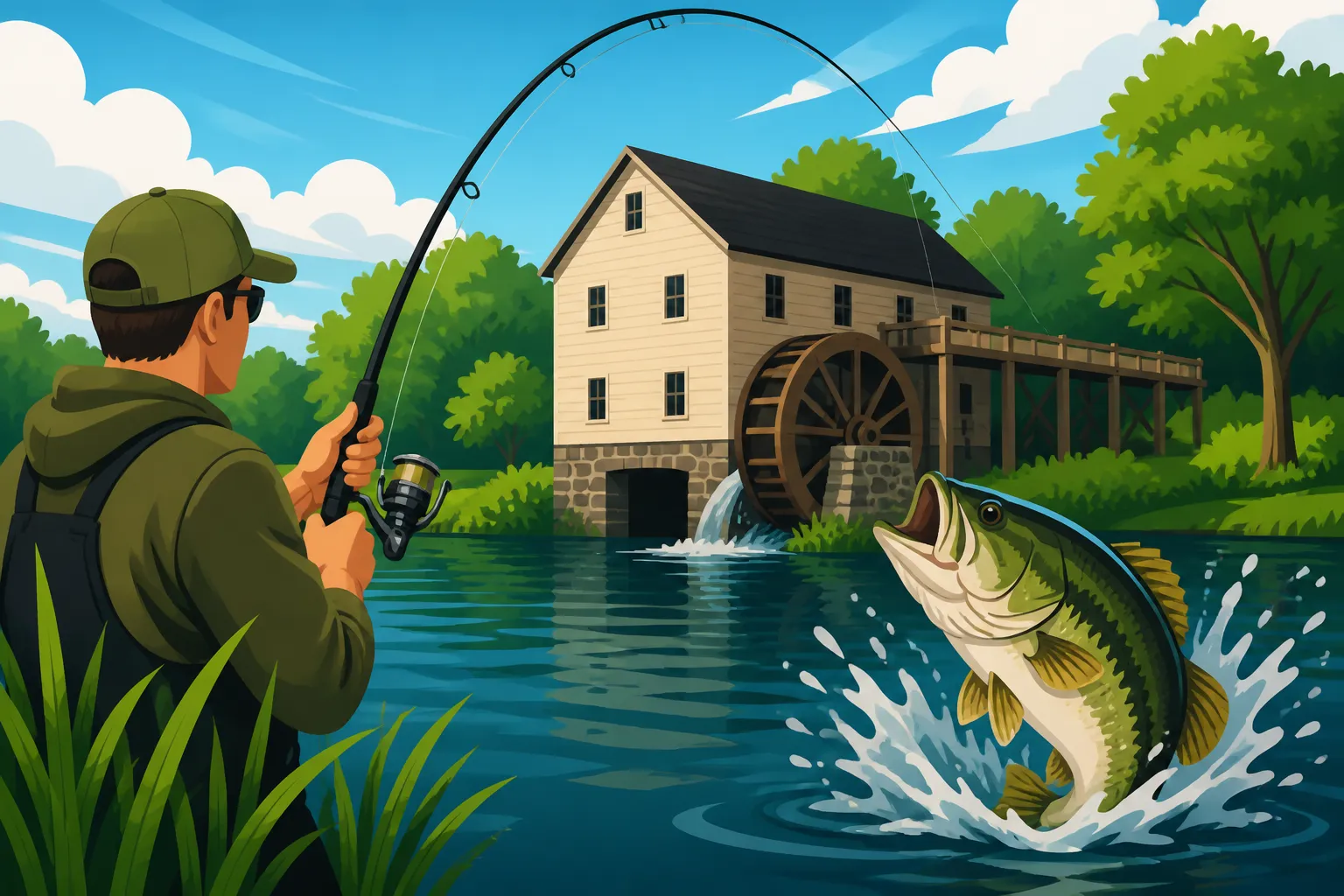
When you talk about Turn Mill Pond, the first fish that usually comes to mind for many anglers are the largemouth bass. This pond offers excellent opportunities for bass fishing, with fish ranging from respectable keepers to occasionally larger specimens. They thrive in the pond's weedy, structured environment, often hiding near lily pads, submerged timber, or along the edges of grass beds, waiting to ambush unsuspecting prey. Targeting them can be incredibly rewarding, especially during early morning or late evening hours.
Another prevalent and exciting game fish in Turn Mill Pond is the chain pickerel. These toothy predators are abundant and known for their aggressive strikes and spirited fights. While often considered a bycatch by bass anglers, pickerel are a blast to catch on light tackle and provide consistent action. They share similar habitats with bass, often lurking in heavy cover. If you’re interested in targeting them specifically, our guide on the New Jersey Pickerel Fishing Guide offers some great tips.
Finally, crappie are a popular target, especially during the spring and fall. Both black and white crappie can be found, often schooling around submerged brush piles, timber, or drop-offs. They offer fantastic light-tackle action and are excellent table fare. Catching a limit of crappie from this pond is a real possibility and can make for a memorable outing. You can learn more about how to find and catch them in our New Jersey Crappie Fishing Guide.
Panfish Opportunities: Bluegill and Sunfish
Beyond the primary game fish, Turn Mill Pond is an absolute paradise for panfish enthusiasts, making it an ideal spot for family fishing or for beginners. The pond teems with bluegill, pumpkinseed, and other sunfish species. These eager biters are readily caught and provide constant action, which is perfect for keeping kids engaged or for practicing your casting and retrieve skills. You don't need fancy gear; a simple bobber, a small hook, and some worms or crickets will usually do the trick.
These panfish are vital to the pond's ecosystem, serving as a food source for larger predators while also offering a fun, accessible fishing experience. They can be found almost anywhere in the pond, from the shallow edges to deeper pockets of submerged cover. A sunny afternoon with a cane pole and a bucket of bait can yield dozens of these feisty little fighters. For more detailed information on these common species, check out our New Jersey Sunfish and Bluegill Fishing Guide.
Chasing Trophy Fish: What's Realistic?
While Turn Mill Pond isn't typically known for producing state-record breaking fish, it does hold the potential for some surprisingly hefty catches, especially when it comes to largemouth bass. Anglers regularly report catching bass in the 3-5 pound range, and every now and then, a truly impressive lunker pushing 6-8 pounds is pulled from its waters. The dense cover and ample forage allow these fish to grow to a substantial size, rewarding patient and skilled anglers.
For pickerel, while they don't typically reach the same weight as bass, the pond produces many solid specimens in the 20-28 inch range, which are fantastic fighters on light spinning gear. Crappie can also grow to a very respectable size here, with slabs exceeding 10-12 inches not uncommon. It’s important to manage expectations; you won’t always land a trophy, but the potential is definitely there, adding an exciting element to every cast. The real trophy, for many, is simply the opportunity to fish in a peaceful setting where good catches are consistent and the natural beauty is abundant.
Here's a quick overview of what you might expect to catch at Turn Mill Pond:
| Fish Species | Common Size Range | Best Time to Target | Recommended Baits/Lures |
|---|---|---|---|
| Largemouth Bass | 1-5 lbs (up to 8 lbs) | Spring, Summer, Fall | Worms, Spinnerbaits, Jigs, Topwater, Plastic Worms |
| Chain Pickerel | 18-28 inches | Year-round | Spoons, Spinnerbaits, Live Minnows, Jerkbaits |
| Black/White Crappie | 8-12 inches (up to 15) | Spring, Fall | Small Jigs, Minnows, Plastic Grubs |
| Bluegill/Sunfish | 4-8 inches | Year-round | Worms, Crickets, Small Poppers |
| Channel Catfish | 1-5 lbs (occasionally larger) | Summer, Night | Cut Bait, Stink Baits, Worms |
Note: While Channel Catfish are not always the primary target, they are present in many New Jersey freshwater bodies and can provide a strong fight, especially during warmer months.
Effective Techniques and Prime Times for Turn Mill Pond
Fishing Turn Mill Pond, like any productive waterway, benefits from understanding the local conditions and adapting your techniques. What works one day might not the next, but having a solid game plan based on the season and fish behavior will greatly improve your chances. It’s a pond that responds well to both traditional and modern approaches, making it versatile for any angler.
Seasonal Strategies for Success
Each season brings its own unique opportunities and challenges to Turn Mill Pond.
- Spring: This is often considered prime time. As water temperatures rise, fish become more active, moving into shallower areas to spawn. Largemouth bass will be patrolling the edges and near submerged cover, aggressively hitting spinnerbaits, jigs, and soft plastics. Crappie will school up, making them easy targets for small jigs and minnows. Pickerel are also very active. The post-spawn period sees fish recuperating and feeding heavily, making for fantastic action. This is an excellent time to try your hand at How to Catch Largemouth Bass in Early Spring.
- Summer: The warmer months mean fish will seek deeper, cooler water or dense cover during the heat of the day. Early mornings and late evenings become crucial. Topwater lures can be incredibly effective for bass and pickerel at dawn and dusk. During the day, focus on fishing drop-offs, shaded areas, and heavy weed lines with Texas-rigged worms or jigs. Panfish remain active throughout the day, especially if you can find them in shady spots. For bass in the summer, our guide on Best Lures for Largemouth Bass in Summer Heat might give you an edge.
- Fall: As temperatures cool, fish enter a "feeding frenzy" to bulk up for winter. This can be one of the most productive times, with bass and pickerel actively chasing baitfish. Spinnerbaits, crankbaits, and jerkbaits worked along weed lines and points are very effective. Crappie will also start to school up again in deeper pockets. The fall foliage surrounding the pond also adds to the beauty of the experience.
- Winter: While ice fishing isn't always reliable or safe on shallower ponds like Turn Mill due to fluctuating temperatures, open water fishing can still be possible during mild spells. Fish activity will slow down significantly, requiring slower presentations and targeting deeper areas. Small jigs, live minnows, and slow-moving baits are key. Always prioritize safety if considering ice fishing, and check local conditions before venturing out.
Recommended Gear and Baits
You don't need a tackle shop's worth of gear to have a successful day at Turn Mill Pond, but having a few key items will certainly help.
- Rods and Reels: For bass and pickerel, a medium-light to medium power spinning rod (6'6" to 7'0") paired with a 2500-3000 series reel spooled with 8-12 lb monofilament or braid is a versatile setup. For panfish, a lighter ultralight spinning rod (5'0" to 6'0") with 4-6 lb line is perfect for maximum fun.
- Baits for Bass/Pickerel: Live shiners or worms are always effective. Artificials include plastic worms (Texas-rigged or wacky-rigged), spinnerbaits (white, chartreuse, or black/blue), shallow-diving crankbaits, and topwater frogs or poppers, especially in lily pad fields. Jerkbaits are fantastic for pickerel.
- Baits for Panfish/Crappie: Live worms, crickets, or small minnows under a bobber are deadly. Tiny jigs (1/32 to 1/16 oz) tipped with a small plastic grub, tube, or a piece of Berkley Gulp! Alive! are also highly effective.
- Essential Tackle: Hooks (various sizes for different baits), sinkers (split shot, bullet weights), bobbers (slip bobbers are great for crappie), swivels, and a pair of pliers for removing hooks (especially important with pickerel's teeth!).
Don't forget the basics: a comfortable chair if you're shore fishing, a small cooler with drinks and snacks, sun protection, and insect repellent, especially in the warmer months in a WMA.
Tips for Shore Anglers Versus Boaters
Turn Mill Pond offers distinct advantages for both shore anglers and those with small boats.
- Shore Anglers: You have excellent opportunities, particularly around the main access points where the shore is often clearer. Focus your casts along weed lines, visible structure like fallen trees, and into any open pockets in lily pad fields. Walking the shoreline (where accessible and permitted) allows you to cover more ground and find productive spots. A longer rod can help with casting distance from shore. Our guide on New Jersey's Best Bank Fishing Spots for Beginners highlights the advantages of this type of fishing.
- Boaters (Kayak, Canoe, Jon Boat): Having a small boat unlocks the entire pond, allowing you to reach areas inaccessible from shore. This means you can fish the far bank, target deeper channels, or thoroughly work dense weed beds and submerged timber. A small electric trolling motor can be a huge asset for quietly navigating and positioning your boat. Pay close attention to your fish finder if you have one, or look for visual cues like diving birds or baitfish flicking on the surface. When fishing from a boat, you can also consider anchoring up and targeting a specific area for crappie, or slowly drifting across the pond while casting for bass. Remember to respect the quiet nature of the pond; loud motors or excessive noise can spook fish and disturb other anglers.
Navigating Regulations and Local Etiquette
Like all fishing endeavors in the Garden State, a successful and responsible outing to Turn Mill Pond means adhering to New Jersey's fishing regulations and practicing good outdoor etiquette. This not only keeps you on the right side of the law but also helps preserve the quality of the fishing for everyone.
Licensing Requirements and Statewide Rules
First and foremost, anyone aged 16 or older needs a valid New Jersey freshwater fishing license to fish Turn Mill Pond. This is a standard requirement across the state for freshwater bodies. You can easily purchase your license online, at a licensed agent, or through a state-approved vendor. If you're wondering about the specifics, our detailed New Jersey Fishing License Guide for 2026 covers everything you need to know.
Beyond the license, you’ll need to be familiar with the general New Jersey Freshwater Fishing Regulations Every Angler Should Know. These regulations cover things like legal fishing hours, acceptable gear, and general conduct. Since Turn Mill Pond is a freshwater body, you won't need the saltwater registry. Always carry proof of your license while fishing, as New Jersey Conservation Police Officers do patrol these areas to ensure compliance.
Bag and Size Limits for Common Species
New Jersey imposes specific bag and size limits for various fish species to manage populations sustainably. These limits are crucial for maintaining healthy fish stocks in ponds like Turn Mill. For the most common species you’ll encounter:
- Largemouth Bass: Usually has a minimum size limit and a daily creel (bag) limit. These can vary slightly year to year, so always consult the current New Jersey Fish and Wildlife Digest.
- Chain Pickerel: Often has a minimum size limit and a daily bag limit.
- Crappie: Typically has a daily bag limit, but often no minimum size limit, allowing anglers to keep a good number for the dinner table.
- Panfish (Bluegill, Sunfish): Generally, these species have very generous or no specific size limits and high bag limits, reflecting their abundance.
It’s your responsibility as an angler to know and abide by these rules. Our comprehensive guide on How Bag and Size Limits Work in New Jersey can help you stay informed. Violations can lead to significant penalties, so it's always better to be safe than sorry.
Conservation and "Leave No Trace" Principles
Because Turn Mill Pond is located within the Peaslee Wildlife Management Area, conservation and respectful conduct are paramount. The "Leave No Trace" principles are not just suggestions; they are the bedrock of responsible outdoor recreation here.
- Pack It In, Pack It Out: Everything you bring into the WMA should leave with you, including all trash, leftover bait, and fishing line scraps. Don't leave anything behind, not even biodegradable items like banana peels, which take time to break down and can attract wildlife.
- Respect Wildlife: You are in a wildlife management area. Observe wildlife from a distance and avoid disturbing them. This includes nesting birds, deer, and any other creatures you might encounter.
- Protect the Habitat: Avoid trampling vegetation unnecessarily, and if you’re launching a boat, do so carefully to minimize bank erosion. Don’t introduce any non-native species (plants or fish) to the pond.
- Fish Responsibly: Practice catch and release, especially for larger breeding fish, if you're not planning to keep them for food. Handle fish gently, minimize their time out of water, and use appropriate tools for hook removal. Be mindful of fishing pressure; if a spot is crowded, consider moving to another area.
- Respect Other Users: You may encounter hikers, birdwatchers, or hunters (during appropriate seasons) in the WMA. Be courteous, keep noise levels down, and share the space harmoniously.
Adhering to these guidelines ensures that Turn Mill Pond remains a beautiful, productive, and peaceful place for all future generations of anglers and outdoor enthusiasts. It's a small pond, but its value is immense, and it’s up to us to protect it.
Turn Mill Pond is a truly special place in the heart of South Jersey, offering a serene escape and genuinely rewarding fishing opportunities. Whether you're chasing the thrill of a hard-fighting largemouth bass, hoping to fill a stringer with crappie, or simply enjoying the consistent tug of panfish on your line, this pond delivers. It's a prime example of New Jersey's hidden angling treasures, providing an accessible and peaceful environment for creating lasting memories on the water. If you're looking for an unspoiled freshwater experience, pack your gear and make the trip to this quiet haven in Cumberland County. You won't regret it.
Disclaimer
Fishing regulations, seasons, and access can change. While we strive to provide the most up-to-date information, it is always your responsibility to consult the latest New Jersey Fish and Wildlife Digest or visit their official website before any fishing trip. This guide is for informational purposes only and does not constitute legal advice.