How Cold Does It Need to Be to Ice Fish in New Jersey?
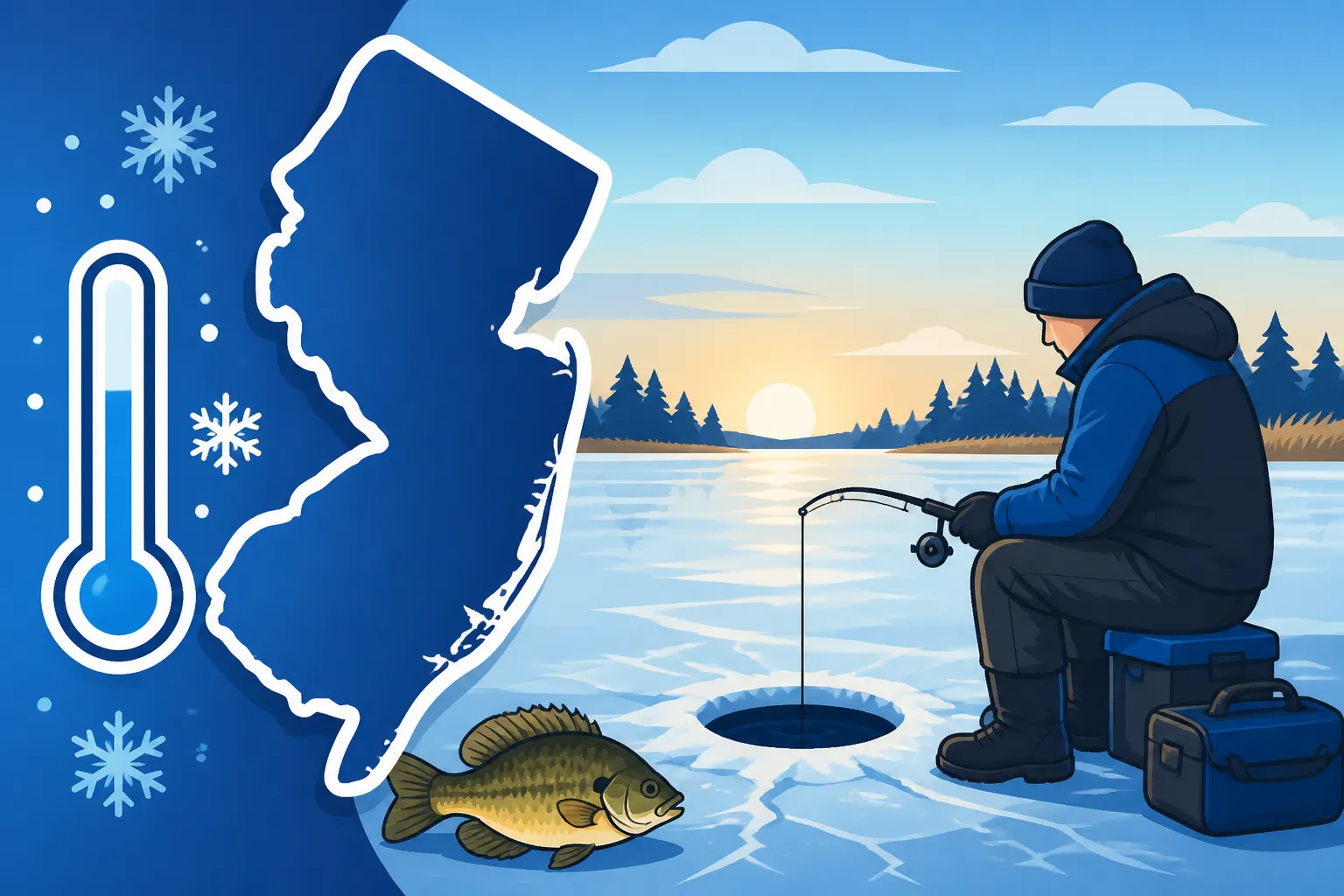
There’s nothing quite like the crisp air, the quiet solitude, and the unique thrill of dropping a line through a hole in the ice. But let's be real, the thought of stepping onto a frozen lake can be intimidating, especially if you’re new to ice fishing in New Jersey. Many anglers wonder exactly how cold it needs to get, and for how long, before a sheet of ice is truly safe. This guide will walk you through the essential factors, from air temperature to water body type, so you can confidently prepare for your next New Jersey ice fishing adventure.
Understanding Ice Formation and Safety Basics in New Jersey
It’s easy to look at a frozen puddle and think, "Yep, that's ice!" But a solid, fishable sheet of ice on a lake or pond is a far more complex beast. The safety of that ice isn’t just about a single cold night; it's a delicate balance of sustained temperatures, water dynamics, and even the weather conditions we experience day to day. Getting this wrong isn’t just about not catching fish; it’s about serious safety risks, and no one wants to deal with that.
The Critical Role of Air Temperature in Ice Development
When we talk about ice forming, the very first thing that comes to mind is cold air. And you're right, consistent freezing temperatures are absolutely essential. Think of it this way: a few hours below 32°F might make a thin crust, but it's far from the kind of robust, weight-bearing ice you need for a safe outing. What you're really looking for in New Jersey is a sustained stretch of frigid weather, often with daytime highs barely creeping above freezing and nighttime lows dipping well into the 20s or even teens.
This isn't about one overnight dip into the 20s. We're talking about consecutive days and nights where the mercury stays stubbornly low. For many experienced ice anglers, a good rule of thumb for initial safe ice formation on smaller, shallower bodies of water is at least three to seven consecutive days with temperatures consistently below 25-30°F. If the temperature fluctuates wildly, like a warm front popping up after a cold snap, that ice can become compromised even if it looks thick. It's why that first freeze often doesn't mean the ice is ready; it needs to build.
Moreover, different types of cold have different impacts. A dry, still cold often creates stronger, clearer "black ice," which is dense and resilient. A wet, windy cold can form weaker, more opaque ice, often filled with air bubbles, which isn't as structurally sound. It’s also crucial to remember that even if it's freezing outside, warmer water underneath can still erode the ice from below, especially in areas with currents or springs, creating dangerous, unseen weak spots.
Water Body Characteristics and Their Impact on Ice Thickness
Not all water bodies are created equal when it comes to freezing over. The size, depth, and even the movement of the water play a huge role in how quickly and how safely ice forms. For instance, a small, shallow farm pond in Sussex County might freeze solid in just a few days of sustained cold, while a massive, deep lake like Lake Hopatcong or Round Valley Reservoir can take weeks, sometimes even a month or more, to develop truly safe ice.
Deep lakes have a tremendous volume of water that needs to cool down to 39°F (the temperature at which water is most dense) before the surface can even begin to freeze effectively. This process takes a lot of time and a lot of sustained cold. Shallow ponds, on the other hand, cool down much faster. Flowing water, like rivers or areas around inlets and outlets on lakes, is another major factor. Moving water takes longer to freeze and can create dangerous thin spots, even in otherwise stable ice. The Delaware River, for example, might have safe ice in slower back channels but remain open and dangerous in the main current.
Beyond depth and flow, other environmental factors come into play. A heavy blanket of snow, while pretty, acts as an insulator, slowing down further ice growth once it forms. Windy conditions can prevent initial ice formation or break up thin ice sheets. Dark-bottomed lakes tend to absorb more solar radiation, potentially slowing the freezing process or even melting ice from below on sunny days. It's why local knowledge is so vital; an angler who understands the nuances of a specific body of water, like those who regularly fish the New Jersey's Best Freshwater Lakes for Fishing, can offer invaluable insights into its typical freezing patterns and hotspots to watch out for.
The "Magic Number" for Safe Ice Fishing: Four Inches and Beyond
When you’re standing on the shore, ready to venture out, the most important question isn't just "how cold has it been?" but "how thick is the ice right now?" This is where the rubber meets the road, or rather, the boot meets the ice. While air temperature sets the stage, actual ice thickness is your true indicator of safety.
Minimum Ice Thickness for Different Activities
The golden rule of ice fishing safety, repeated across every state and by every experienced angler, is simple: minimum four inches of clear, solid ice for safe walking. But even this isn't a hard and fast guarantee across all conditions or for all activities. Four inches is just the bare minimum for one person walking carefully. It's a starting point, not a ceiling.
Let's break it down further, as recommended by ice safety experts and New Jersey Fish & Wildlife:
- Under 4 inches: Absolutely stay off the ice. It’s simply not worth the risk. This ice is unpredictable and can give way without warning.
- 4 inches: Suitable for ice fishing or other activities on foot, for a single person. Always be cautious, spread out if in a group, and check thickness constantly.
- 5-7 inches: Generally safe for small groups, light snowmobiles, or ATVs. Again, distribute weight, and avoid congregating in one small area.
- 8-12 inches: Can support a car or small pickup truck. This is usually reserved for very specific, well-established access points on larger lakes with solid, proven ice.
- 12-15+ inches: Needed for medium trucks or larger groups of vehicles.
It's crucial to understand that these are guidelines for clear, solid ice. "Honeycombed," slushy, or "rotten" ice can be significantly weaker, even if it measures several inches thick. Always exercise extreme caution, and if in doubt, don't go out. Remember, no fish is worth risking your life over. Knowing How Thick Should Ice Be Before You Fish on It? is paramount for any ice angler.
How to Measure Ice Thickness Safely
You’ve heard the numbers; now, how do you actually get those measurements without putting yourself in danger? This isn't a task for guesswork or estimation. You need the right tools and a systematic approach. Many excellent tools for this are available on platforms like Amazon, from basic spud bars to advanced power augers.
- Start from the Edge: Never just walk out onto the middle of a frozen lake without checking the ice closer to shore first. Begin by testing the ice near the bank, where it's usually easiest to access and less deep if you do fall through.
- Use a Spud Bar or Auger: As you venture out, use a spud bar (a heavy chisel on a pole) to test the ice ahead of you. Strike it sharply. If it goes through easily, you know the ice is too thin. Ideally, you’ll be making a hole every few steps. For more precise measurements, use an ice auger to drill a hole, then use a tape measure to get an exact thickness reading. You can find reliable augers and spud bars on Amazon from brands like Eskimo or ION.
- Check Multiple Spots: Ice thickness is rarely uniform. It can vary significantly across a single body of water due to currents, springs, snow cover, and how the ice formed. Drill holes and check thickness every 10-20 yards as you move further out. Pay extra attention to areas around inlets, outlets, points, or any visible changes in ice color or texture.
- Buddy System and Safety Gear: Never ice fish alone. Always go with a buddy, and ensure both of you are equipped with essential safety gear. Ice picks worn around your neck are crucial; if you fall through, these can help you pull yourself back onto the ice. A throw rope in your gear bag is also a lifesaver for helping a friend. Wearing a flotation suit, like those from Striker or Clam, can also provide critical minutes of buoyancy and warmth if you find yourself in the water. Remember, proper preparation, which includes carrying proof of your New Jersey fishing license, is key.
Beyond Air Temperature: Other Factors Influencing Ice Safety in New Jersey
While cold air and sufficient thickness are the primary considerations, Mother Nature has a few more tricks up her sleeve that can make seemingly safe ice incredibly dangerous. Ignoring these subtle but critical factors can lead to nasty surprises for even the most seasoned ice angler.
The Deceptive Nature of Snow and Slush
Snowfall, especially a heavy one, is a double-edged sword for ice fishing. On one hand, it creates that picturesque winter wonderland we all love. On the other, it can seriously complicate ice conditions and hide dangers. Snow acts as an insulator, much like the insulation in your home. Once a layer of ice has formed, a thick blanket of snow on top will slow down further ice growth. This means that after a heavy snowfall, the ice underneath might not be as thick as you’d expect for the prevailing air temperatures. It essentially puts a pause on the freezing process.
Even worse, heavy snow can lead to the formation of treacherous slush pockets. When snow falls on thin ice, or when its sheer weight depresses the ice, water can seep up through cracks and holes. This creates a soggy, heavy layer of slush on top of the ice. This slush then refreezes into what's known as "snow ice" or "slush ice," which is much weaker and more porous than clear, solid "black ice." It also hides the true ice surface, making it impossible to visually assess thickness or identify hazards from a distance. Always be wary of large areas of deep snow on the ice; they could be masking dangerously thin or weak spots.
Currents, Springs, and Inlets: Hidden Hazards
New Jersey's diverse waterways mean you'll encounter a variety of conditions, and some areas are inherently riskier than others, regardless of how cold it's been. Currents, underwater springs, and areas near inlets or outlets are notorious for creating localized thin ice, even when the rest of the lake is perfectly safe.
- Currents: Any body of water with a noticeable flow, be it a river, a canal, or even a large lake with strong internal currents, will have areas where the ice is perpetually thinner or non-existent. For example, popular spots like the Point Pleasant Canal or parts of the Manasquan Inlet, while great for fishing during open water seasons, are almost always unsafe for ice fishing due to constant tidal flow. Even on seemingly stagnant lakes, currents can be generated by inflows from streams or outflows into other bodies of water, keeping certain sections from freezing solid. Always check the ice near any visible moving water.
- Springs: Many New Jersey lakes and ponds are fed by underground springs, especially in the northern counties. These springs introduce warmer water into the lake, creating localized areas where the ice will be significantly thinner or won't form at all. The danger here is that these spots are often invisible from the surface, hidden beneath a uniform layer of snow or ice. You might be walking on 8 inches of solid ice and suddenly step into an area above a spring that's only 2 inches thick. Local knowledge from seasoned anglers can be invaluable here, as they often know where these notorious spring areas are located.
- Inlets and Outlets: Wherever water flows into or out of a lake or pond, the ice will be weaker. This includes stream inlets, dam outflows, and areas around culverts. The constant movement and warmer water prevent solid ice formation. These are spots to avoid when ice fishing, even if the main body of the lake seems solid. Similarly, areas around docks, pilings, and bridge abutments can absorb heat or create friction that melts the surrounding ice, forming unexpected weak spots. Anglers looking for New Jersey's Best Spots for Ice Fishing should always be mindful of these dangers.
Preparing for a Safe New Jersey Ice Fishing Season
Embarking on an ice fishing trip in New Jersey should always involve a strong dose of common sense and thorough preparation. It’s not just about having the right bait or finding the best location; it's about being ready for anything that frozen landscape throws your way. Being prepared can literally be the difference between a memorable day on the ice and a life-threatening situation.
Monitoring Conditions and Local Reports
You wouldn't head out on the ocean during a hurricane, and you shouldn't step onto questionable ice. The first step in safe ice fishing is diligent monitoring of conditions.
- NJ Fish & Wildlife Resources: The New Jersey Department of Environmental Protection (NJDEP) Division of Fish and Wildlife is your primary, most reliable source for information. While they don't typically issue daily ice reports for every single body of water (it's often too dynamic), they do provide general safety guidelines and sometimes warnings. Make sure you’re up-to-date on New Jersey Fishing Season Dates and Closures and any specific regulations for ice fishing.
- Local Bait Shops and Social Media: This is where the real-time, hyper-local intel comes in. Your local bait and tackle shop owners, particularly those near popular ice fishing destinations like those around Greenwood Lake, are often the best source for current ice conditions. They talk to anglers coming off the ice all day, every day. Similarly, New Jersey ice fishing groups on social media platforms can be a great place to get recent reports, but always approach these with a critical eye. Verify information from multiple sources and use your own judgment.
- Daily Checks and Rapid Changes: Ice conditions can change remarkably fast. A sunny day, a sudden thaw, or even strong winds can significantly impact ice safety. Never assume that because the ice was safe yesterday, it's safe today. Make it a habit to check the forecast, talk to other anglers, and, most importantly, perform your own ice thickness checks every time you venture onto the ice. If you're planning a trip, consider checking Greenwood Lake Ice Fishing Conditions or other specific bodies of water you intend to visit.
Essential Safety Gear for New Jersey Ice Anglers
When you head out onto the ice, your gear bag needs to contain more than just your rod and tackle. These safety items are non-negotiable and should be part of every ice angler's kit. Many of these items can be easily found and purchased through retailers like Amazon, ensuring you have quality equipment ready when the season hits.
- Ice Picks: These sharp, spiked handles (often connected by a cord around your neck) are your best friend if you fall through. They allow you to get a grip on the ice and pull yourself out. They are compact, inexpensive, and absolutely essential. You can find many affordable and effective models on Amazon.
- Flotation Suit or PFD: A purpose-built ice fishing flotation suit, like those made by brands such as Striker or Clam, not only keeps you warm but also provides critical buoyancy if you end up in the water. This can buy you precious minutes to self-rescue or wait for help. If a full suit isn't in the budget, at minimum, wear a Coast Guard-approved personal flotation device (PFD) over your winter clothing.
- Spud Bar: We mentioned it for checking ice, but it's also a safety tool. Use it to probe the ice ahead of you as you walk, especially in unfamiliar areas or over suspicious-looking patches. It can detect thin ice before you put your full weight on it.
- Throw Rope: A bag containing a floating rope (at least 50 feet long) is essential for rescuing a friend who has fallen through. It’s much safer to throw a rope than to try and reach them directly, which could put you at risk.
- Communication Device: A fully charged cell phone (kept in a waterproof bag) or a marine radio (if you're on a larger lake) is vital for calling for help in an emergency. Ensure someone knows your plans, where you're going, and when you expect to return.
- First Aid Kit and Emergency Supplies: A basic first aid kit, extra warm clothing (sealed in a waterproof bag), a thermos of hot coffee or soup, and high-energy snacks can make a huge difference if you get wet or stranded. For more guidance on staying warm, check out tips on What to Wear Ice Fishing.
By understanding the science of ice formation, diligently checking conditions, and equipping yourself with the proper safety gear, you can confidently enjoy the peaceful and rewarding experience that New Jersey ice fishing offers.
Recommended Ice Thickness for Activities
| Activity | Minimum Recommended Clear, New Ice Thickness | Notes |
|---|---|---|
| Stay Off Ice | Less than 4 inches | Extremely dangerous. Risk of immediate breakthrough. |
| Ice Fishing / Walking (Single) | 4 inches | Use extreme caution. Check frequently with a spud bar or auger. Avoid groups. |
| Ice Fishing / Walking (Group) | 5 – 7 inches | Distribute weight. Maintain distance between individuals. |
| Snowmobile / ATV | 5 – 7 inches | Must have experienced operator. Avoid thin ice areas. Do not travel at high speeds. |
| Small Car / Light Pickup | 8 – 12 inches | Requires well-established ice, specific access points. Not recommended for unfamiliar ice. |
| Medium Truck | 12 – 15+ inches | Only on supervised, well-maintained ice roads in specific circumstances. Very rare for recreational access. |
| All Ice Fishing Activities | Always check with a spud bar or auger. | These are minimums for clear, solid ice. Slush ice, white ice, or honeycombed ice is significantly weaker. Be aware of currents, springs, and inlets. Always tell someone where you're going and when you expect to return. Consider reading up on How to Ice Fish in New Jersey for more detailed guidance. |
Disclaimer
Fishing conditions and regulations in New Jersey can change quickly. Always consult the latest New Jersey Department of Environmental Protection (NJDEP) Division of Fish and Wildlife regulations and local advisories before heading out. This guide is for informational purposes only and does not supersede official regulations or expert safety advice. Always prioritize your safety and exercise caution on and around frozen water.